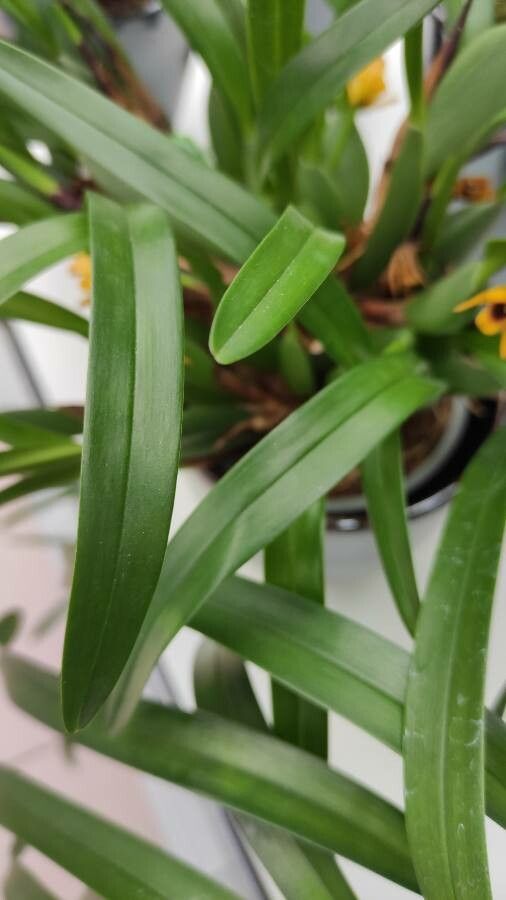
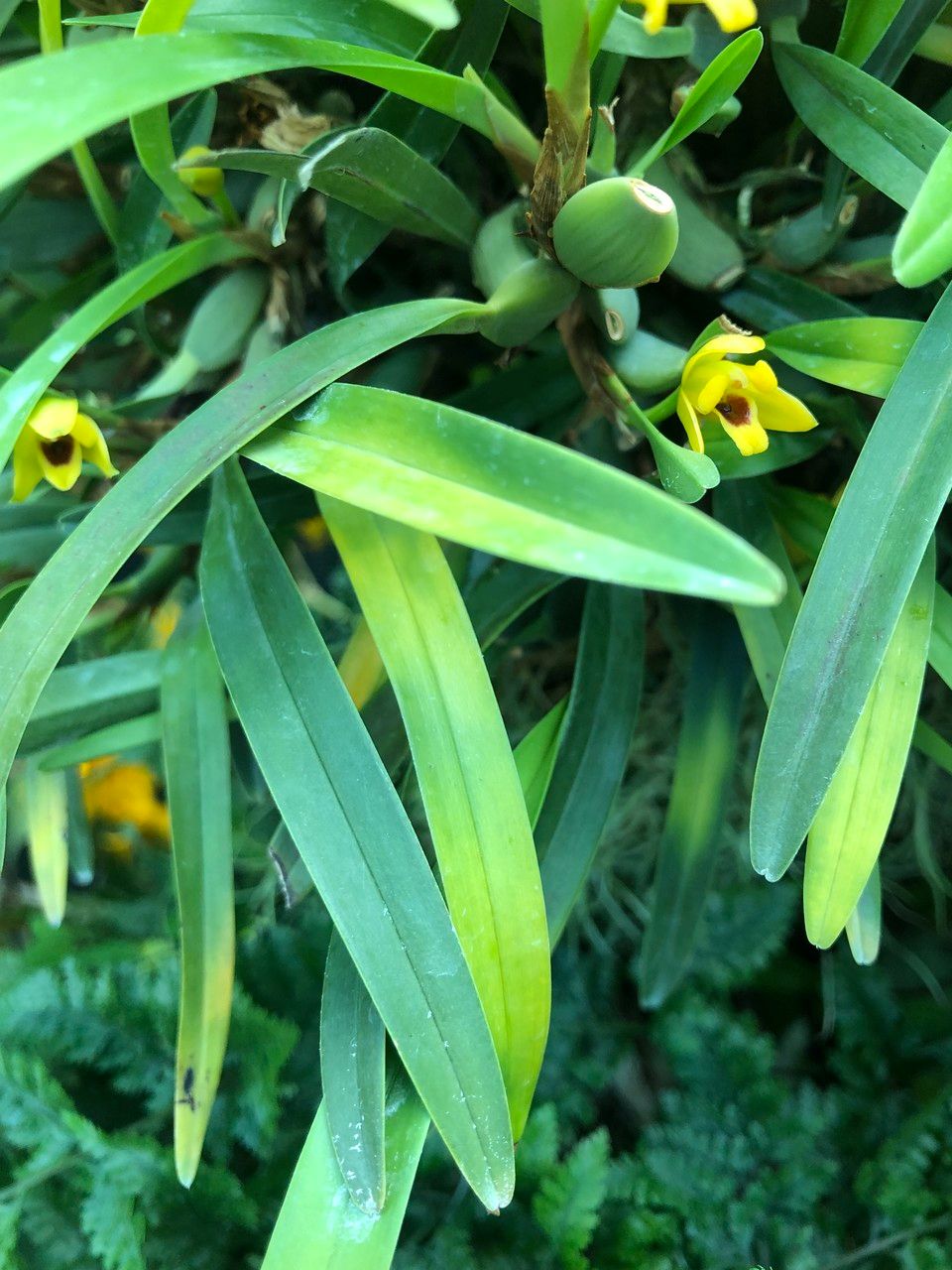
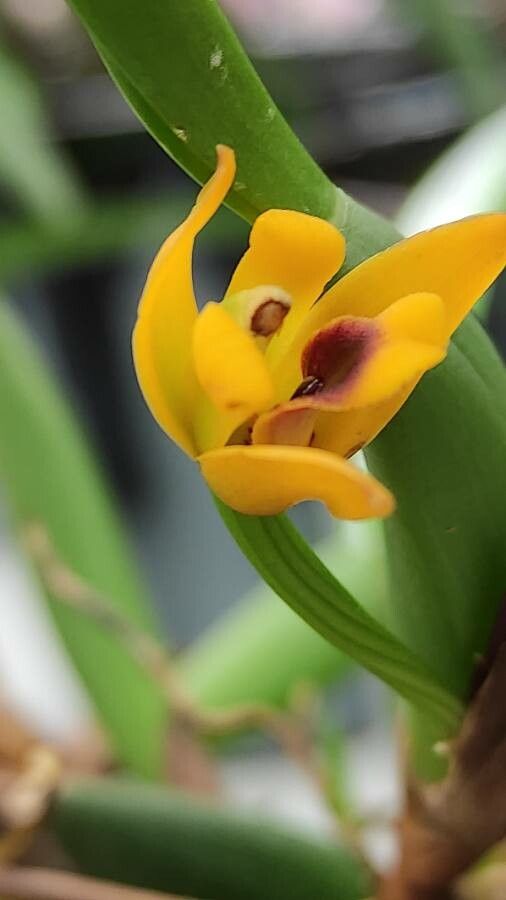
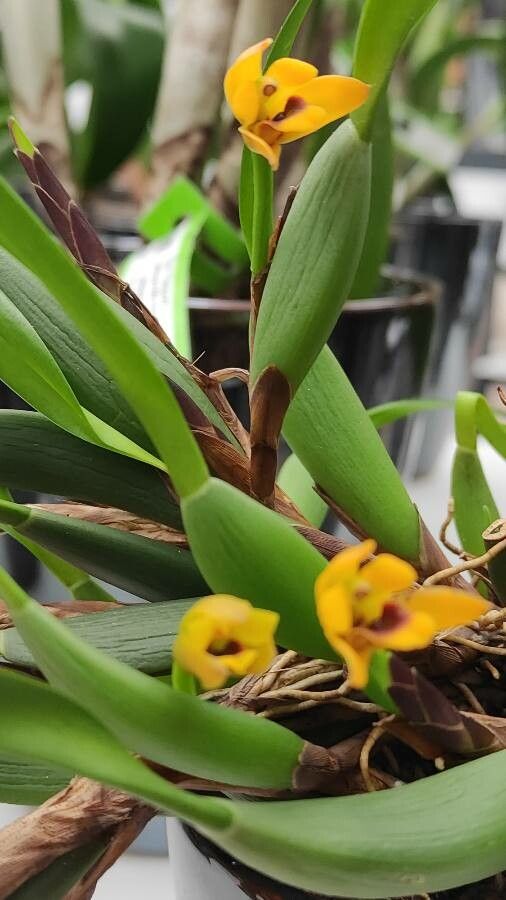
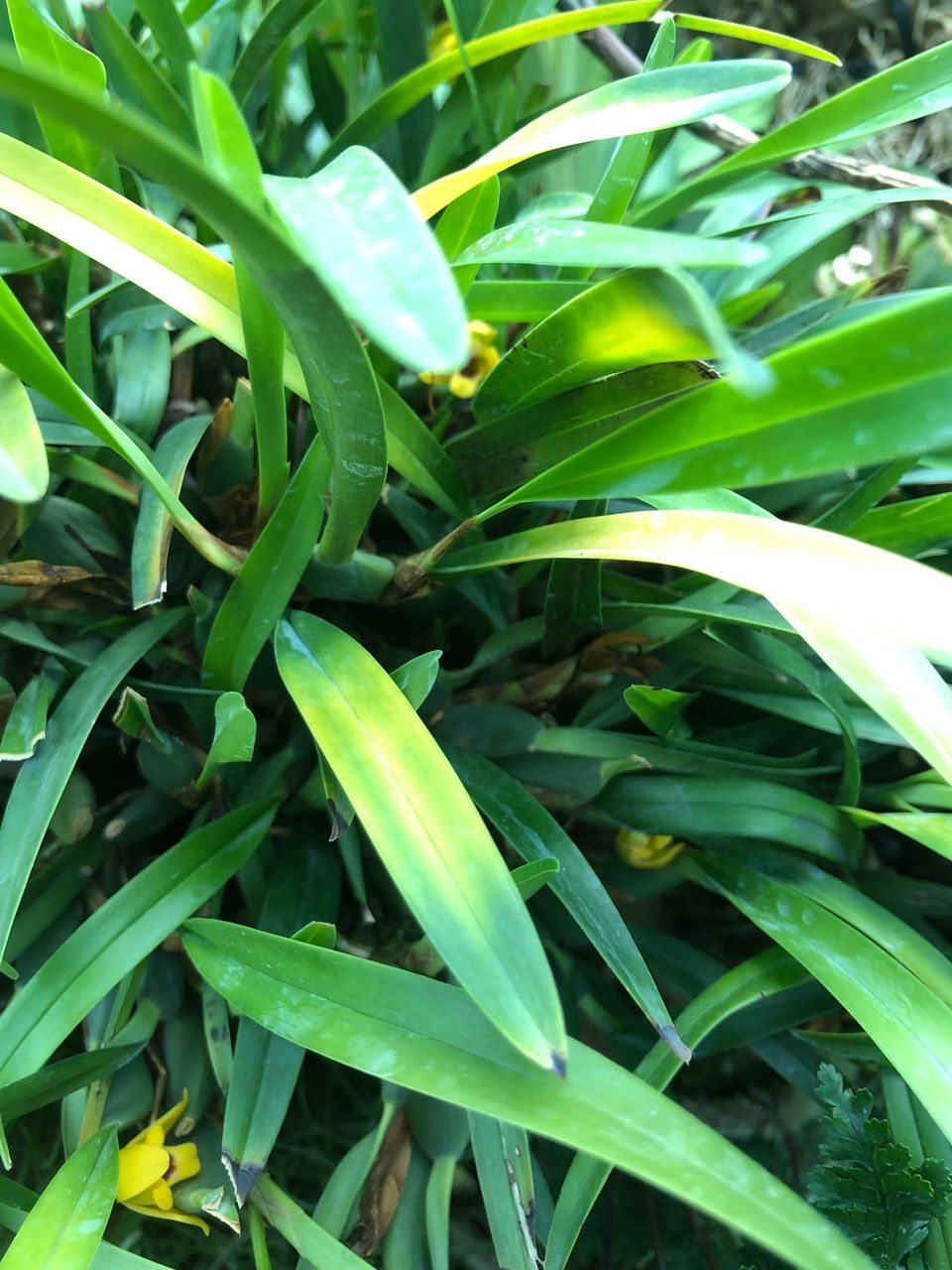
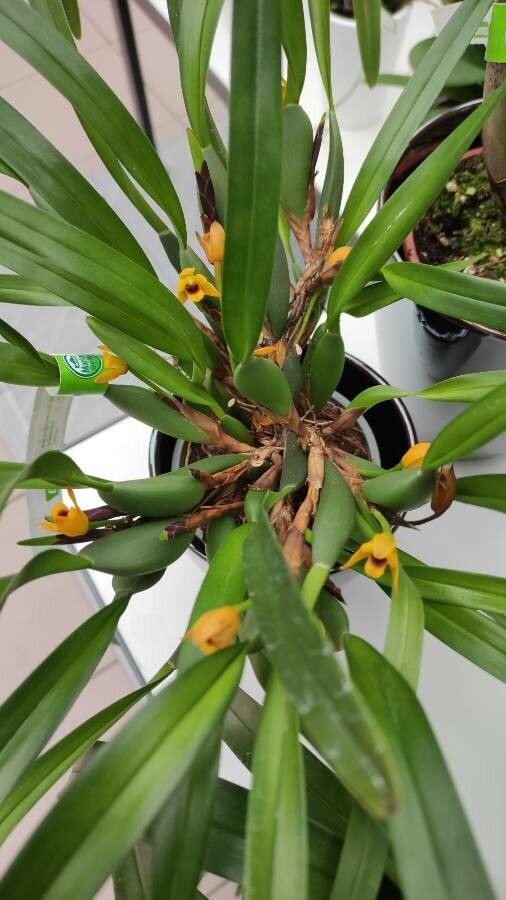
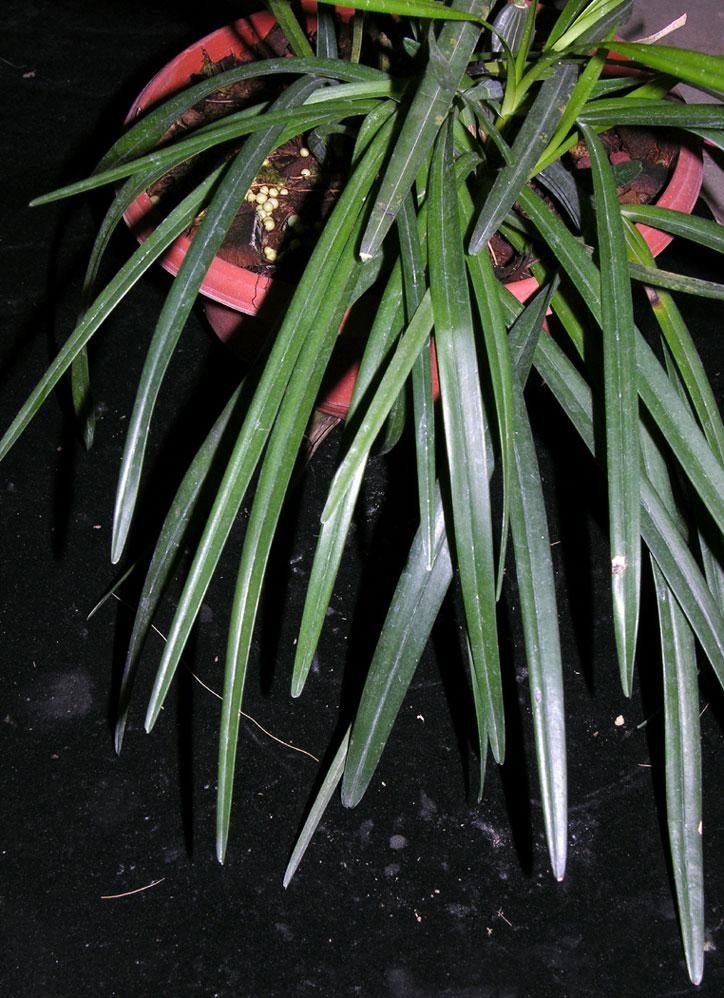
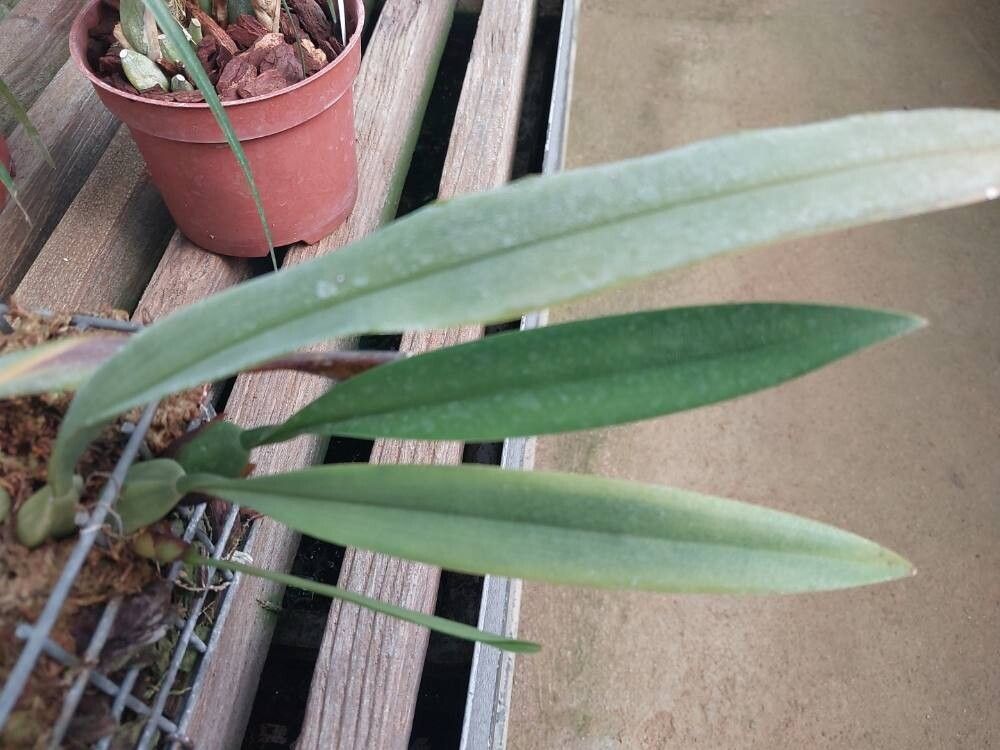
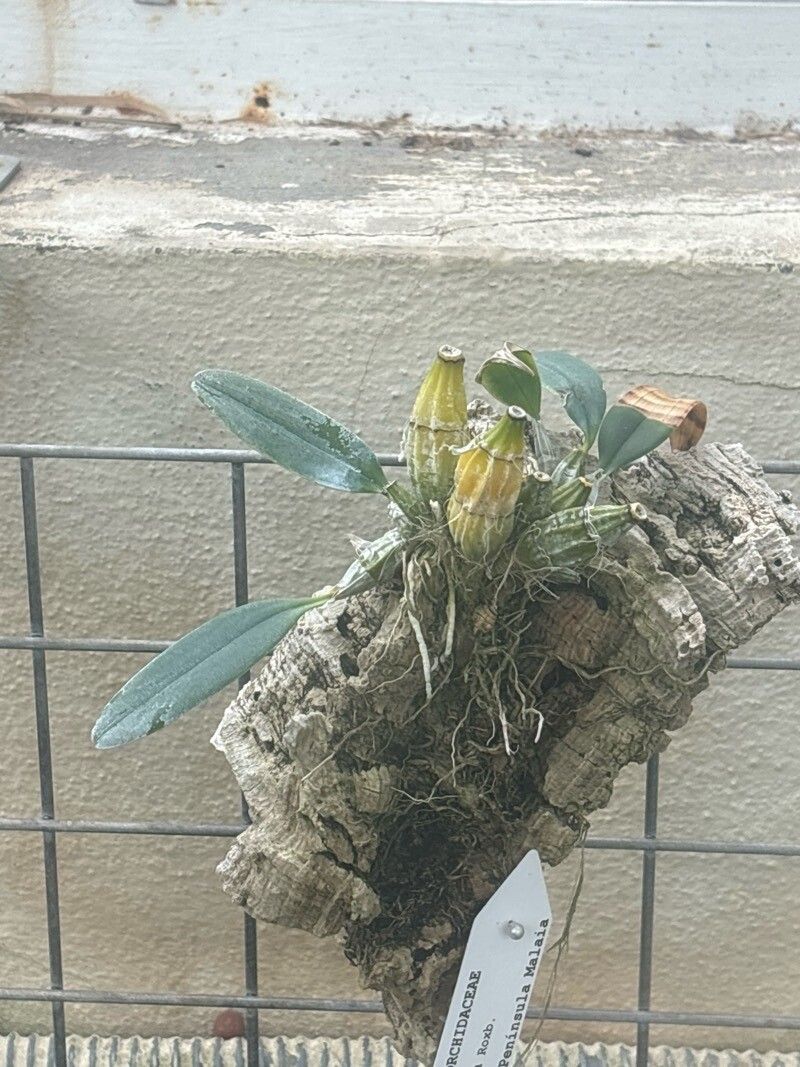
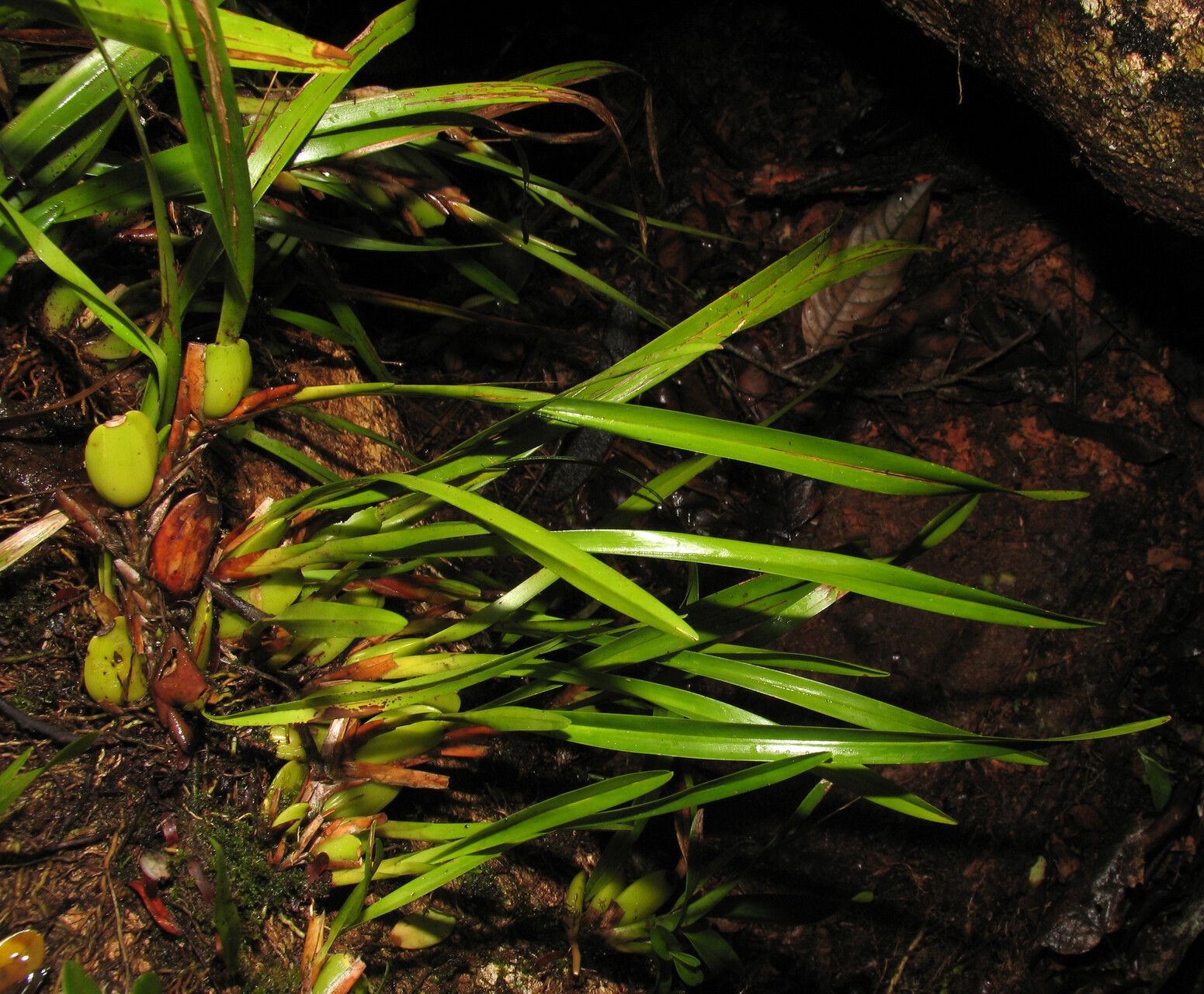
Maxillaria variabilis is a species of orchid native to Central and South America. This epiphytic plant, which grows on other plants, thrives in diverse habitats including rainforests, cloud forests, and montane forests. It features small pseudobulbs covered with thin leaves and can reach a height of up to 30 cm. The flowers are small, with yellow-green petals adorned with reddish-brown spots, and they bloom in the spring or summer, emitting a sweet fragrance.
Maxillaria variabilis is often grown as an ornamental plant due to its attractive flowers and ease of cultivation. It prefers bright, indirect light and high humidity levels, making it an ideal choice for indoor or greenhouse cultivation. The plant requires regular watering but should be allowed to dry out slightly between waterings.
In traditional medicine, Maxillaria variabilis has been used for its anti-inflammatory properties and for treating respiratory ailments such as coughs and colds.
Overall, Maxillaria variabilis is an appealing orchid species that can be easily cultivated by both novice gardeners and experienced horticulturists due to its adaptability to various growing conditions.
The variable maxillaria typically shows good resistance to disease and attracts relatively few insect pests. Its care is considered difficult because it needs high humidity combined with good ventilation and few harmful pathogens. Too much watering can cause root rot. Growing The variable maxillaria is possible for anyone, but keeping it healthy and getting it to bloom again requires more growing experience.
How to keep Maxillaria Variabilis.
Light
The variable maxillaria is native to habitats like forest understories or rocky areas, where it grows in natural shade. It prefers partial sun but can adjust to full sun or full shade, reflecting its versatile and hardy nature.
Water
Maxillaria orchids thrive in humid environments and need consistent moisture. To keep the soil moist but not overly saturated, water them twice a week. As epiphytes, they prefer high humidity and flourish with sufficient moisture during their active growth periods.
Temperature
The variable maxillaria does best in warm conditions. It prefers moderately high temperatures but not excessively hot and humid ones. Sunlight warms the plant and encourages flowering. However, extended periods of direct sun in summer can cause sunburn, so the amount of sunlight it gets should be controlled during that season. The plant is generally not tolerant of cold, so it needs adequate protection and warmer conditions in winter to avoid freezing.
Fertilizer
Appropriate fertilization is essential for The variable maxillaria's health and appearance. Fertilize The variable maxillaria in summer, applying it monthly throughout summer. Nutrients power growth and support the plant's structures. Fertilization improves The variable maxillaria's flower display, ensuring the best blooms.
Pruning
To ensure the Maxillaria plant thrives, light pruning should be done in early spring. This promotes healthy growth and vibrant blooms. Use sanitized tools to remove dead pseudobulbs and trim overgrown stems, as this helps prevent infections. Proper pruning not only boosts the plant's vigor but also enhances its overall appearance.
Pot & Repot
When repotting the variable Maxillaria, select a slightly larger pot with good drainage, ideally a clear orchid pot. Use an orchid-specific, well-draining mix containing bark or moss. Carefully clean the roots and trim any that are dead or rotting. Repot after flowering, typically in spring or fall, water thoroughly, and place in bright, indirect light. Avoid disturbing the roots once repotted.
Botanical profile.
- Plant Type
- Herb
- Life Cycle
- Perennial
- Genus
- Maxillaria
- Family
- Orchidaceae
- Hardiness Zone
- 10-12
- Mature Height
- 15 cm to 30 cm
- Mature Spread
- 10 cm to 20 cm
- Leaf Color
- Green
- Leaf Type
- Evergreen
- Flower Color
- Yellow, Orange
- Flower Size
- 2.03 cm to 3.05 cm
- Bloom Time
- All year round
- Planting Time
- Spring
- Harvest Time
- Late spring, Summer, Fall, Winter, Early spring, Mid spring
- Native Area
- Colombia, Belize, Honduras, Mexico, Guatemala, El Salvador, Nicaragua, Costa Rica, Panama
Other names.
Reader questions.
What is Maxillaria variabilis?
Maxillaria variabilis, also known as The variable maxillaria, is a species of orchid. This plant is noted for its variability, which is reflected in its name. Unlike many other orchid species, it does not have additional common names or recognized subspecies listed in the provided data. The specific care requirements, habitat preferences, or unique qualities of Maxillaria variabilis are not detailed in the available information.