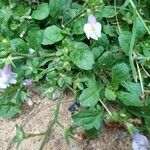
Mazus pumilus
Asian mazus · Japanese Mazus
Description
Source: leafsnapMazus pumilus is a low-growing perennial plant belonging to the Mazaceae family. Native to Asia, it thrives in a variety of habitats such as wetlands, meadows, and rocky slopes. The plant features small, dark green, oval-shaped leaves that can grow up to 1 inch in length. Its trumpet-shaped flowers, displaying a range of colors from blue-purple to white, bloom from late spring through summer. Gardeners favor Mazus pumilus for its ability to flourish in moist soil conditions and its low maintenance needs. It is commonly used as ground cover or planted along the edges of ponds or streams to help control erosion. Traditionally, Mazus pumilus has been used for its medicinal properties, particularly for treating coughs, colds, and fever, due to its anti-inflammatory effects. In summary, Mazus pumilus is an attractive perennial that not only enhances any garden or landscape with its vibrant flowers and lush foliage but also offers medicinal benefits.
Care Guide
💧 Water Every 7 days
Japanese Mazus thrives in consistently moist environments similar to its native habitat. It does best with weekly watering, though it can tolerate short dry spells. While it can grow indoors, Japanese Mazus benefits more from being outdoors, particularly during its active growing season.
How should I water my Japanese Mazus to make sure it's for the best?
To water Japanese Mazus, you have several options like using a garden hose with a spray nozzle or a watering can. They are not too picky about the type of water they receive and can thrive on rainwater, tap water, or filtered water. It's best not to water them from above as this can harm the leaves and flowers and also cause disease. Setting up a drip irrigation system is often the most effective method as it provides even and direct watering to the soil. For Japanese Mazus grown in containers, you can follow a similar approach but use tools like a cup, watering can, or tap to water the soil directly.
What do I do if I give too much or too little water to my Japanese Mazus?
To remedy underwatering for Japanese Mazus, simply water the plant more frequently when you notice it lacks moisture. On the other hand, overwatering can be a serious issue if not noticed early, as it can lead to diseases and the plant's decline. To prevent this, choose a suitable location with ample sunlight to dry the soil and good drainage to prevent water from pooling. If you overwater a potted Japanese Mazus, consider replanting it in a new pot with better soil drainage and more drainage holes. When repotting, use loose soil and an efficiently draining pot.
How frequently should I water my Japanese Mazus?
Japanese Mazus requires regular watering throughout the growing season. In spring, water the plant once per week. As the season progresses and the temperature rises, increase the watering to two to three times per week. It is important not to go beyond this frequency as it can harm the plant. Additionally, ensure that the soil remains moist but not excessively wet. When watering Japanese Mazus in a pot, adjust the frequency accordingly. Potted soil can heat up and dry out faster compared to ground soil. Generally, water container-grown Japanese Mazus a few times per week instead of just once per week for an in-ground plant.
How much water does my Japanese Mazus plant need?
Determining the appropriate amount of water for your Japanese Mazus can be done in a few ways. Some gardeners prefer to feel the soil for moisture and water until the top six inches have become moist. Others prefer to use a measured amount, such as around two gallons per week, depending on the temperature and soil dryness. However, following strict guidelines may result in overwatering if your plant requires less. If you are growing your Japanese Mazus in a container, a different method is needed. You should water until all layers of dry soil are moistened, which can be determined by feeling the soil or noticing excess water draining from the pot's holes.
How can I know if I'm giving enough water to my Japanese Mazus?
Avoiding overwatering your Japanese Mazus can be challenging due to their deep roots requiring weekly soil moistening. However, Japanese Mazus are highly vulnerable to root rot, which can cause browning. Underwatering is less common as these plants can survive without supplemental watering, yet prolonged neglect can lead to wilting and dry leaves.
☀️ Light Full sun
Japanese Mazus comes from bright, open habitats and performs best in full sun. It can handle partial shade but favors direct sunlight for optimal growth. This plant, which may be annual or biennial, is noted for its sun-loving habit.
What are the sunlight requirements for Japanese Mazus?
Japanese Mazus thrives in environments with full sun, requiring above 6 hours of sunlight daily for optimal growth. It originates from bright, open areas, showcasing its preference for direct sunlight. While it can tolerate partial sun, full sun conditions are ideal for this annual and biennial plant. It's important to observe the movement of sunlight through your garden, choosing locations that offer a perfect balance of light and shade to ensure the plants' well-being.
How can artificial lighting be used for indoor plants?
For indoor plants, especially during winter or in less sunny spaces, artificial lighting acts as a crucial substitute for natural sunlight, encouraging healthier and faster growth. LED lights, customizable for providing specific light wavelengths, are recommended. Full sun plants require 30-50W/sq ft, partial sun plants need 20-30W/sq ft, and full shade plants need 10-20W/sq ft of artificial light. The light source should be placed 12-36 inches above the plant, mimicking natural sunlight conditions, and most plants need 8-12 hours of light daily.
What are the symptoms of inadequate light in Japanese Mazus?
When Japanese Mazus is cultivated indoors with insufficient light, several symptoms can emerge, including smaller new leaves, leggy or sparse growth, faster leaf drop, slower or no new growth, and lighter-colored new leaves. Conditions such as chlorosis, when leaves turn yellow due to chlorophyll breakdown, sunscald with pale or necrotic patches on the plant, leaf curling as a defense to minimize water loss, wilting from excessive water loss through transpiration, and leaf scorching with brown, dry edges, indicate light deficiency or excessive sun exposure.
How can light exposure be improved for Japanese Mazus?
To enhance light exposure for optimal growth of Japanese Mazus, gradually shift your plants to sunnier locations each week, aiming for at least 6 hours of direct sunlight daily. For indoor plants, utilizing a south-facing window or professional grow lights can help achieve adequate light levels. Outdoor plants should also be moved gradually to avoid sudden, intense sun exposure. Reducing obstructions, like pruning tree branches or relocating plants to sunnier spots, can further improve sunlight access. It's noted that parts of the plant damaged by insufficient sunlight may not recover, but new growth will be healthy with increased light exposure.
🌡️ Temperature 20–35°C
Japanese Mazus originates from temperate regions, so it does best in warmer conditions. It prefers temperatures of 68 to 95 °F (20 to 35 °C). In colder seasons, adjust conditions to maintain optimal growth.
What is the ideal temperature range for Japanese Mazus?
Japanese Mazus, originally from temperate regions, thrives best in warmer environments. It prefers temperatures between 68 to 95 °F (20 to 35 °C). To ensure optimal growth, it's important to adjust care in colder seasons to maintain this temperature range. While Japanese Mazus has some degree of cold tolerance and generally doesn't require special measures when the temperature is above 32°F (0°C), precautions should be taken if the temperature is expected to fall below freezing. Temporary measures for cold protection could include wrapping the plant with materials such as plastic film, fabric, or other insulating materials, which should be removed once the temperature rises again.
How does the Japanese Mazus react to low temperatures, and what can be done?
Japanese Mazus has moderate tolerance to low temperatures and is happiest in temperatures above 68°F (20°C). In winter, it's crucial to keep it above 32°F (0°C) to avoid damage. Exposure to temperatures below -5°C can cause the leaves to droop; they may recover in mild cases, but severe cold can lead to wilting and leaf loss. If frost damage occurs, the affected parts should be trimmed off. To prevent cold damage, wrap the plant in non-woven fabric or cloth and create a wind barrier for added protection against cold winds.
What should be done if Japanese Mazus experiences high temperatures?
During the summer season, it's important to keep Japanese Mazus below 95°F (35°C). Temperatures above 100.4°F (38°C) can cause the leaves to lighten in color, with leaf tips potentially drying out and becoming withered. The leaves may curl, and the plant might be more likely to get sunburned under such conditions. To mitigate these issues, trim away any sunburned or dried-up parts. Moving the plant to a shaded location, especially away from the midday and afternoon sun, or using a shade cloth can be beneficial. Additionally, watering the plant in the morning and evening will help keep the soil appropriately moist.
💨 Humidity
🪴 Soil 5-7
🌱 Fertilizer
Once a Japanese Mazus has opened most of its blooms to full size, it's time to start fertilizing again. Around the point when blooms are at their peak output, begin fertilizing every three to four weeks, as weather permits. Then, when the Japanese Mazus starts producing fewer new blooms, stop fertilizing; there's no need to feed the plant when it can no longer produce additional flowers.
🪴 Pot & Repot
✂️ Pruning
🌿 Propagating
🐛 Diseases & pets
☠️ Toxicity
Characteristics
- Plant Type
- Herb
- Life Cycle
- Annual
- Genus
- Mazus
- Family
- Mazaceae
- Hardiness Zone
- 9
- Mature Height
- 3 cm to 30 cm
- Mature Spread
- 30 cm
- Leaf Color
- Green
- Leaf Type
- Evergreen
- Flower Color
- Lavender
- Flower Size
- 0.76 cm to 1.02 cm
- Bloom Time
- Late spring, Early summer, Mid summer
- Planting Time
- Spring, Summer
- Harvest Time
- Early summer, Mid summer
- Native Area
- Nepal, Sri Lanka, India, Malaysia, Philippines, Bangladesh, Pakistan, Laos, China, Russia, Indonesia, Cambodia, Vietnam, Myanmar, Japan, Koppen, Bhutan, South Korea, Thailand