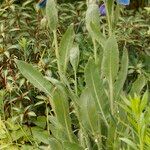
Meconopsis betonicifolia
Bailey's blue-poppy · Himalayan blue-poppy · Himalayan-poppy · Blue-poppy
Description
Source: leafsnapMeconopsis betonicifolia (syn. Meconopsis baileyi), the Himalayan blue poppy, is a species of flowering plant in the family Papaveraceae. It was first formally named for western science in 1912 by the British officer Lt. Col. Frederick Marshman Bailey.Meconopsis betonicifolia is hardy in most of the United Kingdom and it has striking large blue flowers. This herbaceous perennial is often short-lived.
Care Guide
💧 Water Every week
The Himalayan blue poppy flourishes in moist alpine regions and requires regular watering to grow well, ensuring the soil remains hydrated without becoming waterlogged. Watering once a week is crucial for its development. When grown outdoors in cooler climates, this plant relies on rainfall, so it's important to focus on maintaining sufficient moisture during its active growing season.
☀️ Light Partial sun
The Himalayan blue poppy needs less intense sunlight to grow vigorously. Native to areas with moderate sun exposure, this plant thrives in those conditions. Excessive sunlight can cause the plant to wilt, while inadequate light can impair its blooming and vigor.
What are the sunlight requirements for the Himalayan blue poppy?
The Himalayan blue poppy thrives best in conditions that replicate its native habitat, which consists of moderate sun exposure. Ideally, it requires partial sun, approximately 3-6 hours of sunlight daily. Excessive exposure to sunlight can cause the plant to wilt, while insufficient light affects its blooming and overall vigor. It's important to observe how sunlight moves through your garden to ensure you pick a location that provides a perfect balance of light and shade, to maintain the plant's happiness.
How can artificial lighting supplement sunlight for indoor Himalayan blue poppies?
For Himalayan blue poppies grown indoors where natural sunlight may be lacking, especially during winter or in less sunny spaces, artificial lighting can be a vital supplement. LED lights are recommended because they can be tailored to offer specific wavelengths of light needed by the plants. Full sun plants require 30-50W/sq ft of artificial light, partial sun plants need 20-30W/sq ft, and full shade plants require 10-20W/sq ft. The artificial light source should be placed 12-36 inches above the plant to mimic natural sunlight, and plants generally need 8-12 hours of light per day. This setup promotes healthier, quicker growth by compensating for insufficient natural sunlight.
What are the signs of insufficient light in Himalayan blue poppies?
When Himalayan blue poppies are grown in conditions with insufficient light, several symptoms may manifest indicating the need for more sunlight. These include smaller new leaves compared to previous ones, leggy or sparse growth, faster leaf drop, slower or halted new growth, leaves developing pale or irregular coloration indicating a lack of chlorophyll, and chlorosis, where leaves lose their green color turning yellow. Furthermore, extreme sunlight exposure can cause sunscald, leaf curling, wilting, and leaf scorching, which are signs that the plants are receiving too much light. These symptoms indicate the plant's need for an adjustment in light exposure either by moving to sunnier spots gradually for outdoor plants or using artificial lighting solutions for indoor ones.
How do you address inadequate sunlight exposure for Himalayan blue poppies?
To address insufficient sunlight exposure for Himalayan blue poppies, there are several strategies that can be employed based on whether the plant is grown indoors or outdoors. For indoor plants, gradually shifting them to sunnier locations each week until they receive 3-6 hours of direct sunlight daily helps them adapt to changing light conditions. If moving the plant is not feasible, consider using artificial lighting such as desk or ceiling lamps for at least 8 hours a day or investing in professional plant grow lights. For outdoor plants and ground-planted specimens, gradually move them to better sunlit locations each week to avoid sunburns from abrupt changes in light intensity. Additionally, for plants facing shade from obstructions like trees, consider pruning to allow more sunlight through or transplanting smaller plants during their dormant period to a site with ample sunlight and good drainage. It's important to note that parts of the plant affected by insufficient light might not recover, but new growth should be healthy following these adjustments.
🌡️ Temperature 15–32.2°C
The Himalayan blue poppy is native to the Himalayas and typically prospers in temperate conditions of 68 to 95°F (20 to 35°C). In warmer seasons it may require shading to prevent overheating, and in cold winters a protective frost cover is advisable.
What is the Himalayan blue poppy and where does it originate from?
The Himalayan blue poppy, botanically known as Meconopsis betonicifolia, is a plant that originates from the Himalayas. It typically thrives in temperate environments with temperatures ranging from 68 to 95°F (20 to 35°C), preferably in areas that provide a balance of sunlight and shade. During warmer seasons, shading may be necessary to prevent overheating. Though it possesses strong cold resistance, in regions where winter temperatures can drop below -15°C, additional cold protection measures such as covering the plant with soil or straw are recommended. Before the onset of winter, it's advisable to water the plant abundantly to ensure the soil remains moist and enters a frozen state, helping to prevent drought and water scarcity during the colder months.
How does low temperature affect the Himalayan blue poppy, and what are the solutions?
The Himalayan blue poppy is cold-tolerant and thrives best when temperatures stay above 20°C but should be protected to keep above 0°C during winter. If temperatures fall below -15°C, the plant may not show immediate distress, but there could be a decrease in sprouting or even failure to sprout come spring. The solution for this issue is to wait until spring and then remove any parts of the plant that have failed to sprout, encouraging new growth and helping the plant recover from the cold stress.
What should be done if the Himalayan blue poppy experiences high temperatures?
During the summer, it's important to ensure the Himalayan blue poppy does not get exposed to temperatures above 35°C. Exceeding 38°C can lead to the leaves turning lighter in color, curling, and becoming prone to sunburn. In severe cases, the plant can wilt and dry out. To manage this, trim away the sunburned and dried parts of the plant. Relocate the plant to a shadier spot or use a shade cloth to protect it from the midday and afternoon sun. Additionally, watering the plant in the morning and evening will help keep the soil moist and support the plant's overall health during high-temperature periods.
💨 Humidity
🪴 Soil 6-7
🌱 Fertilizer
The main time to fertilize Himalayan blue poppy is in early spring as the flowers are forming. Using the right fertilizer promotes better blooms and helps the Himalayan blue poppy produce attractive flowers. Fertilizing in early spring guarantees excellent flowers during the season and supplies energy for dormant growth periods.
🪴 Pot & Repot
✂️ Pruning
Prune the Himalayan blue poppy in early spring after it finishes flowering to encourage growth and extend the blooming period. Make sure to use clean, sharp tools to prevent the spread of disease. By removing dead or overcrowded stems, you can improve air circulation, which reduces the risk of fungal infections and promotes healthy, vigorous blooms and overall plant health.
🌿 Propagating
🐛 Diseases & pets
☠️ Toxicity
Unlike the common poppy, Himalayan blue poppies are non-toxic. These stunning blue blooms are safe for nearly any household, including those with children and pets.
Characteristics
- Plant Type
- Herb
- Life Cycle
- Perennial, Annual
- Genus
- Meconopsis
- Family
- Papaveraceae
- Hardiness Zone
- 7-8
- Mature Height
- 0.3 m to 1.52 m
- Mature Spread
- 30 cm to 61 cm
- Leaf Color
- Green, Gray
- Leaf Type
- Deciduous
- Flower Color
- Blue
- Flower Size
- 6.35 cm to 7.62 cm
- Bloom Time
- Late spring, Early summer
- Planting Time
- Spring, Summer
- Harvest Time
- Mid summer, Late summer
- Native Area
- Himalayas