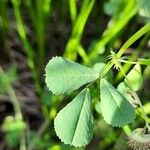
Medicago polymorpha
یونجه خاردار · دانیر · California bur-clover · Bur medic · Bur trefoil
Description
Source: leafsnapMedicago polymorpha, commonly known as burclover or California burclover, is an annual plant species in the legume family. It is native to the Mediterranean region but has been introduced to many parts of the world, including North America and Australia. The plant can grow up to 60 cm tall and features trifoliate leaves with toothed edges. Its small, yellow flowers are arranged in clusters on long stalks. The fruit is a small pod containing several seeds. Burclover thrives in disturbed areas such as fields, roadsides, and pastures. While it can tolerate poor soil conditions, it prefers well-drained soils with moderate moisture levels. This plant has several uses, including serving as a forage crop for livestock due to its high protein content and nitrogen-fixing capabilities, which enrich the soil. It also has medicinal properties and has been traditionally used to treat skin conditions like eczema. However, burclover can also be considered an invasive species due to its ability to spread rapidly through seed dispersal by animals or machinery. This rapid spread can create problems for native plants by outcompeting them for resources. Overall, Medicago polymorpha is an interesting plant with beneficial uses but also potential negative impacts on ecosystems where it becomes invasive if not managed properly.
💡 Medick is often mistaken for clover. According to a story, while Napoleon was once marching across a grassland, he noticed a medick. Intrigued, he bent down to pick it up. At that moment, a bullet was fired, and by bending down, Napoleon avoided it and survived. Because of this incident, medick has come to be recognized as a symbol of luck.
🌳 Bur clover, frequently regarded as a humble herb, is surprisingly adaptable. It supplies plentiful protein for livestock, acting like an overlooked pantry of nutrients. Bees are attracted to its clover-like flowers for nectar, making it a contributor to honey production. Interestingly, bur clover also serves as a natural indicator of metal levels in soil, making it useful for environmental soil assessments.
🎭 A four-leaf clover brings great luck, and people say that wearing one in your hat will let you see fairies.
Care Guide
💧 Water Every 3 days
Bur clover is native to Mediterranean climates and shows moderate drought tolerance. It thrives when watered consistently once a week, provided the soil drains well to prevent waterlogging. Its growth is influenced by rainfall, so it’s important to adjust watering according to the seasons to mimic natural precipitation patterns.
How should I water my Bur clover plant?
There are several ways to water Bur clover, including using a garden hose with a spray nozzle or a watering can. They are not picky about the type of water they receive, whether it's from rainwater, tap water, or filtered water. It's best not to water them from above as it can damage the leaves and flowers and potentially cause disease. A drip irrigation system works well for watering Bur clover as it applies water evenly and directly to the soil. For Bur clover in a container, you can use a cup, watering can, or tap water to water them directly in the soil.
What should I do if I either give too much or too little water to my Bur clover?
To avoid underwatering Bur clover, water it regularly when you notice it's lacking moisture. Overwatering is a more serious issue, as it can lead to diseases and the plant's decline. Choose a sunny location with good drainage to prevent excessive water and waterlogged soil. If your potted Bur clover is overwatered, consider repotting it in a container with better drainage, adding loose soil for proper water flow.
How much should I water my Bur clover?
Bur clover requires regular watering throughout the growing season. In spring, water the plant once per week. As the season progresses and temperatures rise, increase watering to two or three times per week. However, be cautious not to exceed this rate as it can harm the Bur clover. Additionally, the soil should be kept relatively moist but not wet, regardless of the watering frequency. When watering Bur clover in a pot, it is important to water more frequently as the soil in pots dries out faster. Generally, watering a container-grown Bur clover a few times per week is recommended, compared to just once per week for a plant in the ground.
How much water does my Bur clover need? -> How much water does my Bur clover require?
Determining how much water to give your Bur clover can be approached in a few different ways. Some gardeners prefer to gauge the moisture in the soil by feeling it, and typically suggest watering until the top six inches of soil feel moist. Another method is using a specific measurement, like approximately two gallons of water per week, taking into account factors such as temperature and how quickly the soil dries out. However, strictly following these guidelines may lead to overwatering if your plant requires less water. When growing Bur clover in a container, a different method is needed. In this case, it is advisable to water enough to moisten all the dry layers of soil. You can test for moisture by inserting your finger into the soil or observing a slight trickle of water coming out from the pot's drainage holes.
How do I know if I am giving enough water to my Bur clover?
Avoiding overwatering your Bur clover can be somewhat difficult because they have deep roots that need moist soil weekly. However, Bur clover is prone to root rot and browning if it is overwatered. Underwatering is less likely to occur as these plants can survive without extra watering. However, if you wait too long to water them, they may begin to wilt and their leaves may become dry.
☀️ Light Full sun
Bur clover prefers abundant light but can tolerate lower light or nearly full shade. Native to sun-dominated habitats, it adjusts during its growth stages without major issues. A lack of light can reduce its vigor, while too much light may damage its health.
What are the sunlight requirements for Bur clover?
Bur clover thrives best in full sun, requiring more than 6 hours of sunlight daily, but it can also adapt to partial sun and full shade conditions, which consist of about 3-6 hours of sunlight. It's essential to observe the sunlight movement in your garden to find the ideal spot that offers a balance of light and shade, ensuring the plant's happiness and healthy growth.
How does Bur clover adapt to different lighting conditions?
Originating from environments predominated by sunlight, Bur clover possesses a remarkable adaptability to various light conditions. It craves ample sunlight for optimal growth but demonstrates resilience in less sunny areas or even near-total shade. While insufficient light may impact its vigor, too much light can be detrimental. The plant adjusts throughout its growth phases, showing endurance against light-related challenges.
What artificial lighting requirements do indoor Bur clovers have?
For indoor Bur clovers, when natural sunlight is lacking, especially during winter or in less sunny areas, artificial lights become essential for healthy growth. LED lights are recommended for their ability to provide specific light wavelengths needed by plants. Full sun plants require 30-50W/sq ft, partial sun plants 20-30W/sq ft, and full shade plants 10-20W/sq ft of artificial light. The light source should be placed 12-36 inches above the plant, mimicking natural sunlight exposure for about 8-12 hours per day.
What are the symptoms of light deficiency in Bur clover?
When Bur clover is cultivated indoors with insufficient light, it may display symptoms such as smaller new leaves, leggy or sparse growth, faster leaf drop, slower or halted growth, pale new leaves, and in cases of excessive sunlight, chlorosis, sunscald, leaf curling, wilting, and leaf scorching. These signs indicate an adaptation to conserve resources or protect itself from light intensity extremes.
What are the recommended solutions for Bur clover experiencing light-related issues?
To address light deficiency or overexposure in Bur clover, indoor plants can be gradually moved to sunnier spots or supplemented with artificial light if relocation isn't feasible. Outdoor plants should be gradually relocated to areas with better sunlight, avoiding sudden changes to prevent sunburn. Additionally, for garden plants, reducing obstructions or transplanting to sunnier locations can enhance sunlight access. It's important to focus on promoting new, healthy growth as parts affected by poor lighting may not recover.
🌡️ Temperature 10–35°C
Bur clover originates from areas where average temperatures range from 68 to 95 °F (20 to 35 ℃). It prospers in these conditions, so adjustments usually involve giving extra shade during intense summer heat or providing insulation when temperatures are cooler.
What is the native climate for Bur clover?
Bur clover is native to regions where the average temperature falls between 68 to 95 °F (20 to 35 °C). It flourishes in these climates, naturally adapting by requiring extra shading during extreme summer heat or some form of insulation during cooler temperatures to maintain its health. Despite its strong resistance to cold, in places where winter temperatures are expected to fall below -25°C, protective measures are advisable, such as covering the plant with soil or straw, to ensure it survives the cold season.
How should you protect Bur clover during winter?
Bur clover has significant cold resistance, which usually negates the need for special frost protection measures during winter. However, in conditions where temperatures are forecasted to dip below -25°C, it's crucial to take steps to protect the plant. This includes covering it with insulating materials like soil or straw. Additionally, watering the plant abundantly before the first freeze in autumn is recommended to keep the soil moist. This preparation helps prevent drought and ensures the plant has enough water throughout winter and the early spring period.
What are the signs of low temperature distress in Bur clover, and how can you address them?
Bur clover is known for its cold tolerance, ideally thriving at temperatures above 20°C and surviving well above 0°C. If temperatures plummet below -25°C, the plant may not show immediate distress, but its ability to sprout in spring could decrease significantly, leading to either reduced sprouting or none at all. To manage this, it's recommended to remove any parts of the plant that have failed to sprout as the weather warms in spring.
How does high temperature affect Bur clover, and what are the solutions?
In summer, keeping Bur clover's surrounding temperature below 35°C is essential. Exposure to temperatures above 41°C could cause the leaves to lighten in color, curl, become prone to sunburn, and in severe cases, lead to the wilting and drying of the entire plant. To combat this, trim away any sunburned or dried-up parts of the plant. Moving the plant to a shaded area during the peak sun hours of midday and afternoon or using a shade cloth can provide relief. Additionally, watering the plant in the morning and evening to maintain soil moisture can help alleviate the stress from high temperatures.
💨 Humidity
🪴 Soil 6-7
🌱 Fertilizer
Bur clover does well with regular, light applications of fertilizer to encourage healthy leaf development. Fertilize Bur clover roughly once a month during the summer. Nitrogen is important for foliage, and adding nitrogen-rich sources helps Bur clover flourish.
Why do I have to add fertilizer to my Bur clover?
All plants require nutrients to grow, but certain types are capable of obtaining these nutrients on their own and do not need additional fertilizers. Bur clover, like other plants, utilizes nutrients to support its growth and internal processes. The main nutrients that plants need, such as nitrogen, phosphorus, and potassium, contribute to various essential functions of a plant. In the case of foliage growth, nitrogen plays a vital role. However, it can be challenging for Bur clover to acquire enough nitrogen from the soil alone, leading many gardeners to opt for supplemental nitrogen fertilization.
When should I put fertilizer on my Bur clover?
Bur clover thrives with regular fertilization, which should be done about once a month during the active growing season of spring and summer. It is important to hold off on fertilizing during the fall and winter, as the plant becomes less active and requires fewer nutrients. Look for new growth as a sign that it is time to begin fertilizing. Whether grown outside or in a container indoors, the fertilization schedule remains the same. However, if the Bur clover is in a container, it may not need fertilization for the first one to two months. This is because potting soil for container plants already contains enough nutrients. Wait until your plant has been in the same container soil for a while before starting to fertilize.
When is it not a good idea to put fertilizer on my Bur clover?
If your Bur clover is not healthy, such as having a disease or insect pests, never fertilize it. Additionally, avoid fertilizing dehydrated plants as it will worsen the issue. Only fertilize plants that are already healthy. When watering, be cautious not to splash fertilizer onto the leaves or stem, as it can cause burned spots. Unless you are using a special fertilizer designed for foliage, be careful not to let the fertilizer directly touch the plant.
What kind of fertilizer does my Bur clover need?
Fertilizers contain important nutrients like nitrogen, potassium, and phosphorus, as well as iron, manganese, and zinc. These nutrients are essential for promoting growth in Bur clover. A balanced fertilizer, like an all-purpose fertilizer with a 10-10-10 NPK number, is recommended for Bur clover. Natural fertilizers, such as blood meal or worm castings, can also be effective. If you want to prioritize leaf growth, you can choose a fertilizer higher in nitrogen, like fish fertilizer. It is important to consider your purpose in growing the plant, as providing excessive supplements for flowers or seeds may not be necessary.
How can I make my Bur clover grow better?
When applying fertilizer to your Bur clover, it's important to follow the instructions on the particular type of fertilizer you purchased. To avoid over-fertilizing, it's a good idea to start with half-strength fertilizer. Bur clover requires frequent fertilization, so it's common to accidentally fertilize too much. Remember, it's easier to add more fertilizer later than to save an over-fertilized plant. It's important to not apply fertilizer to dry soil. The soil should already be somewhat moist before applying fertilizer. This helps the fertilizer absorb easily and prevents fertilizer burn. After applying dry fertilizers, make sure to water the soil. There are different types of fertilizers for Bur clover. Some are meant to be mixed into the soil during planting, while others are applied on top of the soil and then watered in. For most types of Bur clover, a water-soluble fertilizer is an easy choice. Simply mix the recommended dosage of fertilizer into your watering can and water the plant as usual. If you prefer, slow-release granules or fertilizer spikes can also be effective, especially if you don't want to remember to fertilize monthly.
🪴 Pot & Repot
✂️ Pruning
Bur clover is a low-growing plant with trifoliate leaves and small yellow flowers. To encourage growth, improve air circulation, and prevent overcrowding, prune the plant from early to late spring by cutting away any damaged stems. Regular pruning helps maintain its shape, encourages healthy foliage, and controls its spread.
🌿 Propagating
🐛 Diseases & pets
☠️ Toxicity
Characteristics
- Plant Type
- Herb
- Life Cycle
- Annual, Perennial
- Genus
- Medicago
- Family
- Fabaceae
- Hardiness Zone
- 6-10
- Mature Height
- 15 cm to 30 cm
- Mature Spread
- 15 cm to 23 cm
- Leaf Color
- Green
- Leaf Type
- Deciduous
- Flower Color
- Yellow
- Flower Size
- 2.54 cm
- Bloom Time
- Spring
- Planting Time
- Spring, Autumn
- Harvest Time
- Late spring, Early summer, Mid summer
- Native Area
- Libya, Djibouti, Egypt, Turkey, India, Austria, United Arab Emirates, Montenegro, Pakistan, Croatia, Morocco, Yemen, Belarus, Uzbekistan, Russia, Iraq, Germany, Jordan, Romania, Qatar, Belgium, Portugal, Nepal, Saudi Arabia, France, Tajikistan, Tunisia, Cyprus, Bulgaria, Greece, Lebanon, Serbia, Afghanistan, Syria, Kyrgyzstan, Kazakhstan, Italy, Spain, Israel, Iran, Albania, Azerbaijan, United Kingdom, Algeria, Turkmenistan