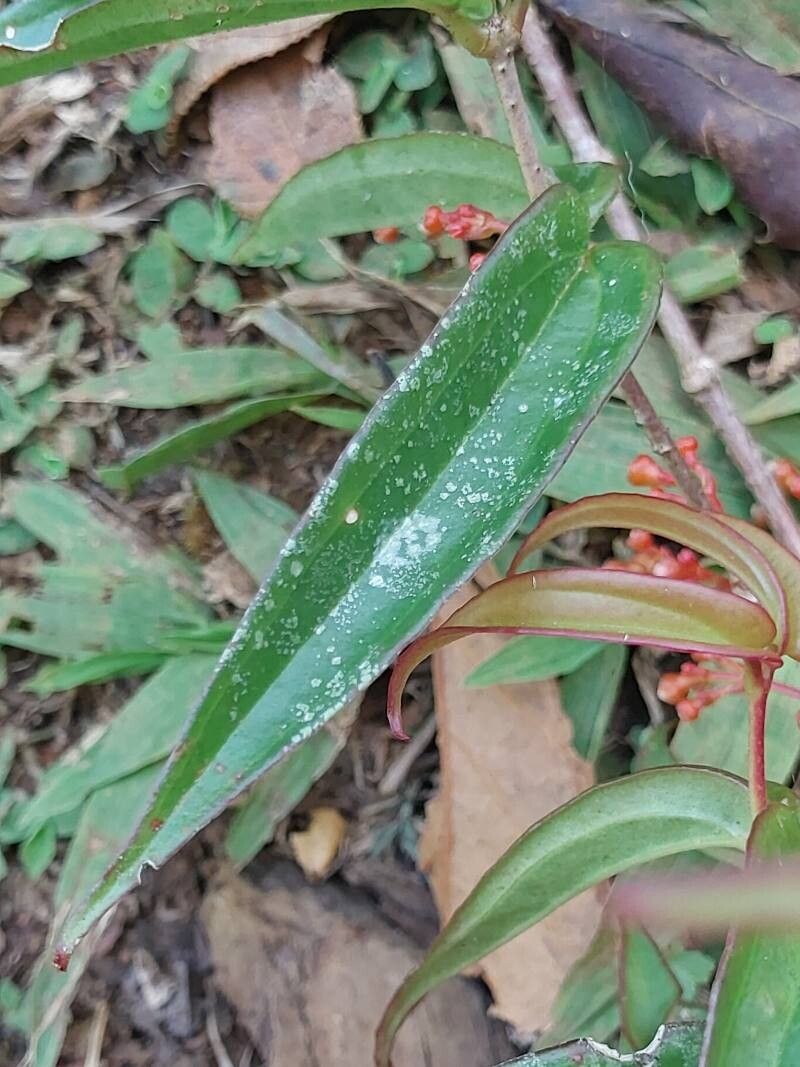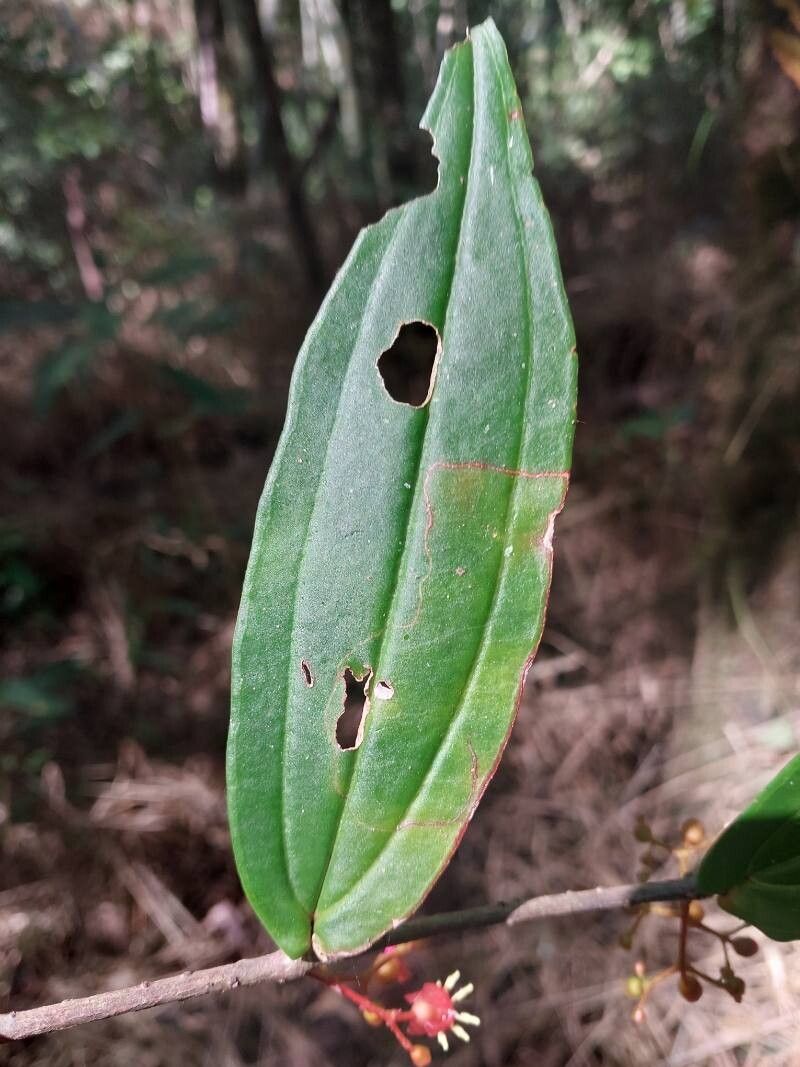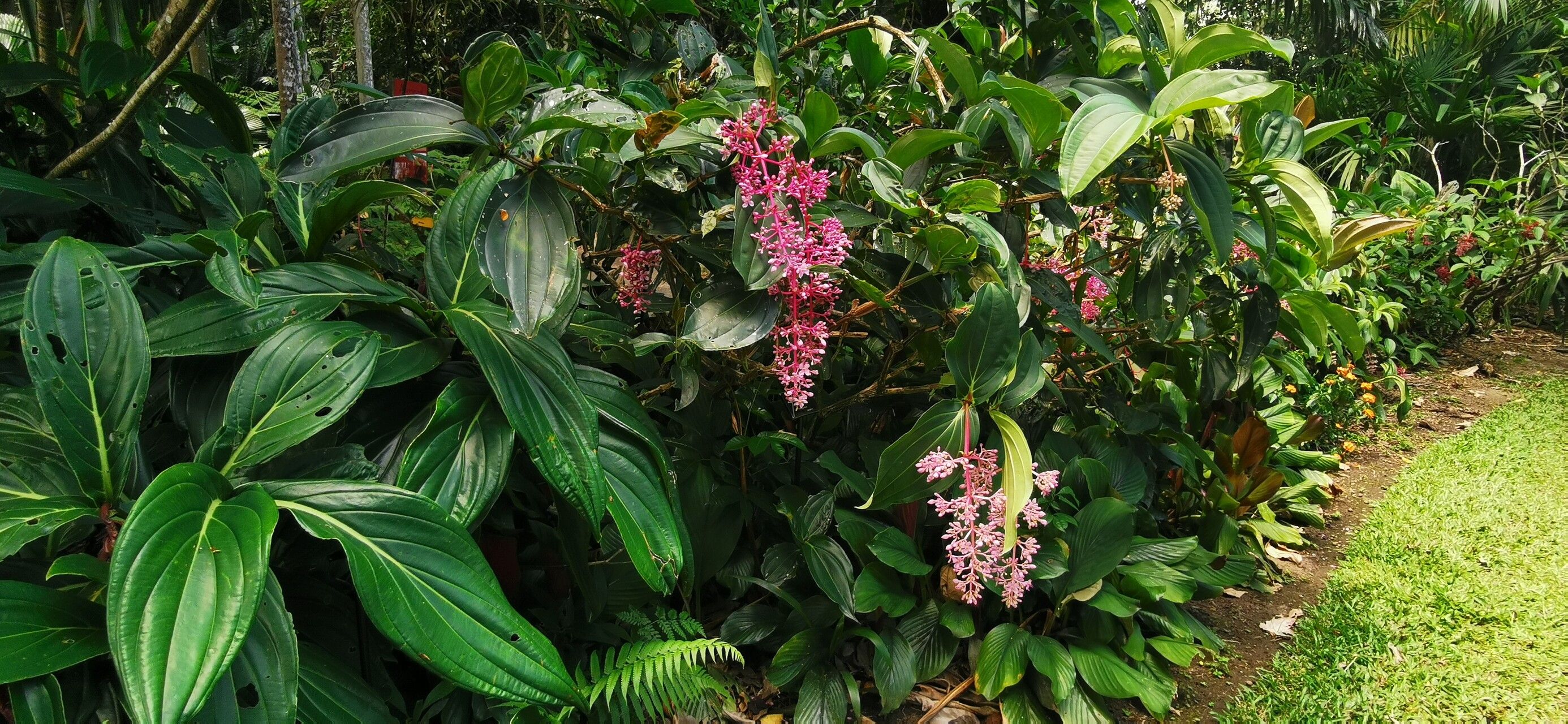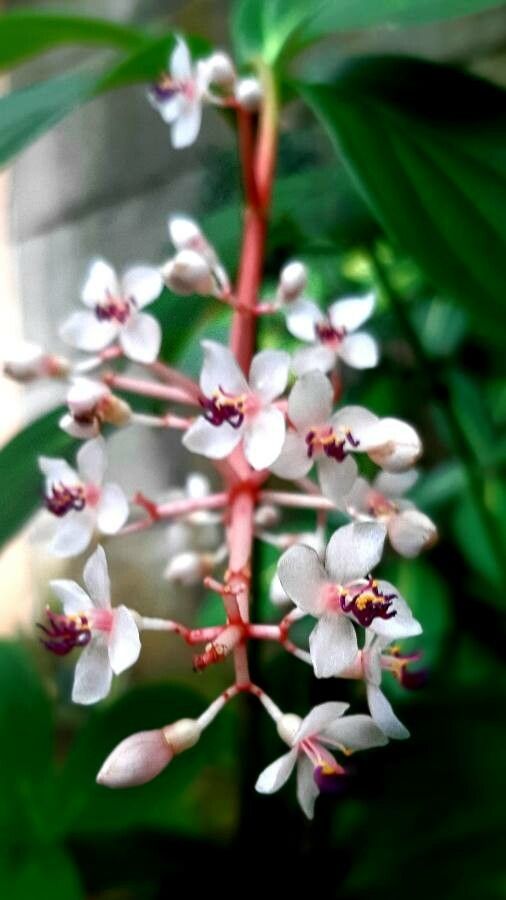
Formosan medinilla is fairly resistant to disease and typically does not develop illnesses. Regarding care, this species is relatively low-maintenance. When grown outdoors it needs little watering, and larger specimens generally do not require pruning. Smaller plants, however, should be trimmed after they finish blooming. Formosan medinilla is appropriate for anyone who has an outdoor space, such as a garden or deck, and does not demand much prior care experience.
How to keep Medinilla Formosana.
Light
The Formosan medinilla grows well in a setting that isn't overly bright, but still receives a fair amount of light. It naturally inhabits areas with diffused light, reflecting its light requirements. This plant can tolerate a lack of light at all stages of its development, although this may result in slowed growth. Overly bright light could result in burned leaves, while insufficient light may interfere with its blooming process.
Water
The Formosan medinilla is a hardy plant that thrives in moderate humidity. It is drought-tolerant, capable of surviving with less frequent rainfall, but for optimal health, it should be watered every 2 to 3 weeks. As an evergreen, the Formosan medinilla keeps its leaves throughout the year. This means it needs consistent moisture to promote steady growth.
Temperature
The Formosan medinilla is native to the tropics, characterized by consistently warm and moist weather. This prepares it to favor hot and humid conditions. The plant does not react favorably to abrupt shifts in temperature and prefers a steadier climate, so it's crucial to maintain a stable indoor temperature. It typically can't withstand cooler conditions and grows better in elevated temperatures. If the temperature lowers excessively, the plant's growth could stop or it could even perish.
Fertilizer
The optimal period to feed a Formosan medinilla is in the early spring, during its emergence from dormancy. This stimulates comprehensive growth and bloom development. Fertilizing bolsters the leaves, stems, and branches, and encourages the cultivation of large, colorful, and durable flowers. It assists in the movement of nutrients from the roots to the flowers and elevates the plant's well-being and resilience against disease.
Pruning
The Formosan medinilla showcases beautiful pink flowers that add significant appeal to any garden. To promote healthy growth, it's best to prune the plant in early spring, which helps remove dead branches. Regular pruning also shapes the plant and prevents overcrowding. Make sure to use clean tools to avoid the spread of disease. This practice enhances flowering and maintains the plant's vibrant appearance.
Botanical profile.
- Plant Type
- Shrub
- Life Cycle
- Perennial
- Genus
- Medinilla
- Family
- Melastomataceae
- Hardiness Zone
- 10-11
- Mature Height
- 30 cm to 61 cm
- Mature Spread
- 30 cm to 49 cm
- Leaf Color
- Green
- Leaf Type
- Semi-evergreen
- Flower Color
- Pink
- Flower Size
- 25.40 cm
- Bloom Time
- Late spring, Summer, Early fall
- Planting Time
- Spring, Summer, Autumn
- Harvest Time
- Late summer, Fall
- Native Area
- China
Reader questions.
What are the sunlight requirements for a Formosan medinilla?
Formosan medinilla requires about 3-6 hours of sunlight, falling under the 'partial sun' category. This plant thrives in settings that aren't overly bright but still receive a decent amount of light. It's essential to observe how sunlight moves through your garden to pick spots that offer the right balance of light and shade for the plant. Although it can endure low light conditions and still grow, both excessive and insufficient light can have adverse effects. Excess sunlight may lead to leaf scorch, while too little can affect the plant's flowering.
What is the scientific name of Formosan medinilla?
The scientific name of Formosan medinilla is Medinilla formosana.
What additional considerations should be made for lighting Formosan medinilla indoors?
When natural sunlight is insufficient, especially in winter or in spaces with less sunlight, using artificial lights is crucial for the growth of Formosan medinilla indoors. LED lights are recommended because they can be adjusted to provide the wavelengths your plant needs. For full sun plants, 30-50W per square foot is needed; for partial sun plants, 20-30W per square foot; and for full shade plants, 10-20W per square foot. The light source should be placed 12-36 inches above the plant and turned on for 8-12 hours per day to mimic the length of natural daylight hours.
What are the symptoms of inadequate lighting for Formosan medinilla?
Inadequate lighting can cause several symptoms in Formosan medinilla, such as smaller new leaves compared to older ones, leggy or sparse growth, and faster leaf drop as the plant tries to conserve resources. Growth may also slow down or stop entirely. Leaves might develop paler coloration or exhibit chlorosis, becoming yellow due to a breakdown in chlorophyll, which is crucial for photosynthesis. Other symptoms under extreme light conditions include sunscald, leaf curling, wilting, and leaf scorching.
How can you address light-related issues for Formosan medinilla?
To address light-related issues in Formosan medinilla, gradually introduce the plant to more sunlight by moving it to sunnier spots each week until it receives the recommended 3-6 hours of direct sunlight daily. If the plant is large or difficult to move, consider supplementing with artificial light for at least 8 hours a day. When dealing with outdoor plants, avoid sudden changes in light to prevent sunburn. Also, reduce obstructions to sunlight by pruning or relocating the plant to a brighter spot, ensuring it gets enough light without causing stress.