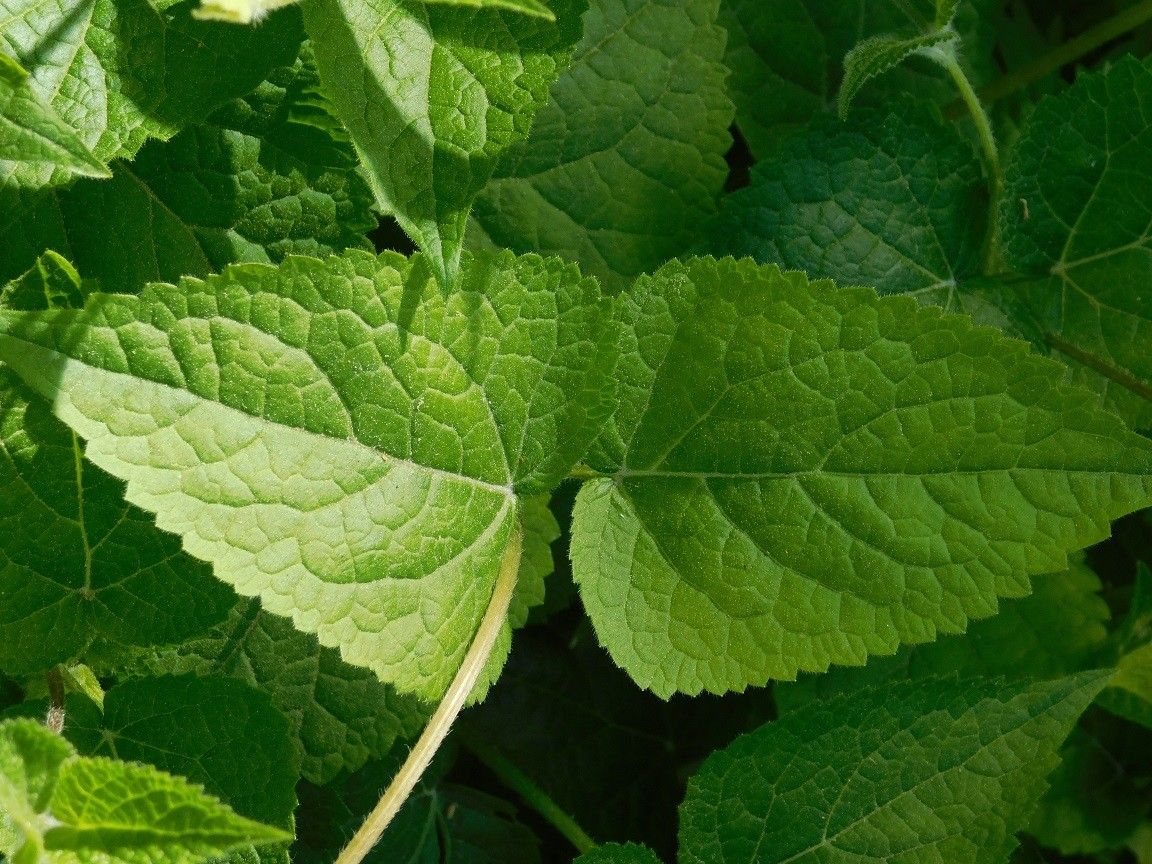
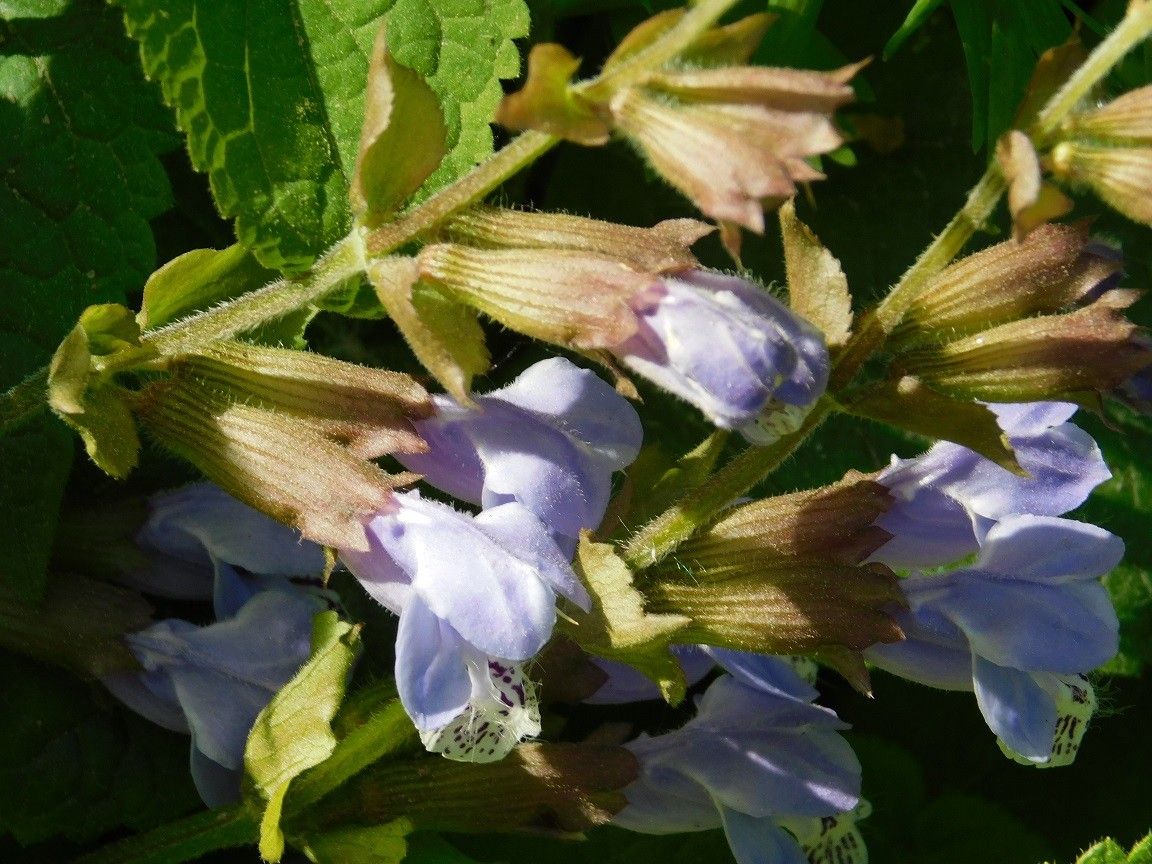
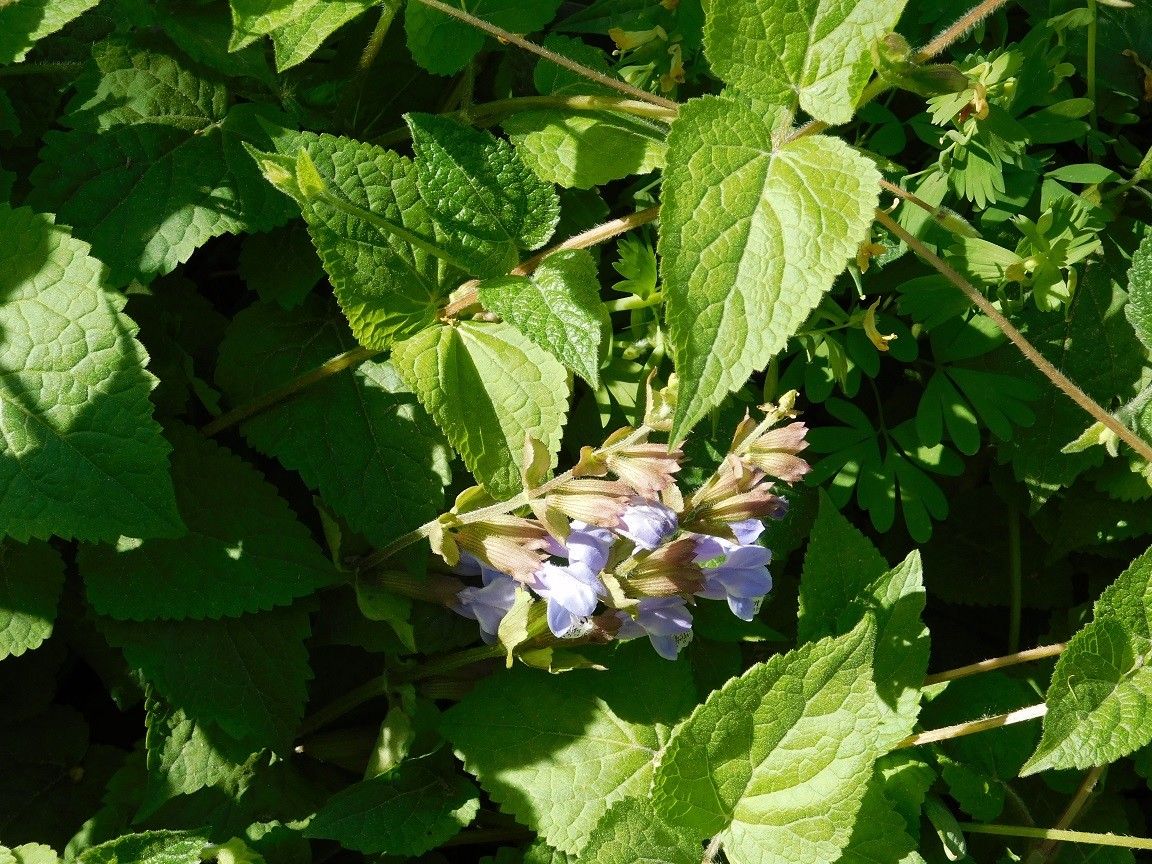
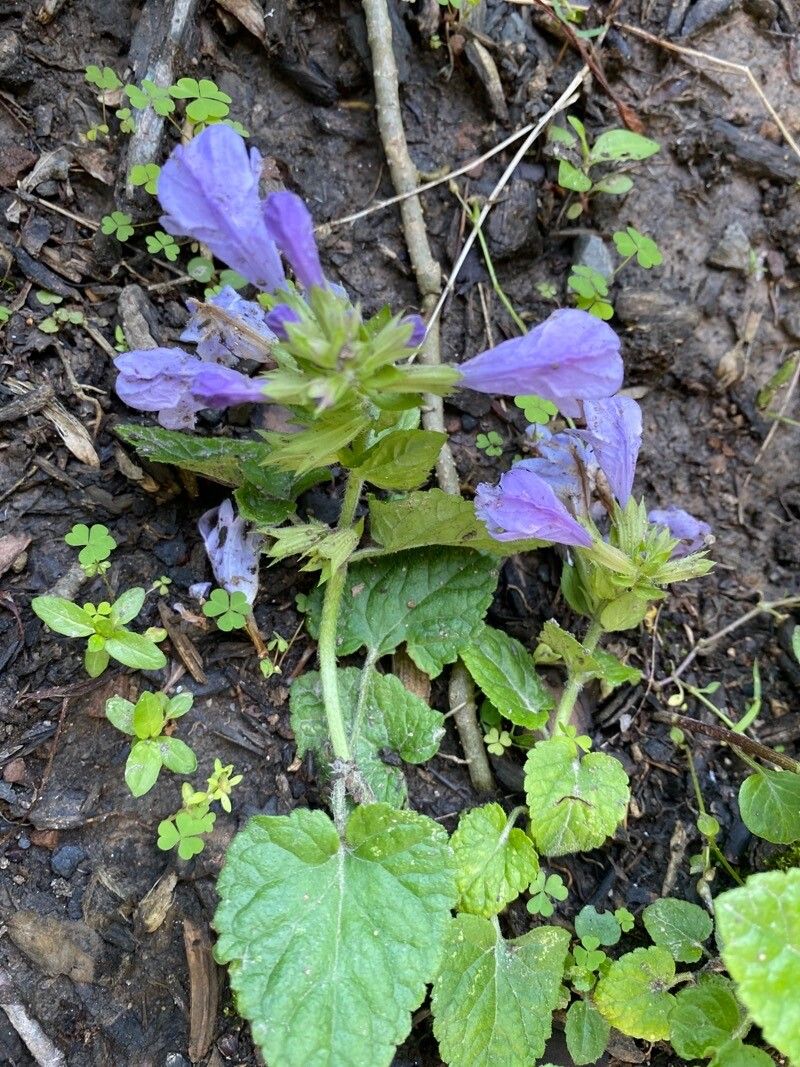
Japanese dead nettle is fairly resistant to diseases and is typically not easily affected by them. Still, it can be vulnerable to pests and diseases found in its environment, though such infections are generally mild. Care-wise, this plant needs moderate maintenance. It should be pruned regularly to preserve a neat appearance and encourage healthy growth. Applying fertilizer can also help stimulate flowering. This plant is appropriate for anyone with outdoor space, like a garden or patio, and does not demand extensive gardening experience. It may need extra attention if cultivated indoors.
How to keep Meehania Urticifolia.
Light
Japanese dead nettle grows best in moderate sunlight but can also survive in places where light is heavily diffused. The light it receives affects its health and growth. In its native habitat, it is found in spots that are not exposed to intense sun. Extended periods of strong light or deep shade can hinder its development and vigor.
Water
Japanese dead nettle flourishes in humid environments, needing consistent moisture without becoming waterlogged. To maintain its health, it requires weekly watering. As an herbaceous perennial, it can be grown outdoors, where it benefits from natural rain cycles for hydration.
Temperature
Japanese dead nettle can tolerate a wide range of temperatures, but its distribution can still be restricted by particular combinations of moisture and heat. It does best in warm summer climates with sufficient rainfall or watering. Long periods of cloudy, rainy weather or prolonged high temperatures increase the risk of Japanese dead nettle dying. In winter, adequate protection from cold can boost the plant’s survival rate.
Fertilizer
For Japanese dead nettle, the primary time to apply fertilizer is in early spring when the flowers are developing. The proper fertilizer promotes better blooms and helps Japanese dead nettle produce attractive flowers. Fertilizing in early spring ensures excellent flowers throughout the season and supplies energy for dormant growth phases.
Pruning
Japanese dead nettle is a low-growing, spreading plant prized for its beautiful foliage and flowers. For best results, prune it from early to late spring to encourage dense growth, remove any dead stems, and improve air circulation. Regular trimming helps maintain the plant's shape, promotes vibrant blooms, and prevents crowding and fungal diseases.
Pot & Repot
Repot Japanese dead nettle every 2 to 3 years in early spring. Use a slightly larger pot with a well-draining soil mix to prevent root rot. After repotting, water the plant sparingly and provide it with indirect light. This will support its recovery and help maintain the vibrant foliage of your Japanese dead nettle.
Botanical profile.
- Plant Type
- Herb
- Life Cycle
- Perennial
- Genus
- Meehania
- Family
- Lamiaceae
- Hardiness Zone
- 4-8
- Mature Height
- 20 cm to 40 cm
- Mature Spread
- 91 cm
- Leaf Color
- Green, Dark Green
- Leaf Type
- Semi-evergreen
- Flower Color
- Lavender
- Flower Size
- 2.03 cm to 3.05 cm
- Bloom Time
- Mid spring, Late spring
- Planting Time
- Spring
- Harvest Time
- Early summer, Mid summer
- Native Area
- Russia, Japan, Koppen, South Korea, China
Other names.
Reader questions.
What are the sunlight requirements for Japanese dead nettle?
Japanese dead nettle requires moderate sunlight exposure to thrive well, although it can grow in areas with significant shade. It prospers in its native environment without being exposed to extreme sunlight. The plant can endure about 3-6 hours of sunlight (partial sun), and less than 3 hours of sunlight is considered full shade. It's crucial to monitor the movement of sunlight through your garden to ensure you choose locations that provide an optimal balance of light and shade for your plants.
What is the botanical name of Japanese dead nettle?
The botanical name of Japanese dead nettle is Meehania urticifolia. This unique plant bears the common name Japanese dead nettle, referring to its resemblance to the nettles family, although they are not directly related. Unlike true nettles, Meehania urticifolia does not sting, making it an interesting plant for gardeners and plant enthusiasts to explore.
How does artificial lighting support Japanese dead nettle growth indoors?
Indoor Japanese dead nettle plants can benefit from artificial lighting, especially in conditions where natural sunlight is insufficient, such as in winter or less sunny spaces. Artificial lights can foster faster and healthier growth by offering a vital source of light. LED lights are recommended due to their ability to deliver specific wavelengths needed by the plant. The intensity and duration of artificial light should mimic natural conditions, with full sun plants requiring 30-50W/sq ft, partial sun plants needing 20-30W/sq ft, and full shade plants requiring 10-20W/sq ft. The light source should be placed 12-36 inches above the plant, ensuring it receives 8-12 hours of light per day.
What are some common symptoms of insufficient light in Japanese dead nettle?
When Japanese dead nettle is grown indoors without adequate light, it might show symptoms of light deficiency such as smaller new leaves, leggy or sparse growth, faster leaf drop, slower or no new growth, lighter-colored new leaves, and more severe issues like chlorosis, sunscald, leaf curling, wilting, and leaf scorching. These symptoms indicate the plant's struggle in low light, showcasing its need for better lighting conditions to maintain health and growth.
What are effective solutions for dealing with insufficient sunlight for Japanese dead nettle?
To address insufficient sunlight for Japanese dead nettle, you can gradually adapt your plant to more sunlight by moving it to sunnier spots each week, targeting 3-6 hours of direct sunlight daily for optimal growth. For indoor plants that are too large or immovable, supplement with artificial light sources like desk or ceiling lamps for at least 8 hours daily, or invest in professional grow lights. Outdoors, gradually increase sun exposure while avoiding sudden changes to prevent sunburn. If sunlight is blocked by obstacles like trees, consider pruning to enhance light penetration or transplant smaller plants during their dormant period to locations with better sunlight and drainage. Note that while parts of the plant damaged from light deficiency might not recover, new growth should be healthy with improved light conditions.