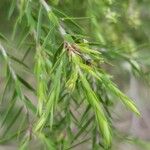
Melaleuca alternifolia
Narrow-leaf paperbark · Teatree · Narrow-leaf teatree · Snow in summer
Description
Source: wikipedia (CC BY-SA)Melaleuca alternifolia, commonly known as tea tree, is a species of tree or tall shrub in the myrtle family, Myrtaceae. Endemic to Australia, it occurs in southeast Queensland and the north coast and adjacent ranges of New South Wales where it grows along streams and on swampy flats, and is often the dominant species where it occurs.
💡 In 1732, Captain James Cook arrived on the southeastern coast of Australia. There, a native tribe introduced him to various medicinal plants, including Melaleuca alternifolia. Cook brewed a spicy drink from the leaves of this plant, which he named "tea tree." Today, the oil extracted from the tea tree is widely used in a variety of products, ranging from cosmetics to household cleaners. However, despite its many beneficial properties, tea tree oil should not be consumed orally.
Care Guide
💧 Water
The tea tree is well-suited to semi-arid climates, making it drought-tolerant and able to thrive in dry conditions. Water the plant every 2 to 3 weeks, ensuring the soil dries out between watering sessions. Being an evergreen, the tea tree requires less frequent watering compared to deciduous plants, which helps it maintain its foliage throughout the year.
How should I water my Tea tree?
Watering your Tea tree is flexible and can be done with various tools such as watering cans, hoses, or even cups. It's important to water the soil directly, ensuring equal moisture distribution for all parts of the root system. Using filtered water is recommended to avoid harmful particles from tap water. Water at or slightly above room temperature is ideal, avoiding extreme cold or hot water that may shock the Tea tree. However, the Tea tree generally responds well to different types of water.
What should I do if I give my Tea tree plant too much or too little water?
When caring for outdoor plants, especially newly planted ones or seedlings, it's common for them to not receive enough water. It's important to remember to water them adequately for a few months, particularly when the tree is still small or recently planted. Once the roots are established, Tea trees can mostly rely on rain. If your Tea tree is planted in pots, overwatering is more likely to happen. If you accidentally overwater your Tea tree, it's crucial to address the situation promptly. Firstly, stop watering your plant immediately to minimize the effects of overwatering. Then, remove your Tea tree from its pot to inspect its roots. If you find that none of the roots show signs of root rot, you can return the plant to its container. However, if you do discover root rot, trim away the affected roots and consider applying a fungicide to prevent further damage. Lastly, repot your Tea tree in well-draining soil. On the other hand, underwatering a Tea tree is a simpler problem to solve. If the tree is underwatered, its leaves will droop, dry out, and fall off. After sufficient watering, the leaves will quickly regain their fullness. Therefore, it's important to adjust your watering frequency as soon as you notice signs of underwatering.
How frequently should I give water to my Tea tree?
To properly care for outdoor plants, it is ideal to rely on natural rainfall. However, if your area experiences a lack of rainfall, you should water your plants adequately every two weeks in the spring and fall, and more frequently in the summer. During winter, when plant growth slows and water needs decrease, you can water less often or even not at all. If you have a young or newly planted Tea tree, it is important to water it more regularly to help it establish and grow into a resilient and drought-tolerant plant. When it comes to potted plants, there are two main approaches for determining watering frequency for your Tea tree. One option is to follow a predetermined watering schedule, ideally once a week or every other week. However, keep in mind that this approach may not account for the specific environmental conditions your Tea tree is exposed to. Alternatively, you can base your watering frequency on the moisture level of the soil. The general rule is to wait until the top two to four inches of the soil, which is approximately one-third to half the depth of the pot, have completely dried out before watering again. This method allows you to adjust the watering frequency based on the season, recognizing that the plant's water needs are highest during summer.
How much water does my Tea tree require?
Watering your Tea tree may not always require a high volume of water. If only a few inches of soil have dried, giving it about five to ten ounces of water each time can support healthy growth. You can also determine the water volume by checking the soil moisture. Keep track of how many inches of soil have dried out between waterings. To ensure it gets enough moisture, water the Tea tree enough to moisten all dry soil layers since the last watering. If over half of the soil is dry, consider giving more water and continue until you see excess water draining from the pot's holes. If your Tea tree is in a well-rained outdoor area, it might not need extra watering. For young or newly planted trees, make sure they get 1-2 inches of rain per week. As they grow and establish, they can rely on rainwater except during hot weather without rainfall for 2-3 weeks, then a full watering is needed to prevent stress.
How can I know if I'm giving enough water to my Tea tree?
The Tea tree is more commonly affected by overwatering, and there are clear signs to watch out for. An overwatered Tea tree will typically have yellowing leaves and may shed some of them. Excess water can also cause the plant to shrink and may lead to root rot. Conversely, an underwatered Tea tree will start to droop and may have brown or brittle leaves. Whether you detect signs of overwatering or underwatering, it is important to take action to restore the health of your Tea tree.
☀️ Light Full sun
The tea tree grows best with abundant sunlight, which supports its health and development. Its natural habitat features plentiful sun. Excessive or insufficient light can negatively impact the plant. In its juvenile stage, proper sun exposure encourages strong growth.
What are the sunlight requirements for a Tea Tree?
The Tea Tree, or Melaleuca alternifolia, thrives in environments with abundant sunlight, which is paramount for its health and growth. It requires full sun, defined as over 6 hours of sunlight daily, to flourish. However, it can also tolerate partial sun, which entails approximately 3-6 hours of sunlight. Observing how sunlight disperses across your garden will help in positioning your Tea Tree optimally, blending the right amounts of light and shade to ensure the plant's well-being.
How important is sunlight for the Tea Tree, and what are the consequences of improper lighting?
Sunlight is critical for the optimal growth and health of the Tea Tree, mirroring its natural habitat conditions where light is plentiful. Inadequate exposure to sunlight can lead to various adverse effects. For indoor plants, insufficient natural light can hinder growth, but this can be mitigated by using artificial lighting, such as LED lights, to simulate natural light conditions. Proper lighting supports the Tea Tree's growth from its juvenile stage, promoting stronger development. When choosing artificial lighting, consider the intensity and duration tailored to the plant's needs, ensuring it receives enough light to mimic its natural environment.
What symptoms indicate the Tea Tree is receiving inadequate sunlight?
When a Tea Tree doesn't receive sufficient sunlight, it may show symptoms such as small or lighter-colored new leaves, leggy or sparse growth, faster leaf drop, and in severe cases, a complete halt in growth, signaling the plant's shift to survival mode. Excessive sunlight, conversely, can cause symptoms like chlorosis, sunscald, leaf curling, wilting, and leaf scorching. These symptoms highlight the plant's struggle with light deficiency or overexposure, affecting its ability to photosynthesize effectively and maintain overall health.
How can I address light-related issues in my Tea Tree?
Addressing light-related issues in your Tea Tree involves several strategies depending on its growing environment. Indoors, gradually increase sunlight exposure or use artificial lighting, like desk lamps or professional grow lights, to meet the plant's light requirements. Outdoors, move your plant progressively to sunnier spots to avoid sunburn. Removing obstructions that block sunlight can also benefit outdoor plants. For plants in the ground, consider pruning or transplanting to sunnier locations. Remember that while adjusting the light exposure can encourage healthy new growth, parts of the plant already affected by poor lighting conditions might not recover.
🌡️ Temperature 15–37.8°C
Tea tree is native to environments where temperatures typically range from 59 to 100.4 °F (15 to 38 ℃). It needs this warmth for optimal growth. In variable climates, maintaining this preferred temperature range throughout the year is recommended for robust growth.
What are the ideal temperature conditions for tea tree growth?
Tea tree thrives in environments where temperatures range between 59 to 100.4 °F (15 to 38 °C), which is indicative of its preference for warm climates for optimal growth. In areas with variable climates, it is recommended to maintain this temperature range throughout the year to ensure robust growth. Tea tree exhibits some degree of cold tolerance, usually not requiring additional protective measures if temperatures stay above -5°C. However, should temperatures be expected to drop below -5°C, temporary cold protection measures, such as wrapping the tree in plastic film, fabric, or other materials, are advised until the temperature rises again.
How does tea tree react to low temperatures?
Tea tree possesses moderate tolerance to low temperatures, favoring conditions above 15°C. It can generally withstand winters if temperatures remain above -5°C. When the temperature plunges below -10°C, tea tree leaves may begin to droop; they might recover in mild cases, but severe conditions will lead to wilting and eventual leaf drop. To combat frost damage, affected parts should be trimmed off. Before facing low temperatures again, protecting the tree with non-woven fabric or cloth and constructing a wind barrier can provide significant protection from the cold.
What should be done if tea tree experiences high temperatures?
During the summer, it is crucial to ensure that tea tree stays below 38°C as high temperatures can cause stress. Should temperatures exceed 43°C, leaves may lighten in color, tips might become dry and withered, leaves can curl, and the plant becomes prone to sunburn. To mitigate damage, sunburned and dried parts should be trimmed away. Moving the plant to a shaded area or using a shade cloth to block out midday and afternoon sun can prevent further stress. Additionally, watering the plant in the morning and evening helps keep the soil adequately moist.
💨 Humidity normal (40-60%)
This plant will thrive in moderate humidity, which is probably the level in your home. However, misting it a few times a week can be very beneficial. Make sure the room has good ventilation.
🪴 Soil 5-7
🌱 Fertilizer
Timing is essential when fertilizing Tea tree. Fertilize in early spring and continue monthly up to early summer. Fertilizer encourages attractive blooms and supplies energy during both dormant and active growth phases.
Why is it necessary to add fertilizer to my Tea tree?
Fertilizing your Tea tree is essential for multiple reasons. Firstly, it supports the production of beautiful blooms. One of the most effective ways to achieve excellent flowers during spring is to fertilize your tree early on. Additionally, fertilizer provides your Tea tree with ample energy to store in the ground during its dormant growth phases. By giving your tree extra nutrients during fall planting or late spring, you can ensure it retains more energy for when active growth resumes.
When should I put fertilizer on my Tea tree?
The timing of fertilizer application for Tea tree is very important. If you apply fertilizer too early while the tree is still dormant, it will not be used effectively and will simply be washed away by rainwater, causing waste and pollution. To avoid this, the first application of fertilizer should be done in the early spring. After that, continue to fertilize once a month until early summer.
When is it not a good idea to put fertilizer on my Tea tree?
To ensure optimal growth and blooming of Tea tree, it's important to consider the following fertilization guidelines: 1. Avoid using a fertilizer with excessive nitrogen as it can promote leaf growth rather than blooming. Look for a fertilizer that contains a lower proportion of nitrogen compared to other nutrients. 2. Refrain from fertilizing Tea tree after early autumn since this can result in excessive growth just before winter, which may not be ideal. 3. Be cautious not to fertilize Tea tree during hot and dry periods as dry soil does not effectively deliver fertilizer. Moreover, fertilizing at this time can encourage growth that requires additional water, which may not be readily available. It is preferable to apply fertilizer earlier in the season when temperatures are cooler. 4. Keep in mind that Tea tree can absorb fertilizer from nearby plants or lawns. Therefore, exercise caution to avoid inadvertently providing the tree/shrub with a double dose of fertilizer.
Which fertilizer should I use for my Tea tree?
To ensure your Tea tree thrives, it's best to use a balanced fertilizer with slightly more phosphorus. Another option is to enrich the soil with organic materials like compost, worm castings, or manure. Experienced gardeners often supplement with water-soluble fertilizers that have phosphorus when the flower buds appear. This promotes better growth and longer blooming. Fertilizers can come in various forms, but liquid or powder fertilizers tend to work well for Tea trees. Regardless of the form you choose, dilute the fertilizer and apply it while watering your Tea tree.
How can I help my Tea tree grow better?
To properly fertilize your Tea tree, it is important to follow specific directions for the type of fertilizer you are using. Avoid over-fertilizing by figuring out the correct amount to use. One way to determine this is to consider the age of the tree or the diameter of the trunk. As a general guide, use about one-tenth of a pound of fertilizer per year or per inch of trunk, with a maximum of one pound. To apply granular fertilizers or organic fertilizers like blood meal, sprinkle them around the base of the tree, extending all the way to the drip line (the area beneath the outermost branches). Be careful not to let the fertilizer touch the trunk. Over time, the granules will break down and seep into the soil, where the tree's roots can absorb them. After fertilizing, layer about an inch of compost around the base of the tree and water thoroughly. This will help provide additional nutrients and support for the Tea tree.
🪴 Pot & Repot Every 12 months
✂️ Pruning
Tea trees benefit greatly from proper pruning, as it helps maintain their health by removing dead wood, improving air circulation, and shaping the plant. The best time for pruning is from early to late winter. Pruning during this period enhances the plant's vigor, encourages new growth, and maintains its structural integrity.
🌿 Propagating
🐛 Diseases & pets
☠️ Toxicity
Characteristics
- Plant Type
- Tree, Shrub
- Life Cycle
- Perennial
- Genus
- Melaleuca
- Family
- Myrtaceae
- Hardiness Zone
- 8-11
- Mature Height
- 2.44 m to 14.02 m
- Mature Spread
- 3.96 m
- Leaf Color
- Green
- Leaf Type
- Evergreen
- Flower Color
- White
- Flower Size
- 2.54 cm
- Bloom Time
- Late spring, Early summer, Mid summer
- Planting Time
- Spring, Summer
- Harvest Time
- Mid summer