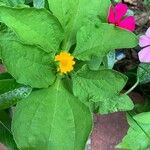
Melampodium divaricatum
Blackfoot · Goldenbutton · Boton de oro · Butter Daisy
Description
Source: leafsnapMelampodium divaricatum, commonly known as Blackfoot Daisy, is a perennial plant that belongs to the Asteraceae family. It is native to the southwestern United States and northern Mexico. The plant typically grows 1 to 2 feet tall and 2 to 3 feet wide, with a spreading habit. Its leaves are small, narrow, and gray-green in color. The Blackfoot Daisy produces numerous small white flowers with yellow centers that bloom from spring through fall. These flowers are about an inch in diameter and have a daisy-like appearance. This plant prefers full sun exposure but can tolerate partial shade. It requires well-drained soil and moderate watering once established. Blackfoot Daisy is an excellent choice for rock gardens or as ground cover due to its low-growing habit and drought tolerance. It attracts pollinators such as bees, butterflies, and hummingbirds, making it an ideal addition to wildlife gardens. Overall, Melampodium divaricatum is a beautiful, low-maintenance perennial that adds color to any garden while also providing ecological benefits for pollinators in the area where it grows.
🌳 Melampodium shows unexpected versatility beyond its ornamental role, acting as a bioindicator of soil health and quality. This little-known function reveals the plant's ability to signal environmental conditions and to inform ecosystem management, yet this application remains an underexplored area in botany.
Care Guide
💧 Water Every 7 days
Melampodium thrives in environments that mimic the tropics, with high humidity and consistent moisture levels. Water the plant weekly, ensuring it has brief dry periods. For indoor plants, misting helps increase humidity, promoting vibrant foliage and flowering during the growing season. It's important to strike a balance between keeping the plant sufficiently moist and allowing it to develop resilience to drought.
How should I water my Melampodium plant?
Here are simpler instructions on how to water Melampodium plants: For watering Melampodium plants in the ground, you can use a garden hose, watering can, or any other common watering tool. They are not too picky about the water source, so rainwater, tap water, or filtered water will all work fine. However, it's best to avoid watering them from above to prevent damage to the leaves, flowers, and potential diseases. Instead, setting up a drip irrigation system is often the most effective method as it applies water evenly and directly to the soil. For watering Melampodium plants in containers, you can follow a similar approach but with different tools. Use a cup, watering can, or tap to apply water directly to the soil in the container.
What do I need to do if I give my Melampodium too much water or not enough water?
The solution for underwatering Melampodium is simple: when you see that your plant needs more water, start watering it regularly. On the other hand, overwatering can be a serious issue, especially if not addressed early. This can lead to diseases and ultimately the decline and death of the plant. To prevent this, it's important to choose a suitable location for your Melampodium that gets enough sunlight to dry the soil and has good drainage to avoid waterlogging. If you have overwatered a potted Melampodium, it might be necessary to switch it to a new pot with better drainage. When repotting, use loose soil and ensure the new pot drains efficiently.
How frequently should I give water to my Melampodium?
Melampodium requires regular watering throughout the growing season. In the spring, it is recommended to water the plant once a week. As the season progresses and it gets warmer, you may need to increase the watering frequency to two to three times per week. However, exceeding this watering rate can be harmful to the plant. It is important to keep the soil relatively moist but not overly wet, regardless of how often you water. When watering Melampodium in a pot, you need to water more frequently compared to plants in the ground. This is because the soil in a pot can heat up and dry out quicker. In most cases, you should water a potted Melampodium a few times per week, whereas an in-ground plant only needs to be watered once a week.
How much water does my Melampodium plant need?
To determine how much water to give your Melampodium, there are a few approaches you can take. Some gardeners prefer to gauge the soil's moisture level by touch. This method suggests watering until the top six inches of soil feel damp. Alternatively, you can use a specific measurement as a guideline. Typically, Melampodium requires about two gallons of water per week, depending on the temperature and how quickly the soil dries out. However, following strict guidelines can result in overwatering if your plant needs less water for any reason. If you are growing Melampodium in a container, you will need to adjust your watering technique. In this case, water enough to moisten all layers of dry soil. You can test this by sticking your finger into the soil to check for moisture or watering until a slight excess of water drains out of the pot's drainage holes.
How can I know if I'm giving enough water to my Melampodium plant?
Avoiding overwatering your Melampodium can be challenging due to its deep root system, which requires weekly moistening of the soil. However, these plants are highly prone to root rot and browning when overwatered. In contrast, underwatering is less of a concern as Melampodium can survive for some time without additional watering. Nevertheless, if you wait too long to water this plant, it will start to wilt and its leaves may become dry.
☀️ Light Full sun
Melampodium needs abundant light and performs best in locations with the strongest sunlight. It can also tolerate partly sunny conditions. However, too little light or excessively intense sun can impede its growth and development. In its native range, the plant is commonly found in areas that receive substantial sun exposure.
What are the sunlight requirements for Melampodium?
Melampodium thrives in conditions where it can receive ample light exposure, preferably in full sun which means above 6 hours of sunlight daily. However, it can also tolerate partially sunny conditions, approximately 3-6 hours of sunlight. It's essential to observe how sunlight moves through your garden to choose spots that provide a balance of light and shade, ensuring plant health. In its native habitats, Melampodium is accustomed to substantial solar exposure.
How can artificial lighting be used for Melampodium when natural light is insufficient?
When natural sunlight is insufficient for Melampodium, especially during winter or in less sunny spaces, artificial lighting can be a vital solution. Indoor plants benefit from the right type of artificial light, like LED lights, which can be adjusted to provide specific light wavelengths needed by the plants. Full sun plants require 30-50W/sq ft, partial sun plants need 20-30W/sq ft, and full shade plants need 10-20W/sq ft of artificial light. The artificial light source should be placed 12-36 inches above the plant and provided for 8-12 hours per day to mimic natural sunlight conditions.
What are the symptoms of light deficiency or excessive sunlight in Melampodium?
Melampodium shows several symptoms when exposed to inadequate light or excessive sunlight. Light deficiency symptoms include smaller new leaves compared to older ones, leggy or sparse growth, faster leaf drop, slower or no new growth, and lighter-colored new leaves. Excessive sunlight can cause chlorosis, sunscald, leaf curling, wilting, and leaf scorching. Chlorosis involves leaf color loss due to chlorophyll breakdown, impacting the plant's photosynthesis. Sunscald manifests as damaged plant tissues from intense sunlight, while leaf curling, wilting, and scorching result from overexposure to sunlight.
What are the solutions for managing light conditions for Melampodium?
To manage light conditions for Melampodium, gradually move the plant to sunnier locations each week until it receives at least 6 hours of direct sunlight daily. Use south-facing windows for maximum sunlight and keep curtains open. If the plant is large or not easily movable, consider artificial lights like a desk or ceiling lamp on for at least 8 hours a day, or invest in plant grow lights. For outdoor plants, adjust their location gradually to prevent sunburn. Minimize obstructions like branches or buildings that block sunlight, and for smaller plants, consider transplanting during their dormant period to a location with ample sunlight and good drainage. Note that parts of the plant affected by insufficient light may not recover, but new growth should be healthy once light exposure is improved.
🌡️ Temperature 15–35°C
Melampodium is a plant that flourishes in its native temperate climate, preferring average temperatures of 68 to 95 °F (20 to 35 °C). In extreme weather, temperature adjustments are suggested to maintain this preferred range for optimal growth.
What is the ideal temperature range for Melampodium?
Melampodium thrives best in its native temperate climate, with an ideal temperature range between 68 to 95 °F (20 to 35 °C). This plant has some cold tolerance and generally does not require extra protection when temperatures are above 0°C. However, if temperatures are expected to drop below freezing, temporary measures should be taken, such as wrapping the plant with plastic film or fabric, to protect it from cold damage. Once temperatures rise again, these protections should be removed to maintain optimal growth conditions.
How should Melampodium be cared for in low temperatures?
Melampodium has a moderate tolerance to low temperatures but thrives when the temperature is above 20°C. During winter, it's important to ensure that the plant is kept above 0°C. If temperatures fall below -10°C, you might notice the leaves starting to droop. In milder cases, the plant can recover, but in severe cases, leaves may wilt and fall off. If frost damage occurs, trim off the damaged parts. To prepare for low temperatures, wrap the plant with materials such as non-woven fabric or cloth, and set up a wind barrier to protect it from cold winds.
What steps should be taken to protect Melampodium from high temperatures?
During the summer, it is crucial to keep Melampodium below 35°C to avoid heat stress. Should the temperature exceed 41°C, you may notice the leaves turning a lighter color, drying, and curling at the tips, indicating the plant is experiencing stress and may become susceptible to sunburn. In such cases, trim away any sunburned or dried parts of the plant. To protect the plant from the harsh midday and afternoon sun, move it to a shaded location or use a shade cloth. Additionally, water the plant in the morning and evening to ensure the soil remains moist, helping the plant cope with high temperatures.
💨 Humidity
🪴 Soil 6-7
🌱 Fertilizer
When most of Melampodium’s blooms have fully opened, resume fertilizing. At the height of flowering, feed it every three to four weeks, as weather allows. Then, once Melampodium begins to produce fewer new blooms, stop fertilizing; there's no point in feeding the plant when it can no longer produce more flowers.
Why should I add fertilizer to my Melampodium?
Plants, including Melampodium, require nutrients to survive and gardeners are well aware of this. Without the proper nutrients, Melampodium will die shortly after its first pollination. To ensure its continuous blooming season and the production of large, beautiful flowers, it is crucial to provide the right type and amount of nutrients. Fertilizer is particularly helpful for Melampodium as it aids in developing a robust and healthy root system. Given that the plant naturally has a thin and vulnerable root structure, fertilizing during planting is essential for establishing a strong foundation that not only adds stability but also enhances its flowering potential. Appropriately timed fertilization can significantly prolong the flowering period of Melampodium.
When should I fertilize my Melampodium?
Melampodium experiences rapid growth in the early part of the growing season, once the danger of the last frost has passed. It is recommended to fertilize Melampodium during this time, specifically during planting. Whether you choose to plant it in the ground or in planters, this initial fertilization is crucial. This will be the only time you need to fertilize until later in the year, when the blooms are at their fullest. Once the season is in full swing and most of the Melampodium blooms have reached their full size, it is time to resume fertilizing. Start this around the time when the blooms are at their peak and apply fertilizer once every three to four weeks, depending on the weather conditions. However, once the plant begins to produce fewer new blooms, stop fertilizing. There is no need to fertilize when the plant no longer has the capacity to produce more blooms.
When is the best time to not put fertilizer on my Melampodium?
Regular fertilizing is important for Melampodium, but it can be applied at the wrong time. In some situations, it's best to hold back on fertilizer. These situations are usually climate-related, but they can also depend on various controllable factors. The general idea is to wait until any problems with the plant, soil, or climate are resolved and the plant has recovered. For instance, if there are extreme or unexpected changes in the weather, it is not recommended to fertilize. Let's say a cold snap occurs in the middle of summer; in that case, it's better to wait until it gets warm again before starting fertilization. Similarly, if the soil becomes too dry or compacted to absorb anything, it's not a good time to fertilize. The fertilizer would bypass the soil and go straight to the roots, which Melampodium roots don't like. Avoid applying fertilizer when temperatures reach the 90-degree Fahrenheit range during the hottest parts of the day. At high temperatures, fertilizer can break down too quickly, so it's important to avoid this. Additionally, it's essential to treat any pests or diseases before re-fertilizing.
What kind of fertilizer should I use for my Melampodium plant?
Most types of Melampodium require a balanced nutrient supply from fertilizer. To achieve this, it is recommended to use a fertilizer specifically formulated for high-yield blooming plants. Opt for a fertilizer with a higher phosphorus level, indicated by a higher P number in its NPK number (e.g., 10-30-10). Many fertilizer brands offer suitable options for blooming plants like Melampodium, which provides the necessary nutrients easily and without hassle. If you choose to use a pre-mixed fertilizer, make sure to follow the instructions on the package to avoid over or under-fertilization, as both can lead to poor growth or even wilting of the plant.
How do I make my Melampodium grow better?
The fertilizing instructions for Melampodium may vary depending on the type of fertilizer you have. However, there are some general tips to follow. When you first plant Melampodium, mix the recommended amount of fertilizer into the soil and water the plant. For subsequent fertilizing, the process may change slightly. For pellet fertilizers, mix them into the top inch of soil around the outer edge of the plant and water thoroughly. Other fertilizers can be mixed with water in a watering can and applied as a regular watering. Follow the instructions on the fertilizer packaging, but if you prefer a regular schedule, aim for fertilizing every three to four weeks.
🪴 Pot & Repot
✂️ Pruning
For better growth and flowering of melampodium, prune the plants from early to late spring. Trim away any dead stems and do some light shaping to encourage bushiness. Avoid heavy pruning while the plants are blooming to protect the flowers. This practice not only promotes a healthy garden display but also improves air circulation and helps prevent disease.
🌿 Propagating
🐛 Diseases & pets
☠️ Toxicity
Characteristics
- Plant Type
- Herb
- Life Cycle
- Annual
- Genus
- Melampodium
- Family
- Asteraceae
- Hardiness Zone
- 8-10
- Mature Height
- 15 cm to 91 cm
- Mature Spread
- 30 cm to 61 cm
- Leaf Color
- Green
- Leaf Type
- Semi-evergreen
- Flower Color
- Yellow
- Flower Size
- 2.54 cm to 7.62 cm
- Bloom Time
- Late spring, Summer
- Planting Time
- Spring, Summer
- Harvest Time
- Summer, Early fall
- Native Area
- Colombia, Belize, Cuba, Honduras, Mexico, Guatemala, Bolivia, Venezuela, El Salvador, Nicaragua, Costa Rica, Panama