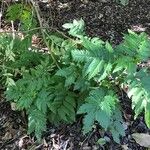
Melianthus comosus
Tufted honey-flower · Honey flower · Touch-me-not
Description
Source: leafsnapMelianthus comosus, the honey flower, is a species of flowering plant in the family Francoaceae. It is native to the mostly dry regions of southern Africa. The attractive multi-stemmed shrubs are popular garden subjects. The Afrikaans name kruidjie-roer-my-nie (herb-touch-me-not) alludes to the unpleasant smell that results from bruising of any part of the plant. The vegetative parts are very toxic, as with other Melianthus species, and extracts of the leaves and stem have anti-bacterial properties.
Care Guide
💧 Water
The honey flower, native to regions with seasonal rainfall, thrives with consistent moisture and can tolerate moderate drought once it is established. Watering twice a week simulates its natural cycle. Using rainwater for irrigation can enhance nutrient absorption and promote healthy growth during its active growing season.
☀️ Light Full sun
Honey flower is native to open habitats like sunlit meadows and forest edges that offer abundant light. It grows best in full sun but will also tolerate partial sun, adapting well to different sunlight levels.
🌡️ Temperature 20–37.8°C
Honey flower is reasonably adaptable to temperature, capable of withstanding high heat and fairly large temperature swings. In hot conditions, attention should be given to watering and providing adequate shade to avoid sunburn. However, Honey flower is not very tolerant of low temperatures. While it can endure some cold, overly cold conditions can cause frost damage.
💨 Humidity
🪴 Soil 6-8
🌱 Fertilizer
The timing of fertilization is essential for Honey flower. Apply fertilizer in early spring and repeat monthly until early summer. Fertilizer promotes attractive blooms and supplies energy both during dormancy and active growth.
🪴 Pot & Repot
✂️ Pruning
The Honey Flower boasts attractive, nectar-rich blooms and lush foliage. To encourage growth and improve air circulation, prune the plant in early spring by trimming any damaged stems just above a bud. Regular pruning helps to maintain the plant's size and vigor, enhancing its overall appearance. Be sure to use clean tools to prevent the spread of disease.
🌿 Propagating
🐛 Diseases & pets
☠️ Toxicity
Characteristics
- Plant Type
- Shrub
- Life Cycle
- Perennial
- Genus
- Melianthus
- Family
- Francoaceae
- Hardiness Zone
- 9-11
- Mature Height
- 2.13 m to 3.05 m
- Mature Spread
- 1.52 m to 2.13 m
- Leaf Color
- Green
- Leaf Type
- Semi-evergreen
- Flower Color
- Red
- Flower Size
- 1.02 cm to 2.03 cm
- Bloom Time
- Mid spring, Late spring, Early summer
- Planting Time
- Spring, Summer, Autumn
- Harvest Time
- Mid summer, Late summer, Early fall
- Native Area
- South Africa, Namibia, Lesotho