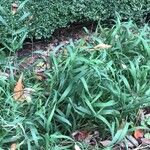
Melica altissima
Siberian melic · Tall melic · Siberian melicgrass · Narrow melicgrass
Description
Source: leafsnapMelica altissima, commonly known as Siberian melic grass or dark purple Siberian melic, is a species of plant in the grass family, Poaceae. It has been naturalized in North America, in Ontario, Oklahoma and New York.
Care Guide
💧 Water Twice per week
☀️ Light Partial sun
What are the sunlight requirements for Siberian melicgrass?
Siberian melicgrass thrives best under full sun, ideally receiving more than 6 hours of direct sunlight daily, although it can also grow in partial sun, with about 3-6 hours of sunlight. It is crucial to observe the movement of sunlight through your garden to find the optimal balance of light and shade that ensures the well-being of your plants. In its native habitat, Siberian melicgrass is accustomed to ample sunlight exposure, which significantly contributes to its healthy growth. However, both insufficient and excessive sun exposures can negatively impact its growth, potentially leading to damage or stunted development.
How to ensure Siberian melicgrass receives adequate lighting indoors?
For indoor Siberian melicgrass that lacks natural sunlight, especially in winter or less sunny spaces, artificial lighting can be a valuable resource to promote healthy growth. Opting for the right type of artificial light is important, with LED lights being a popular choice because they can provide specific wavelengths needed by plants. Full sun plants like Siberian melicgrass should receive 30-50W/sq ft of artificial light, positioned 12-36 inches above the plant to mimic natural sunlight. Additionally, adjusting the artificial light's duration to mimic natural daylight hours, which is typically 8-12 hours per day, can further benefit plant health and growth.
What are the symptoms of inadequate lighting in Siberian melicgrass?
Symptoms of light deficiency in Siberian melicgrass can manifest as smaller new leaves compared to older ones, leggy or sparse growth, increased leaf drop, slowed or halted new growth, and paler leaves indicating a lack of chlorophyll and essential nutrients. Conversely, symptoms of excessive sunlight exposure include chlorosis, where leaves lose their green color, sunscald resulting in pale or necrotic plant tissue, leaf curling as a defense mechanism against excessive sunlight, wilting due to increased water loss, and leaf scorching characterized by brown or crispy leaf edges.
How to manage light exposure for Siberian melicgrass?
To optimize light exposure for Siberian melicgrass, gradually introduce the plant to sunnier locations until it receives the desired amount of direct sunlight, ideally at least 6 hours daily. For indoor plants, consider the use of south-facing windows or artificial lighting solutions like desk lamps or professional grow lights for at least 8 hours a day. For outdoor plants, ensure a gradual transition to sunnier spots to avoid sunburn. In cases where sunlight is blocked by obstacles such as trees, pruning or transplanting during the plant's dormant period may be necessary to ensure adequate sun exposure. However, it's important to note that parts of the plant already affected by insufficient sunlight may not recover, but new growth should be healthy with improved light conditions.
🌡️ Temperature 0–32.2°C
Water whorlgrass is adapted to environments with temperatures from 32 to 90 °F (0 to 32 °C). It can tolerate seasonal fluctuations within that range, but requires cooler conditions in winter. Extra care should be taken at the temperature extremes.
💨 Humidity
🪴 Soil
🌱 Fertilizer
🪴 Pot & Repot
✂️ Pruning
Siberian melicgrass is a tall, clump-forming perennial known for its elegant flower spikes. To encourage new growth and keep the plant looking tidy, prune it in early spring by trimming the old stems down to ground level. Be sure to use sharp, sanitized tools to prevent the spread of disease.
🌿 Propagating
🐛 Diseases & pets
☠️ Toxicity
Characteristics
- Plant Type
- Grass
- Life Cycle
- Perennial
- Genus
- Melica
- Family
- Poaceae
- Hardiness Zone
- 3-7
- Mature Height
- 61 cm
- Mature Spread
- 3 cm
- Leaf Color
- Light Green, Pale Green
- Leaf Type
- Semi-evergreen
- Flower Color
- Yellow, Green, Purple, Brown
- Flower Size
- 10.16 cm to 20.32 cm
- Bloom Time
- Summer
- Planting Time
- Spring, Summer
- Harvest Time
- Late summer, Early fall, Mid fall
- Native Area
- Libya, Turkey, Sweden, India, Austria, Slovakia, Montenegro, Pakistan, Slovenia, Morocco, Croatia, Belarus, Uzbekistan, Russia, Iraq, Germany, Iceland, Estonia, Romania, Latvia, Belgium, Netherlands, France, Tajikistan, Czech Republic, Bulgaria, Armenia, Poland, Greece, Ukraine, Serbia, Lebanon, Lithuania, Norway, Colombia, China, Syria, Afghanistan, Kyrgyzstan, Kazakhstan, Italy, Spain, Switzerland, Denmark, Mongolia, Finland, Iran, Albania, Ireland, United Kingdom, Hungary, Algeria, Azerbaijan, Turkmenistan