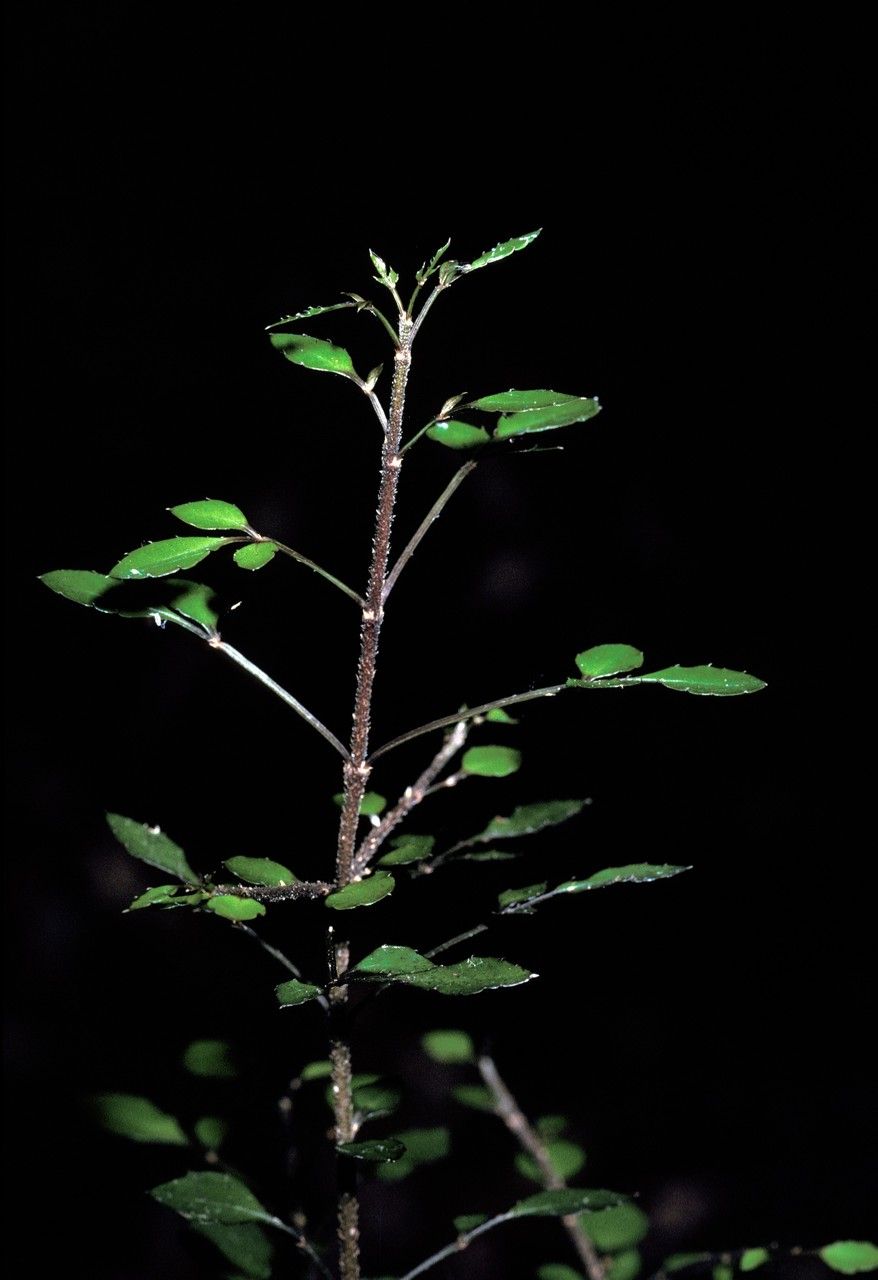
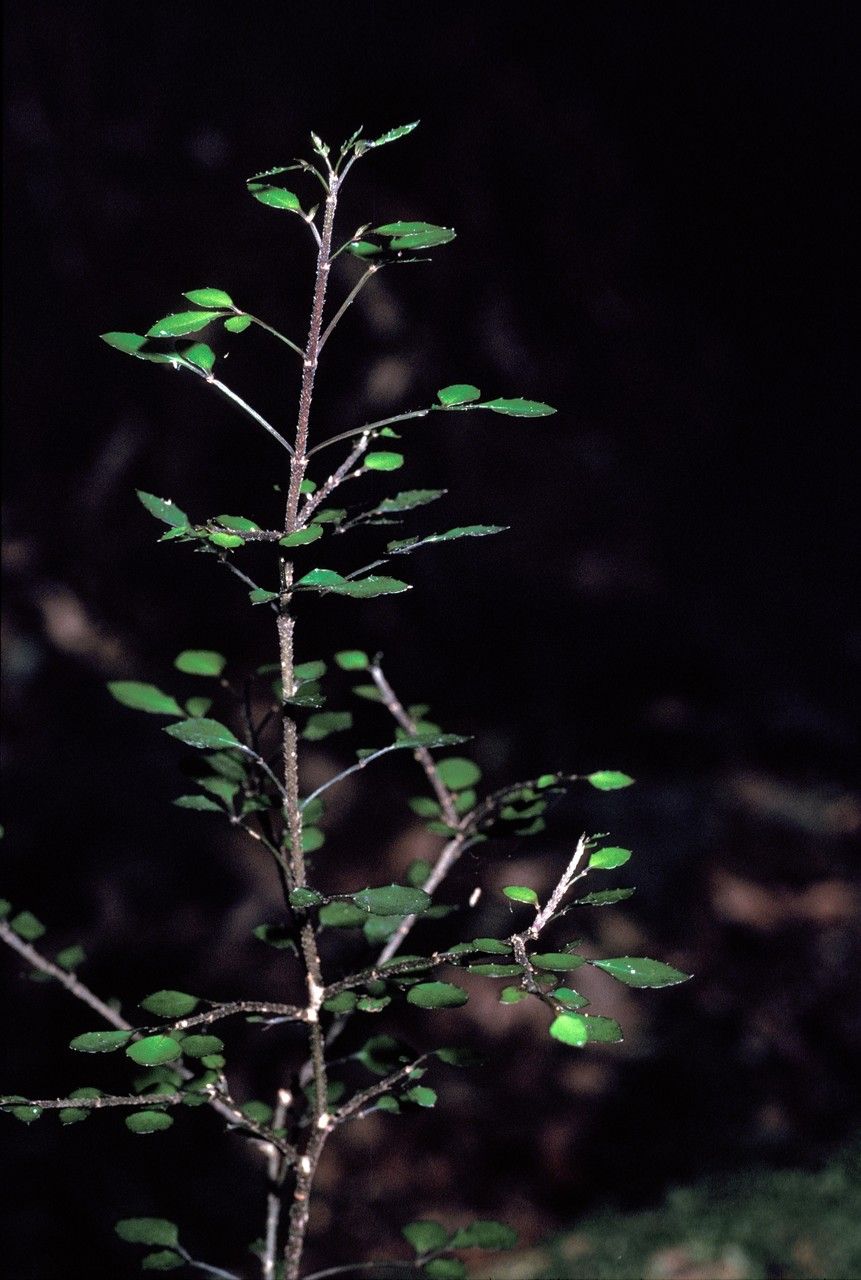
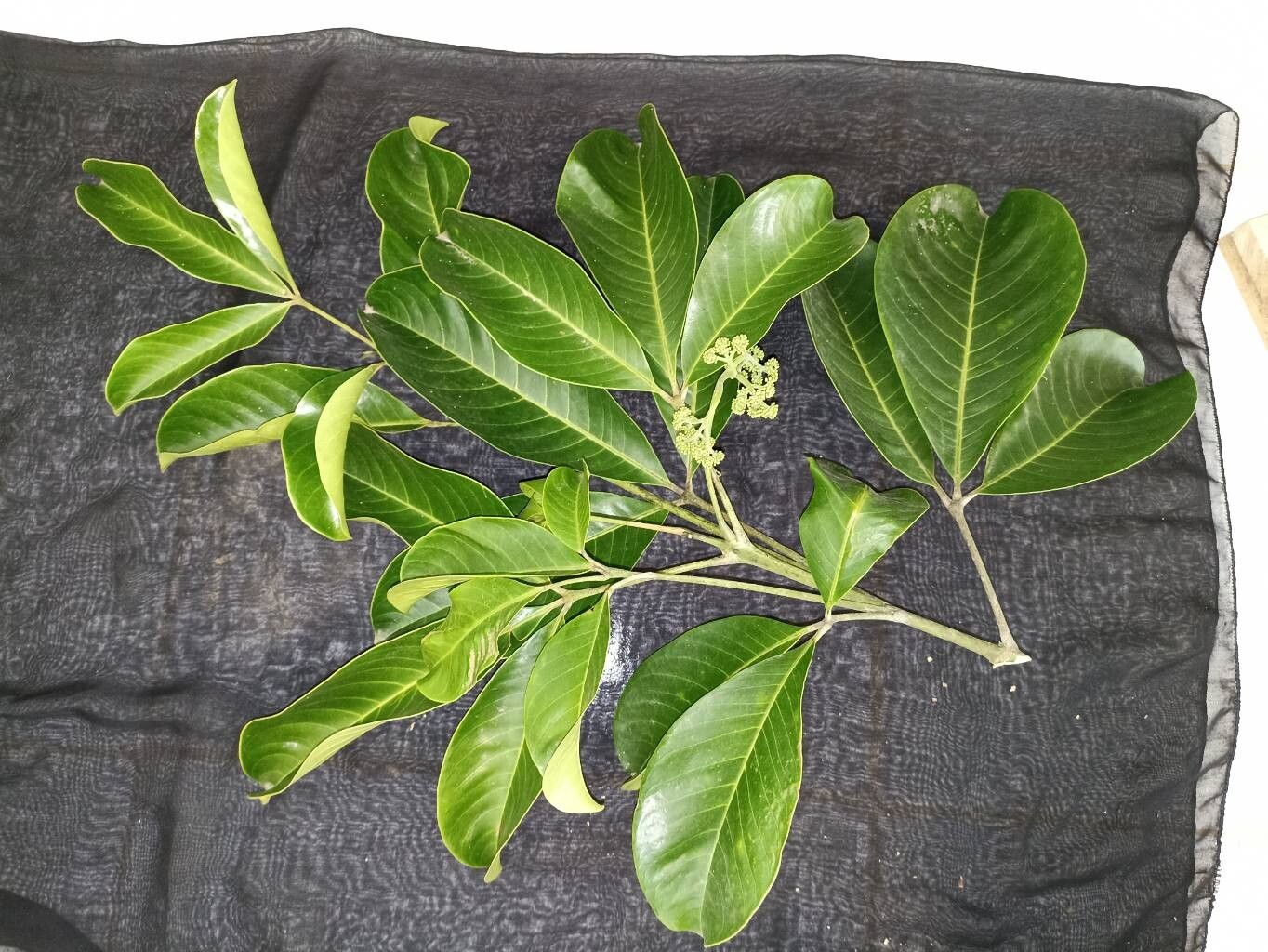
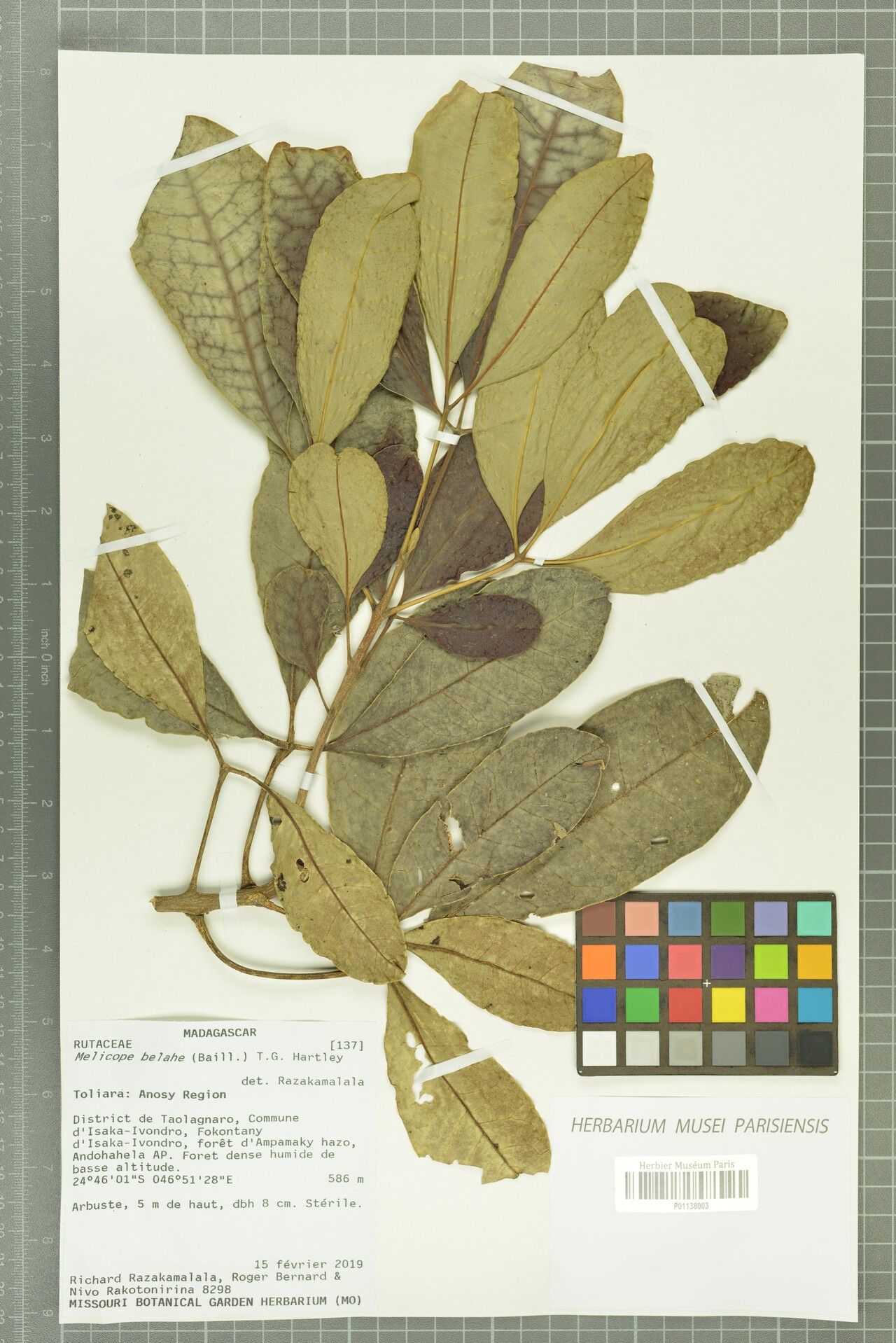
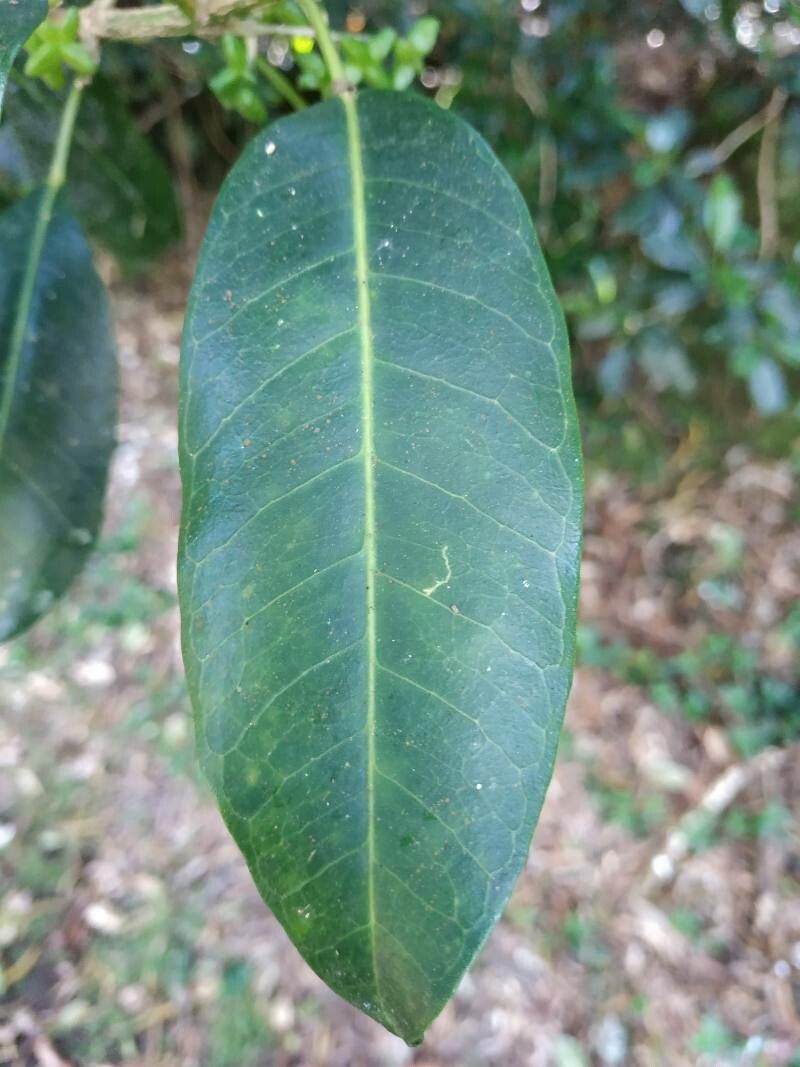
Melicope simplex is a shrub in the family Rutaceae that is native to New Zealand.
Poataniwha resists disease well and is generally not susceptible to illnesses. In terms of care, this plant is fairly low-maintenance. When grown outdoors it needs only minimal watering, and larger specimens usually do not require pruning. Smaller plants, however, should be pruned after they have bloomed. Poataniwhat is appropriate for anyone with an outdoor area, such as a garden or a deck, and does not demand extensive care experience.
How to keep Melicope Simplex.
Light
Poataniwha typically thrives in places like forest undergrowth or stony terrains where it naturally receives shade. It favours semi-sunny conditions but exhibits a flexible and robust character by adapting to complete sunshine or total shade.
Water
Originating from arid areas, poataniwha is highly drought-tolerant and needs deep watering every 2 to 3 weeks, allowing the soil to dry out between sessions. It thrives in well-draining soils and can withstand periods without rain, making it an excellent choice for xeriscaping and low-water garden designs.
Temperature
Poataniwha proves to be highly adaptable to a wide array of weather conditions, from blazing hot summers to freezing cold winters. Yet, there is a preferred temperature range for its growth. The plant is susceptible to heat and moisture stress when the temperatures rise too high, potentially leading to its death. In areas where the temperatures near the plant's minimum cold tolerance, it is crucial to use insulation methods for its protection.
Fertilizer
For the optimal health and growth of your Poataniwha, apply fertilizer in the early spring. A consistent fertilization routine can greatly improve the plant's overall health, leading to robust growth, increased resilience to harsh conditions, as well as enhanced resistance to disease and pests. Adhere to a certain fertilization timetable for your Poataniwha to guarantee vividly colored foliage and a rich manifestation.
Pruning
The Poataniwha, a distinctive shrub or small tree, benefits greatly from careful pruning during the winter. To encourage healthy growth and maintain its shape, prioritize the removal of dead or crossing branches. Doing so improves air circulation and sunlight exposure, which helps prevent disease and supports vigorous new growth, resulting in a lush appearance.
Botanical profile.
- Plant Type
- Shrub
- Life Cycle
- Perennial
- Genus
- Melicope
- Family
- Rutaceae
- Hardiness Zone
- 9-11
- Mature Height
- 3.05 m to 6.1 m
- Mature Spread
- 2.13 m to 3.96 m
- Leaf Color
- Dark Green, Forest Green
- Leaf Type
- Evergreen
- Flower Color
- White
- Flower Size
- 0.25 cm to 0.51 cm
- Bloom Time
- Mid fall, Late fall, Early winter
- Planting Time
- Spring, Summer, Autumn
- Harvest Time
- Mid winter, Late winter, Early spring
- Native Area
- New Zealand