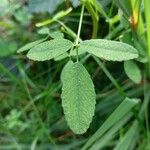
Melilotus dentatus
Small-flowered melilot · Banat sweetclover
Care Guide
💧 Water
Banat sweetclover thrives in moderately humid environments that mimic its natural moisture conditions. It needs consistent moisture but should not be waterlogged, making watering twice a week ideal. It is best grown indoors, where maintaining consistent watering and controlling humidity are essential for its growth.
☀️ Light Full sun
Banat sweetclover, an annual and biennial plant, hails from well-lit, open habitats where it flourishes in abundant sunlight. It can endure semi-shaded conditions, but it inherently prefers the complete, direct exposure to the sun for the best growth. Its thriving in sunny conditions is a noteworthy trait.
🌡️ Temperature 5–32.2°C
Banat sweetclover can adjust to a broad spectrum of temperature environments, yet its propagation might be inhibited by varying permutations of heat and water considerations. It flourishes optimally in balmy summer weather provided there is sufficient rainfall or irrigation. Extended stretches of overcast and wet weather, in combination with sustained periods of scorching temperatures, raise the chances of Banat sweetclover perishing. During winter months, implementing suitable cold protections enhances the plant's chances of survival.
💨 Humidity
🪴 Soil 6-8
🌱 Fertilizer
Banat sweetclover can thrive with regular, mild applications of fertilizer to encourage robust foliage growth. During the summer months, Banat sweetclover should be fertilized roughly once a month. Nitrogen plays a vital role in leaf development, and using sources rich in nitrogen can aid in the flourishing of Banat sweetclover.
🪴 Pot & Repot
✂️ Pruning
Banat sweetclover benefits from pruning in the early to late spring. To promote healthy growth, begin by removing any dead stems and thinning out congested areas. This improves air circulation and light exposure, reducing the risk of disease. Regular pruning helps maintain the plant's shape, enhances flowering, and supports its overall vitality, ensuring that banat sweetclover remains attractive.
🌿 Propagating
🐛 Diseases & pets
☠️ Toxicity
Characteristics
- Plant Type
- Herb
- Life Cycle
- Annual
- Genus
- Melilotus
- Family
- Fabaceae
- Hardiness Zone
- 4-8
- Mature Height
- 30 cm to 91 cm
- Mature Spread
- 30 cm to 61 cm
- Leaf Color
- Green
- Leaf Type
- Semi-evergreen
- Flower Color
- Yellow
- Flower Size
- 0.25 cm to 0.51 cm
- Bloom Time
- Summer
- Planting Time
- Spring, Summer, Autumn
- Harvest Time
- Late summer, Early fall, Mid fall
- Native Area
- Tajikistan, Sweden, Austria, Czech Republic, Montenegro, Bulgaria, Armenia, Poland, Croatia, Ukraine, Serbia, Uzbekistan, Russia, China, Hungary, Germany, Kyrgyzstan, Kazakhstan, Denmark, Estonia, Mongolia, Azerbaijan, Romania, Turkmenistan