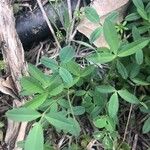
Melilotus sulcatus
Furrowed melilot · Grooved melilot · Mediterranean sweetclover · Furrowed Melliot
Description
Source: leafsnapMelilotus sulcatus, the furrowed melilot or Mediterranean sweetclover, is a species of the genus Melilotus, belonging to the pea family; Fabaceae or Papilionaceae. It is distributed in Southern Europe, an annual plant between 10 and 40 cm high. The stem leaves are grooved. The flowers are very small; 3-5mm.long, in bloom from June until August. The pods are 3–3.5mm. long, with bowline veins.
Care Guide
💧 Water
Furrowed melilot thrives best in consistent moisture conditions without becoming waterlogged. It benefits from moderate irrigation that mimics its native climate. Ideally, water the plant once a week, but increase the frequency during its active growth seasons, especially if it is grown outdoors. This approach will support its development across various soil conditions.
How should I water my Furrowed melilot plant?
To water Furrowed melilot, you have multiple options such as using a garden hose with a spray nozzle, a watering can, or any other common watering tool. The plant is not too particular about the type of water it receives - rainwater, tap water, or filtered water are all suitable. It's generally best to avoid watering the plant from above, as this can harm the leaves and flowers and potentially cause disease. A drip irrigation system is often the most effective way to water Furrowed melilot as it ensures the water is distributed evenly and directly to the soil. For a Furrowed melilot grown in a container, you can use a cup, watering can, or tap to water it directly onto the soil.
What should I do if I give too much or too little water to my Furrowed melilot?
To solve the problem of underwatering Furrowed melilot, just water it more frequently when you see it's lacking moisture. Overwatering is a more serious issue, as it can cause diseases that may lead to the plant's decline and death. To prevent overwatering, make sure to choose a location with enough sunlight to dry out the soil and good drainage to avoid water pooling. If you have overwatered your melilot in a pot, consider transferring it to a new pot with loose soil and efficient drainage.
How frequently should I water my Furrowed melilot plant?
To keep your Furrowed melilot healthy, it is important to water it regularly throughout the growing season. In the spring, watering once a week should be sufficient. However, as the weather gets warmer, you may need to increase watering to two to three times a week. It's crucial not to exceed this rate as it can harm the plant. Regardless of watering frequency, make sure the soil is consistently moist but not too wet. If your Furrowed melilot is in a pot, the soil may dry out more quickly, so you'll need to water it more frequently, typically a few times a week. In contrast, an in-ground plant generally requires watering only once a week.
How much water does my Furrowed melilot plant need?
To determine how much water to give to your Furrowed melilot, there are a few options. Some gardeners prefer to rely on the moisture level of the soil to decide when to water. This method suggests watering until the top six inches of soil feel moist. Alternatively, you can use a specific measurement to determine the water amount. Generally, it is recommended to give about two gallons of water per week, taking into account factors like temperature and soil dryness. However, following strict guidelines may cause overwatering if your plant doesn't need that much water. When growing Furrowed melilot in a container, a different approach is needed. In this case, you should water enough to moisten all the dry soil layers, which can be tested by sticking your finger in the soil. You can also water until you notice excess water trickling out of the pot's drainage holes.
How can I know if I'm giving enough water to my Furrowed melilot?
Avoiding overwatering your Furrowed melilot can be somewhat difficult due to a few factors. On one hand, these plants have deep roots that need to be watered weekly. However, on the other hand, Furrowed melilot is extremely vulnerable to root rot, which can occur if it is overwatered. Overwatering can also cause browning of the plant. Underwatering is less of a concern for Furrowed melilot as they can survive without supplemental watering for a while. However, if you wait too long to water the plant, it will begin to wilt and the leaves may become dry.
☀️ Light Full sun
Furrowed melilot comes from bright, open habitats and does best in full sun. It tolerates partial sun but prefers direct sunlight for optimal growth. This plant, which may be annual or biennial, is recognized for its sun-loving nature.
🌡️ Temperature 15–35°C
Furrowed melilot can tolerate a wide range of temperatures, but its distribution may nonetheless be constrained by specific combinations of moisture and heat. It does best in warm summer conditions with sufficient rainfall or watering. Extended spells of cloudy, rainy weather, as well as prolonged high temperatures, raise the chance of Furrowed melilot dying. In winter, protecting it from the cold can increase its survival rate.
💨 Humidity
🪴 Soil 6-8
🌱 Fertilizer
Furrowed melilot responds well to regular, light applications of fertilizer to encourage healthy leaf development. You should fertilize Furrowed melilot about once a month during the summer. Nitrogen is essential for foliage, and adding nitrogen-rich sources helps Furrowed melilot thrive.
🪴 Pot & Repot
✂️ Pruning
Prune furrowed melilot from early to late spring to promote growth and flowering. Remove any dead stems and thin out the plant to improve air circulation. Use clean cuts and sterilized tools to prevent disease. Regular pruning helps maintain a healthy, well-shaped plant and prevents it from becoming leggy.
🌿 Propagating
🐛 Diseases & pets
☠️ Toxicity
Characteristics
- Plant Type
- Herb
- Life Cycle
- Annual
- Genus
- Melilotus
- Family
- Fabaceae
- Hardiness Zone
- 7-10
- Mature Height
- 10 cm to 40 cm
- Mature Spread
- 20 cm to 40 cm
- Leaf Color
- Green
- Leaf Type
- Semi-evergreen
- Flower Color
- Yellow
- Flower Size
- 0.25 cm to 0.51 cm
- Bloom Time
- Mid spring, Late spring, Early summer
- Planting Time
- Spring, Summer
- Harvest Time
- Summer
- Native Area
- Libya, Egypt, Tunisia, Turkey, Montenegro, Cyprus, Greece, Croatia, Morocco, Serbia, Lebanon, Syria, Portugal, Italy, Spain, Albania, Algeria, France