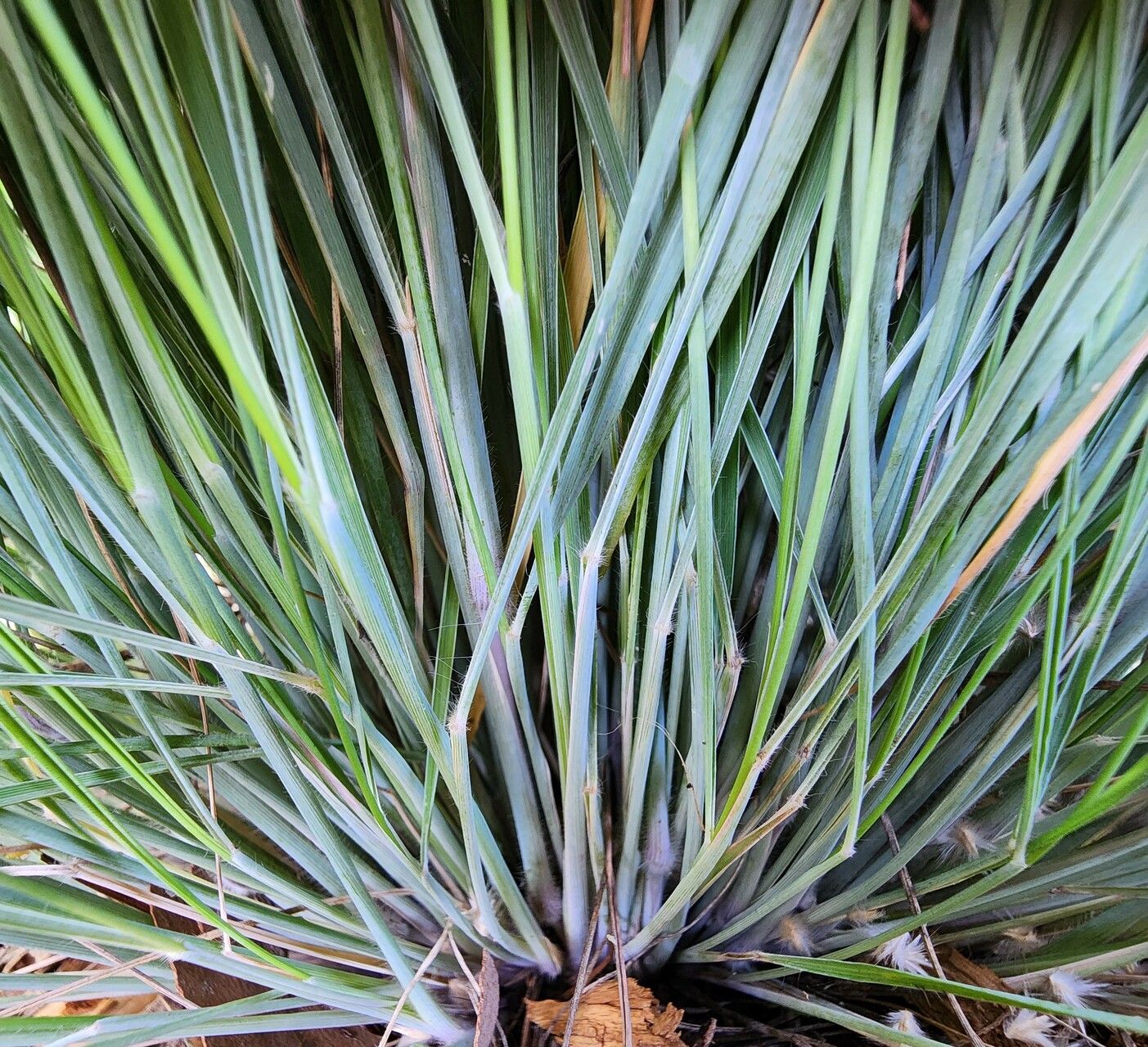
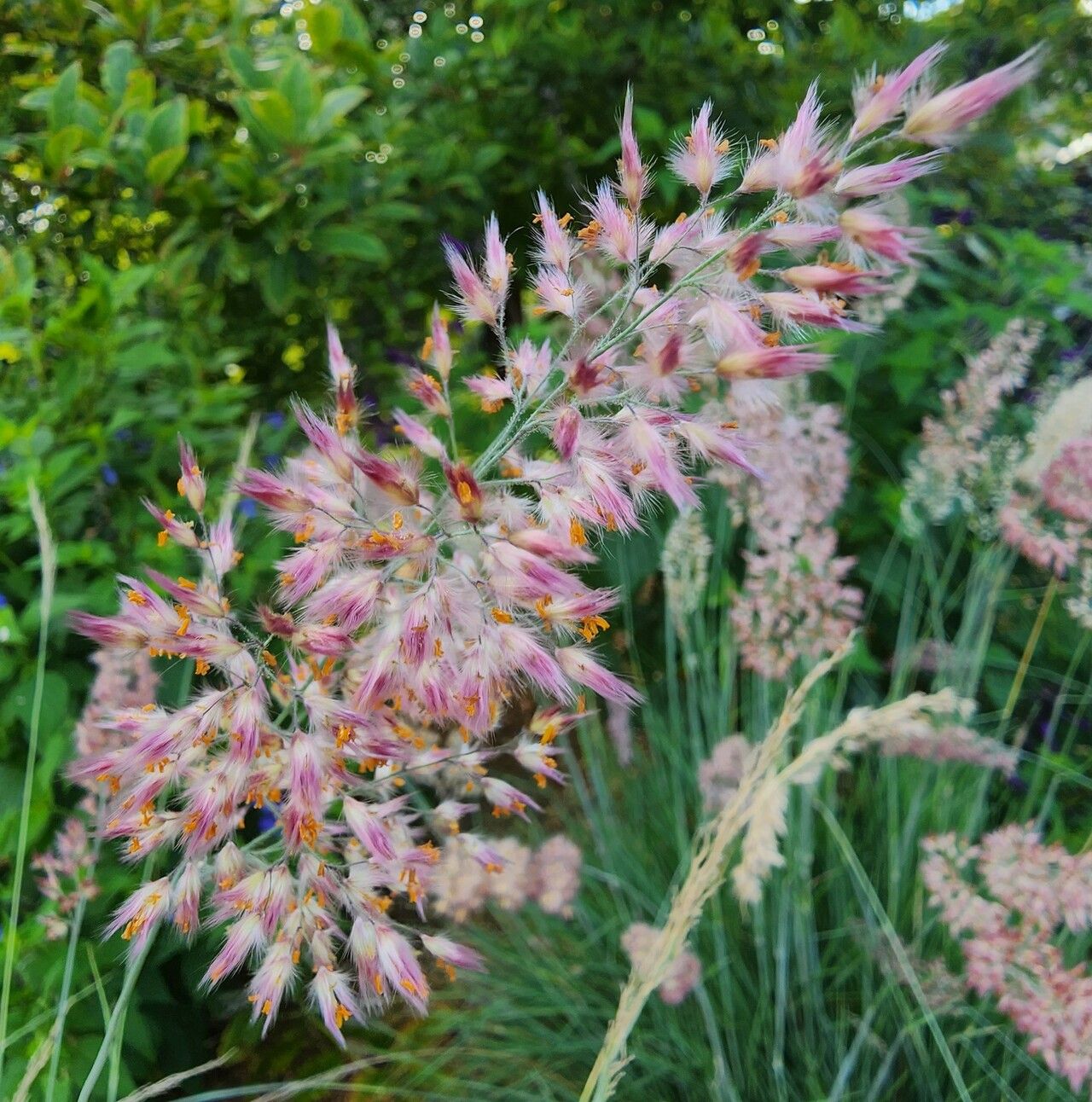
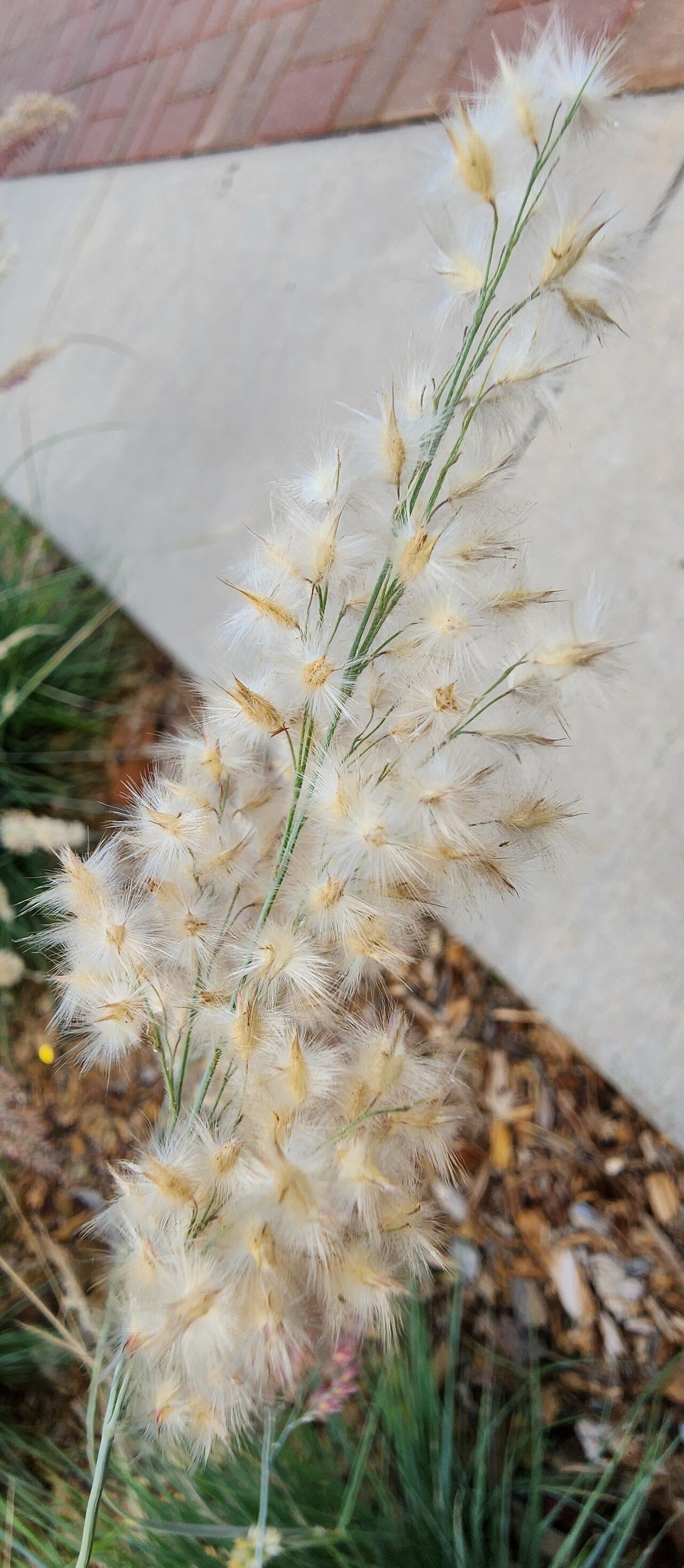
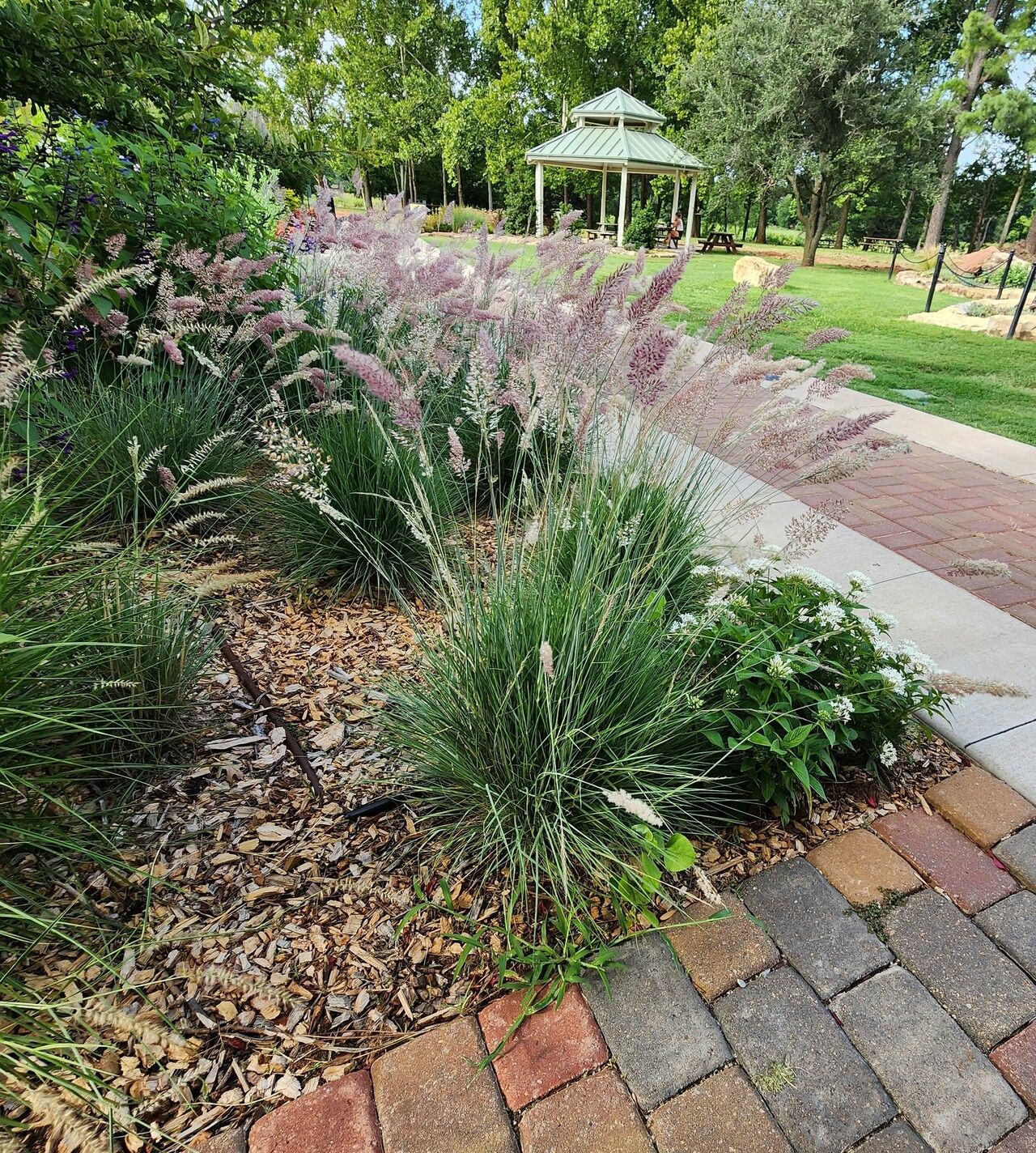
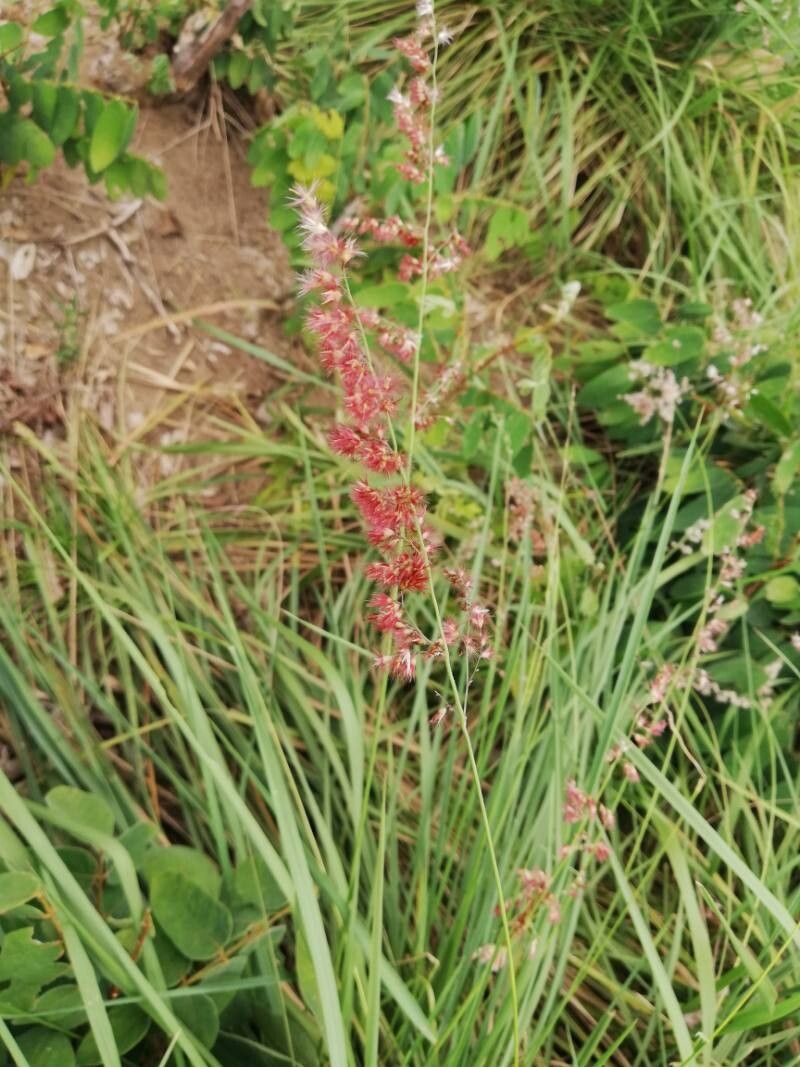
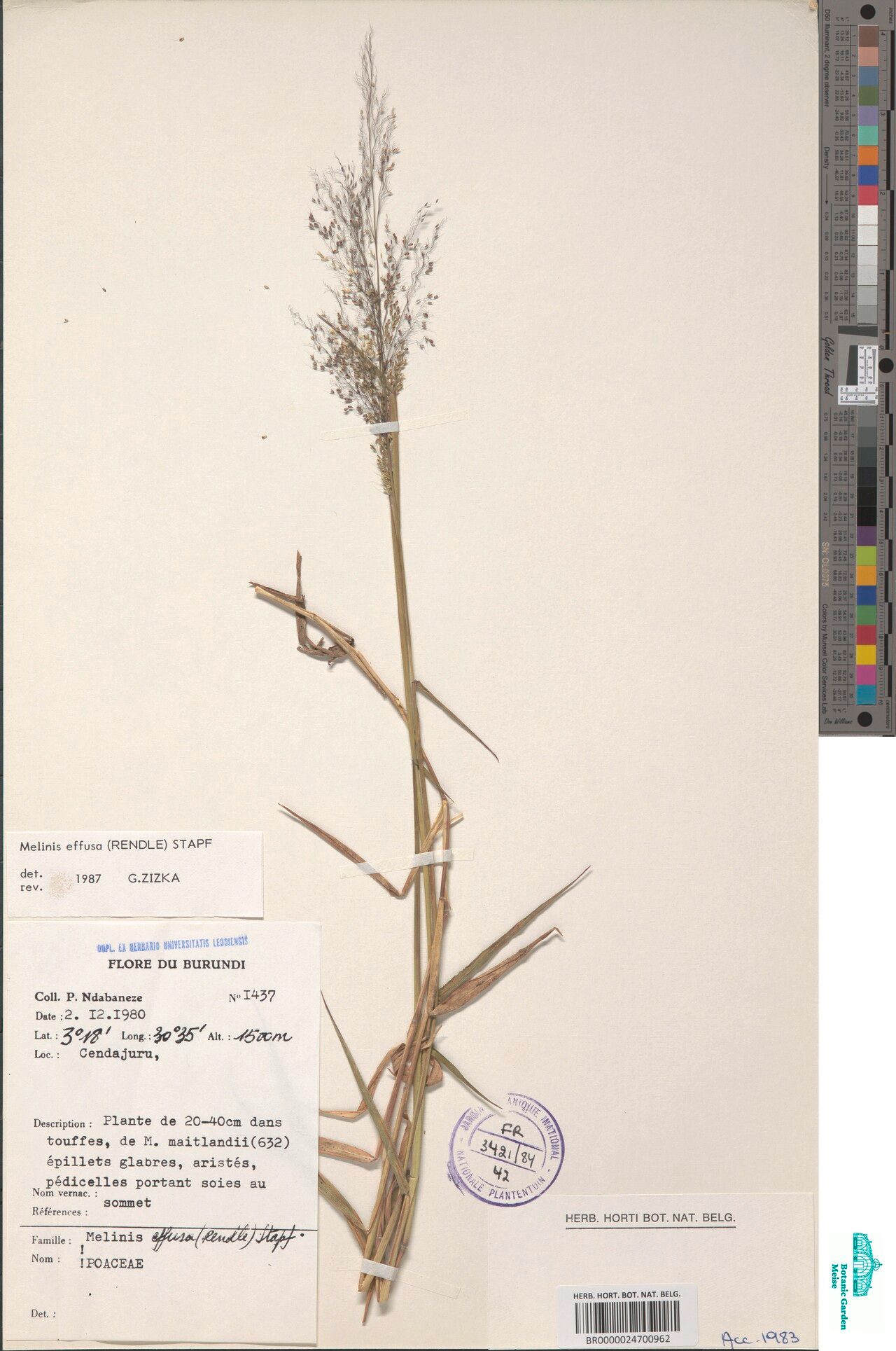
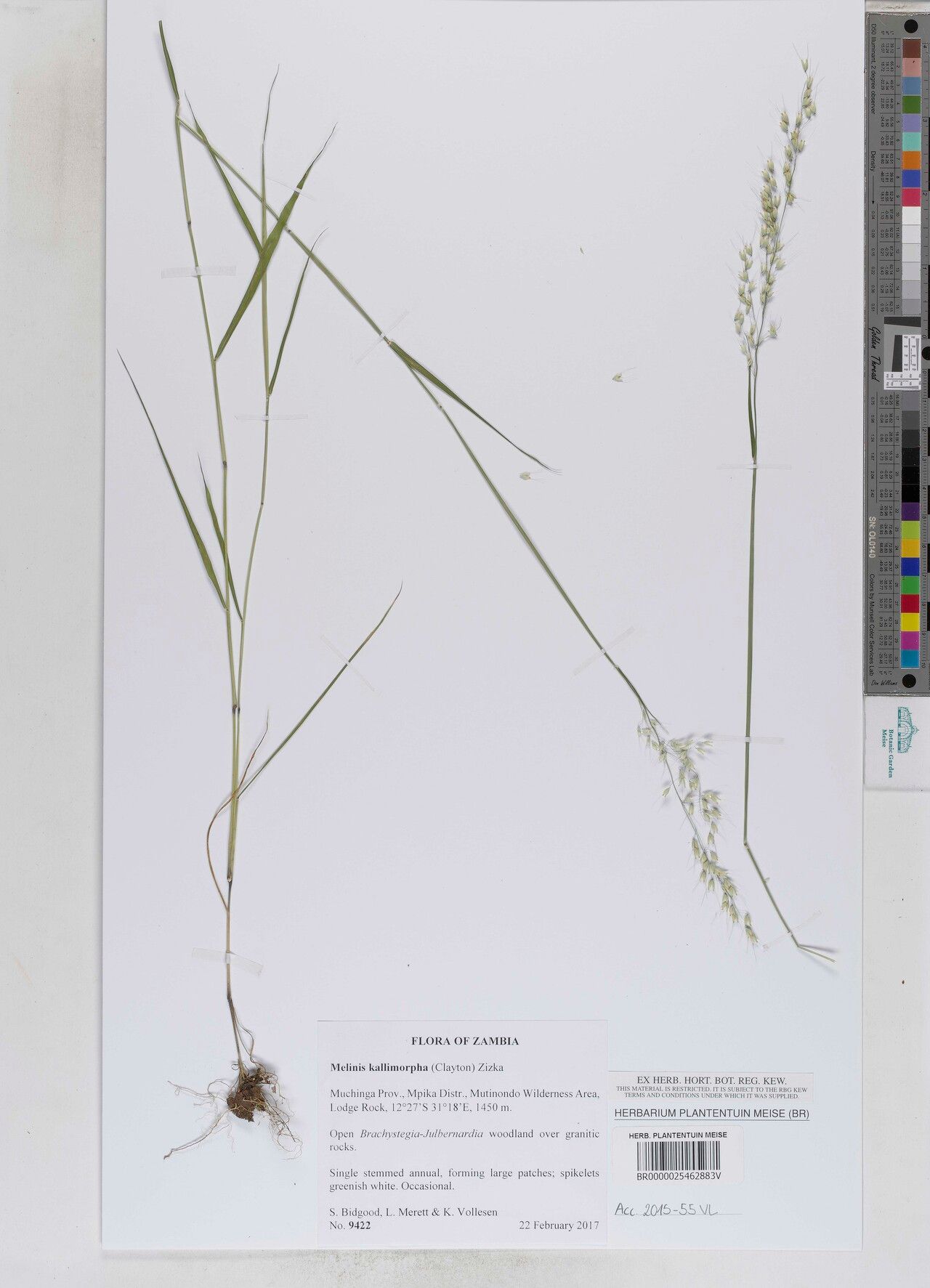
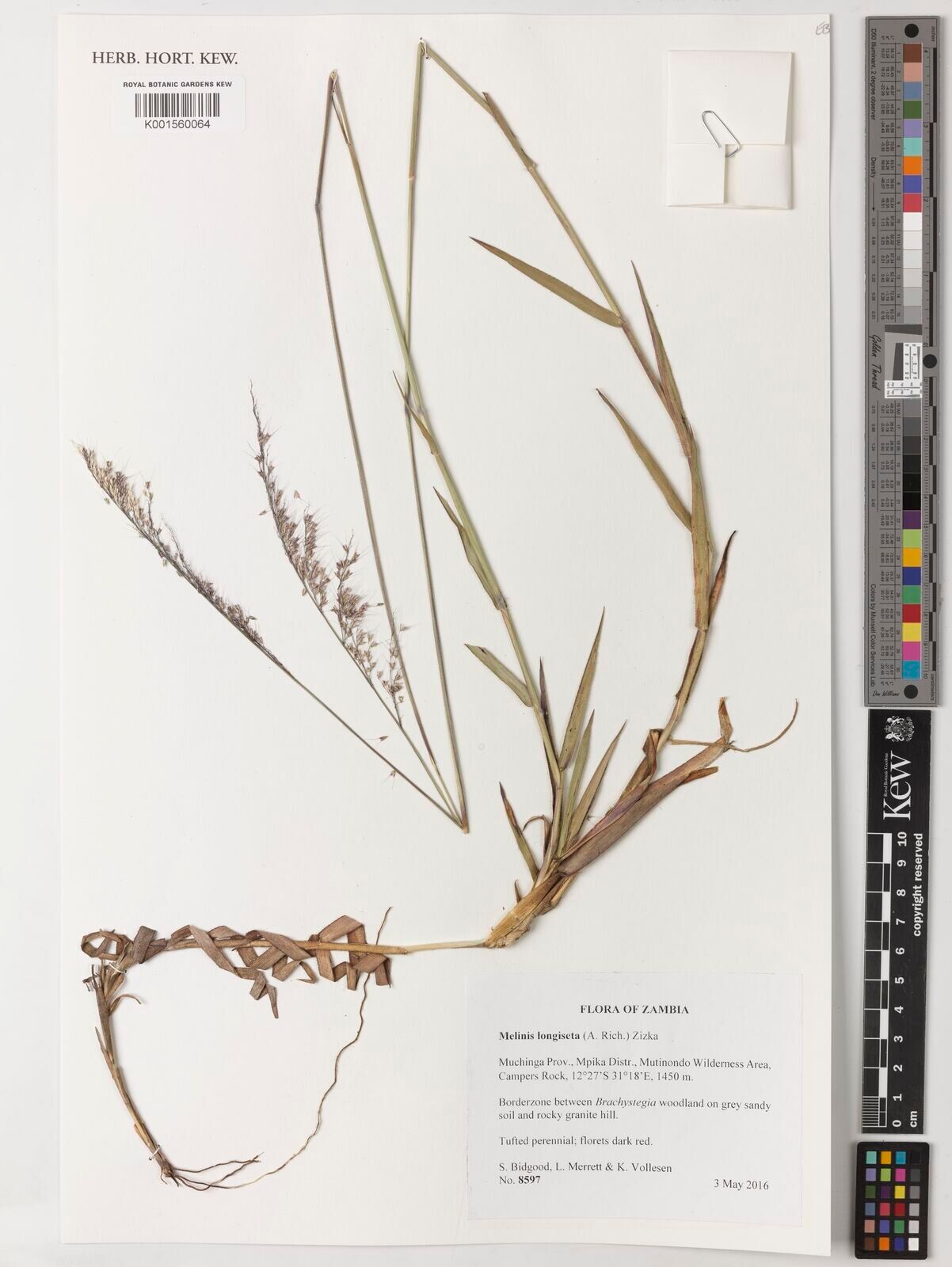
Melinis nerviglumis is a species of grass known by the common names mountain red top or bristle-leaved red top. The Latin name refers to the veined glume. It is native from tropical to southern Africa, the western Indian Ocean islands, and Indochina. It is cultivated as a garden ornamental due to its colourful purple flowers. The flowers are produced in summer and fade to white as they mature. By this time the seeds can be harvested for new plantings.
Bristle-leaved redtop has strong resistance to diseases and is generally not susceptible to them. Regarding care, this plant is fairly low-maintenance. When grown outdoors, it needs minimal watering, and larger plants usually do not require pruning. Smaller plants, however, should be pruned after they finish blooming. Bristle-leaved redtop is appropriate for anyone with an outdoor area, such as a garden or deck, and does not demand much care experience.
How to keep Melinis Nerviglumis.
Light
Bristle-leaved redtop is a perennial herbaceous plant that prefers sunny sites and comes from open habitats, commonly growing in meadows and grasslands. It favors full sun but can also tolerate partial sun.
Water
Bristle-leaved redtop thrives in areas with balanced moisture and usually needs watering twice a week. As an evergreen plant, it maintains its foliage throughout the year and prefers moderate moisture levels. Often grown outdoors, it benefits greatly from natural rain patterns that resemble the consistent rainfall of its native habitat.
Temperature
Bristle-leaved redtop is fairly adaptable to temperature, capable of withstanding higher heat and wider temperature swings. In hot weather, attention should be paid to watering and providing suitable shade to avoid sunburn. Its tolerance to low temperatures is relatively poor; while it can endure some cold, excessively low temperatures can cause frost damage.
Fertilizer
Bristle-leaved redtop benefits from extra nutrients to encourage healthy new growth. In spring, spreading compost around the plant’s base will supply the nutrition it requires. Fertilizing supports vigorous growth and improves the plant’s ability to resist diseases and pests.
Pruning
The bristle-leaved redtop is distinguished by its unique bristle-like leaves and red flower clusters. It is important to prune this plant in early spring to encourage new growth and maintain its shape. This involves removing dead stems and thinning out crowded areas. Regular pruning not only improves the plant's appearance but also promotes its health and prevents overgrowth, making it essential for a thriving bristle-leaved redtop.
Botanical profile.
- Plant Type
- Grass
- Life Cycle
- Perennial
- Genus
- Melinis
- Family
- Poaceae
- Hardiness Zone
- 9-11
- Mature Height
- 46 cm to 61 cm
- Mature Spread
- 30 cm to 46 cm
- Leaf Color
- Light Green, Pale Green
- Leaf Type
- Evergreen
- Flower Color
- Pink
- Bloom Time
- Summer, Early fall, Mid fall
- Planting Time
- Spring, Summer, Autumn
- Harvest Time
- Late summer, Fall, Early winter
- Native Area
- Lesotho, Angola, Tanzania, South Africa, Namibia, Eswatini, Madagascar, Kenya, Uganda, Botswana, Congo
Other names.