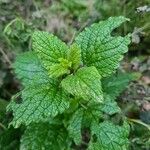
Melissa officinalis
بادرنجبویه · فرنجمشک، بادرنجبویه، پلنگمشک، وارنگ بو، آبتل، · مليسة · Lemon Balm · Balm
Description
Source: leafsnapMelissa officinalis, commonly known as lemon balm, is a perennial herb in the mint family. Native to the Mediterranean region, it has been used for centuries for its medicinal properties. The plant emits a lemony scent and flavor, making it popular in culinary applications as well. Lemon balm can grow up to 2 feet tall and features green, heart-shaped leaves with serrated edges. In the summer months, it produces small white or yellow flowers. The herb is renowned for its calming properties and is often used to relieve anxiety, stress, and insomnia. It also possesses antiviral properties, making it effective against cold sores caused by the herpes simplex virus. Lemon balm can be consumed in various forms, such as tea or tincture. It can also be applied topically in creams or ointments for skin conditions like eczema or insect bites. Overall, Melissa officinalis is a versatile herb with numerous health benefits, making it a valuable addition to any garden or herbal medicine cabinet.
💡 The lemon balm plant has been valued for its culinary and aromatic uses for thousands of years. Beyond being a popular ingredient in tea and cooking, its oil is also used in candles, perfumes, and aromatherapy blends.
🌳 Lemon balm is a remarkable magnet for bees, a connection reflected in its genus name, Melissa, which in Greek means "honeybee." Beyond its soothing reputation, the herb has been used as a natural furniture polish: crushed leaves are rubbed onto wooden surfaces. This little-known use demonstrates the plant's versatility beyond its scent.
🎭 Long life, Cleansing, Affection, Morality, Kindness
Care Guide
💧 Water Every 7 days
Lemon balm thrives in moist soil and prefers to be kept consistently hydrated, much like it was in its Mediterranean origins. While it can tolerate moderate drought, it benefits from being watered weekly. Growing it outdoors enhances its aromatic leaves, and using mulch can help retain moisture, which in turn reduces the need for frequent watering.
When Should I Water My Lemon Balm?
Watering your lemon balm (Melissa officinalis) properly is crucial for its health and growth. The ideal time to water is when the top 1-2 inches of soil feel dry. Look out for wilted, droopy leaves or leaves with dry edges as indicators that your plant needs water. Stems becoming less firm and starting to droop also signal a need for water. However, be cautious of both overwatering, which can lead to root diseases, and underwatering, which stresses the plant and can affect its health negatively. The watering needs can fluctuate based on the local climate and the plant's size, so regular observation for changes is essential.
How Should I Water My Lemon Balm?
Lemon balm requires specific watering techniques for optimal growth. Bottom-watering is effective in providing moisture directly to the roots without saturating the surface, thus minimizing the risk of fungal diseases. Use a watering can with a narrow spout for targeted watering at the plant's base, and consider using a moisture meter to monitor soil moisture accurately. Focusing water at the base rather than the center of the plant is important to avoid issues like crown rot. While misting can help increase humidity, it should not replace regular watering. Adjust watering frequency based on soil moisture levels, and ensure watering in the morning for proper foliage drying. Proper drainage is critical to prevent waterlogged soil.
How Much Water Does Lemon Balm Really Need?
The amount of water needed for lemon balm depends on the plant's size, pot size, and root depth. Smaller plants with shallow roots need less water, whereas larger plants require more. A general rule is to water until it begins to drain from the bottom of the pot. Proper hydration is indicated by vibrant and lush leaves. Overwatering can lead to root rot, while underwatering results in wilted and potentially dead plants. Lemon balm's resilience varies between being waterlogged and experiencing short-term droughts, so providing a well-draining soil mix and appropriately sized pot are essential considerations.
What Kind of Water is Best for Lemon Balm?
Rainwater and filtered water are ideal for lemon balm because they are low in minerals and chemicals. While distilled water is also an option, it's best to avoid direct use of untreated tap water, as lemon balm is sensitive to chlorine and possibly fluoride. If tap water is your only option, let it sit out for 24 hours to allow chlorine to evaporate and some minerals to settle. A water softening system can also benefit lemon balm by reducing mineral levels in hard water. Remember, lemon balm prefers water at room temperature to prevent root shock.
How Do Lemon Balm's Watering Needs Change with the Seasons?
Seasonal changes significantly impact lemon balm's watering needs. Spring signals active growth, requiring prompt watering when the top soil feels dry to foster nutrient uptake. In summer, higher temperatures increase evaporation and the plant's thirst, necessitating more frequent watering. As lemon balm's growth slows in autumn, reduce watering but keep the soil slightly moist. Winter demands the least amount of water; allow the soil to dry out more between sessions to avoid root rot from cold damp conditions.
☀️ Light Full sun
Lemon balm grows best with plentiful sunlight during the day, though it can tolerate lightly shaded locations. Its background in open meadows explains its preference for sun. Too much exposure can cause leaf scorching, while too little light may impede its strong growth and overall vigor.
What are the sunlight requirements for lemon balm?
Lemon balm requires full sunlight to thrive, benefiting from more than 6 hours of sunlight daily. However, it can also grow in partial sun, with about 3-6 hours of sunlight. It's important to observe how sunlight moves through your garden to find spots that provide the right balance of light and shade for your plants, ensuring their growth and health.
How does lemon balm respond to its environment in terms of sunlight exposure?
Lemon balm thrives in abundant sunlight, reflecting its origins in open meadows. While it can adapt to slightly shadowed areas, too much exposure can lead to leaf scorching, and not enough can hamper its growth and vitality. To support growth, indoor plants may require artificial lighting, especially in less sunny spaces or during winter. LED lights, for instance, are recommended as they can be customized to fulfill the plant's specific light wavelength needs. The amount of artificial light required varies based on the plant's sunlight needs, ranging from 10-50W/sq ft depending on whether they are full sun, partial sun, or full shade plants.
What are the signs of inadequate light exposure in lemon balm?
Symptoms of light deficiency in lemon balm include smaller new leaves, leggy or sparse growth, faster leaf drop, slower or no new growth, lighter-colored new leaves, chlorosis, sunscald, leaf curling, wilting, and leaf scorching. These signs indicate the plant is not receiving the ideal amount of sunlight for healthy growth.
How can the lighting conditions for indoor lemon balm plants be improved?
To enhance growth, gradually increase sunlight exposure for indoor lemon balm plants to at least 6 hours daily, using a south-facing window. If necessary, supplement with artificial light, ensuring it stays on for at least 8 hours daily. For large plants or those that are difficult to move, consider professional grow lights as a solution to provide sufficient light.
What steps can be taken to adjust outdoor lemon balm plants to the right amount of sunlight?
For outdoor plants, it's crucial to acclimate them to sunlight gently by shifting them to brighter spots each week. This method prevents sunburn by avoiding abrupt changes in light intensity. Even though parts of the plant that suffered from poor light might not recover, new growth will be healthy with correct sunlight exposure.
🌡️ Temperature 5–32.2°C
Lemon balm comes from areas where temperatures typically range from 68 to 95 °F (20 to 35 ℃). This shows a clear preference for warmer conditions. For optimal growth, adjust temperatures to match these preferences whenever possible.
What is the optimal climate for growing Lemon Balm?
Lemon balm, known botanically as Melissa officinalis, thrives best in regions where temperatures range between 68 to 95 °F (20 to 35 °C), indicating a preference for warmer climates. Although lemon balm has strong cold resistance and special frost protection measures are often unnecessary, it's important to ensure the plant is prepared for winter. This preparation includes watering the plant abundantly before the first freeze to keep the soil moist and covering the plant with soil or straw if temperatures are expected to drop below -30°C to provide cold protection.
How does Lemon Balm react to low temperatures?
Lemon balm is remarkably tolerant to cold and can generally withstand temperatures above 20°C. In winter, temperatures should ideally be kept above 0°C. However, temperatures falling below -30°C may not visibly affect the plant during winter but can lead to a decrease in, or even a complete absence of, sprouting in spring. To counteract this, any parts of the plant that have failed to sprout in spring should be removed to promote healthy growth.
What are the effects of high temperatures on Lemon Balm, and how can they be mitigated?
During summer, it is crucial to ensure that temperatures remain below 35°C for lemon balm plants. Exposure to temperatures above 38°C can lead to the leaves becoming lighter in color, curling, being prone to sunburn, and in severe cases, can cause the plant to wilt and dry out. Mitigation strategies include trimming away the sunburned and dried-up parts of the plant, relocating the plant to a shaded area, particularly away from the midday and afternoon sun, or using a shade cloth. Additionally, watering the plant in the morning and evening can help keep the soil moist and prevent heat stress.
💨 Humidity normal (40-60%)
This plant will thrive in moderate humidity, which is probably the level in your home. However, misting it a few times a week can be very beneficial. Make sure the room has good ventilation.
🪴 Soil 6-7
🌱 Fertilizer
One fertilizer application in spring is generally enough for Lemon balm, though several feedings can maximize growth. Feed every month to a month and a half. Fertilizing improves leaf appearance and function, encouraging even color and a healthy texture. It also promotes root growth and nutrient uptake for the plant's long-term health.
How should I give fertilizer to my Lemon balm plant?
To ensure the healthy growth of your Lemon balm, start by waiting for its first leaves to appear in early spring. Once it has sprouted, apply a slow-release fertilizer with a balanced formula to the soil around the base of the plant. If desired, you can repeat this process later in the season. Remember to always apply the fertilizer to the soil rather than directly on the plant. Sometimes, you may need to move some leaves to access the soil above the roots. Additionally, it's recommended to water your Lemon balm before and after fertilizing.
What will happen if I give my Lemon balm plant too much fertilizer?
You don't need to give the Lemon balm a lot of fertilizer every year, but be careful not to give it too much. If you overfertilize, you'll notice the leaves turning brown. This is especially likely if you use a fertilizer with a lot of nitrogen. High nitrogen can cause the leaves to change color, lose moisture, and curl at the edges. To avoid these issues, most gardeners only fertilize their Lemon balm once a year in early spring.
Why should I put fertilizer on my Lemon balm?
The main structure of Lemon balm consists of its leaves, and fertilization is crucial for their appearance and function. By fertilizing properly, you can ensure that the leaves maintain consistent color and a healthy texture. Fertilization also has benefits below the surface, as it helps the plant develop new roots and maintain existing ones. This not only keeps the plant healthy now but also improves its ability to absorb nutrients from the soil in the future.
What's the right time to give my Lemon balm plant fertilizer?
If you grow Lemon balm outdoors, it will start growing new leaves in early spring. This is a sign to begin fertilizing for the year. Usually, one application of fertilizer in the spring is sufficient for Lemon balm to thrive. However, if you want to maximize its growth, you can fertilize multiple times during the spring and early summer. In this case, you should feed your Lemon balm approximately once every month to a month and a half.
When is it a bad idea to add fertilizer to my Lemon balm?
During the late fall and winter, your Lemon balm enters a dormant phase, ceasing new growth. It is advised to avoid fertilizing during this time. If you choose to fertilize during spring and summer, gradually decrease the fertilization rate as summer nears, as the growth rate of your Lemon balm will also slow. It is not recommended to fertilize your Lemon balm when the weather is abnormally hot or the soil is unusually dry, as this can stress the plant and lead to premature death.
🪴 Pot & Repot 2-3 years
When repotting Lemon balm, pick a pot 1-2 inches (2.5–5.1 cm) larger with good drainage. Use a well-draining potting mix. Repot in spring or fall, making sure the root ball sits slightly below the rim of the pot. Water thoroughly after repotting and keep in a warm place with indirect sunlight.
✂️ Pruning
Lemon balm, a fragrant herb used both in medicine and cooking, benefits from regular pruning. By trimming the stems, you can encourage bushier growth and remove any dead foliage. It's best to do this from early to late spring. Pruning enhances airflow, reduces the risk of disease, prevents the plants from becoming leggy, and supports vigorous health and frequent harvests.
🌿 Propagating
🐛 Diseases & pets
☠️ Toxicity
Undiluted lemon balm essential oil is extremely poisonous. It generates narcosis in high dosages and is classified as a narcotic. Hypotension, a sluggish heartbeat, and trouble breathing have all been reported with doses greater than 2 g per day.
Characteristics
- Plant Type
- Herb
- Life Cycle
- Perennial, Annual
- Genus
- Melissa
- Family
- Lamiaceae
- Hardiness Zone
- 4-8
- Mature Height
- 0.3 m to 1.52 m
- Mature Spread
- 40 cm
- Leaf Color
- Green
- Leaf Type
- Deciduous
- Flower Color
- White
- Flower Size
- 1.27 cm to 1.27 cm
- Bloom Time
- Late spring, Early summer, Mid summer
- Planting Time
- Spring
- Harvest Time
- Mid summer
- Native Area
- Europe