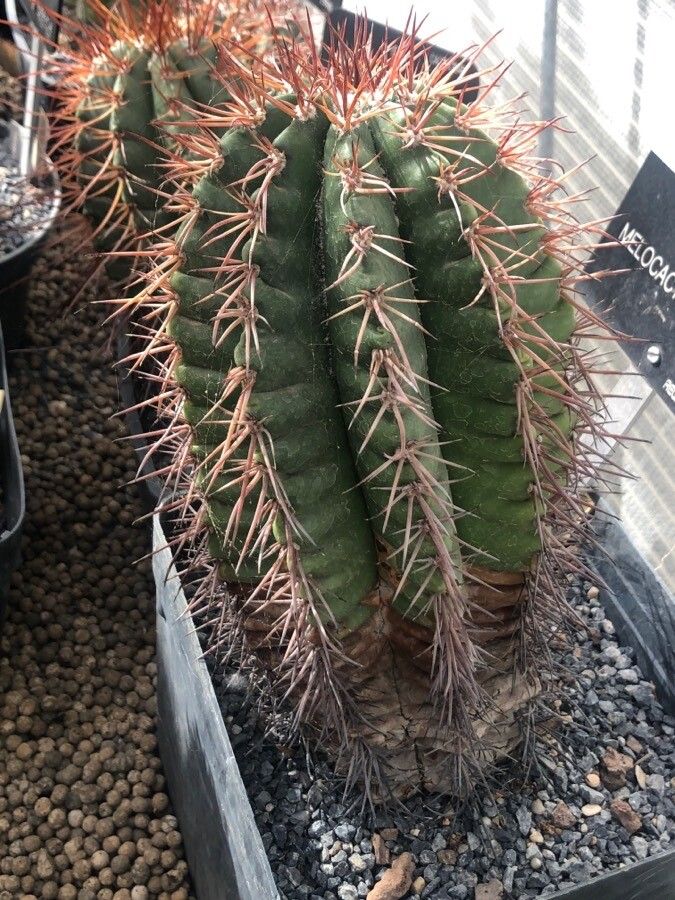
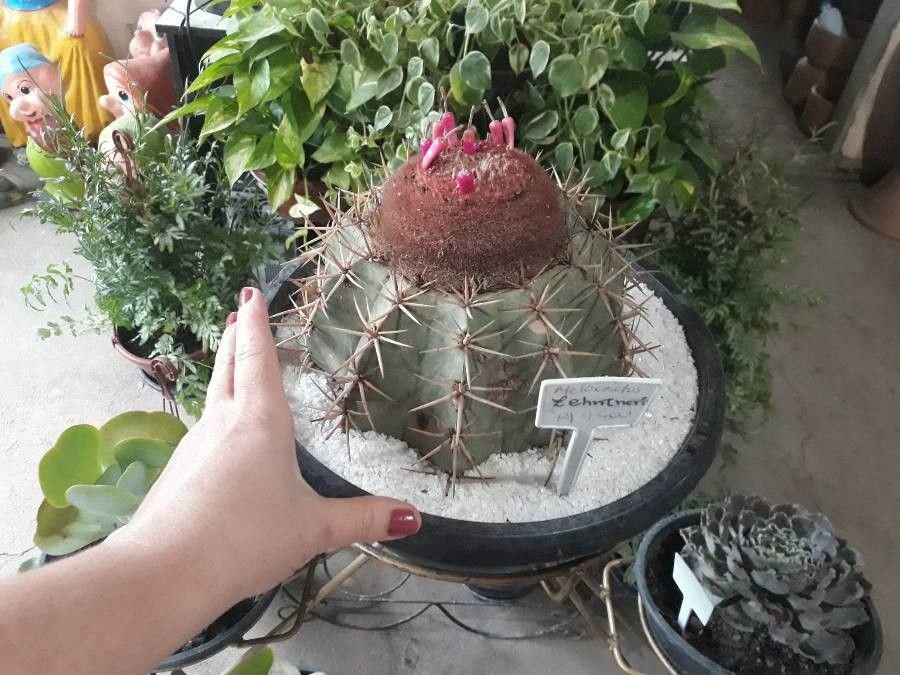
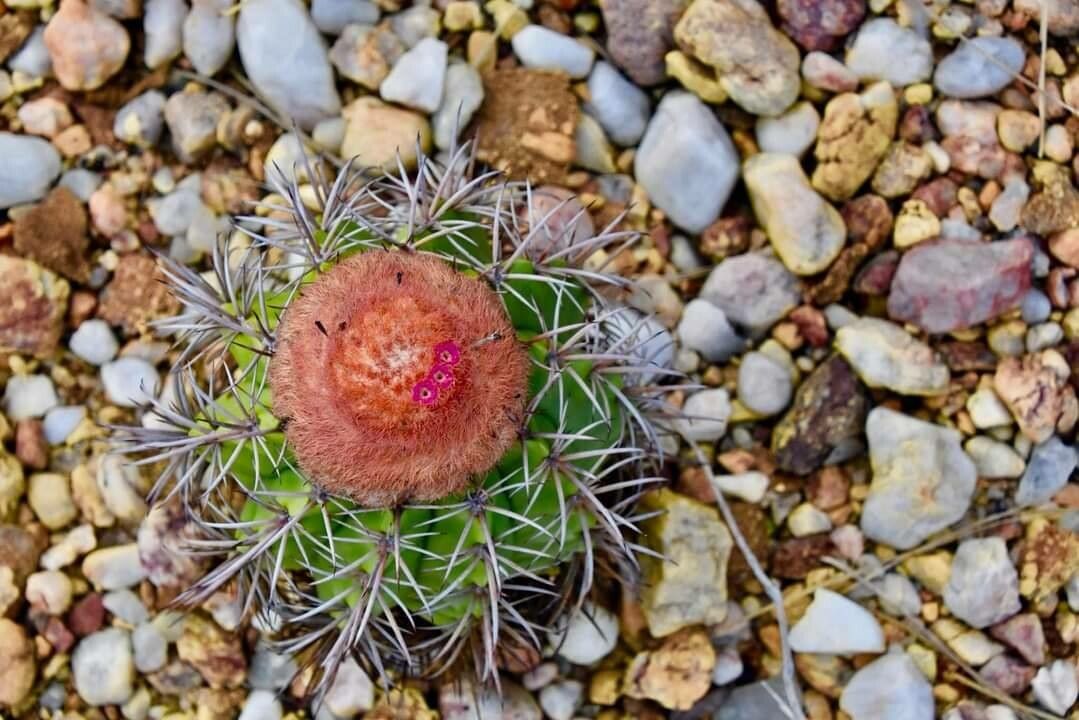
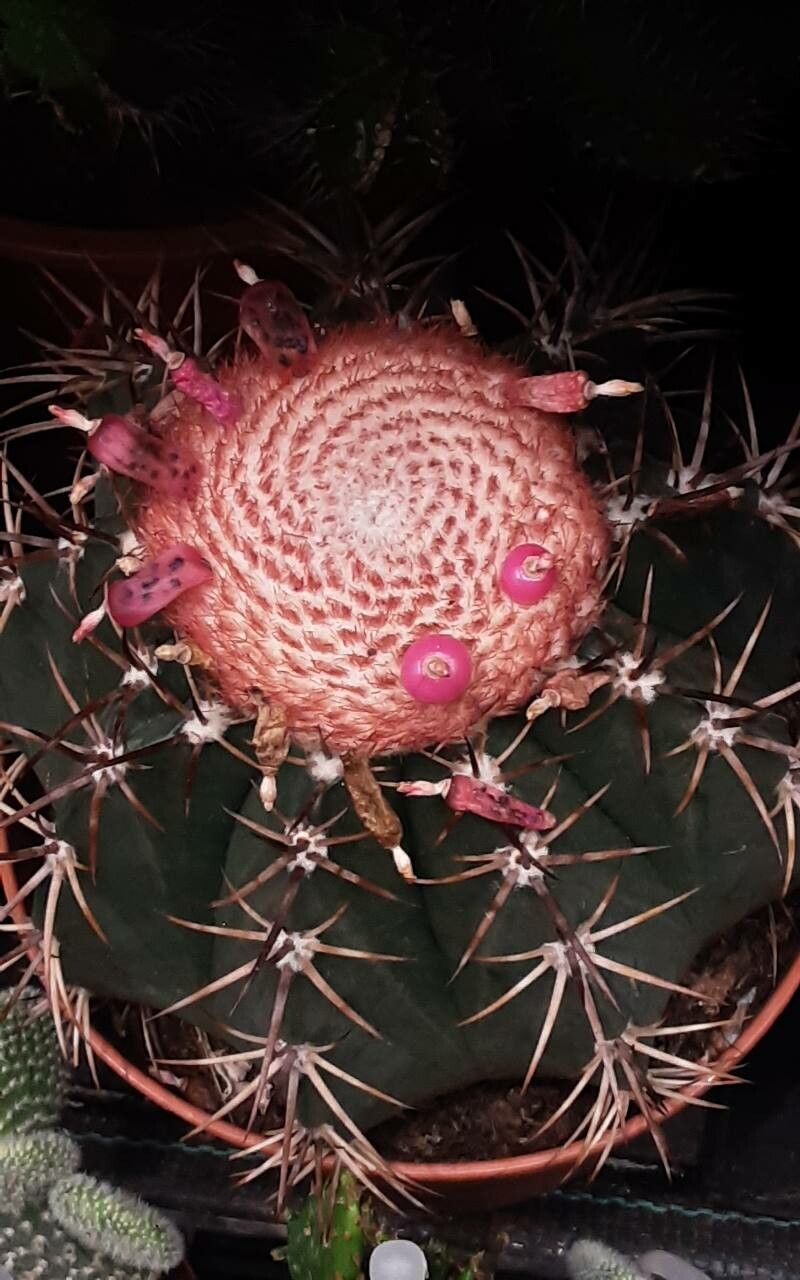
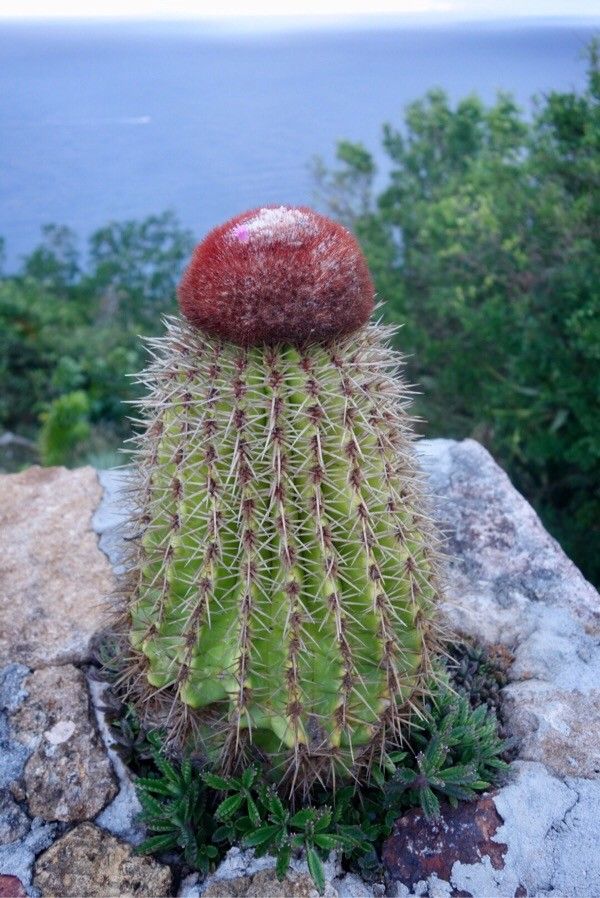
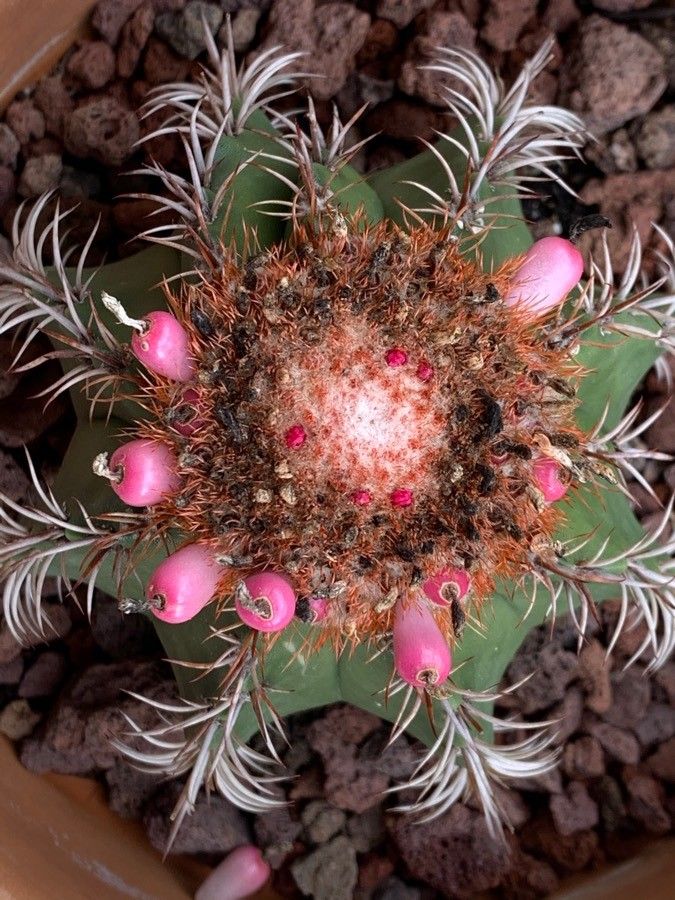
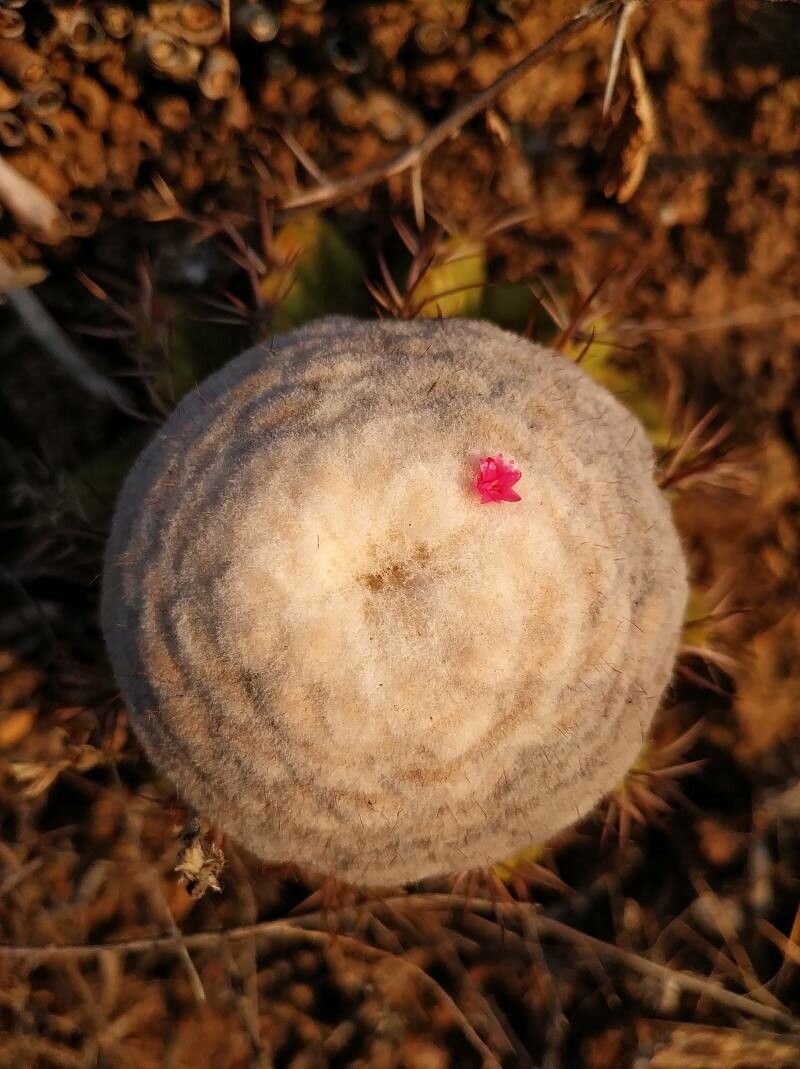
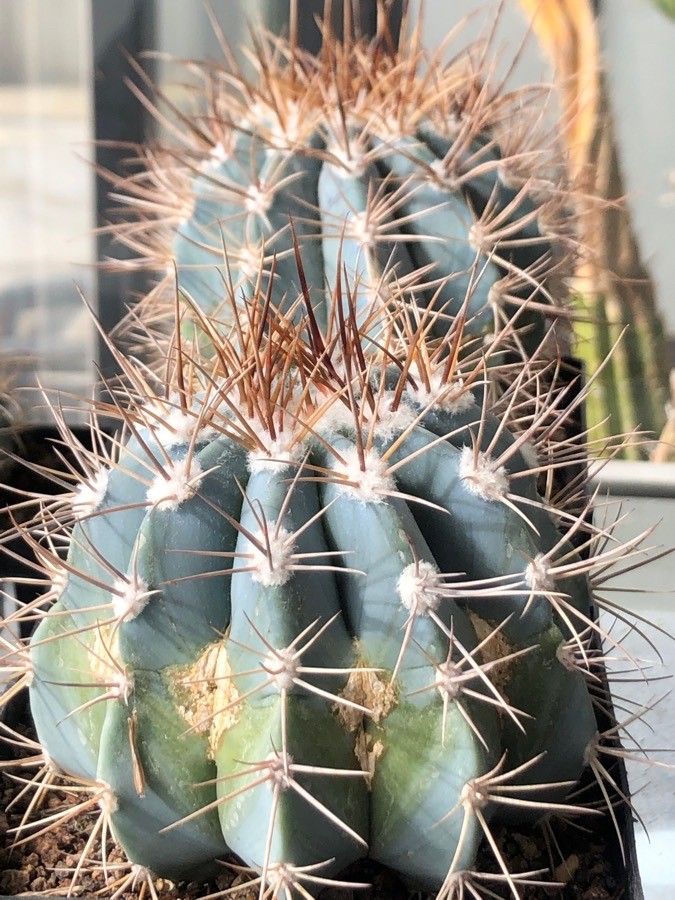
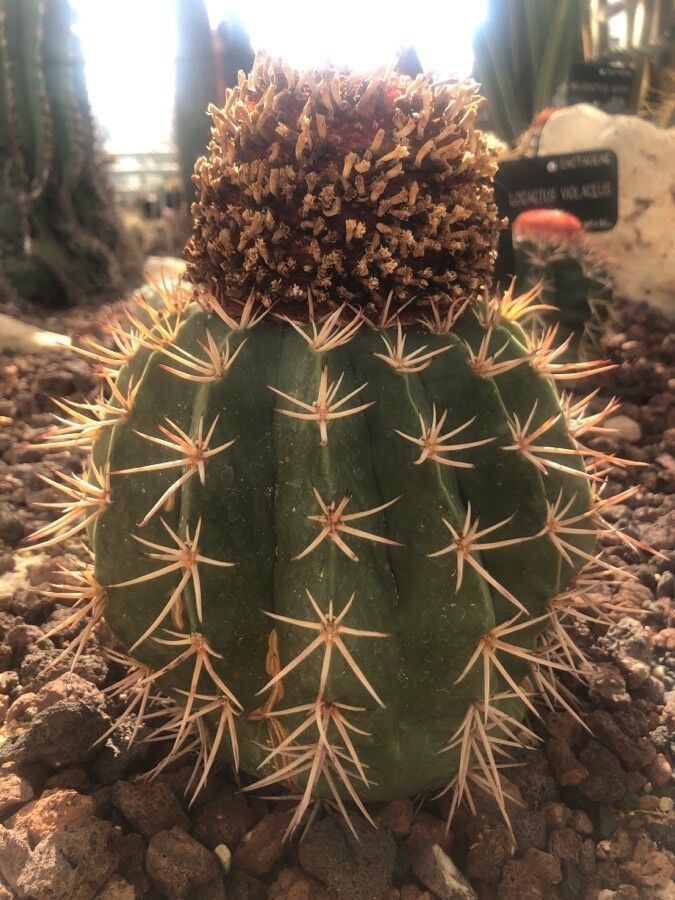
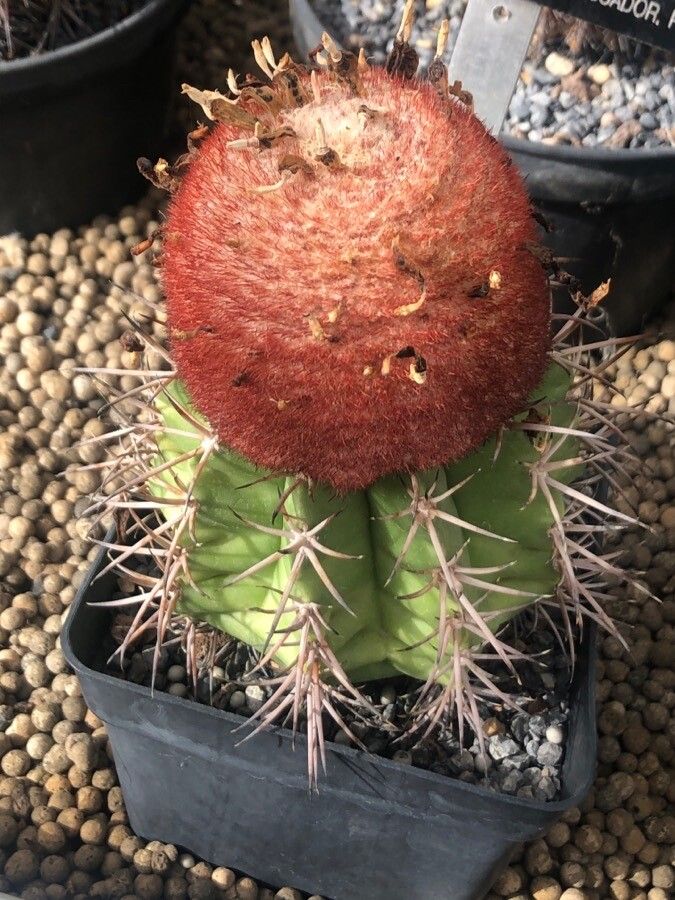
Melocactus intortus, also known as the Turk's cap cactus, is a species of cactus endemic to the Caribbean.
Turk's Cap has strong resistance to disease and tolerates normal care without easily becoming ill. That said, it can be prone to mealybugs; these pests may cause some harm but are typically not a major danger. Regarding care, Turk's Cap is drought-tolerant and does not require frequent watering. It can endure extended intervals without water and needs little fertilizer. However, if lighting is poor and the plant is overwatered, it is very vulnerable to root rot. In general, Turk's Cap is a good choice for those who prefer low-maintenance plants, though its basic needs should still be met. It is especially appropriate for people who are away for long stretches and might forget to water regularly.
How to keep Melocactus Intortus.
Light
Turk's Cap does best with steady, ample sunlight for healthy growth and overall vigor. Native to areas with plentiful sun, it thrives in those conditions but is also tolerant of some shade. Excessive or insufficient light can cause reduced vitality or poor growth.
Water
Turk's Cap is well-suited to arid climates, where it thrives by adapting to sporadic rainfall. This drought-tolerant plant needs minimal watering, typically about once every three weeks, allowing the soil to dry out completely between waterings. It's essential to use a well-draining soil mix to prevent root rot and to replicate its natural sandy habitat.
Humidity
This plant prefers dry conditions, so don't mist it. However, watering it less often can also thrive in higher humidity.
Temperature
Turk's Cap is native to areas where temperatures range from 68 to 100.4 °F (20 to 38 ℃). This temperate plant favors warm climates and should be adjusted seasonally to maintain consistent exposure to temperatures within its preferred range.
Fertilizer
For Turk's Cap, give light doses of fertilizer once or twice a year during the growing season. Do not fertilize in winter or in summer when the plant is dormant. Use less fertilizer for plants that have been repotted and wait a couple of months after repotting before you start feeding. Fertilizing helps maintain healthy growth and encourages blooming.
Pruning
Turk's Cap requires minimal pruning. Focus on removing wilted flowers and branches to help the plant direct nutrients toward healthy growth.
Pot & Repot
Repot Turk's Cap in spring or summer, selecting a pot slightly larger than the current one with good drainage. Use a well-draining, sandy or gritty cactus mix. Handle the plant carefully to avoid its spines. Let the cactus dry out before repotting to prevent root rot. After repotting, wait a week before watering to allow the roots to heal.
Botanical profile.
- Plant Type
- Shrub
- Life Cycle
- Perennial
- Genus
- Melocactus
- Family
- Cactaceae
- Hardiness Zone
- 11
- Mature Height
- 40 cm
- Mature Spread
- 30 cm
- Leaf Color
- Green
- Leaf Type
- Evergreen
- Flower Color
- Pink
- Flower Size
- 1.02 cm
- Bloom Time
- Summer, Early fall, Mid fall
- Planting Time
- Spring, Summer, Autumn
- Harvest Time
- Late summer, Fall, Early winter
- Native Area
- Bahamas
Other names.
Reader questions.
What's the best way to water my Turk's Cap plant?
To water this species effectively, it is recommended to water it from the bottom. This ensures the roots can absorb water properly and circulate nutrients throughout the plant. Avoid spilling water on the top part as it can lead to diseases and fungi. For irrigation systems, use small sprinklers, especially if you have Turk's Cap in your garden. It is best to use revolving sprinklers that allow you to adjust water delivery patterns. On windy days, avoid turning on the sprinkler. Whether your Turk's Cap is in a pot or garden, use the soak and dry method to evenly distribute moisture and promote healthy growth. Some owners may opt for a built-in drainage system using porous materials like recycled glass or hydro stones under the soil. Remember not to overwater these systems as they serve as reservoirs for excess water.
Why should I put fertilizer on my Turk's Cap plant?
Applying plant food to Turk's Cap helps add nutrients to the growing medium, supporting healthy growth even though it already stores water and nutrients. Additionally, fertilizing can promote blooming in mature specimens during the growing season.
What are the sunlight requirements for Turk's Cap?
Turk's Cap needs consistent and substantial sun exposure to thrive, ideally originating from environments where sunlight is abundant. It performs best in full sun, which is above 6 hours of sunlight per day, but can also tolerate partial sun, about 3-6 hours of sunlight. However, it's crucial to watch how sunlight moves through your garden to find spots that offer the perfect balance of light and shade, ensuring the plant's happiness. Over or underexposure to sunlight could lead to diminished vitality or poor development.
What are the ideal temperatures for growing Turk's Cap?
Turk's Cap thrives in warm climates, with its ideal temperature range being between 68 to 100.4 °F (20 to 38 °C). To maintain its health, the plant should be seasonally adjusted to ensure it continuously receives temperatures within this preferred range. As a heat-loving plant, Turk's Cap will gradually stop growing and enter a dormant state as winter approaches. If temperatures drop below 50°F (10°C), it's advised to move the plant indoors, placing it near a south-facing window to maximize sunlight exposure. Insufficient natural light can be compensated with supplemental lighting. When temperatures fall below 68°F (20°C), the plant's growth slows, and watering should be reduced or stopped to prevent root rot. In regions experiencing lower temperatures, outdoor watering should cease.
What should I do if I give my Turk's Cap plant too much or too little water?
The Turk's Cap plant may turn yellow due to both underwatering and overwatering. If the soil is too wet, it could lead to fungal infections, so it's important to let it dry out and avoid overwatering. Browning and dropping leaves indicate too much water, while yellow tips on stems and branches indicate not enough water. When buying a Turk's Cap plant, ask about the soil's drainage. If it doesn't drain well, the plant may not receive enough water in the future. Overwatering or excessive rain can cause the plant to die, so it's recommended to use rainwater or distilled water that's low in minerals. Signs of too much moisture include squishy stems, drooping growth, and discolored parts. To help the plant recover, give it time to dry and consider transferring it to a different container to prevent root rot. If it's planted outside, transferring it to a pot during winter can aid in its recovery.
When should I fertilize my Turk's Cap plant to get the best results?
Turk's Cap plants only require a small amount of fertilizer during the growing season. It is best to fertilize them 1-2 times a year, specifically in the spring and autumn. Avoid fertilizing during winter and summer when they are dormant. If you have recently repotted your Turk's Cap, be cautious and use less fertilizer. It is also recommended to wait a couple of months after repotting before resuming fertilization.
How can I compensate for low natural sunlight for my Turk's Cap indoors?
If your Turk's Cap is not receiving enough natural sunlight, especially during winter or in less sunny spaces, consider supplementing with artificial light. Indoor plants benefit from adequate lighting for optimal growth. LED lights are recommended because they can be customized to provide specific wavelengths needed by your plants. The intensity required varies depending on the plant's natural habitat: 30-50W/sq ft for full sun plants, 20-30W/sq ft for partial sun plants, and 10-20W/sq ft for full shade plants. The artificial light source should be placed 12-36 inches above the plant to mimic natural sunlight and turned on for 8-12 hours per day, depending on the plant's specific needs.
How should Turk's Cap be cared for in low temperatures?
Turk's Cap is not tolerant of low temperatures and performs best when the temperature is consistently above 68°F (20°C). During the colder months, ensure the temperature remains above 50°F (10°C) to avoid damage. Exposure to temperatures below 41°F (5°C) can cause the plant to become weak, wilt, and become prone to root rot. If frost damage occurs, remove the affected areas and inspect for root rot. Cut off any rotted roots and propagate the plant through cuttings if necessary. To protect the plant from low temperatures, move it indoors to a warm environment, ideally near a south-facing window for adequate sunlight. Use supplemental lighting if natural light is insufficient.
How frequently should I water my Turk's Cap plant?
Watering frequency for succulents can vary depending on the season. In the summer and spring, you typically only need to water them once every two to three weeks. However, during the winter and fall, it's best to reduce or avoid watering altogether since these plants become dormant. It's important to let the soil dry completely before watering again. It's better to slightly underwater than to overwater. When potted, deep watering at intervals promotes healthier soil growth. When planted outdoors, avoid watering lightly as this encourages shallow root growth. Instead, wait a few weeks and only water when the surrounding soil is too dry.
When is it not a good idea to fertilize my Turk's Cap plant?
Turk's Cap plant, like other plants, has a dormancy period where it stops growing. During the summer and winter, it's best to refrain from applying fertilizer. Additionally, it's recommended to avoid fertilizing for the first few months after repotting in the spring.
What are the symptoms of light deficiency or overexposure in Turk's Cap?
Turk's Cap may show several symptoms when they suffer from suboptimal lighting. Symptoms of light deficiency include small and pale new leaves, leggy or sparse growth, faster leaf drop, slower or no new growth, and general symptoms of unhealthiness like chlorosis (loss of green color) or leaf curling. On the other hand, symptoms of overexposure to sunlight include sunscald, causing pale, bleached areas on the plant, leaf curling as a defense mechanism against water loss, wilting due to excessive water loss, and leaf scorching, indicated by brown, dry edges on leaves. Monitoring these signs can help in adjusting the plant's exposure to light appropriately.
What steps should be taken if Turk's Cap experiences high temperatures?
During the summer, it's important to keep Turk's Cap in temperatures below 100.4°F (38°C) to prevent heat stress. Exposure to temperatures over 109.4°F (43°C) can halt its growth, cause water loss, wilting, and increase the risk of sunburn. If your Turk's Cap suffers from heat damage, remove the sunburned or rotten parts first. Then, provide shade to shield the plant from the intense afternoon sunlight until it shows signs of recovery and new growth. In the case of root rot, cease watering until the plant begins to develop new roots. This measure helps the Turk's Cap recover from heat stress while preventing further damage.