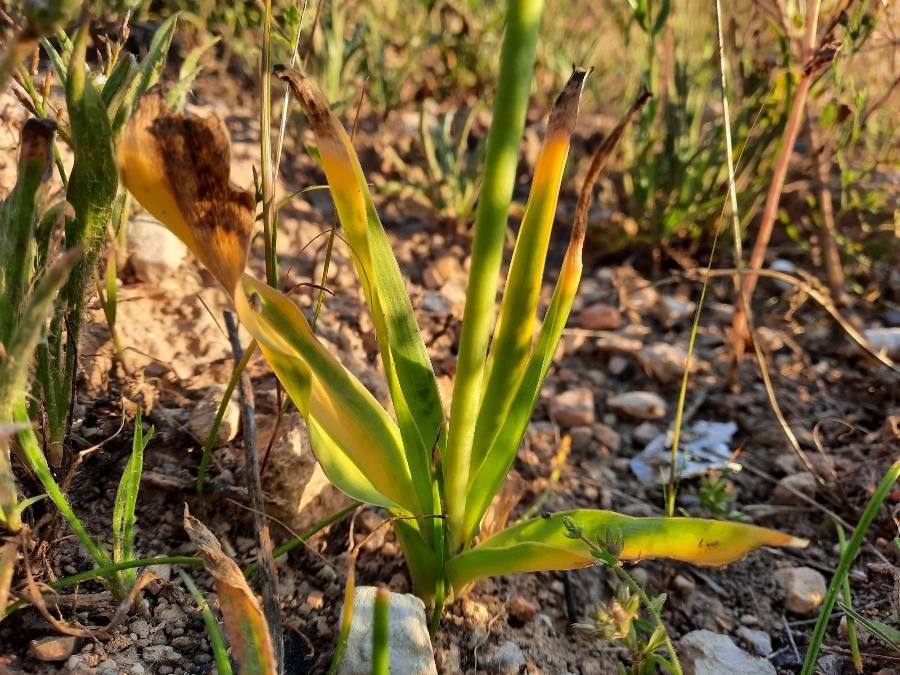
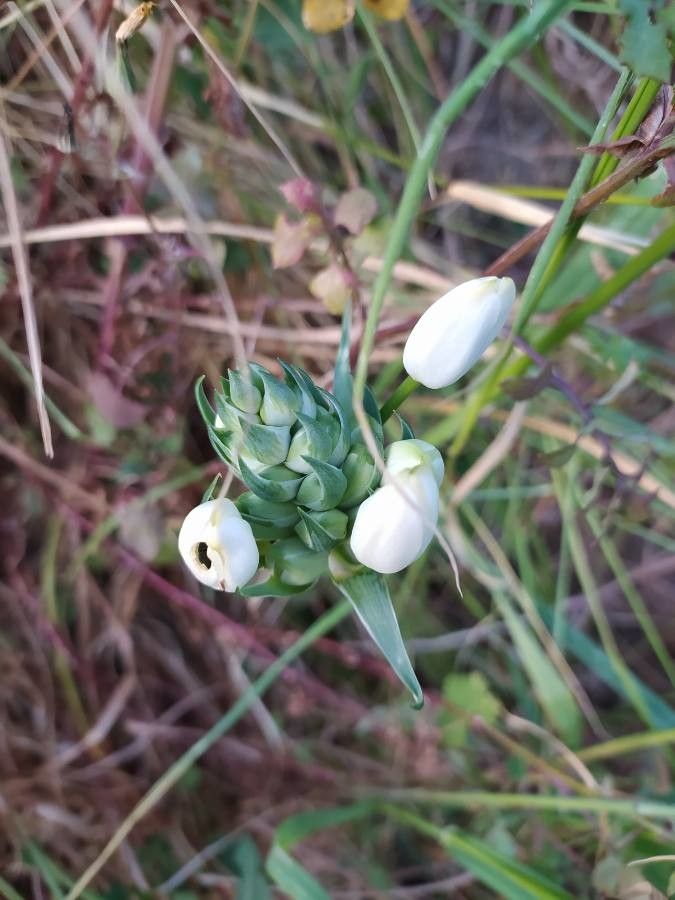
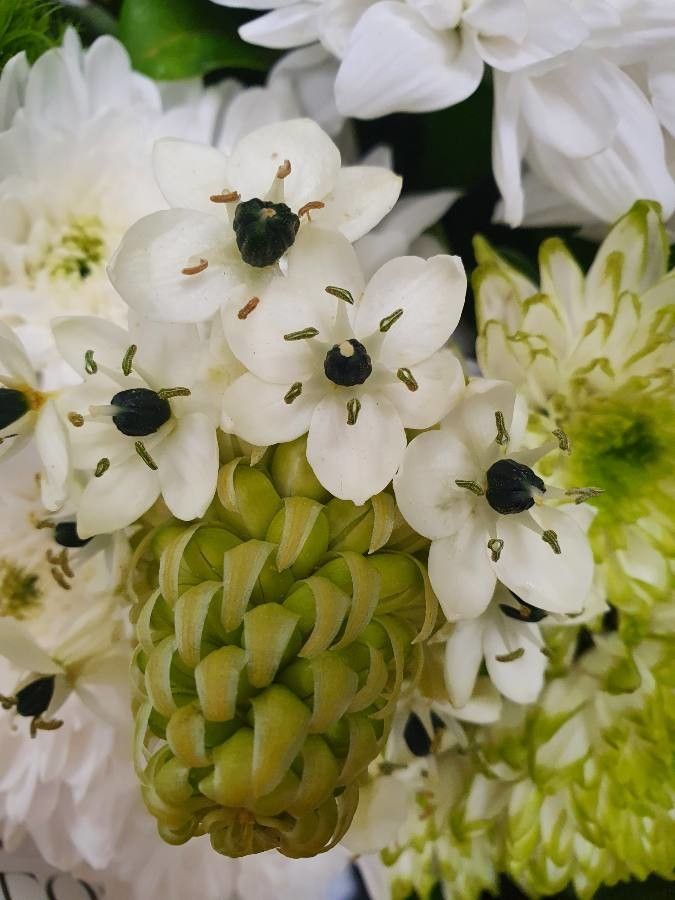
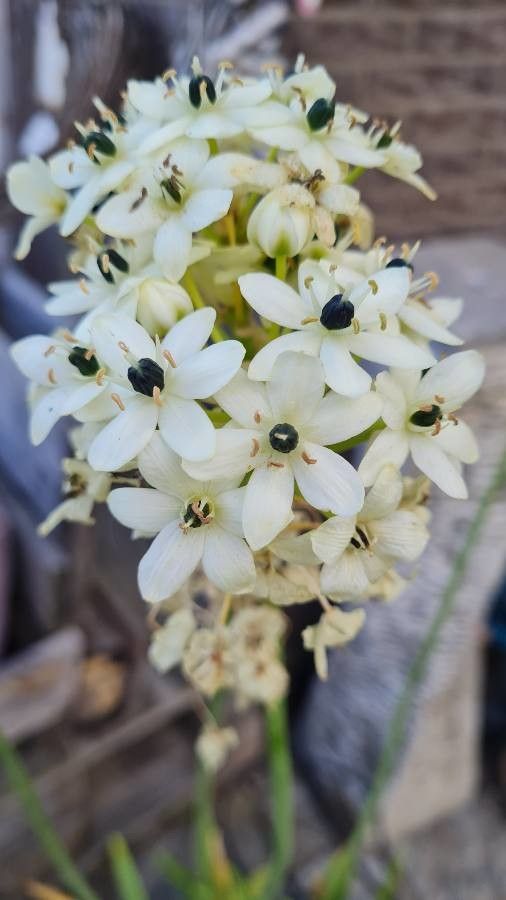
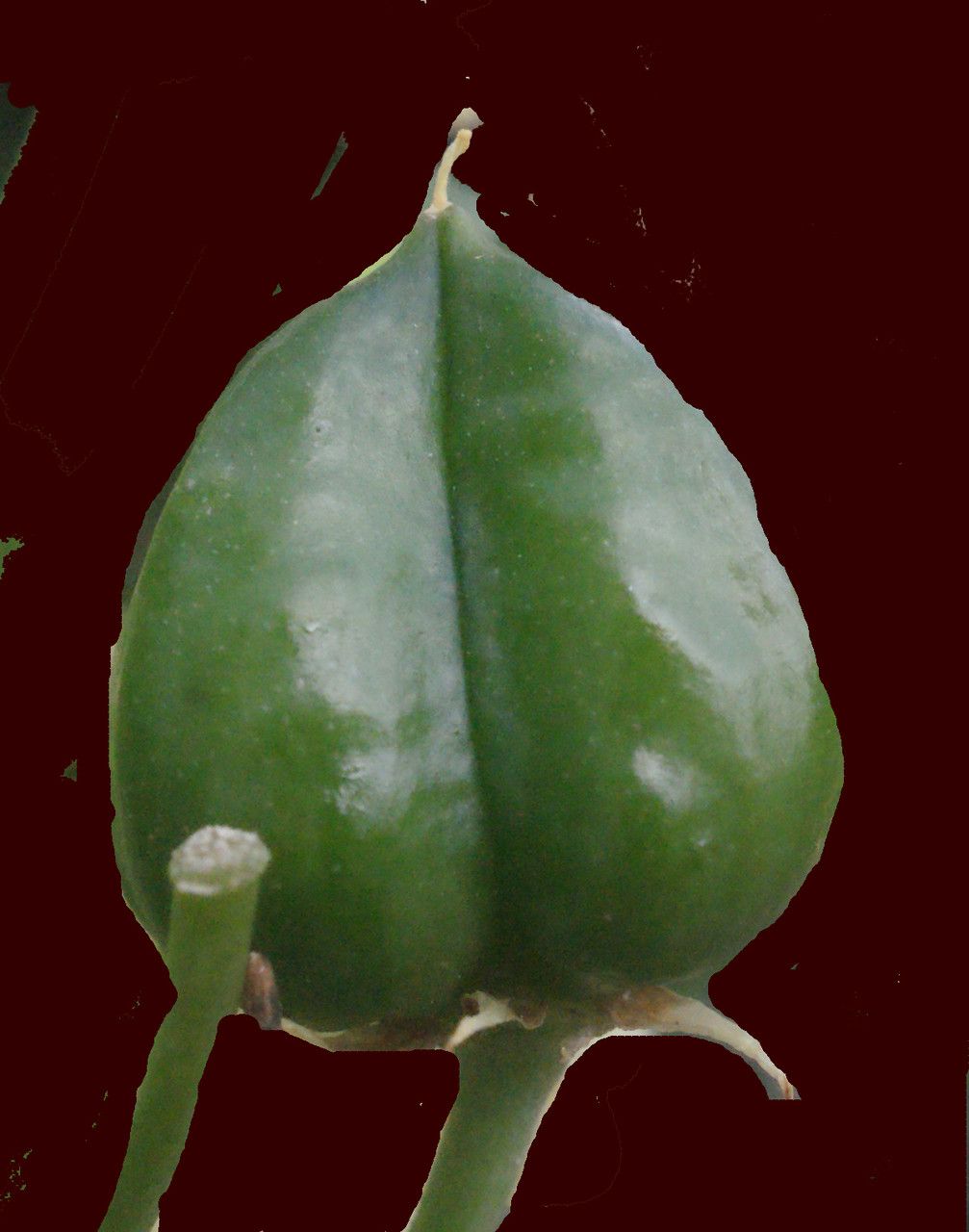
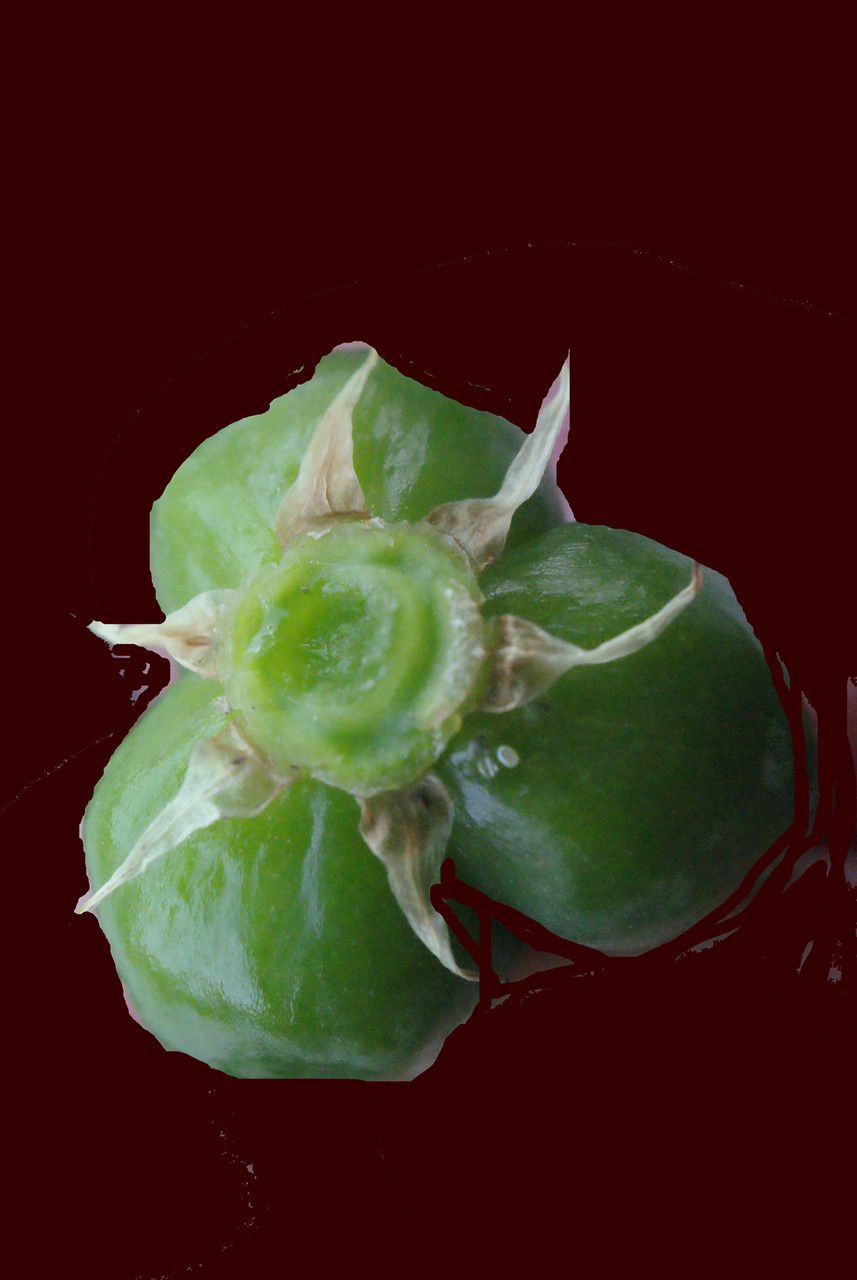
Melomphis arabica, commonly known as Arabian melomphis, is a small evergreen shrub belonging to the Oleaceae family. Native to the Arabian Peninsula, it thrives in arid regions and rocky slopes. The plant can reach a height of up to 1 meter and features a dense, bushy habit with small, dark green leaves.
The flowers of Melomphis arabica are small, white, and sweetly fragrant, blooming during the summer months from June to August. The fruit is an oval-shaped drupe that transitions from green to black as it ripens.
For centuries, traditional healers in Arabia have utilized Melomphis arabica for its medicinal properties. It has been employed as an antiseptic, anti-inflammatory agent, and a treatment for skin conditions such as eczema.
Beyond its medicinal uses, Melomphis arabica is also valued for its ornamental appeal, thanks to its attractive foliage and fragrant blooms. It can be cultivated both indoors and outdoors, provided it is grown in well-drained soil with full sun exposure.
In summary, Melomphis arabica is a fascinating plant species that offers both medicinal benefits and ornamental value, making it a popular choice among gardeners worldwide.
Arabian starflower has strong resistance to diseases and is generally not prone to them. Still, it can be affected by pests and diseases present in its environment. Such infections are typically mild. Regarding care, the plant needs moderate maintenance. It should be pruned regularly to preserve a tidy appearance and support healthy growth. Fertilizing can also encourage more flowering. Arabian starflower is appropriate for anyone with an outdoor area, like a garden or patio, and does not demand extensive care experience. It may need additional attention when cultivated indoors.
How to keep Melomphis Arabica.
Light
The arabian starflower prefers bright settings, which promote vigorous growth. Native to regions with abundant light, this plant does well in surroundings that replicate those conditions. It can, however, continue to grow in somewhat dimmer locations as well. Too much or too little sun can hinder its healthy flowering.
Temperature
Arabian starflower originates from temperate areas and grows best within a temperature range of 59 to 95 °F (15 to 35 ℃). In colder or hotter seasons, adjustments may be necessary to ensure optimal growth.
Fertilizer
The best time to fertilize an Arabian starflower is in early spring, when it is coming out of dormancy and beginning active growth. Fertilization supplies essential nutrients for healthy growth. Although Arabian starflower has relatively low fertilizer requirements, annual fertilization can improve its survival and promote better, longer-lasting flowers.
Botanical profile.
- Plant Type
- Herb
- Life Cycle
- Perennial
- Genus
- Melomphis
- Family
- Asparagaceae
- Hardiness Zone
- 8-10
- Mature Height
- 46 cm to 61 cm
- Mature Spread
- 10 cm
- Leaf Color
- Green
- Leaf Type
- Deciduous
- Flower Color
- White
- Flower Size
- 3.05 cm to 5.08 cm
- Bloom Time
- Late spring, Early summer
- Planting Time
- Winter, Spring
- Harvest Time
- Early summer, Mid summer
Other names.