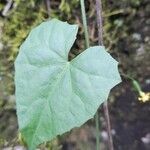
Melothria pendula
Creeping-cucumber · Guadeloupe-Cucumber · Small wild cucumber · Drooping melonette · Meloncito
Description
Source: leafsnapMelothria pendula, also known as the creeping cucumber or the Guadeloupe cucumber, is a plant in the Benincaseae tribe. The plant is especially prominent in southeast regions of the United States. The plant resembles the cultivated cucumber, possessing miniature yellow flowers, similar leaf shape, same leaf patterns, as well as similar growth patterns. The unripe berries strongly resemble minuscule watermelons.
🌳 Though modest in appearance, creeping cucumber has decorative appeal because of its delicate vine habit and small, attractive fruits that resemble tiny watermelons. Its tendency to grow quickly and form cascading vines makes it an unusual pick for hanging baskets or a conversation-provoking feature in a home garden. Twining easily around trellises, creeping cucumber provides both visual charm and a whimsical touch to any space where it grows.
🎭 Purity, Restoration, Fruitfulness
Care Guide
💧 Water Every 7 days
Creeping cucumber thrives in humid environments because it efficiently retains moisture. While it prefers to be watered twice a week, it can also withstand short periods of drought. Adding mulch around the plant when growing outdoors can help retain moisture, reducing the need for frequent watering and better matching its natural water requirements.
How should I water my Creeping cucumber plant to keep it healthy?
To properly water the Creeping cucumber, it's best to use filtered water at room temperature. Tap water may have harmful particles. The plant prefers warmer water because it is used to a warm environment and cold water can be a shock. Avoid watering from above to prevent issues with the foliage. Instead, completely soak the soil with filtered room temperature water. This benefits the plant by keeping the roots moist and helping them spread and gather nutrients.
What do I do if I give my Creeping cucumber too much or too little water?
Overwatering can harm your Creeping cucumber's health, and it's a more common issue than underwatering. Too much water can cause wilting, yellowing of stems and leaves, and diseases like root rot, mold, and mildew that can kill the plant. Underwatering is less common for the Creeping cucumber, which has good drought tolerance. However, if it happens, the leaves may become brittle and brown. It's important to recognize signs of overwatering early to prevent irreparable damage. If you notice these signs, reduce watering immediately and check if the soil drains well. If not, replace it with a loose, well-draining potting mix. If your Creeping cucumber lacks water, simply increase watering until the signs disappear.
How often should I give water to my Creeping cucumber?
If your Creeping cucumber is in a pot, the most accurate way to determine if it needs water is to check the soil by inserting your finger into it. When the top two to three inches of soil are dry, it is time to water. If you are growing your Creeping cucumber outdoors in the ground, you can use a similar method to test the soil. Once the top few inches of soil have dried out, it is time to water. Typically, during the spring and early fall, you will need to water this plant about once every week using this method. However, when the weather becomes extremely hot, you may need to increase watering to about twice or more per week. However, it's important to note that mature and well-established Creeping cucumbers have an impressive ability to withstand drought.
How much water does my Creeping cucumber plant need?
To water your Creeping cucumber effectively, make sure the top two to three inches of soil are dry before watering. Give the plant a thorough watering, making sure to soak the soil completely. Add enough water so that it flows through the drainage holes at the bottom of the pot. If you don't see excess water draining, you may not have watered enough, but be cautious not to let water accumulate in the soil. If the water doesn't drain properly, it could be due to poorly draining soil, which is harmful to the plant's health. If the plant is outdoors, 1 inch of rain per week should be sufficient.
What is the best way to water my Creeping cucumber as it grows?
The water needs of the Creeping cucumber can vary depending on its growth stages. In the early years or after transplanting, you will need to provide more water. During these stages, the Creeping cucumber puts a lot of energy into developing new roots for future growth, which requires extra moisture. As the plant matures, it will require less water. Additionally, during the bloom period, when the plant is producing flowers, it may need more water due to the increased moisture demand for flower development.
☀️ Light Full sun
Creeping cucumber does best when exposed to plenty of sunlight throughout the day, which supports its optimal growth. While it can tolerate lower light levels, reduced illumination may harm its development. The plant’s natural habitat receives a lot of sun, highlighting this preference. Both excessive sun and insufficient light can result in poor health and growth problems.
What are the sunlight requirements for creeping cucumber?
Creeping cucumber thrives in conditions where it can receive full sun, defined as over 6 hours of sunlight daily, or partial sun, about 3-6 hours of sunlight daily. It is crucial for the plant's optimum growth to have ample exposure to sunlight throughout the day. Native to environments with significant sun exposure, creeping cucumber can endure lesser light but with adverse effects on its growth. Insufficient or excessive sunlight leads to health and growth issues, so it's essential to find the perfect balance of light and shade in your garden.
How can artificial lighting be used for creeping cucumber indoors?
Indoor creeping cucumbers require adequate lighting for optimal growth, especially when natural sunlight is lacking during winter or in less sunny spaces. Artificial lights, particularly LED lights, are recommended as they can be customized to provide specific wavelengths of light needed by the plants. Full sun plants need 30-50W/sq ft, partial sun plants require 20-30W/sq ft, and full shade plants need 10-20W/sq ft of artificial light. The light source should be placed 12-36 inches above the plant to mimic natural sunlight, and most plants need 8-12 hours of light per day.
What are the symptoms of inadequate lighting for creeping cucumber?
Symptoms of insufficient lighting in creeping cucumber include small or underdeveloped leaves, leggy or sparse growth, faster leaf drop, slower or halted growth, lighter-colored new leaves indicating a lack of chlorophyll and essential nutrients, chlorosis or yellowing of leaves, sunscald which is damage from intense exposure, leaf curling as a defense mechanism, wilting due to increased water loss, and leaf scorching characterized by brown, dry, and crispy leaf edges.
What solutions can improve the light conditions for creeping cucumbers?
To improve light conditions for creeping cucumbers, gradually increase their exposure to sunlight by moving them to sunnier locations each week, aiming for at least 6 hours of direct sunlight daily. Utilize south-facing windows for indoor plants and keep curtains open for maximum sunlight. For plants that are large or not easily movable, consider supplementing with artificial light, keeping lamps on for at least 8 hours daily. Outdoors, avoid sudden changes in light intensity to prevent sunburn. For ground planting, reduce obstructions by pruning or transplanting to sunnier locations with good drainage during the plant's dormant period.
🌡️ Temperature 15–37.8°C
Creeping cucumber is a plant native to warm environments that prefers a temperature range of 68 to 100 °F (20 to 38 ℃). Seasonal adjustments may involve supplying extra warmth during cooler months.
What are the ideal growing conditions for creeping cucumber?
Creeping cucumber, also known by its botanical name, Melothria pendula, is native to warm environments and flourishes in a temperature range of 68 to 100 °F (20 to 38 °C). It is important to make seasonal adjustments to maintain optimal growth conditions, such as providing additional warmth during cooler months. Although the plant has some cold tolerance, it generally does not require any special care when temperatures are above its minimum tolerable range. However, if temperatures are expected to drop below this minimum tolerable level, protective measures like wrapping the plant with plastic film, fabric, or other materials should be taken temporarily. Once temperatures rise again, these protective materials need to be removed promptly.
How does creeping cucumber react to low temperatures, and what are the solutions?
Creeping cucumber has a moderate tolerance to low temperatures and thrives best when kept above its suitable growth temperature minimum. During winter, it's essential to ensure the temperature remains above the plant's tolerable growing temperature minimum. If temperatures fall below its growth limit, the leaves may droop; they can recover in mild cases, but in severe instances, the leaves may wilt and eventually fall off. The recommended solution is to trim off the frost-damaged parts and take preventative measures before future low temperatures by wrapping the plant with materials such as non-woven fabric or cloth, and constructing a wind barrier to protect it from cold winds.
What should be done if creeping cucumber experiences high temperatures?
During the summer, it's crucial to keep creeping cucumber below its suitable growth temperature maximum. Exceeding the tolerable growth temperature maximum can cause the leaves to lighten in color, dry out, and curl, making the plant more susceptible to sunburn. To mitigate these issues, trim away any sunburned and dried-up parts. Also, move the plant to a shaded location, especially away from the midday and afternoon sun, or use a shade cloth. Ensuring the soil stays moist by watering in the morning and evening will also help the plant cope with high temperatures.
💨 Humidity
🪴 Soil 6-7
🌱 Fertilizer
For Creeping cucumber, one fertilizer application in spring is typically enough, though multiple feedings can boost growth. Feed every month to every month and a half. Fertilization improves leaf appearance and function, helping maintain even color and a healthy texture. It also encourages root development and nutrient uptake for long-term plant health.
Why should I put fertilizer on my Creeping cucumber?
The main structure of the Creeping cucumber is made up of its leaves. Fertilization is important for the health and appearance of these leaves. It ensures consistent color and a healthy texture. Fertilization also benefits the root system by promoting the growth of new roots and maintaining existing ones. This not only keeps the plant healthy in the present, but also improves its ability to absorb nutrients from the soil in the future.
When should I fertilize my Creeping cucumber?
If you grow your Creeping cucumber outdoors each year, it will send out new growth in early spring. This is a good time to start fertilizing. Usually, a single application of fertilizer in the spring will be enough. However, if you want to maximize growth, you can fertilize multiple times in the spring and early summer. In this case, you can feed your Creeping cucumber every month to a month and a half.
When is it not a good time to fertilize my Creeping cucumber?
During the late fall and winter, your Creeping cucumber goes into a dormant phase where it stops growing. During this time, avoid fertilizing it. In the spring and summer, if you choose to fertilize, start reducing the amount as summer approaches because the growth rate of the Creeping cucumber slows down. It is not recommended to fertilize the Creeping cucumber during extremely hot weather or when the soil is very dry as this can stress it and cause it to die prematurely.
What kind of fertilizer does my Creeping cucumber require?
Choosing the best fertilizer for a Creeping cucumber is actually quite simple. These plants thrive with a general-purpose garden fertilizer that contains equal parts nitrogen, phosphorus, and potassium. A fertilizer with a 10-10-10 ratio, or something similar, will work well. It's important to avoid fertilizers with excessive nitrogen if you are unsure. Granular fertilizers, particularly slow-release ones, are usually the best choice for Creeping cucumbers. They are easy to apply to the soil and provide long-lasting nourishment. Additionally, feeding your Creeping cucumber with organic soil amendments like compost can also be beneficial.
How should I fertilize my Creeping cucumber plant?
To ensure the best growth for your Creeping cucumber, wait until its first leaves break through the soil in early spring. Once this happens, apply a granular slow-release fertilizer with a balanced formula to the soil around the base of the plant. You can repeat this process later in the season if you'd like. Remember to apply the fertilizer to the soil, not directly on the plant. You may need to move some leaves aside to access the soil above the roots. It's also helpful to water your Creeping cucumber before and after fertilizing.
🪴 Pot & Repot Every 12 months
✂️ Pruning
To ensure the healthy growth of creeping cucumber, strategic pruning is essential. This involves removing dead vines and pinching the tips to encourage bushier growth. The best time to prune is from early to late spring. Proper pruning enhances air circulation, reduces the risk of disease, and optimizes the plant's ornamental appearance and fruit production potential.
🌿 Propagating
🐛 Diseases & pets
☠️ Toxicity
Characteristics
- Plant Type
- Vine, Herb
- Life Cycle
- Perennial, Annual
- Genus
- Melothria
- Family
- Cucurbitaceae
- Hardiness Zone
- 8-11
- Mature Height
- 15 cm to 20 cm
- Mature Spread
- 3.66 m to 4.57 m
- Leaf Color
- Green
- Leaf Type
- Evergreen
- Flower Color
- Yellow
- Flower Size
- 0.10 cm to 0.20 cm
- Bloom Time
- Early summer, Mid summer
- Planting Time
- Autumn
- Harvest Time
- Mid summer, Late summer
- Native Area
- Belize, Honduras, Mexico, Guatemala, Peru, Panama, Jamaica, Colombia, Bahamas, Cuba, Bolivia, Venezuela, Brazil, Guyana, El Salvador, Nicaragua, Ecuador, Costa Rica