Mentha piperita
Peppermint
Description
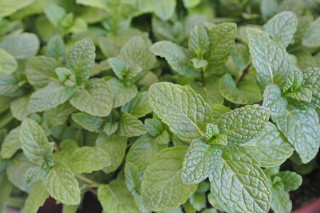
Source: leafsnapThe Peppermint (Mentha x piperita), also known as the Black Mint or the Candy Mint, is a cross between Spearmint (Mentha spicata) and Watermint (Mentha spicata) (Mentha aquatica). Peppermint is distinguished from other varieties of mint by its strong, peppery bite and cold aftertaste. Depending on the growth circumstances, this plant may reach a mature height of three feet and a width of two feet. Plants often grow to be one to two feet tall. Although some varieties have green, hairy stems, the stems are generally red and smooth. The leaves are large and oval in shape, with serrated edges that might grow hairy. The shrub produces gorgeous pink or purple blooms on spikes in the summer.
Care Guide
💧 Water Every 3-5 days
Consistently wet soil is essential for keeping your peppermint plant happy and flavorful. However, be cautious not to overdo it. Like other mints, peppermint cannot tolerate standing water or moist soil. Soggy roots are a sure way to damage or hurt your plant.
☀️ Light
🌡️ Temperature
Peppermint is very hardy and can withstand minor frosts, but it cannot withstand prolonged cold spells in frigid areas. Its optimal growth conditions are between 55 and 70 degrees Fahrenheit, although it can thrive well above and below that range with minimal harmful impact. If you anticipate warmer weather, keep the soil wet while keeping an eye out for extra growth caused by humid circumstances.
💨 Humidity
🪴 Soil
🌱 Fertilizer
Most herbs, particularly those of the genus Mentha, should not be fertilized. Herbs' tastes are determined by the oils found in their blossoms and leaves. Accelerating their development might result in tiny, profuse growth with numerous flowers and leaves, as well as lanky stems, as opposed to huge, rich blooms and foliage with concentrated oils. This difference is typically noticeable in the flavor of cultivated herbs vs. store-bought herbs.
🪴 Pot & Repot
✂️ Pruning
Mint pruning is a crucial part of maintaining your plant's health and strength. By eliminating dead or dying leaves and stems, you make room for new growth. Your plant will not only look better, but it will also produce more mint leaves for you to enjoy.
🌿 Propagating
🐛 Diseases & pets
☠️ Toxicity
As an edible herb, mint is non-toxic to humans. However, according to the ASPCA, the essential oils in mint are toxic to dogs, cats, and horses. If a lot is ingested, it can cause vomiting and diarrhea, and liver failure is also a possibility, Never apply mint oil to your pet's skin or hair. If your pet ingests essential mint oil, contact a veterinarian.
Characteristics
- Plant Type
- Perennial herb
- Hardiness Zone
- 3-11
- Bloom Time
- Summer
- Native Area
- Eurasia, North America, southern Africa, and Australia