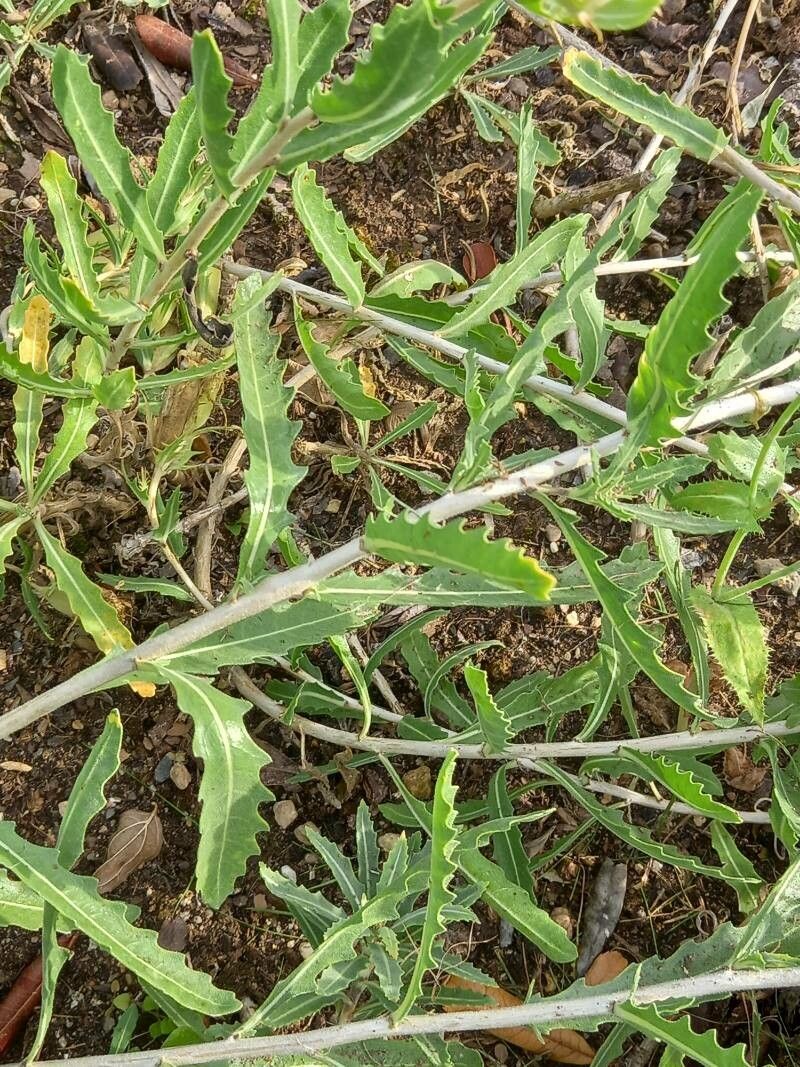
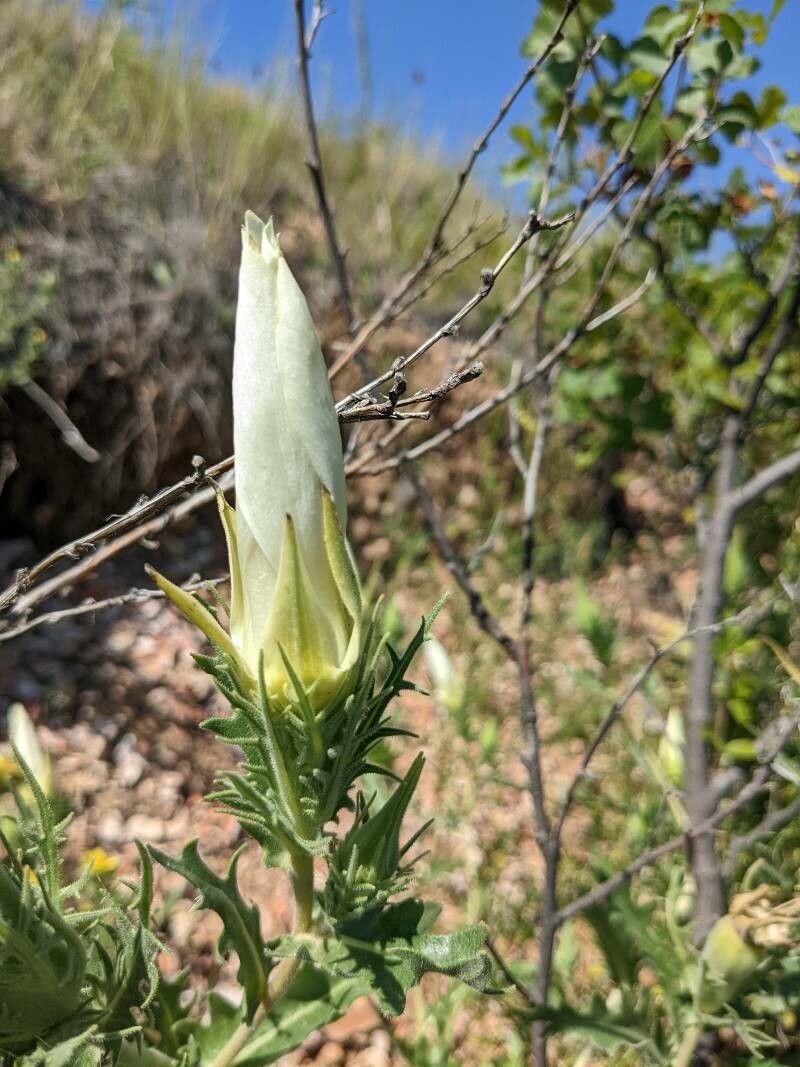
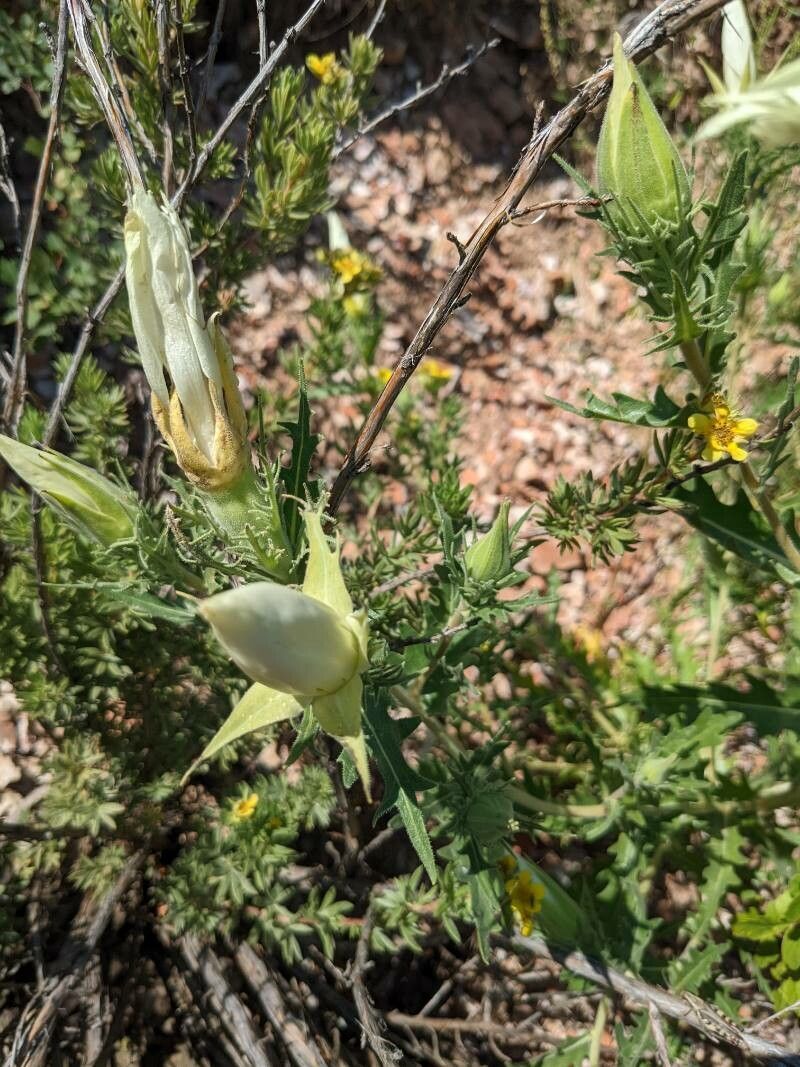
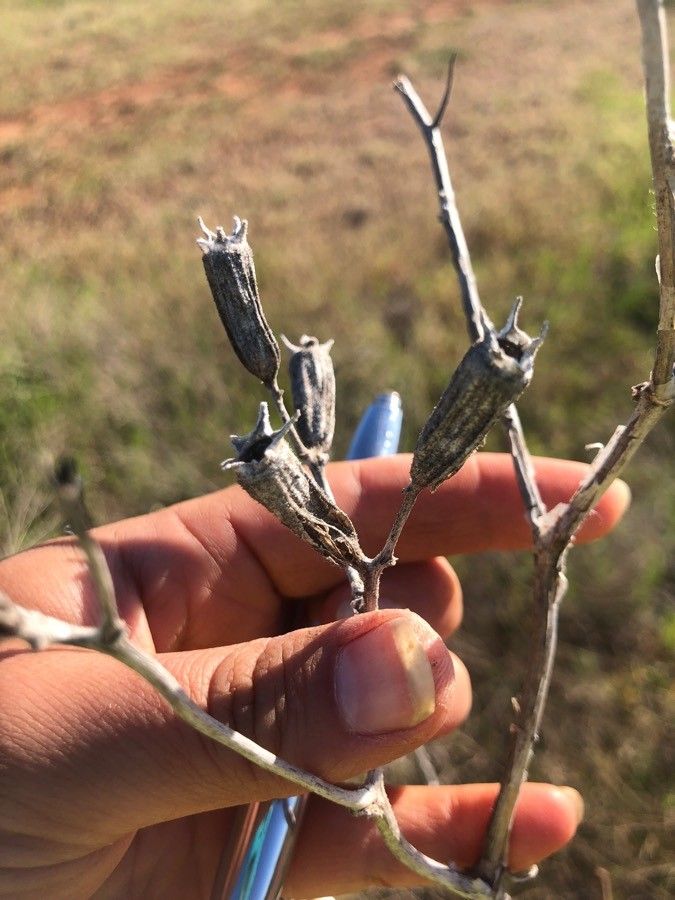
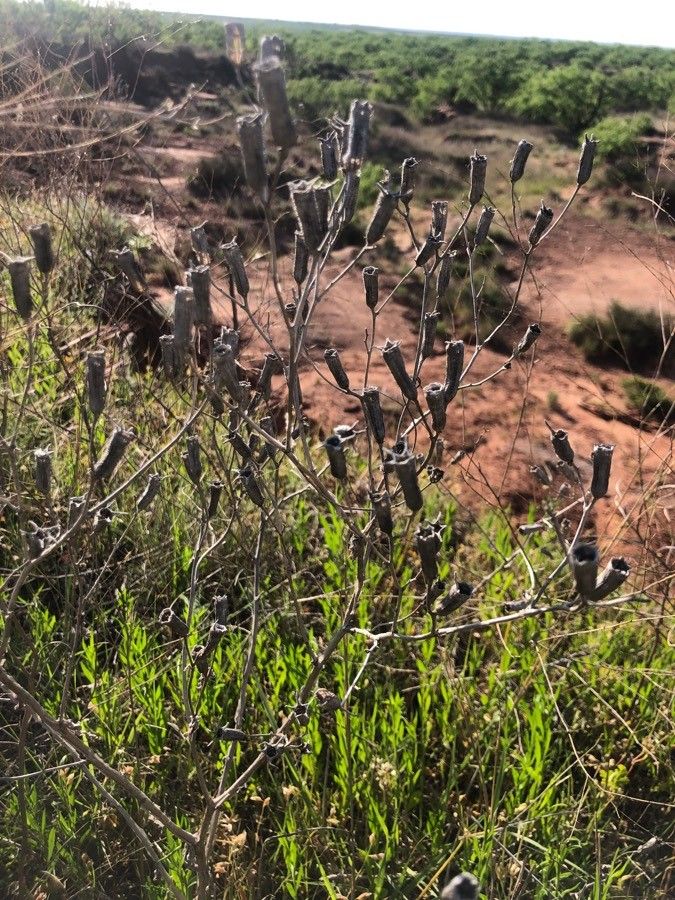
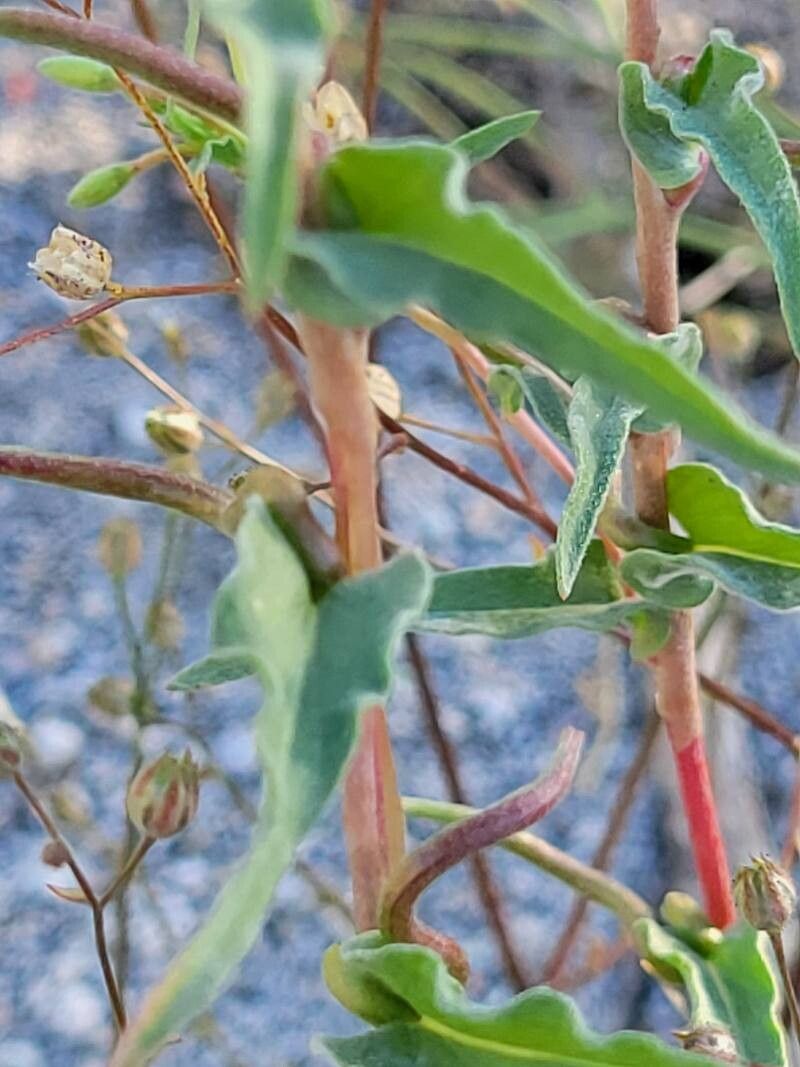
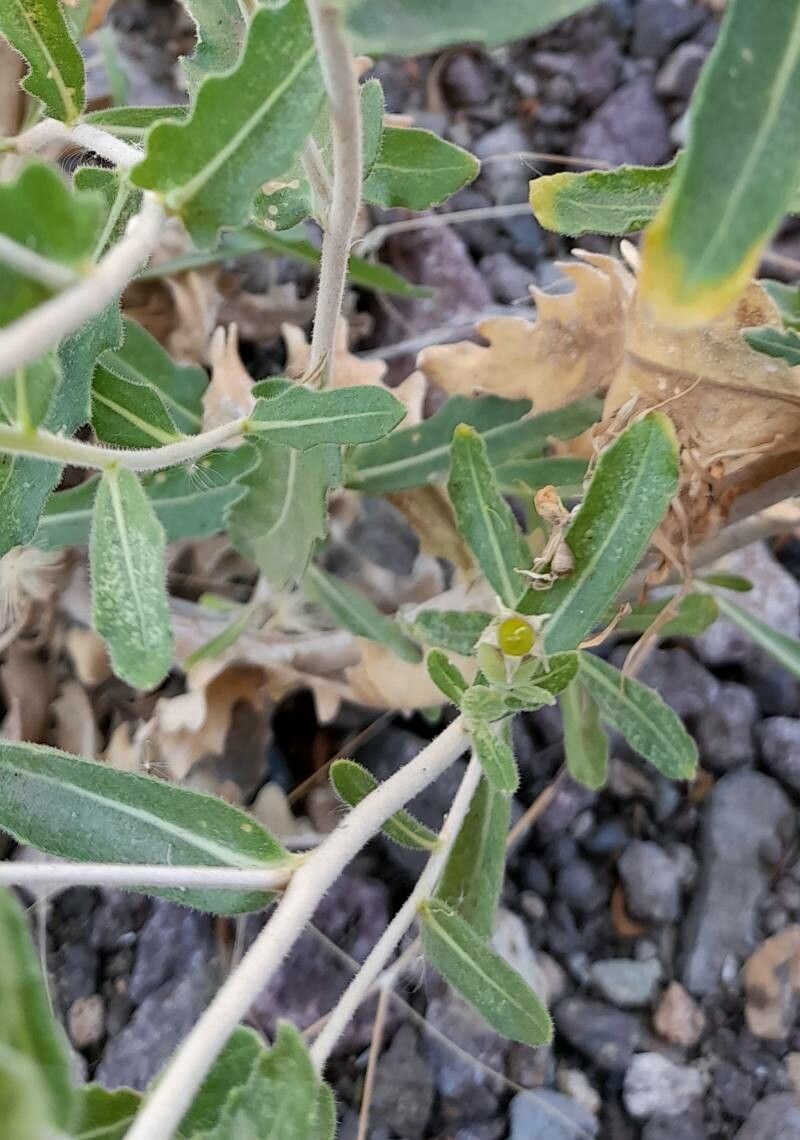
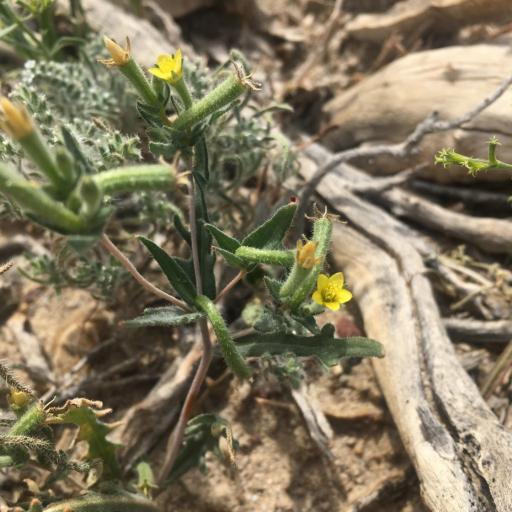
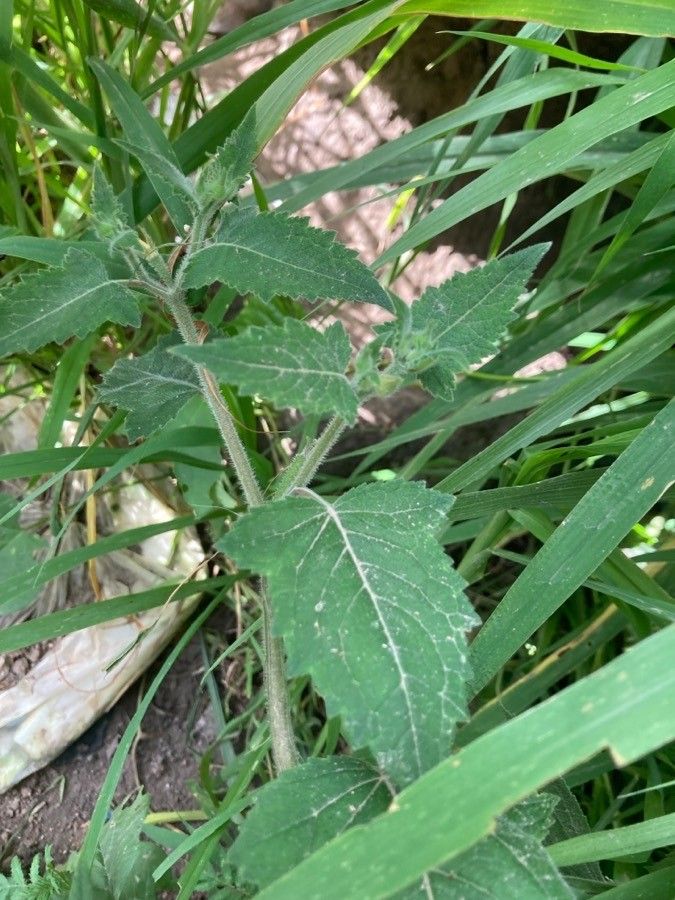
Mentzelia decapetala (commonly known as tenpetal blazingstar, evening-star, candleflower, gumbo lily, or chalk lily) is a herbaceous biennial or short-lived perennial with large white flowers that bloom at night. It is native to dry areas in the western United States.
Tenpetal blazingstar is fairly disease-resistant and generally does not tend to get illnesses. However, it can be vulnerable to pests and diseases present in its environment. When such issues occur, they are usually not severe. In terms of care, the plant needs moderate maintenance. It should be pruned regularly to preserve a neat appearance and support healthy growth. Fertilizing can also help encourage flowering. Tenpetal blazingstar is suitable for anyone with outdoor space, such as a garden or patio, and does not require extensive care experience. It may need more attention if grown indoors.
How to keep Mentzelia Decapetala.
Light
Tenpetal blazingstar comes from bright, open environments and does best in full sun. It can tolerate partial sun but favors direct sunlight for optimal growth. This plant, which can be annual or biennial, is noted for its sun-loving nature.
Water
The tenpetal blazingstar, native to arid regions, is drought-tolerant and thrives with just weekly watering. It prefers well-drained soil and occasional misting to replicate the humidity of its natural environment. As an evergreen plant, the tenpetal blazingstar is perfect for xeriscaping. Its resilience and adaptability make it best suited for outdoor growth.
Temperature
Tenpetal blazingstar can tolerate a wide range of temperatures, but its occurrence may still be restricted by particular combinations of moisture and heat. It does best in warm summer conditions with sufficient rainfall or watering. Extended periods of cloudy, rainy weather, as well as sustained high temperatures, can raise the chance of Tenpetal blazingstar dying. In winter, adequate protection from the cold can increase the plant's survival rate.
Fertilizer
Tenpetal blazingstar requires regular fertilization to encourage flowering, but it does not tolerate excessive amounts. It needs small, frequent applications of fertilizer throughout its entire life cycle, especially during the peak growth period and while it is flowering. You will feed your Tenpetal blazingstar until they stop blooming.
Pruning
The Tenpetal Blazingstar showcases star-shaped flowers with ten petals and thrives with regular pruning from early to late spring. To optimize airflow, sunlight exposure, and flowering, remove any dead or overcrowded branches. Always use clean pruning tools to prevent disease, ensuring both the plant's health and its visual appeal.
Botanical profile.
- Plant Type
- Herb
- Life Cycle
- Biennial, Perennial
- Genus
- Mentzelia
- Family
- Loasaceae
- Hardiness Zone
- 4-8
- Mature Height
- 0.61 m to 1.52 m
- Mature Spread
- 30 cm to 61 cm
- Leaf Color
- Green, Light Green
- Leaf Type
- Semi-evergreen
- Flower Color
- White
- Flower Size
- 6.35 cm to 10.16 cm
- Bloom Time
- Summer
- Planting Time
- Spring, Summer
- Harvest Time
- Late summer, Early fall, Mid fall
Other names.
Reader questions.
What are the sunlight requirements for Tenpetal blazingstar?
Tenpetal blazingstar requires full sun, meaning it should receive above 6 hours of sunlight daily to thrive optimally. Although it can tolerate partial sun, it flourishes best in direct sunlight. Observing how sunlight moves through your garden is crucial. Choosing locations that offer a perfect balance of light and shade will ensure the well-being of your plants. It's important to note that Tenpetal blazingstar is adapted to bright, open environments indicative of its sun-loving nature.
How does artificial lighting benefit indoor Tenpetal blazingstar plants?
Indoor Tenpetal blazingstar plants benefit significantly from artificial lighting, especially when natural sunlight is insufficient, such as during winter or in less sunny spaces. Artificial lights, like LED lights, can be customized to provide specific wavelengths needed by the plant, promoting faster and healthier growth. For full sun plants, 30-50W/sq ft of artificial light is recommended, with the light source placed 12-36 inches above the plant for 8-12 hours a day to mimic natural sunlight conditions effectively.
What are the symptoms of light deficiency in Tenpetal blazingstar?
When Tenpetal blazingstar is grown indoors under inadequate light, it may show symptoms of light deficiency. These include the development of smaller new leaves, leggy or sparse growth, quicker leaf drop, delayed or halted growth, lighter-colored or yellow leaves indicating chlorosis, and physical damage like sunscald, leaf curling, wilting, and leaf scorching. These symptoms indicate that the plant is not receiving enough sunlight, which is critical for its growth and health.
What solutions are available for Tenpetal blazingstar experiencing light deficiency?
For Tenpetal blazingstar plants suffering from light deficiency, several solutions can be employed. Indoors, it's advisable to gradually move plants to sunnier spots, aiming for at least 6 hours of direct sunlight daily, utilizing a south-facing window for natural light or employing artificial lighting such as desk or professional grow lights for at least 8 hours a day. Outdoors, plants should be moved gradually to sunnier spots to avoid sunburn, allowing for gradual adaptation to the increased light intensity. Reducing obstructions that block sunlight by pruning trees or transplanting smaller plants to areas with ample sunlight and good drainage can also be beneficial. It's important to remember that while damaged parts may not recover, new growth will be healthy with increased light exposure.