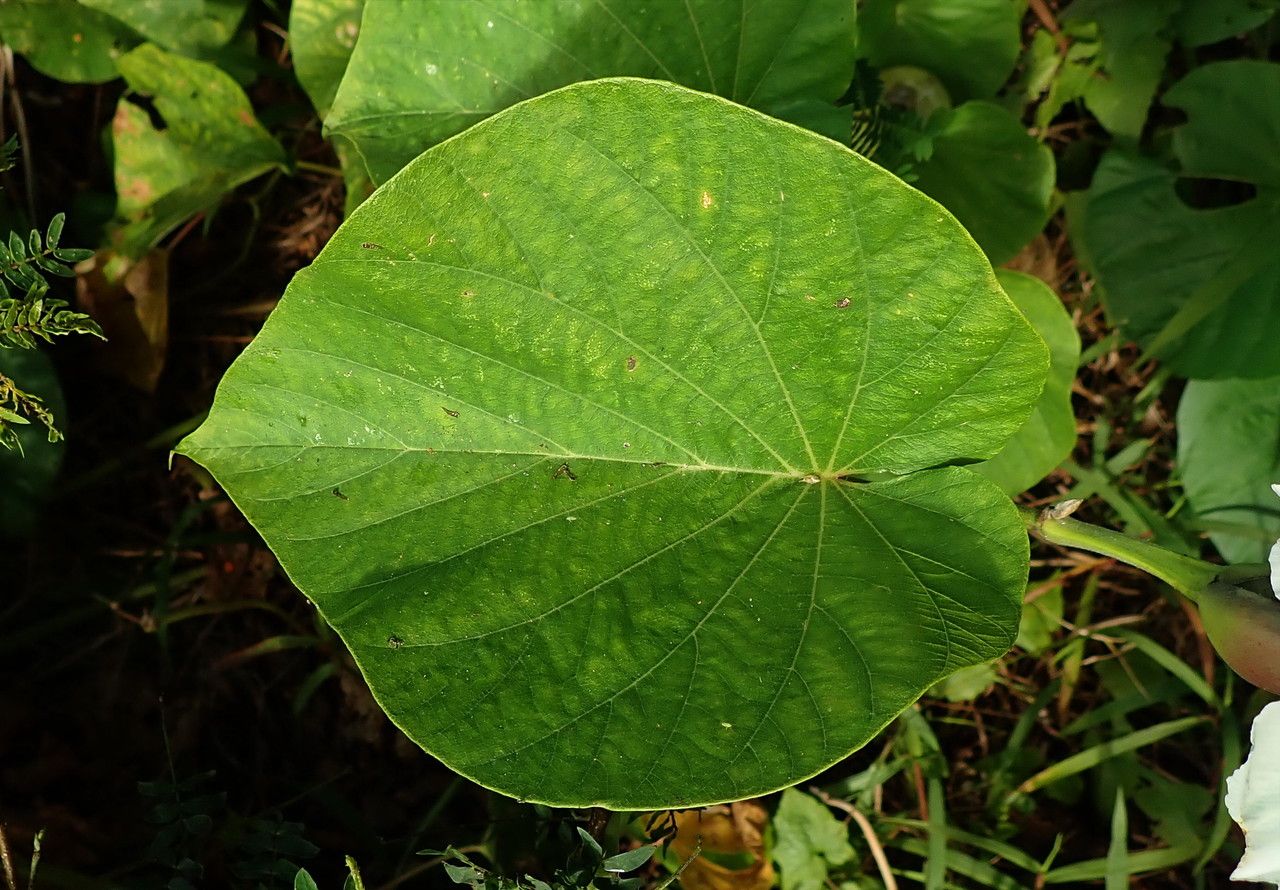
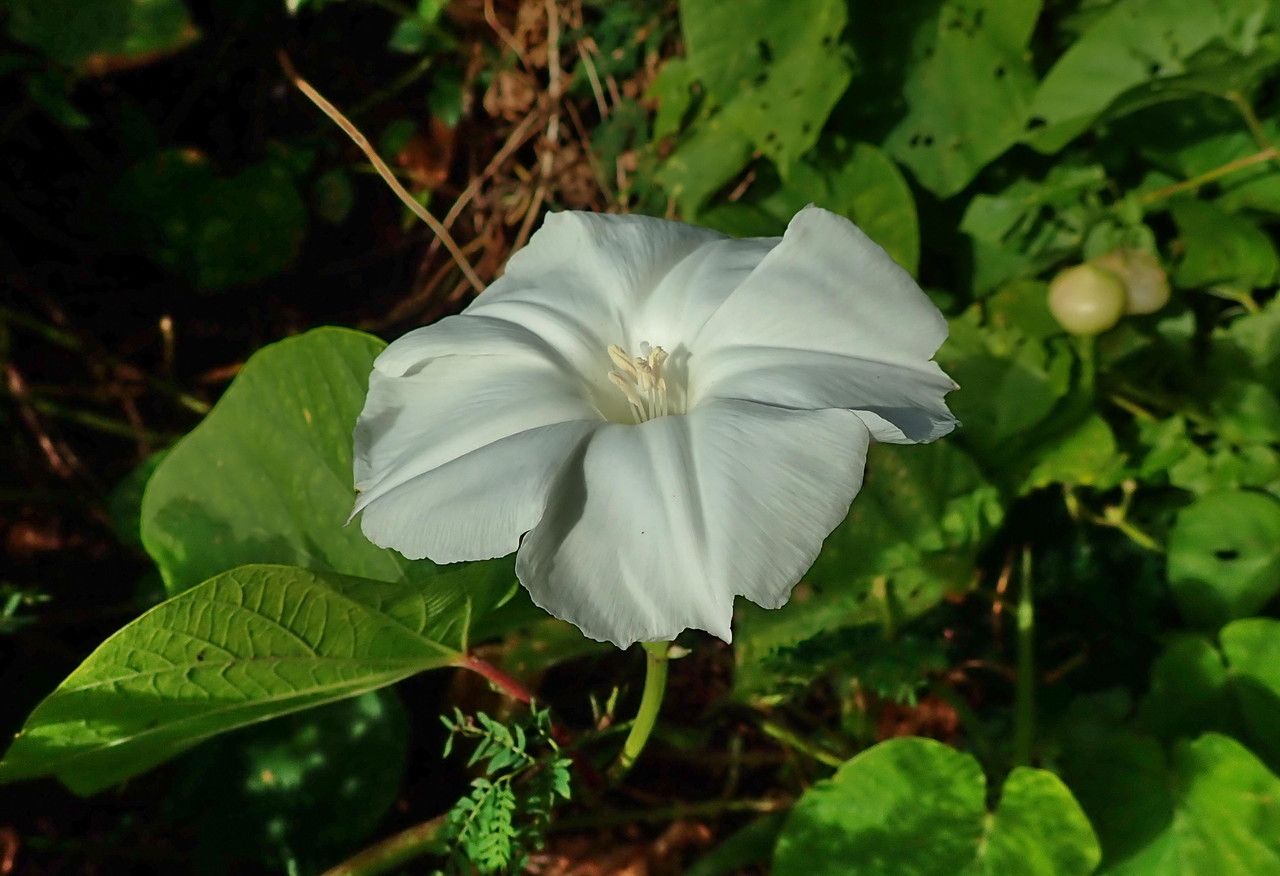
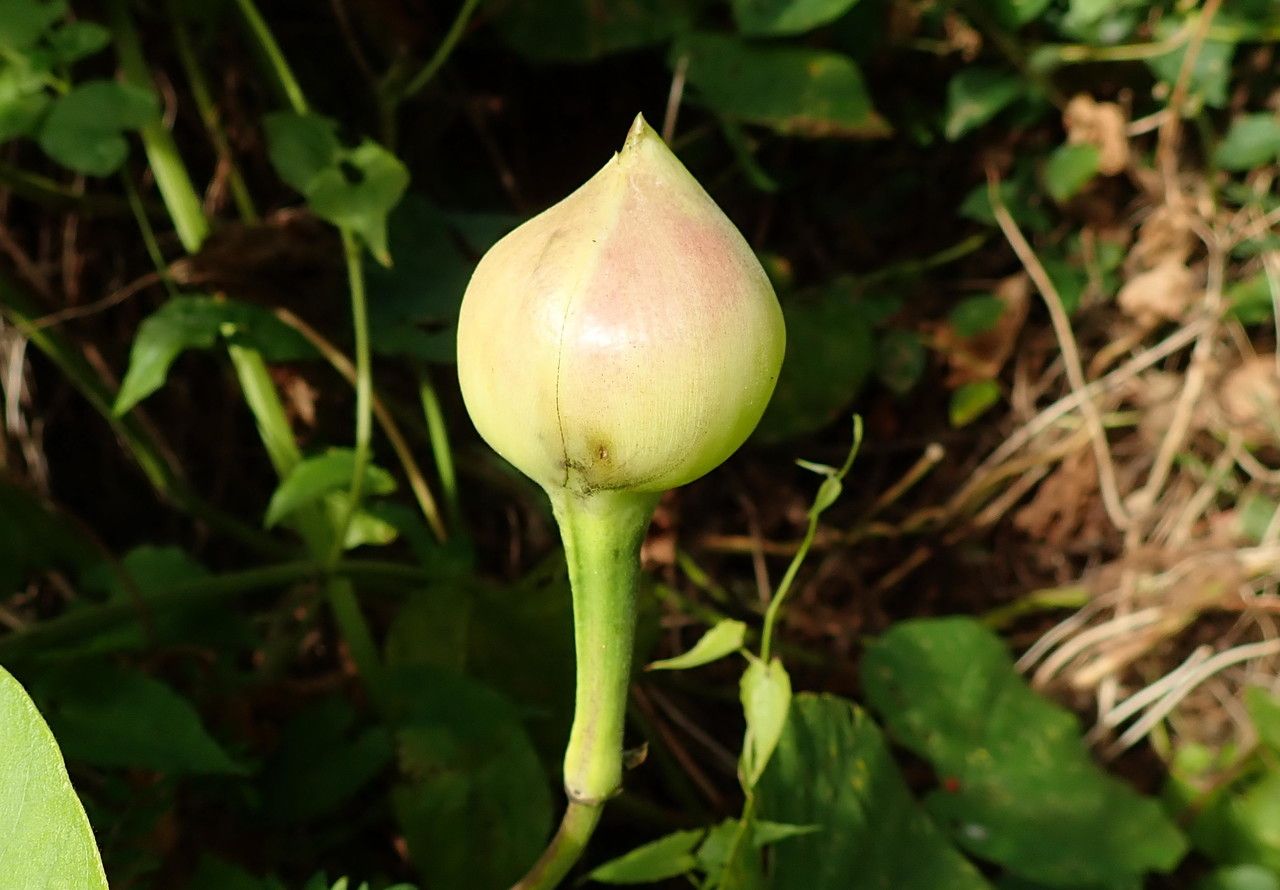
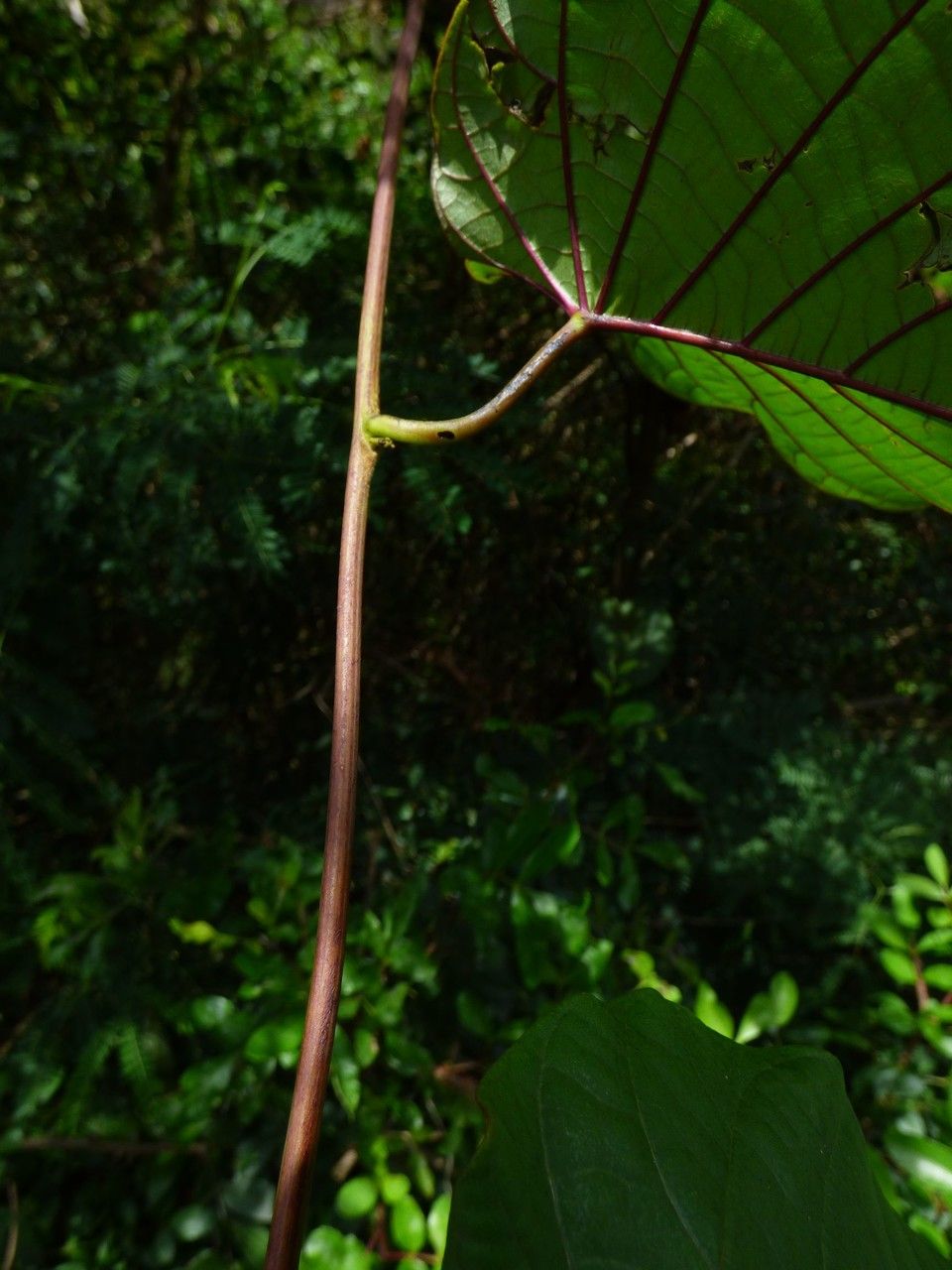
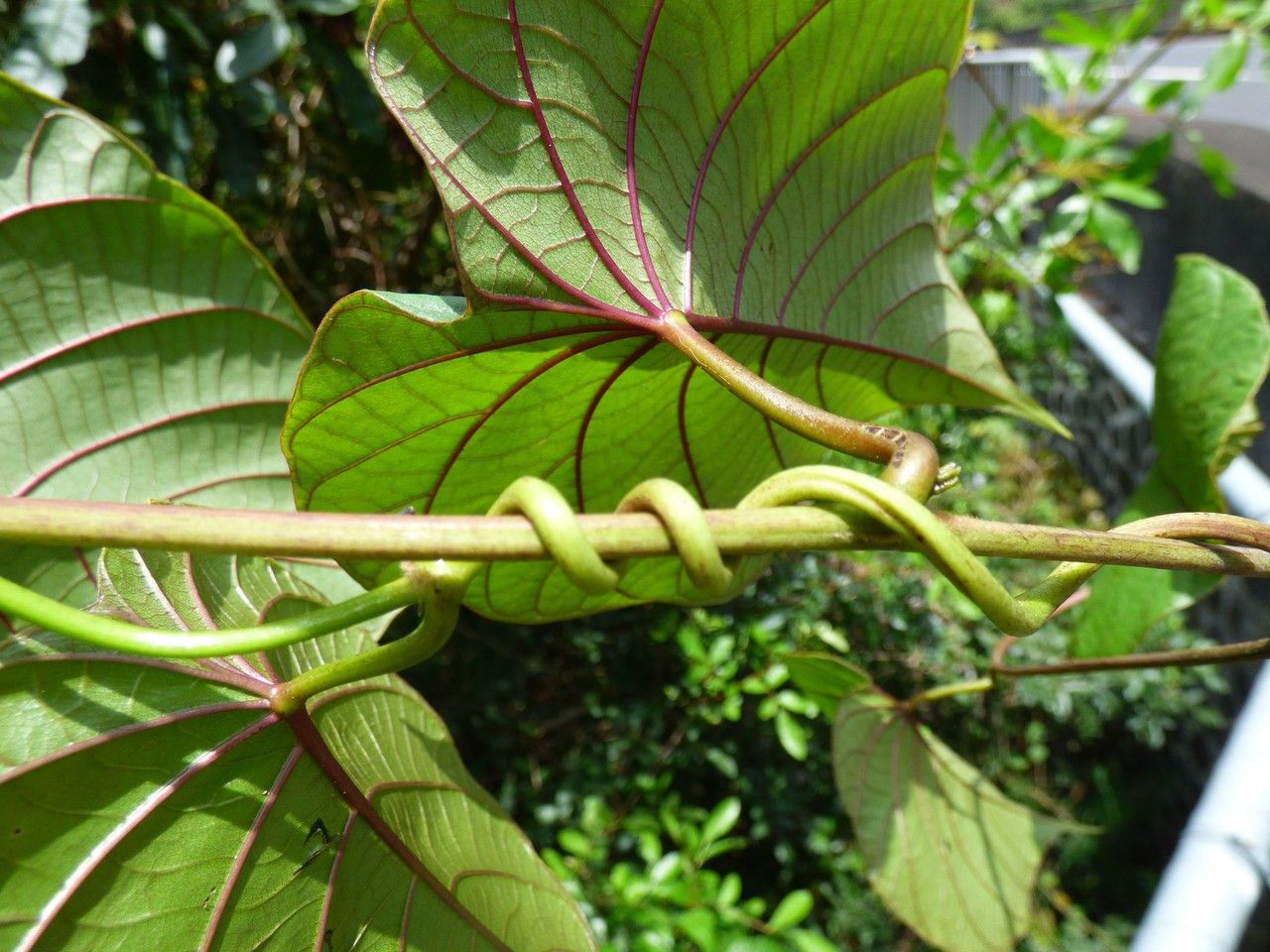
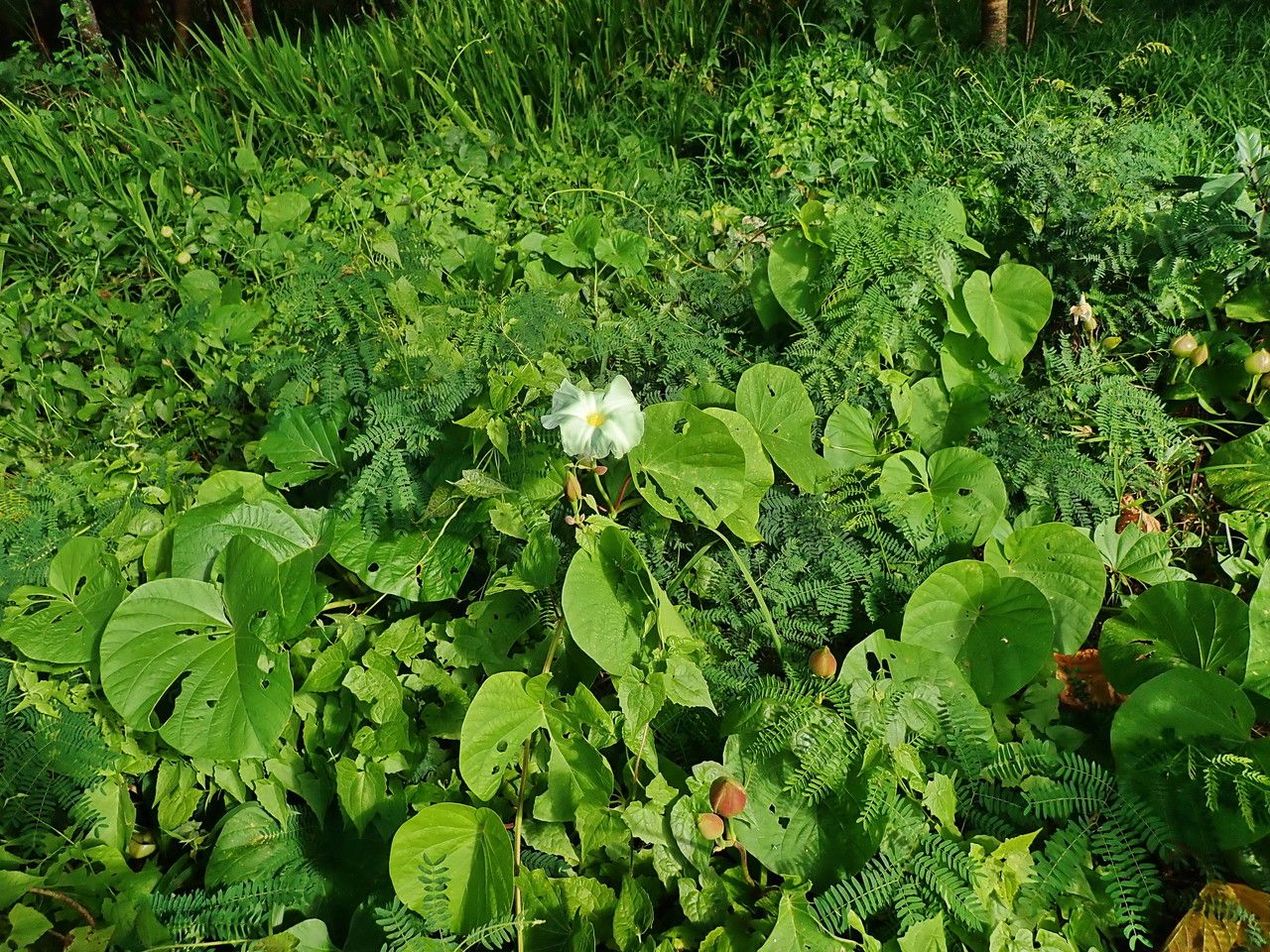
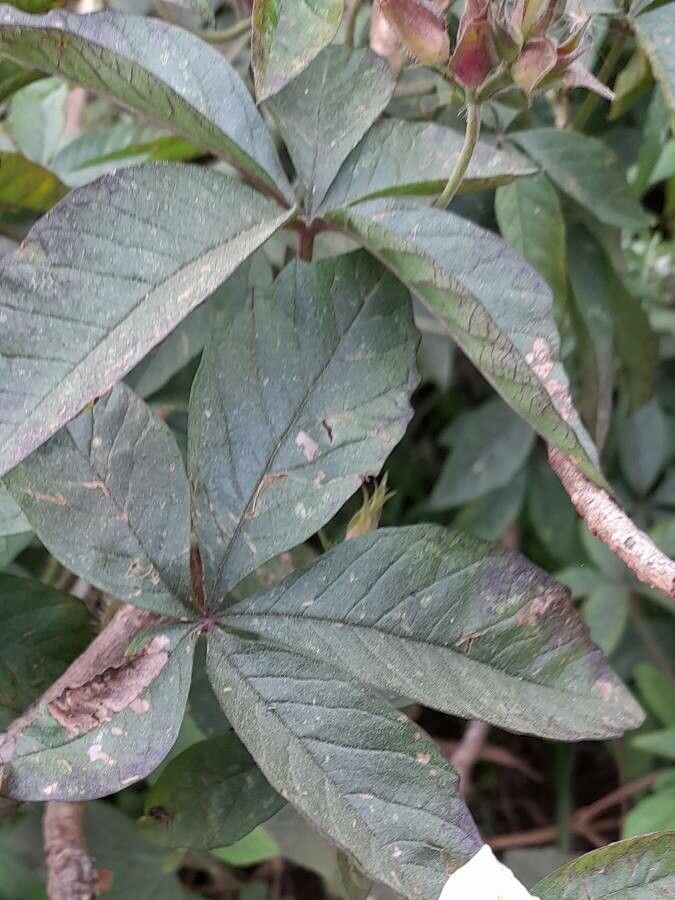
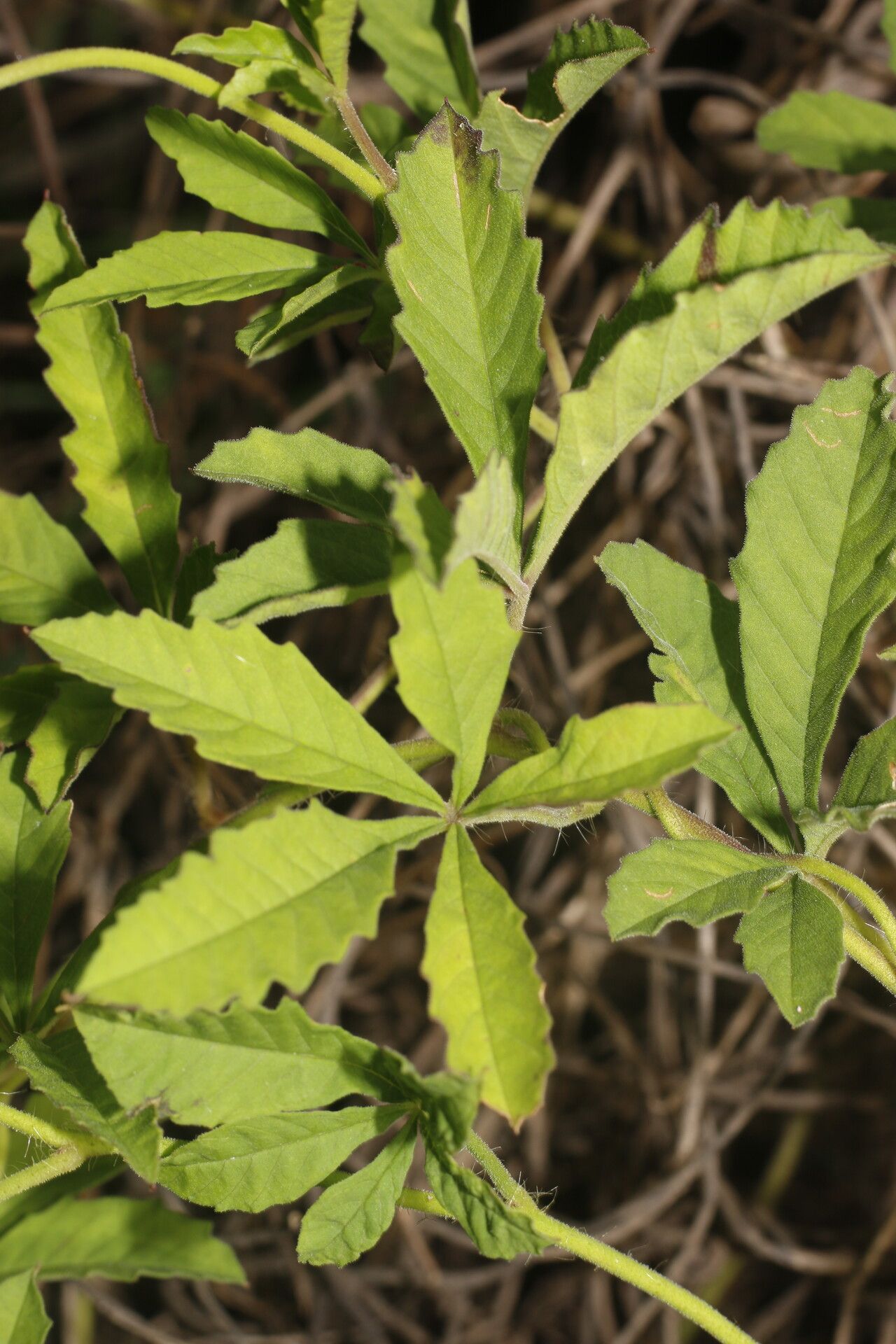
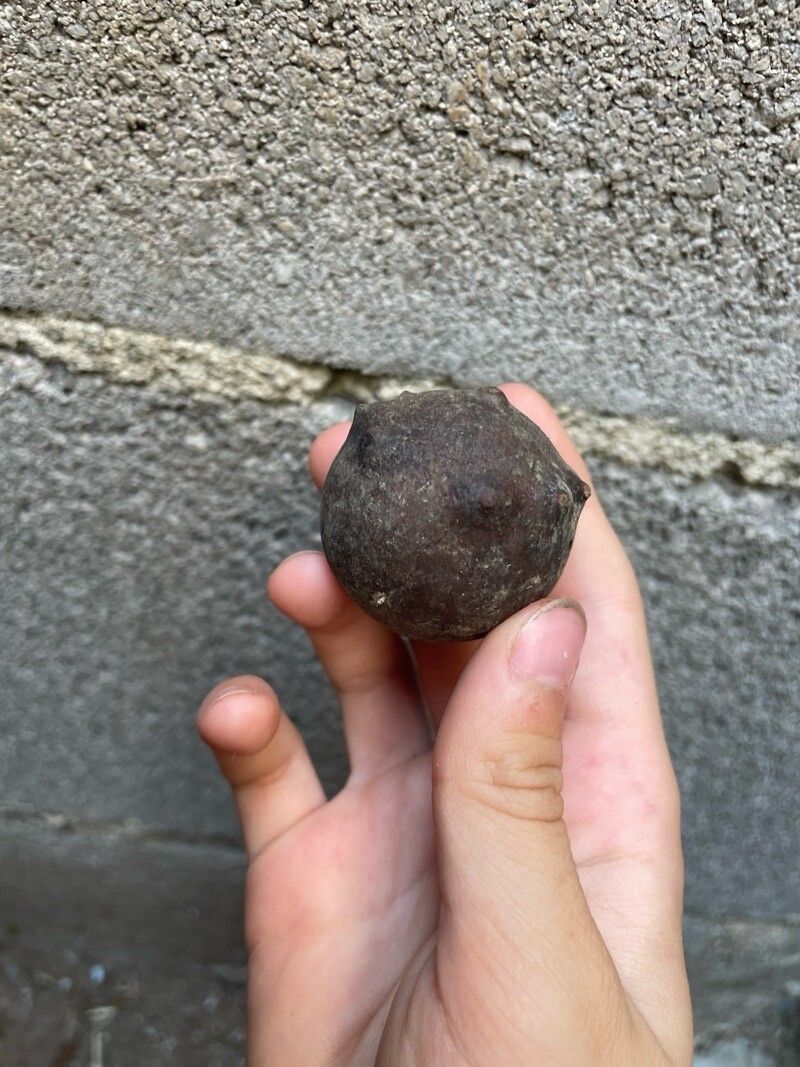
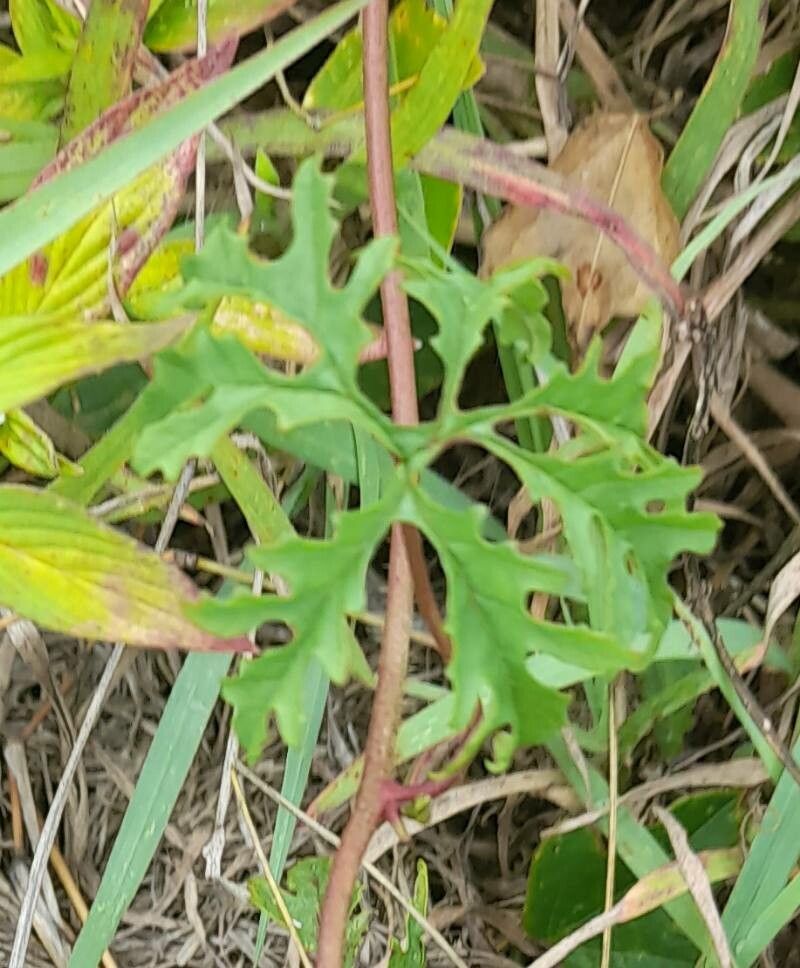
Decalobanthus peltatus is a species of flowering vine in the morning glory family, Convolvulaceae, that is native to Pemba Island, the Mascarene Islands, Madagascar, the Seychelles, Indonesia, Malaysia, the Philippines, northern Queensland (Australia) and French Polynesia. It has been introduced and subsequently become invasive on some of the other Pacific islands, such as New Caledonia, Samoa, Fiji, Solomon Islands, and Palau.As an invasive species in island habitats, Decalobanthus peltatus can completely cover trees, smothering and killing large areas of native forest; the resulting death of trees and loss of forests can cause less food for native birds and fruit bats and can also increase soil erosion, leading to increased sedimentation and death of coral reefs.For eradication of invasive populations, cutting the vines at the base will kill the tops and allow trees to recover, but the vines will re-grow from the base, so it is best to uproot them if possible; however, repeated cutting will kill the vines. The vine's seeds will not germinate in the shade, so the best way to prevent invasive problems with this vine is to keep native forest intact.In Palau, where it is locally referred to by the name kebeas, public efforts have been taken to promote physical fitness and ecology by encouraging the community to use machetes to cut the vine.
Decalobanthus peltatus shows strong resistance to diseases and is typically not prone to illness. However, it can be vulnerable to pests and diseases present in its environment, and these problems are generally not serious. As for care, this plant requires moderate maintenance. It should be pruned regularly to keep a neat appearance and support healthy growth. Fertilizing can also help encourage flowering. Decalobanthus peltatus is well suited for anyone with outdoor space, such as a garden or patio, and does not demand extensive care experience. It may need more attention when kept indoors.
How to keep Merremia Peltata.
Light
Decalobanthus peltatus is a sun-loving perennial herbaceous plant that originates in open habitats and often thrives in meadows and grasslands. It prefers full sun but can also tolerate partial sun.
Temperature
Decalobanthus peltatus comes from tropical areas where the climate is generally warm and humid. Therefore it is adapted to high temperatures and humidity. It does not tolerate sudden temperature changes and prefers a stable thermal environment, so avoiding temperature fluctuations indoors is important. It typically cannot withstand cold and needs warmer conditions to grow. If the temperature falls too low, the plant may stop growing or even die.
Fertilizer
Decalobanthus peltatus requires the most fertilizer during its active growth phase, which takes place mainly in spring, summer, and early fall. Fertilization is needed to supply essential nutrients that the soil may lack, encouraging healthy root and stem development and enhancing the attractive foliage that is a characteristic feature of this plant.
Botanical profile.
- Plant Type
- Herb
- Life Cycle
- Perennial
- Genus
- Merremia
- Family
- Convolvulaceae
- Hardiness Zone
- 10-12
- Mature Height
- 3.05 m to 10.06 m
- Mature Spread
- 2.13 m to 4.88 m
- Leaf Color
- Green, Dark Green
- Leaf Type
- Deciduous
- Flower Color
- White
- Flower Size
- 7.62 cm to 11.43 cm
- Bloom Time
- Summer, Early fall, Mid fall
- Planting Time
- Spring, Summer, Autumn
- Harvest Time
- Late summer, Fall, Early winter
- Native Area
- Malaysia, Indonesia, Cambodia, Vietnam, Myanmar, Tanzania, Philippines, Madagascar, Fiji, Thailand
Other names.