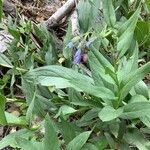
Mertensia ciliata
Mountain bluebells · Shortstyle bluebells · Streamside bluebells · Tall chiming-bells · Tall fringe bluebells
Description
Source: leafsnapMertensia ciliata, commonly known as fringed bluebells or mountain bluebells, is a perennial herbaceous plant belonging to the Boraginaceae family. Native to North America, it thrives in the alpine and subalpine regions of western Canada and the United States. This plant can grow up to 30 cm tall, featuring a basal rosette of oval-shaped leaves with pointed tips. The leaves are hairy on both sides, lending them a grayish-green hue. An erect stem supports clusters of bell-shaped flowers that vary in color from pale blue to deep violet-blue. Mertensia ciliata prefers moist soil conditions but is also capable of tolerating dry soil. It flourishes best in full sun or partial shade and requires well-drained soil for optimal growth. Native American tribes have utilized the plant for its anti-inflammatory properties, and it is also popular as an ornamental plant due to its attractive flowers. Overall, Mertensia ciliata is an appealing perennial herbaceous plant that enhances the beauty of North America's alpine regions while offering medicinal benefits.
🌳 Tall Fringed Bluebells frequently go unnoticed, yet they are vital to the diets of native pollinators. Their flowers supply a dependable nectar source for bees and butterflies at a time when few other plants are in bloom. This makes tall Fringed Bluebells a key component in preserving the health and diversity of pollinator communities, which are critical for the ecosystem and for the pollination of nearby agricultural crops.
Care Guide
💧 Water Every 7 days
Tall Fringed Bluebells thrive in moist, well-drained soils with consistent moisture and high humidity. While they prefer evenly moist conditions, they can tolerate short dry spells. Weekly watering is essential, and natural rainfall helps support their growth as an herbaceous perennial during the active season.
How should I water my Tall Fringed Bluebells properly?
To properly water the Tall Fringed Bluebells, use filtered water at room temperature or slightly warmer. Tap water may contain harmful particles. Since this plant comes from a warm environment, avoid using cold water, as it can shock the plant. Overhead watering should be avoided to prevent foliage issues. Instead, apply the filtered room temperature water directly to the soil until it is fully soaked. This benefits the plant by moistening the roots and aiding in the spread and collection of nutrients.
What should I do if I give my Tall Fringed Bluebells either too much water or too little water?
Overwatering and underwatering can both harm the health of your Tall Fringed Bluebells, but overwatering is more common. Too much water can cause the stems and leaves to wilt and turn yellow. It can also lead to diseases like root rot, mold, and mildew, which can be fatal to your plant. Underwatering is uncommon for Tall Fringed Bluebells since they can withstand dry conditions, but it's still a possibility. When underwatered, the leaves may become brittle and brown. It's important to recognize signs of overwatering early on. Some diseases caused by overwatering, like root rot, may not be fixable if not addressed promptly. If you notice early signs of overwatering, reduce your watering schedule and check the soil's drainage. If it drains poorly, replace it with well-draining potting mix. If you observe signs of underwatering, simply water your plant more regularly until the signs improve.
How frequently do I need to water my Tall Fringed Bluebells?
If your Tall Fringed Bluebells plant is in a pot, the most precise way to determine if it needs water is to check the moisture levels of the soil by sticking your finger in. If you find that the top two to three inches of soil are dry, then it's time to water the plant. If you have the Tall Fringed Bluebells planted outdoors in the ground, you can use a similar method to check the soil moisture. Once again, if the first few inches of soil are dry, it's time for watering. Typically, during the spring and early fall, you'll need to water this plant about once a week using this method. However, during hot weather, you may have to increase the frequency to about twice a week or more. It's worth noting that mature and well-established Tall Fringed Bluebells plants have shown great resilience in withstanding drought conditions.
How much water do my Tall Fringed Bluebells need?
To properly water your Tall Fringed Bluebells, make sure not to hold back on the amount of water. Wait until the top two to three inches of soil are dry, then give the plant a good, thorough watering. It's important to soak the soil completely, allowing excess water to flow out through the drainage holes at the bottom of the pot. If you don't see any excess water draining, it means you haven't watered enough. However, be careful not to let water accumulate inside the soil, as this can be harmful to the plant. On the other hand, if water doesn't drain through the pot, it might indicate poor soil drainage, which isn't good for the plant's health. If the plant is outside, one inch of rain per week should be enough.
How should I water my Tall Fringed Bluebells as they grow?
The water needs of the Tall Fringed Bluebells can vary depending on different growth stages. In the early years or after transplanting, it is important to provide more water than usual. During these stages, the plant focuses on growing new roots, which require extra moisture. As the plant matures, it will require less water. Additionally, during the bloom period, the flower development requires a significant amount of moisture, so it may be necessary to increase watering at this time.
☀️ Light Partial sun
Tall Fringed Bluebells prefers spots where sunlight filters through, creating a moderately sunny setting, though it can also tolerate full sun. True to its native habitat, it requires ample light for healthy growth. Uneven light conditions can cause poor health, disrupting its flowering cycle and the consistency of its foliage.
What are the sun requirements for Tall Fringed Bluebells?
Tall Fringed Bluebells thrive in conditions that mimic their natural environment, which includes partial to full sun exposure. They require about 3-6 hours of sunlight daily (partial sun) but can also endure more than 6 hours of sunlight (full sun). It's vital to observe how sunlight moves through your garden to identify spots that offer a balance of light and shade, ensuring the plants grow healthily and happily.
How important is lighting for the growth of Tall Fringed Bluebells?
Lighting is crucial for the optimal growth of Tall Fringed Bluebells. These plants favor moderately sunny spots where they can receive ample light, essential for their health and the consistency of their blooming cycle. In less sunny spaces, especially during winter, artificial lighting can be a vital solution. Options such as LED lights are recommended, with specific wattage based on whether the plant needs full sun, partial sun, or shade. Proper distance and duration of light exposure are critical, mimicking natural sunlight conditions as closely as possible.
What symptoms indicate insufficient light for Tall Fringed Bluebells, and how can they be addressed?
When Tall Fringed Bluebells don't receive enough light, several symptoms may appear, including smaller new leaves, leggy or sparse growth, faster leaf drop, slower or no new growth, lighter-colored new leaves, chlorosis, sunscald, leaf curling, wilting, and leaf scorching. Addressing these symptoms involves gradually moving the plant to sunnier spots, utilizing artificial light for indoor plants, and minimizing obstructions like overhanging branches in outdoor settings. It's important to make these adjustments gradually to avoid shock and sunburn, ensuring that while parts of the plant previously affected may not recover, new growth following better light exposure will be healthy.
What solutions exist for managing light exposure for Tall Fringed Bluebells?
To manage light exposure for Tall Fringed Bluebells effectively, consider gradual relocation to sunnier spots for both indoor and outdoor plants, ensuring they receive the right amount of sunlight without sudden changes that could cause damage. For indoor plants that are large or stationary, artificial lighting such as desk or ceiling lamps, or professional plant grow lights, can supplement natural light. Outdoor plants may benefit from strategic movements to brighter locations weekly. Reducing obstructions like tree branches can also enhance sunlight access. If necessary, transplant smaller plants during their dormant period to better-lit areas with good drainage.
🌡️ Temperature 5–32.2°C
Tall Fringed Bluebells is native to temperate regions, where average temperatures range from 41 to 89.6 °F (5 to 32 ℃). It prefers mild temperatures and would benefit from adjustments during seasons that have extreme temperature swings.
What is the optimal temperature range for Tall Fringed Bluebells?
Tall Fringed Bluebells, botanically known as Mertensia ciliata, thrives in temperate regions where the average temperatures fluctuate between 41 to 89.6 °F (5 to 32 °C). The plant is well-suited to mild temperatures and is capable of adapting to different seasonal changes without the need for extreme temperature swing adjustments. This makes it suitable for a wide range of garden environments.
Do Tall Fringed Bluebells need special frost protection?
Tall Fringed Bluebells possess strong cold resistance, meaning they typically do not require special measures for frost protection during the winter months. However, in regions where temperatures are expected to plummet below -30°C, it is advisable to take precautions to protect the plants from the cold. This can be achieved by mulching the base of the plant with soil or straw, and ensuring the soil is moist before the first freeze arrives. These steps help the plant to stay hydrated throughout the winter and guard against drought and water scarcity.
How do Tall Fringed Bluebells react to low temperatures?
Tall Fringed Bluebells show a robust tolerance to cold conditions, thriving best when temperatures remain above 5°C. Throughout the winter, it is essential to maintain temperatures above -25°C to prevent damage. When temperatures drop below -30°C, the plant may show no noticeable signs of stress during the winter; however, this extreme cold can lead to a reduction in sprouting or a complete failure to sprout in the spring. In such cases, removing the parts of the plant that fail to sprout in the spring is recommended.
What should be done if Tall Fringed Bluebells experience high temperatures?
During the hotter months, Tall Fringed Bluebells should ideally be kept in conditions below 32°C. Temperatures above 35°C can cause the leaves to lighten in color, curl, and become prone to sunburn. In severe cases, the plant may wilt and dry out completely. To mitigate these effects, it's advisable to trim away sunburned and dried parts of the plant. Moreover, relocating the plant to a shaded area or employing a shade cloth to protect it from the midday and afternoon sun can be beneficial. Additionally, watering the plant during the morning and evening helps keep the soil moist and supports the health of the plant under high temperature stress.
💨 Humidity
🪴 Soil 5-7
🌱 Fertilizer
The best time to fertilize a Tall Fringed Bluebells is in early spring, when it is coming out of dormancy and beginning active growth. Fertilizing supplies important nutrients that support healthy development. Although Tall Fringed Bluebells has relatively low fertilization needs, applying fertilizer annually can boost its survival and encourage better, longer-lasting flowers.
🪴 Pot & Repot
✂️ Pruning
Tall Fringed Bluebells are perennial plants characterized by their bell-shaped blue flowers and lush leaves. For optimal growth, prune these plants from early to late spring by trimming back old stems and removing any damaged areas. Ensure you sanitize your tools before use, and be careful not to over-prune, as this can stress the plants.
🌿 Propagating
🐛 Diseases & pets
☠️ Toxicity
Characteristics
- Plant Type
- Herb
- Life Cycle
- Perennial
- Genus
- Mertensia
- Family
- Boraginaceae
- Hardiness Zone
- 4-8
- Mature Height
- 0.3 m to 1.22 m
- Mature Spread
- 30 cm to 46 cm
- Leaf Color
- Green, Blue
- Leaf Type
- Semi-evergreen
- Flower Color
- Blue, Purple
- Flower Size
- 2.54 cm
- Bloom Time
- Mid spring, Late spring, Early summer
- Planting Time
- Spring, Autumn
- Harvest Time
- Early summer, Mid summer