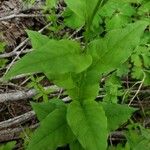
Mertensia paniculata
Tall Bluebells · Panicled Bluebells · Panicled Lungwort · Tall Lungwort · Northern bluebells
Description
Source: leafsnapMertensia paniculata, commonly known as tall bluebells or mountain bluebells, is a perennial herbaceous plant in the Boraginaceae family. Native to North America, it thrives in moist meadows, open woods, and along streams in the western United States and Canada. The plant can grow up to 60 cm tall and features a basal rosette of oblong or lance-shaped leaves. Its erect stem has alternate leaves that are smaller than the basal ones. The bell-shaped flowers have five petals fused at the base, forming a tube-like structure. These flowers, which bloom from May through July, vary in color from light blue to violet-blue. Native American tribes have used Mertensia paniculata for medicinal purposes, particularly for treating respiratory ailments such as coughs and colds. Some tribes have also consumed the plant as a food source by boiling or steaming the leaves. While the plant prefers moist soil, it can tolerate some drought conditions once established. It attracts pollinators like bees, butterflies, and hummingbirds, making it a valuable addition to gardens and natural area restoration projects. Overall, Mertensia paniculata is a beautiful native wildflower that offers both aesthetic and ecological benefits. Its conservation is important for preserving North America's natural heritage.
🎭 Modesty, Steadfastness
Care Guide
💧 Water Every 7 days
Tall bluebells thrive in moist meadows and prefer consistent moisture, though they can tolerate short dry spells. To maintain their lush foliage, it's helpful to water them weekly. As an herbaceous perennial, tall bluebells are usually grown outdoors, where they benefit from natural rainfall during the growing season.
How should I water my Tall bluebells?
To care for the Tall bluebells, follow these guidelines: Use filtered, room temperature water for watering. Tap water may have harmful particles. Make sure the water is not cold, as this can be a shock to the plant. Avoid overhead watering to prevent foliage complications. Instead, water the soil directly until it is thoroughly soaked. This helps moisten the roots and promotes their growth and nutrient absorption.
What should I do if I give too much or too little water to my tall bluebells?
Overwatering can harm your Tall bluebells more than underwatering. When this happens, the stems and leaves may wilt and turn yellow. Overwatering can also lead to diseases like root rot, mold, and mildew, which can be fatal for the plant. While underwatering is less common for Tall bluebells, it can still happen. In such cases, the leaves may become brittle and brown. It is crucial to recognize the signs of overwatering early on. Some diseases caused by overwatering, like root rot, cannot be reversed if left unattended for too long. If you notice signs of overwatering, reduce the watering schedule promptly. It is also advisable to check the soil's quality; if the soil drains poorly, replace it with a loose and well-draining potting mix. On the other hand, if you notice signs of underwatering, simply water the plant more frequently until those signs disappear.
How often do I need to water my Tall bluebells?
If your Tall bluebells plant is in a pot, the most accurate way to determine if it needs water is by inserting your finger into the soil. If the top two to three inches of soil feel dry, then it is time to water. For Tall bluebells grown outdoors in the ground, a similar method can be used to test the soil. Once the top few inches are dry, it is time to water. Typically, during spring and early fall, watering once a week is enough. However, in extremely hot weather, watering may need to be increased to twice a week or more. It is worth noting that mature, well-established Tall bluebells plants have a commendable ability to withstand drought.
How much water does my Tall bluebells require?
To properly water your Tall bluebells, don't be afraid to give a generous amount. Wait until the first two to three inches of soil are dry before watering thoroughly. Make sure to soak the soil completely, enough that excess water flows out of the drainage holes at the bottom of the pot. If there is no excess water draining, you might not have given enough water. However, be careful not to let water accumulate in the soil as it can harm the plant. If water is not draining properly, it could be due to poorly draining soils, which is bad for the plant's health. When the plant is outside, around 1 inch of rain per week should be enough.
How do I water my Tall bluebells as they grow?
The water requirements of Tall bluebells can vary depending on its growth stages. When it is in its early years or if it has been recently transplanted, it will need more water. During these stages, the plant focuses on developing new roots to support future growth, so it requires extra moisture. However, as the plant matures, it will need less water. Another stage that requires increased water is during the bloom period, as the development of flowers uses a significant amount of moisture.
☀️ Light Partial sun
Tall bluebells, which originate from habitats that get a lot of sunlight, do best when they receive abundant sun but are protected from the harshest midday rays. Too much sun can lead to scorching, while too little light may keep them from achieving their full growth potential.
What are the sunlight requirements for Tall Bluebells?
Tall bluebells thrive best in environments that mimic their natural habitat, which includes receiving ample sunlight, yet being protected from the harshest midday rays. Specifically, they require 'Partial sun' defined as about 3-6 hours of sunlight, and 'Full sun' which refers to more than 6 hours of sunlight per day. It's important to observe how sunlight moves through your garden, selecting spots that offer a balanced mix of light and shade. This careful placement ensures your plants grow happily and healthily.
How does artificial lighting support indoor Tall Bluebells growth?
For indoor tall bluebells, especially during times or in areas with insufficient natural sunlight, such as in winter or less sunny spaces, artificial lighting becomes a crucial growth aid. Opt for artificial lights like LEDs that can be customized to emit specific wavelengths needed by the plants. Full sun plants require 30-50W/sq ft, partial sun plants 20-30W/sq ft, and full shade plants 10-20W/sq ft of artificial light. The correct positioning is 12-36 inches above the plant, mimicking natural sunlight, and plants usually need 8-12 hours of light per day to thrive.
What are some common symptoms of inappropriate lighting in Tall Bluebells?
Tall bluebells can show several symptoms when they're not receiving the right amount of light. In low light, you may notice smaller new leaves, leggy growth, faster leaf drop, slower or ceased new growth, and paler or irregularly colored new leaves. Excessive sunlight can lead to chlorosis (leaves turning yellow due to chlorophyll breakdown), sunscald, leaf curling, wilting, and leaf scorching. These symptoms help identify whether the plant is getting too much or too little sunlight, indicating the need for adjustments in its care.
How can I address lighting issues for Tall Bluebells both indoors and outdoors?
To optimize Tall bluebells' growth against lighting issues, a gradual adaptation strategy is key. For indoor plants, start by moving them weekly to progressively sunnier spots until they get the recommended 3-6 hours of direct sunlight. If relocation isn't feasible, or for additional light, use desk, ceiling lamps, or invest in professional grow lights, keeping them on for at least 8 hours. Outdoors, also move plants gradually to sunnier locations to prevent sunburn. If obstacles like trees block sunlight, consider pruning to improve exposure. For smaller plants, consider transplanting to a sunnier location during their dormant season, ensuring good drainage and sunlight access.
🌡️ Temperature 5–32.2°C
Tall bluebells are native to temperate climates and flourish in temperatures from 41 to 89.6 °F (5 to 32 ℃). Ideally, seasonal temperature adjustments should align with these natural preferences.
What are the ideal temperature conditions for growing Tall bluebells?
Tall bluebells, scientifically known as Mertensia paniculata, is native to temperate climates and thrives best in temperatures ranging from 41 to 89.6 °F (5 to 32 °C). These plants have strong cold resistance and generally do not require special frost protection measures. However, in environments where winter temperatures are likely to fall below -30°C, extra cold protection should be provided. This includes covering the plant with soil or straw and watering it abundantly before the first freeze in autumn to keep the soil moist and prevent drought and water scarcity during winter and early spring.
How does low temperature affect Tall bluebells and what should be done?
Tall bluebells have a strong tolerance to cold and thrive best when the temperature remains above 5°C. During winter, it's important to ensure that the temperature stays above -25°C. In instances where the temperature falls below -30°C, the plant may not show immediate damage, but you might observe a decrease in sprouting or even complete failure to sprout during spring. If such a situation occurs, the solution is to remove any parts of the plant that have failed to sprout in the spring.
How does high temperature affect Tall bluebells and what are the solutions?
When temperatures rise above the optimal range for Tall bluebells, specifically exceeding 35°C, the plant may show signs of stress such as leaves turning lighter in color, curling, becoming prone to sunburn, and in severe cases, wilting and drying out completely. To mitigate these effects, it's advisable to trim away the sunburned and dried parts of the plant. Moving the plant to a shaded area protected from the midday and afternoon sun, or using a shade cloth, can help. Additionally, watering the plant in the morning and evening to maintain soil moisture is beneficial.
💨 Humidity normal (40-60%)
This plant will thrive in moderate humidity, which is probably the level in your home. However, misting it a few times a week can be very beneficial. Make sure the room has good ventilation.
🪴 Soil 5-7
🌱 Fertilizer
For Tall bluebells, the primary time to apply fertilizer is in early spring when the flowers are developing. The appropriate fertilizer promotes stronger blooms and helps Tall bluebells produce attractive flowers. Fertilizing in early spring ensures excellent blooms during the season and supplies energy for dormant growth periods.
🪴 Pot & Repot
✂️ Pruning
Tall bluebells are characterized by their beautiful blue, bell-shaped flowers. For optimal growth, they benefit from pruning in the early to late spring. To promote healthy development, remove dead stems, thin out crowded areas to improve air circulation, and trim them after they bloom. Pruning during their dormant period enhances growth and reduces stress on the plants.
🌿 Propagating
🐛 Diseases & pets
☠️ Toxicity
Characteristics
- Plant Type
- Herb, Shrub
- Life Cycle
- Perennial
- Genus
- Mertensia
- Family
- Boraginaceae
- Hardiness Zone
- 4-8
- Mature Height
- 0.61 m to 1.52 m
- Mature Spread
- 61 cm
- Leaf Color
- Green, Dark Green
- Leaf Type
- Deciduous
- Flower Color
- Purple, Blue, White, Pink
- Flower Size
- 2.54 cm
- Bloom Time
- Mid spring, Late spring, Early summer
- Planting Time
- Spring, Summer, Autumn
- Harvest Time
- Mid summer, Late summer, Early fall