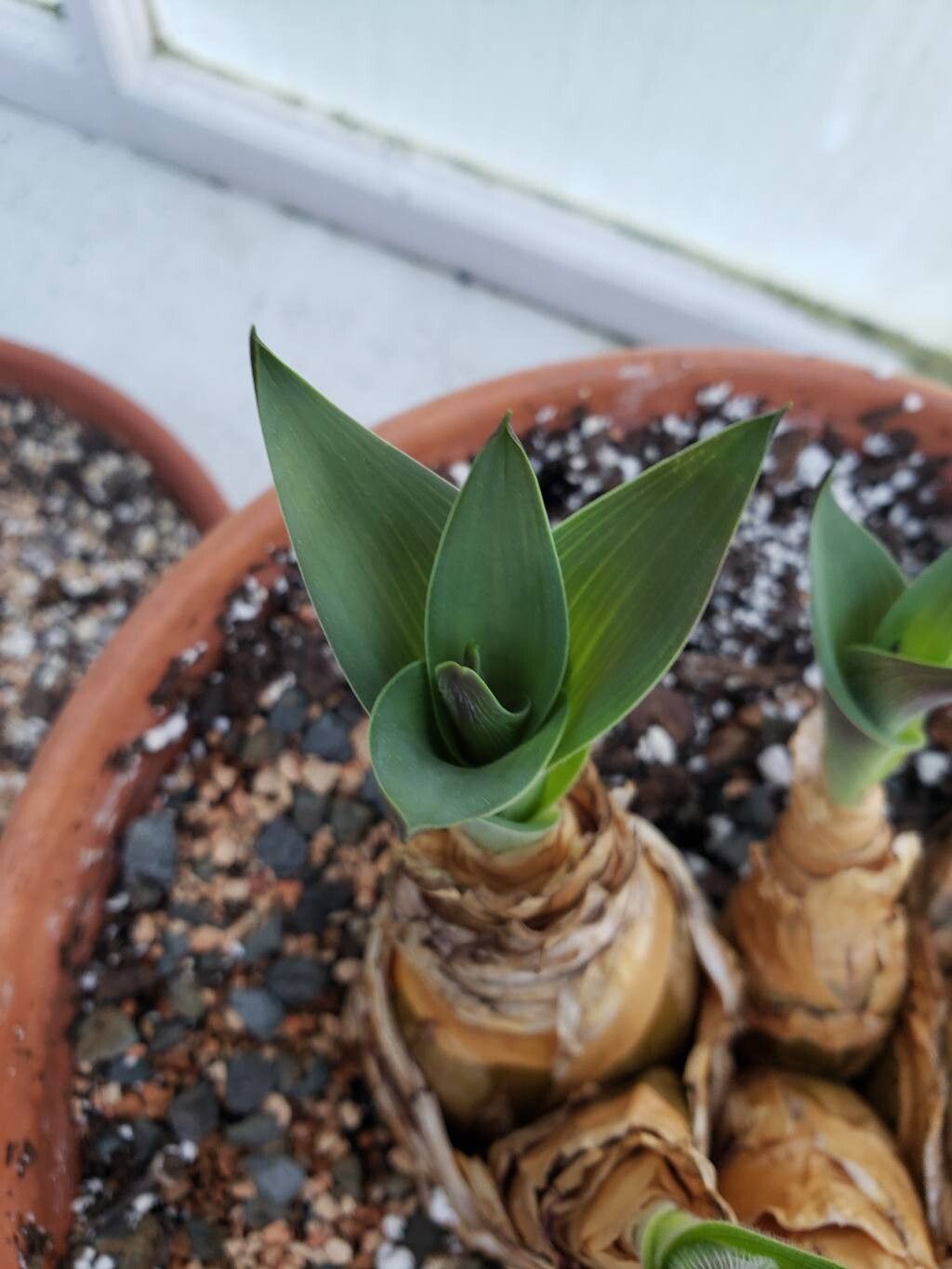
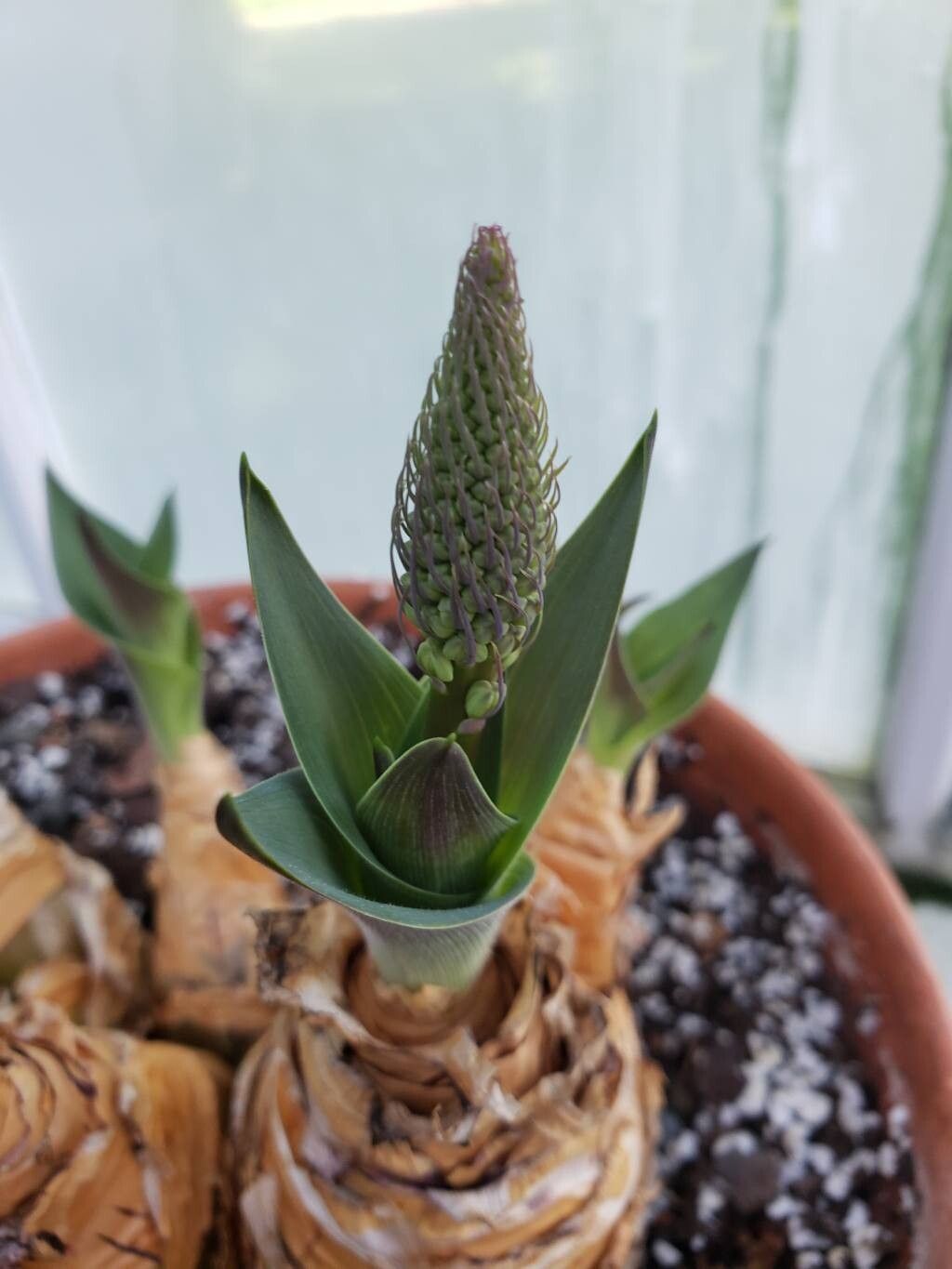
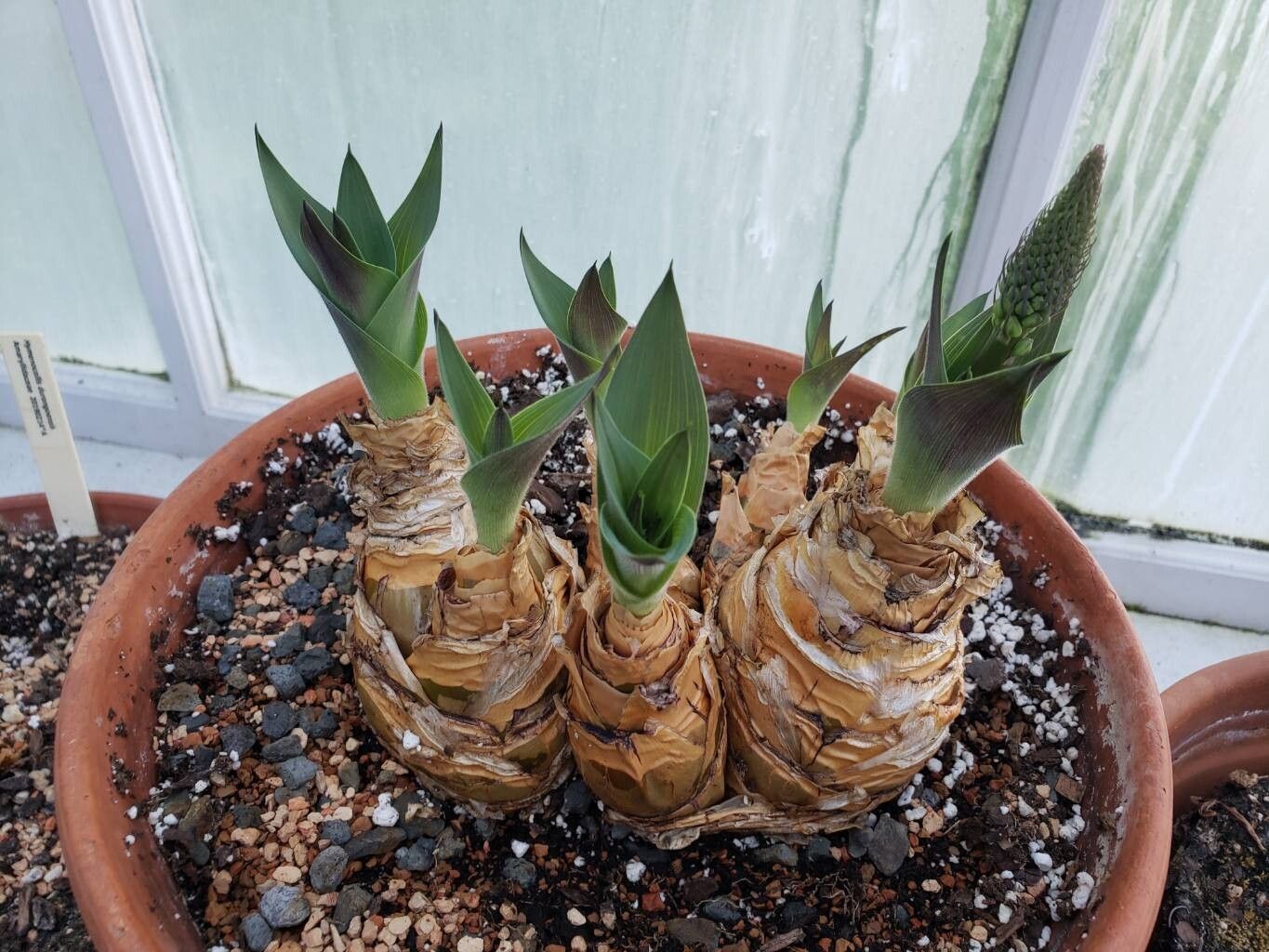
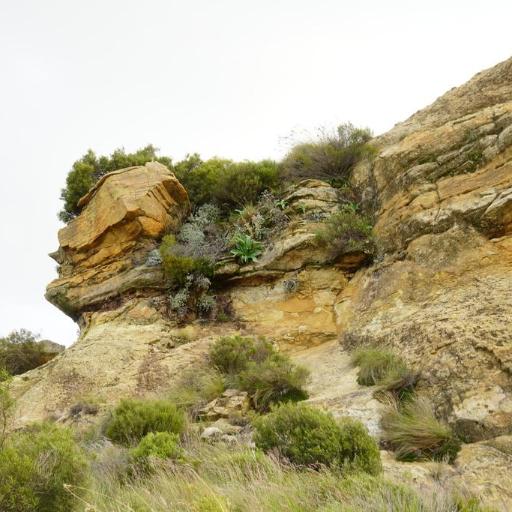
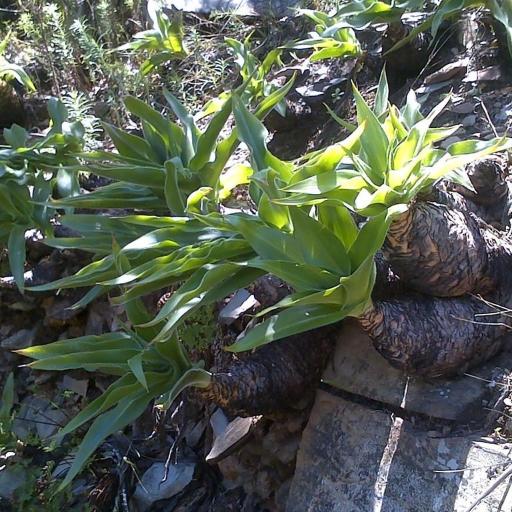
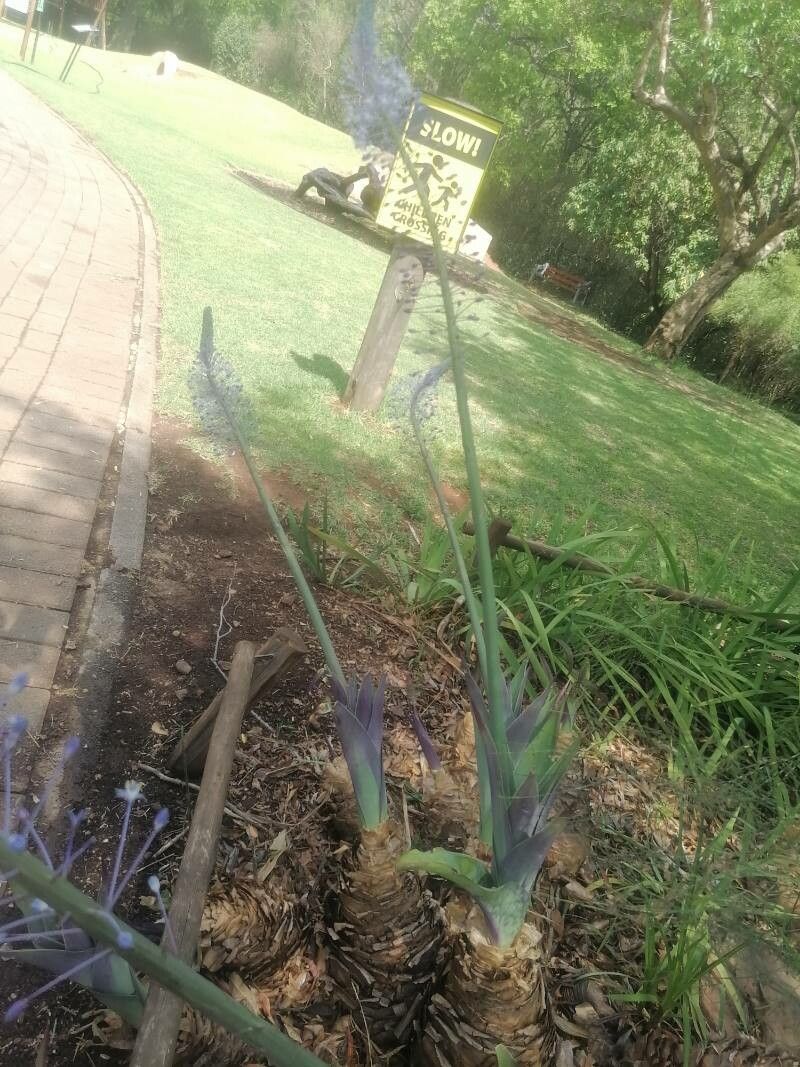
Merwilla plumbea is a bulb-forming perennial herb in the small genus Merwilla.Two subspecies are recognized: Merwilla plumbea subsp. kraussii (Baker) J.C.Manning, syn. Scilla kraussii Merwilla plumbea subsp. plumbea, syn. Scilla natalensis
Blue squill shows strong resistance to disease and is generally not prone to illnesses. However, it can be vulnerable to pests and diseases present in its surroundings. These issues are typically not serious. In terms of care, this plant needs a moderate level of maintenance. It should be pruned regularly to keep a neat appearance and support healthy growth. Fertilizing can also help encourage flowering. Blue squill is appropriate for anyone with outdoor space, such as a garden or patio, and does not demand extensive gardening experience. It may need more attention when grown indoors.
How to keep Merwilla Plumbea.
Light
Blue squill performs best when exposed to unshaded sunlight for as many hours of the day as possible, though it can also grow in moderately sunny spots. Too much sun can cause leaf scorch, while too little light can hinder its growth. Native to regions with plentiful sunlight, blue squill generally gets abundant sun at every stage of its growth.
Water
Blue squill thrives best when it receives consistent moisture, making weekly watering essential for its health. It is ideally grown outdoors, where natural rainfall complements its growth cycles. While it does not do well in drought conditions, it also doesn't need high humidity. It's important to avoid waterlogged soil, as this can be harmful to the plant.
Temperature
Blue squill adapts well to temperature, tolerating higher heat and wider temperature fluctuations. In hot weather, care should be taken with watering and providing proper shade to avoid sunburn. On the other hand, Blue squill is relatively sensitive to low temperatures; it can endure some cold but overly frigid conditions may cause frost injury.
Fertilizer
The best time to fertilize a Blue squill is in early spring, when it is coming out of dormancy and beginning active growth. Fertilization supplies essential nutrients for healthy development. Although Blue squill has fairly low fertilizer requirements, applying fertilizer once a year can improve its survival and encourage healthier, longer-lasting flowers.
Pruning
Blue squill requires minimal pruning, mainly to remove spent flowers and damaged leaves. Prune in spring, from early to late, to encourage growth and maintain its shape. Always use clean, sharp tools to prevent disease and enhance blooming and overall health.
Botanical profile.
- Plant Type
- Herb
- Life Cycle
- Perennial
- Genus
- Merwilla
- Family
- Asparagaceae
- Hardiness Zone
- 8-11
- Mature Height
- 40 cm to 61 cm
- Mature Spread
- 30 cm to 46 cm
- Leaf Color
- Dark Green
- Leaf Type
- Deciduous
- Flower Color
- White, Blue, Pink, Purple
- Flower Size
- 1.02 cm to 1.52 cm
- Bloom Time
- Mid spring, Late spring
- Planting Time
- Spring, Summer
- Harvest Time
- Early summer, Mid summer
Other names.