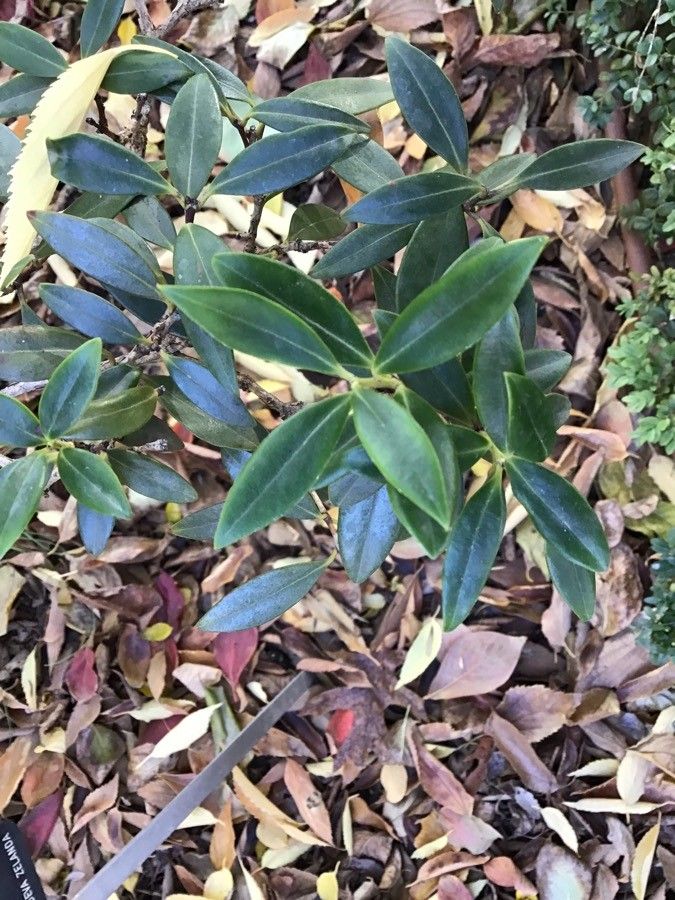
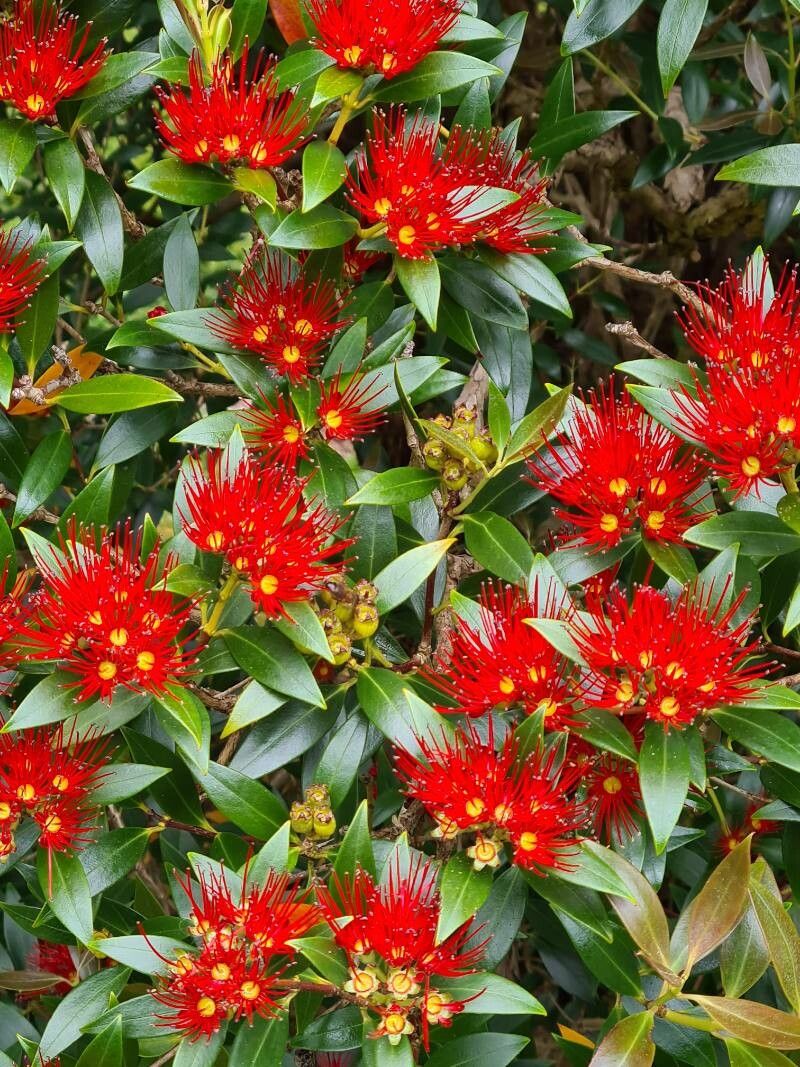
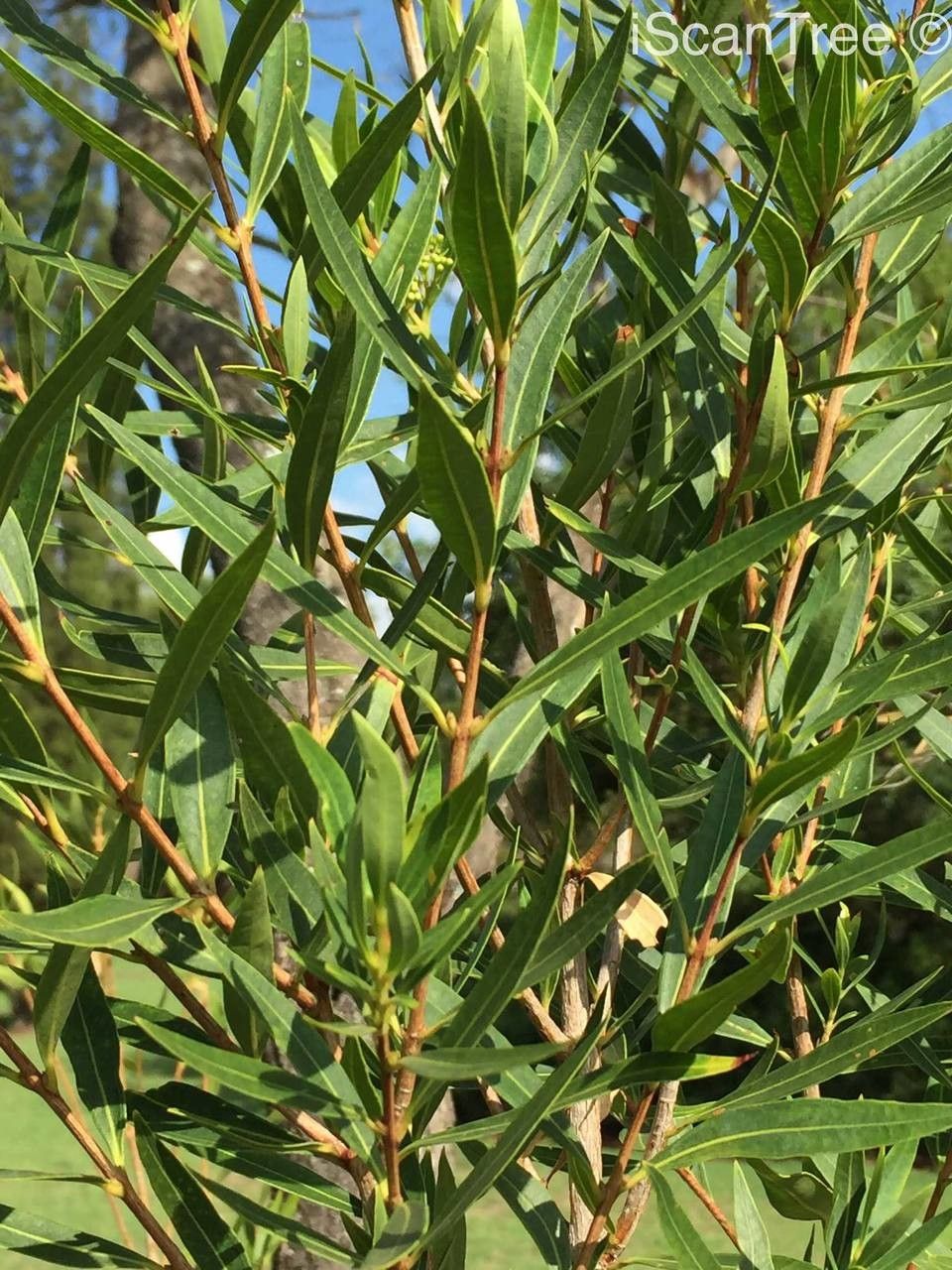
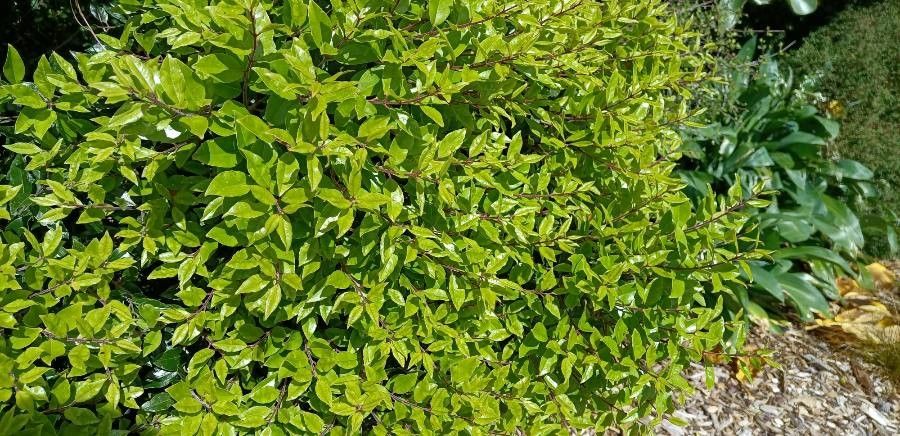
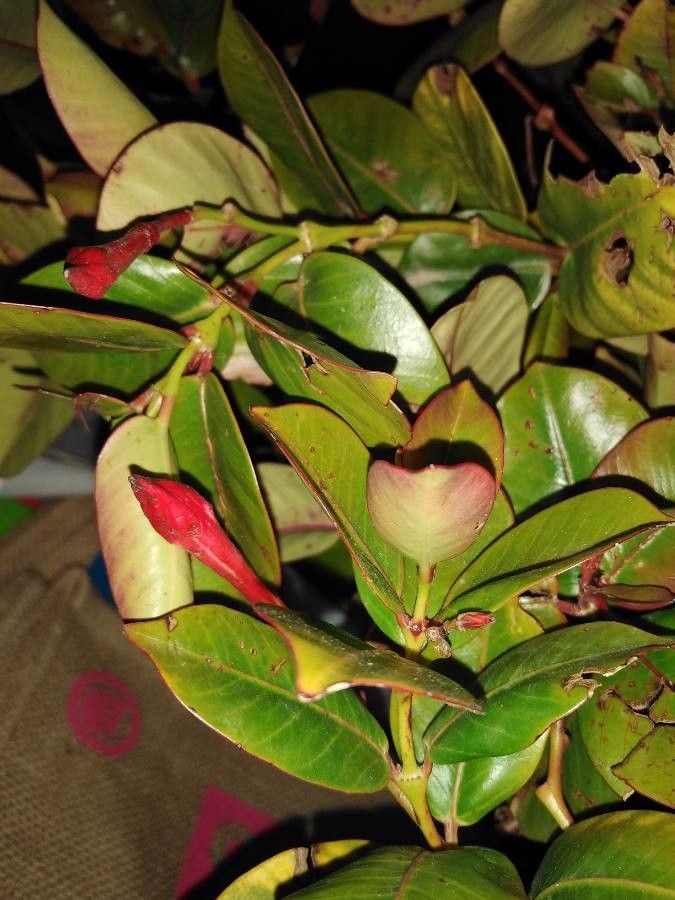
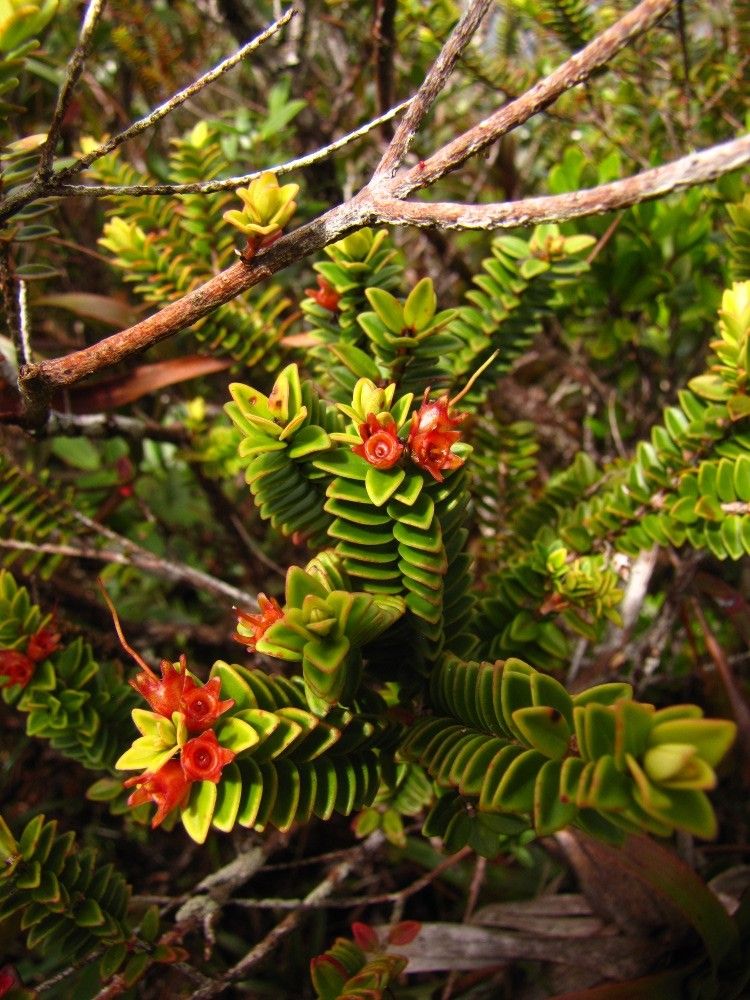
Metrosideros umbellata, the southern rata, is a tree endemic to New Zealand. It grows up to 15 metres (49 ft) or more tall with a trunk up to 1 metre (3 ft 3 in) or more in diameter. It produces masses of red flowers in summer. Unlike its relative, northern rata, this species rarely grows as an epiphyte.
Southern rata is resistant to disease and is generally not prone to illness. In terms of care, this plant is fairly low-maintenance. When grown outdoors it needs minimal watering, and larger plants typically do not require pruning. Smaller plants, however, should be pruned after they have bloomed. Southern rata is appropriate for anyone with outdoor space, such as a garden or deck, and does not demand much gardening experience.
How to keep Metrosideros Umbellata.
Light
Southern rata does well with a generous amount of sunlight and can tolerate areas with less sun. In its native habitat it gets plenty of sun, which supports healthy growth. Too much sun can sometimes cause wilting, while too little can lead to poor flowering. Still, it is highly adaptable to a range of light conditions.
Water
The Southern rata thrives in moist environments and can tolerate moderate drought. For optimal health, it benefits from biweekly watering. This plant adapts well to different climates, showing resilience by adjusting its water storage capabilities with the changing seasons.
Temperature
The Southern rata is highly adaptable to different climate conditions, whether facing blistering summers or cold winters. Still, it has a preferred temperature range for healthy growth. If temperatures climb too high, the plant can suffer from heat and humidity stress, which may kill it; likewise, in areas where temperatures near the lower limit of its cold tolerance, providing insulation is important to protect the plant.
Fertilizer
Timing is essential for fertilizing Southern rata. Start in early spring and apply monthly through to early summer. Fertilizer promotes lovely blooms and supplies energy during both dormant and active growth phases.
Pruning
Here is a revised version of the text: Southern Rata, known for its vibrant crimson flowers and evergreen leaves, benefits from pruning between early and late winter. To promote healthy growth, focus on removing dead branches and thinning crowded areas to improve both airflow and light penetration. Avoid heavy pruning, as it can cause stress to the plant. Instead, make light, strategic cuts to encourage optimal growth.
Botanical profile.
- Plant Type
- Tree
- Life Cycle
- Perennial
- Genus
- Metrosideros
- Family
- Myrtaceae
- Hardiness Zone
- 8-11
- Mature Height
- 14.94 m
- Mature Spread
- 2.44 m to 3.66 m
- Leaf Color
- Dark Green
- Leaf Type
- Evergreen
- Flower Color
- Red
- Flower Size
- 2.03 cm to 3.05 cm
- Bloom Time
- Summer
- Planting Time
- Spring
- Harvest Time
- Late summer, Early fall, Mid fall
- Native Area
- New Zealand
Other names.
Reader questions.
What are the sunlight requirements for Southern rata?
Southern rata requires full sunlight to thrive, ideally more than 6 hours of sunlight per day. It can also adjust to partial sun conditions, which means about 3-6 hours of sunlight. The plant's original habitat is characterized by generous sun exposure, vital for its growth and flowering. While it can withstand extreme sun, excessive exposure may lead to wilting, and insufficient sun can result in lackluster flowering. However, Southern rata is adaptable to a range of light conditions, making it a resilient garden addition.
What is the Southern rata?
The Southern rata, known scientifically as Metrosideros umbellata, is a species within the Metrosideros genus. While there is no detailed description provided here, Metrosideros umbellata is recognized for its importance in horticulture and ecology, often admired for its vibrant flowers and role in native ecosystems.
How can artificial lighting benefit indoor Southern rata plants?
Indoor Southern rata plants can greatly benefit from artificial lighting, especially when natural sunlight is inadequate, like in winter or less sunny spaces. Artificial lights can be an essential solution for promoting faster and healthier plant growth. LED lights are recommended due to their ability to provide specific light wavelengths needed by plants. For full sun plants, 30-50W/sq ft of artificial light is needed, while partial sun plants require 20-30W/sq ft, and full shade plants need 10-20W/sq ft. The artificial light source should be placed 12-36 inches above the plant to simulate natural sunlight, and plants typically require 8-12 hours of light per day.
What are common symptoms of poor lighting conditions in Southern rata?
Southern rata may show several symptoms if it's suffering from poor lighting conditions. Key signs include smaller new leaves, leggy or sparse growth, faster leaf drop, slower or halted growth, lighter-colored new leaves, chlorosis (yellowing leaves), sunscald (damage from intense light), leaf curling, wilting, and leaf scorching. These symptoms indicate that the plant is either getting insufficient light, leading to a lack of chlorophyll and essential nutrients, or excessive light, causing physical damage and reduced health.
What solutions can improve light conditions for indoor and outdoor Southern rata plants?
Improving light conditions for Southern rata involves gradual adjustments to increase sunlight exposure. For indoor plants, gradually moving them to a sunnier spot or using artificial light can help. Ensure they receive at least 6 hours of direct sunlight daily or use grow lights for 8 hours a day. For outdoor plants, moving them to better-lit spots gradually is key to avoiding sunburn. Additionally, minimizing obstructions such as pruning trees can increase sunlight access. For smaller plants, consider transplanting during their dormant period to a location with ample sunlight and good drainage.