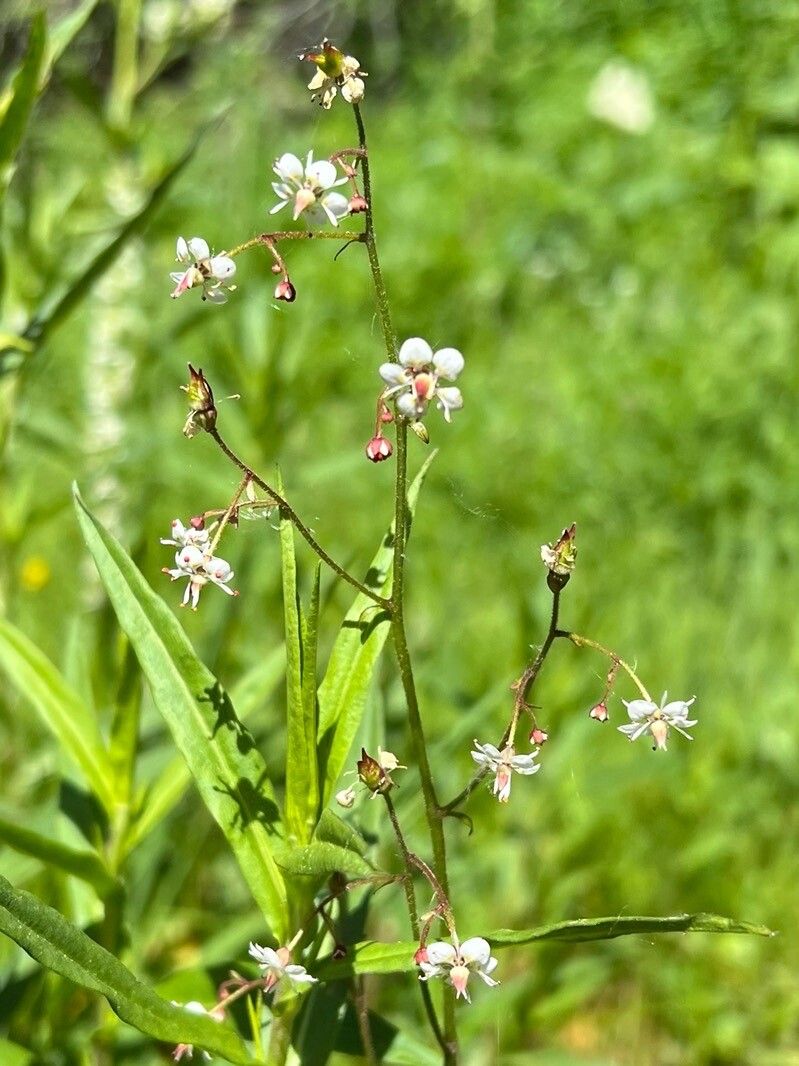
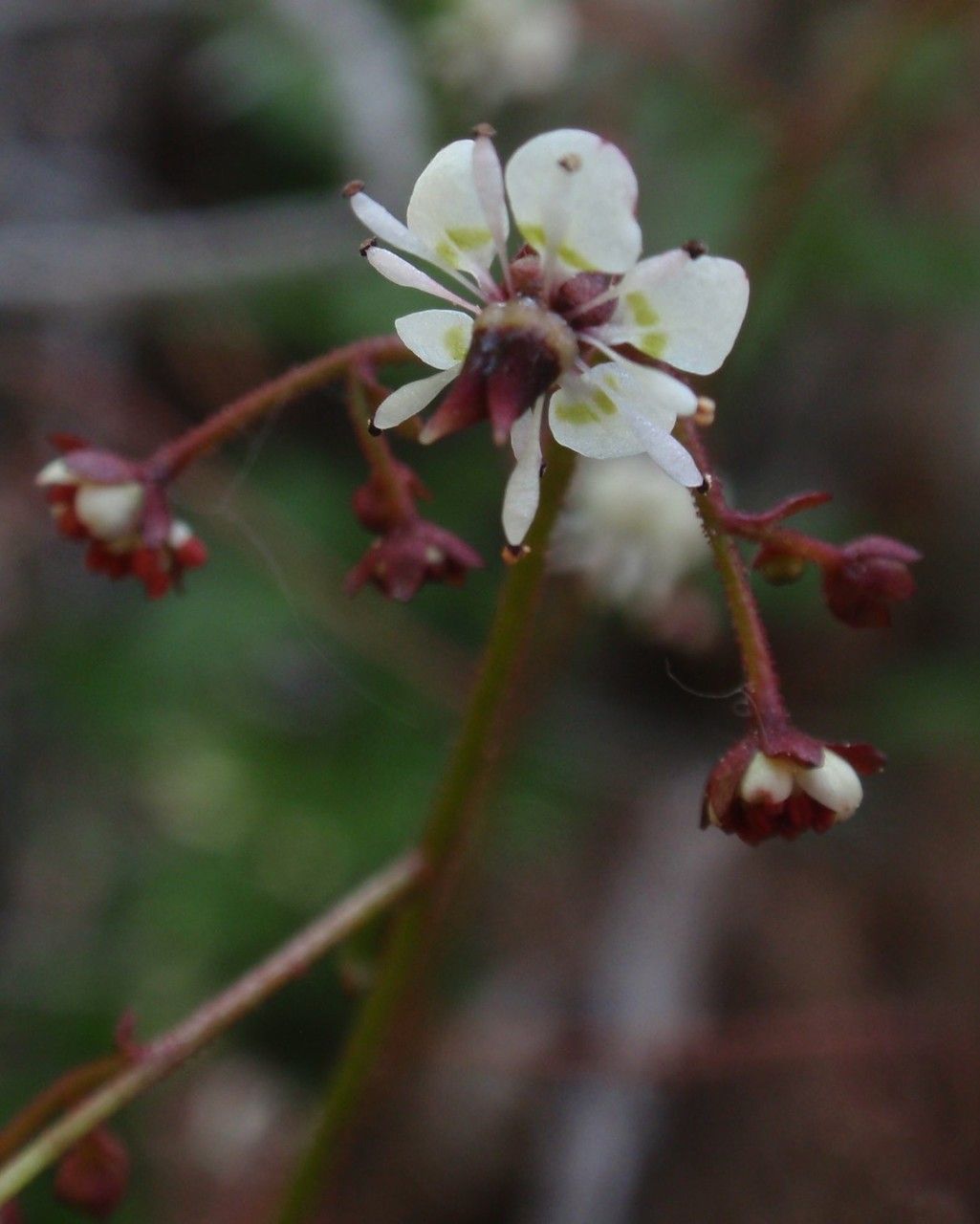
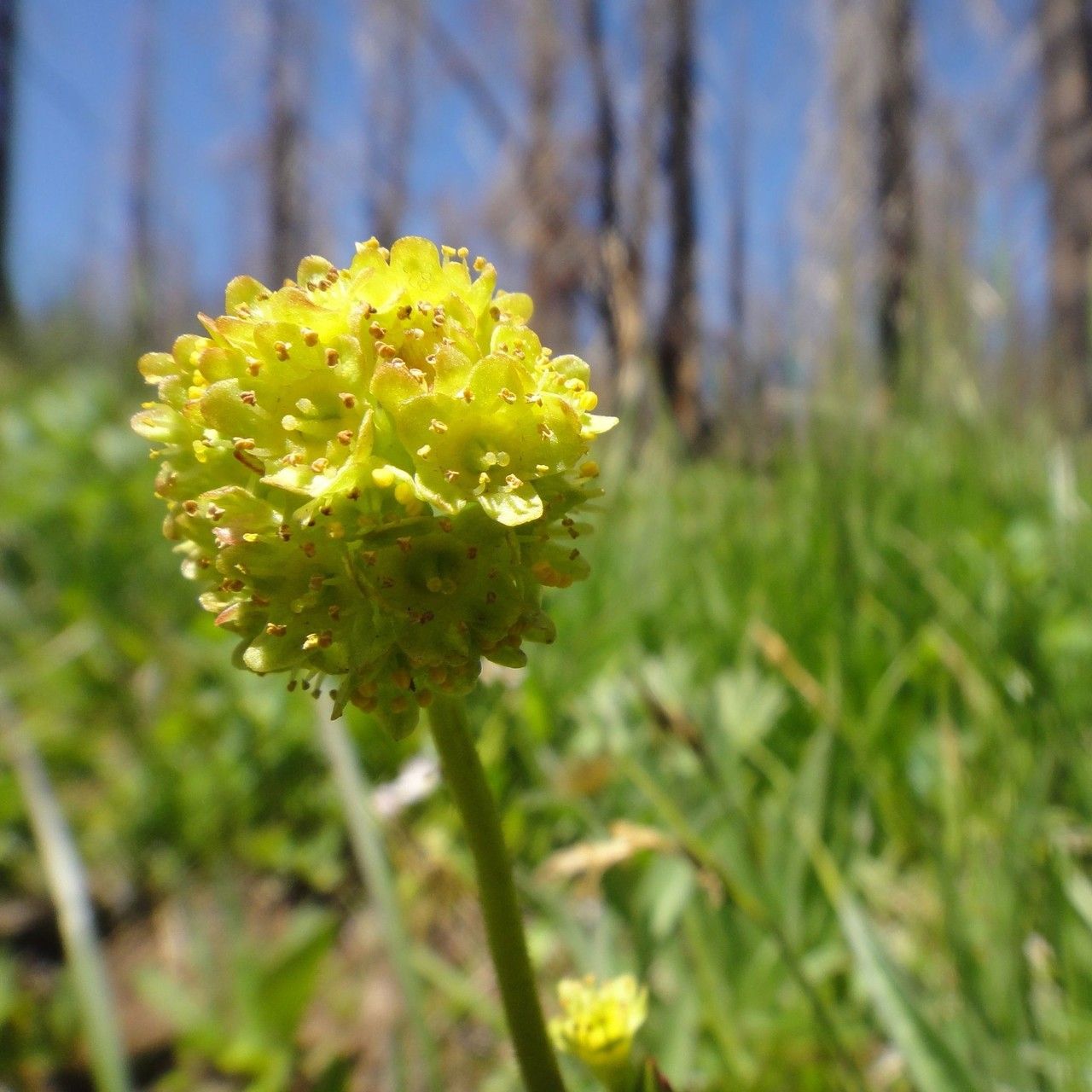
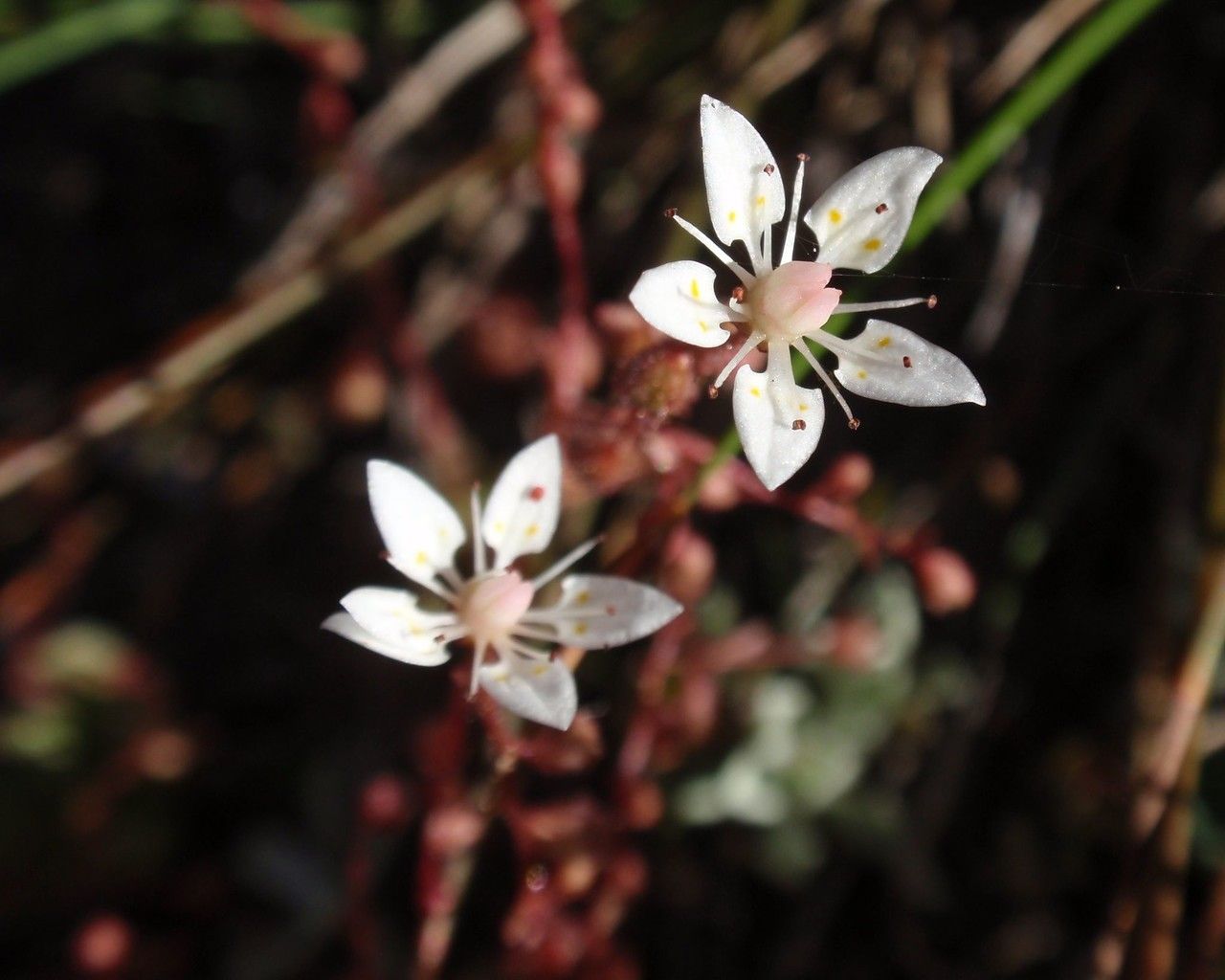
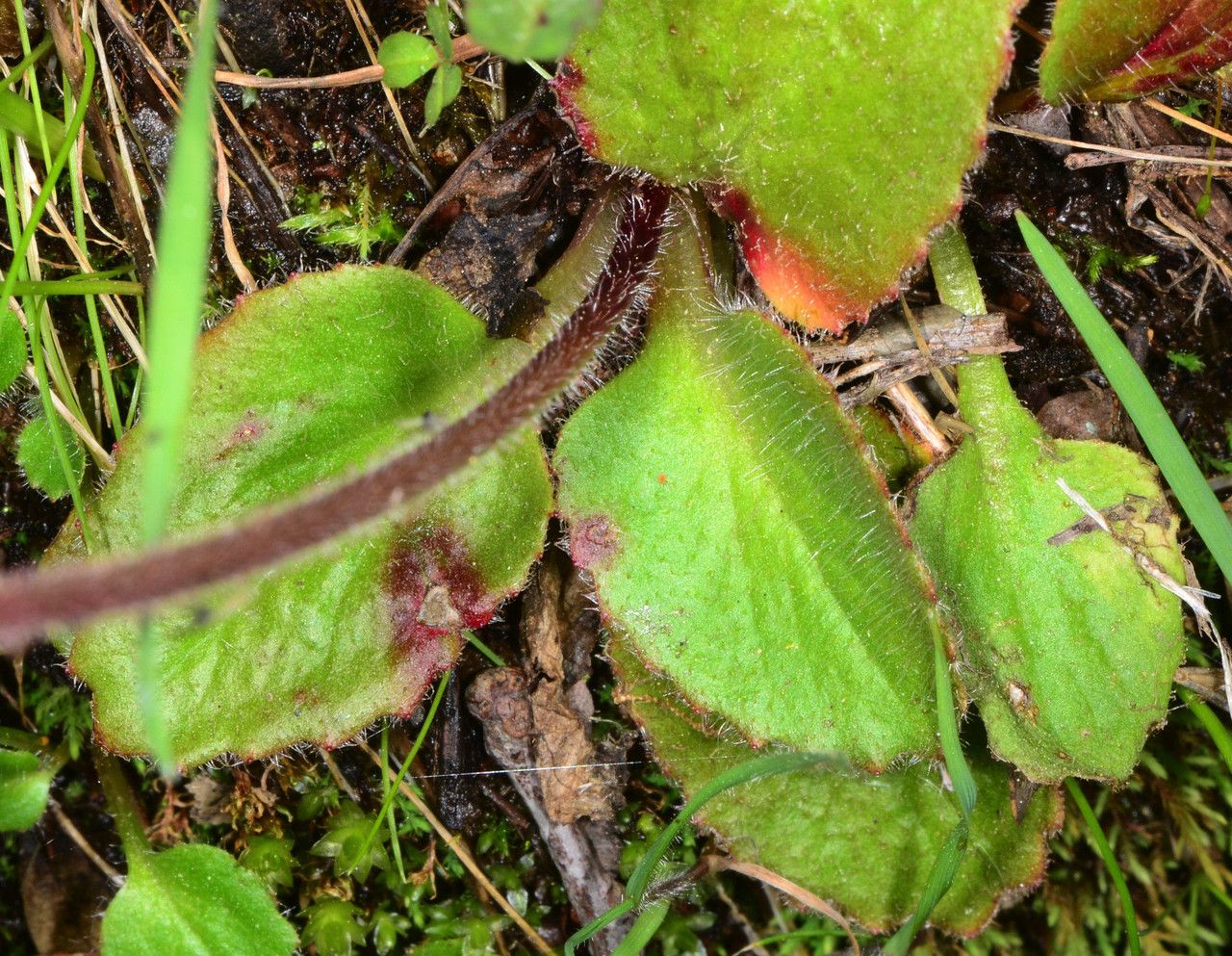
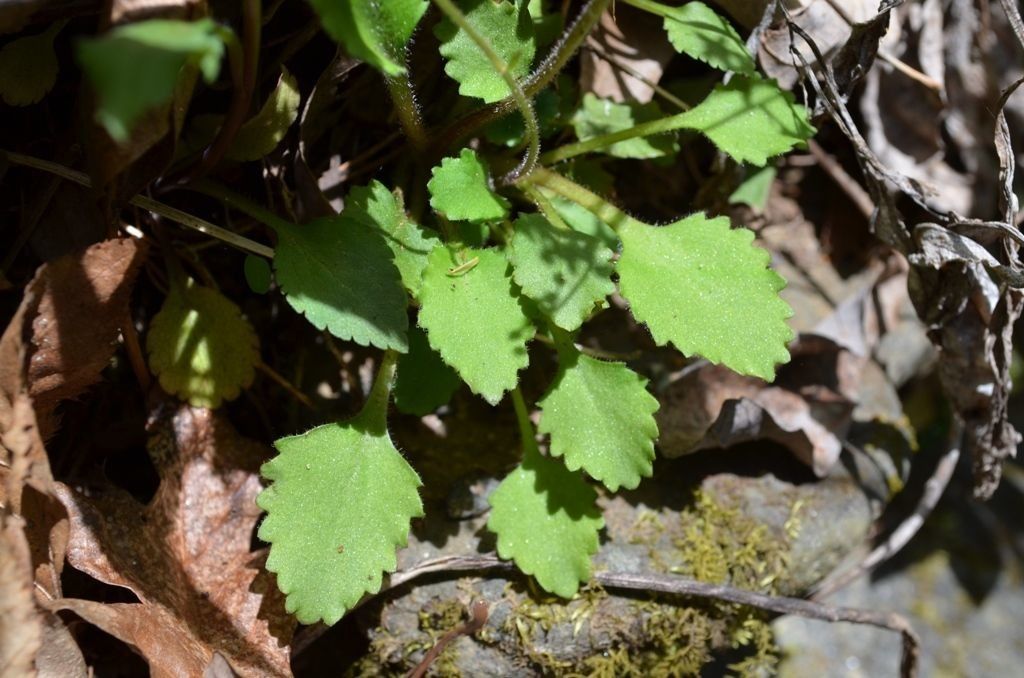
Micranthes odontoloma is a species of flowering plant known by the common name brook saxifrage. It is native to much of western North America, where it can be found in many types of moist and rocky habitat types. It is a perennial herb growing from a caudex and rhizome system. It produces a clump of leaves with rounded, toothed, or scalloped blades on long, thin petioles. The branching inflorescence arises on a slender, erect peduncle up to half a meter tall bearing many flowers. Each flower has five teardrop-shaped white petals with threadlike bases, and stamens with flat, narrow filaments that sometimes resemble additional petals. The leaves are edible, and can be cooked to reduce their toughness.
Brook saxifrage has good resistance to disease and is generally not prone to illnesses. Still, it can be affected by pests and diseases present in its surroundings, though these problems are usually not severe. Care-wise, the plant needs a moderate level of attention. It should be pruned regularly to preserve an attractive appearance and support healthy growth, and fertilizing can help encourage flowering. Brook saxifrage is appropriate for anyone with outdoor space, such as a garden or patio, and does not demand extensive gardening experience. When grown indoors, however, it may need more care.
How to keep Micranthes Odontoloma.
Light
Brook saxifrage is native to habitats like forest understories and rocky areas, where it receives natural shade. It prefers partial sun but can tolerate full sun or full shade, showing its versatile, hardy character.
Water
Brook saxifrage thrives in moist environments and has adapted to retain water due to its woodland origins. It prefers consistent moisture and requires weekly watering. Naturally found along streams, brook saxifrage benefits from rainfall, which supports its growth and promotes lush foliage.
Fertilizer
The best time to fertilize a Brook saxifrage is in early spring, as it comes out of dormancy and begins active growth. Fertilizing supplies essential nutrients for healthy growth. Although Brook saxifrage has relatively low fertilizer needs, annual fertilization can improve its survival and promote better, longer-lasting flowers.
Pruning
Brook saxifrage flourishes in moist environments and is known for its clusters of white flowers. To maintain its health and appearance, prune the plant from early to late spring, right after it has finished flowering. During pruning, remove any dead foliage to encourage new growth and improve air circulation. Regular trimming helps the plant stay compact, reduces the risk of disease, and promotes blooms for the next season. Always remember to use sterilized tools for pruning.
Botanical profile.
- Plant Type
- Herb
- Life Cycle
- Perennial
- Genus
- Micranthes
- Family
- Saxifragaceae
- Hardiness Zone
- 3-7
- Mature Height
- 30 cm to 61 cm
- Mature Spread
- 10 cm to 20 cm
- Leaf Color
- Green, Blue
- Leaf Type
- Evergreen
- Flower Color
- White
- Flower Size
- 1.02 cm
- Bloom Time
- Mid spring, Late spring
- Planting Time
- Spring, Summer
- Harvest Time
- Early summer, Mid summer
Other names.