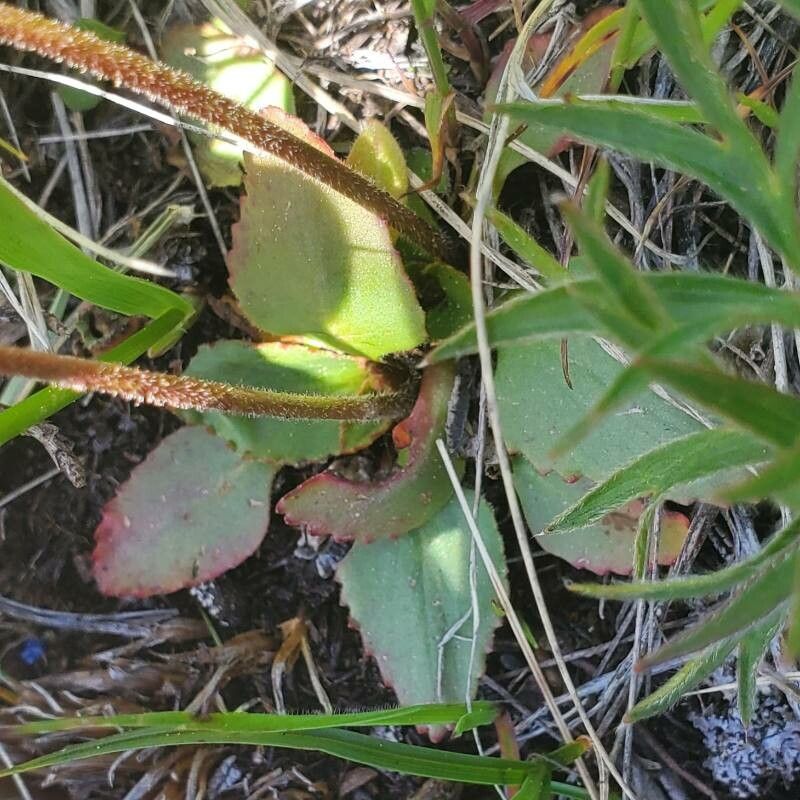
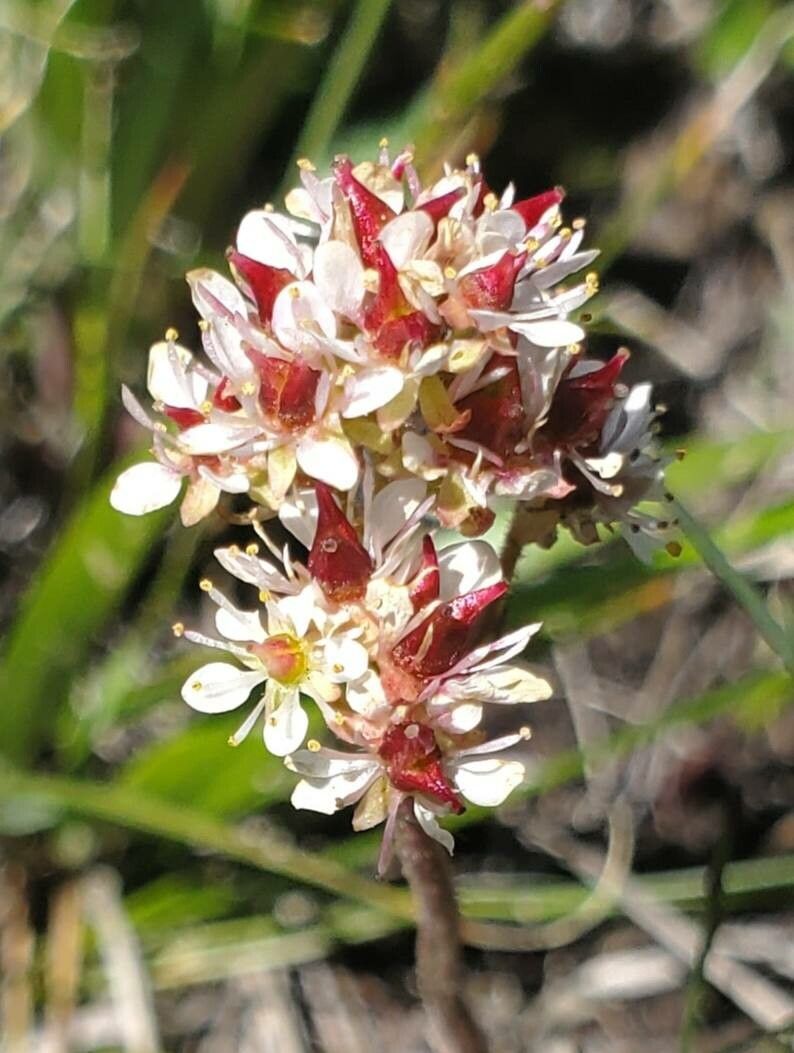
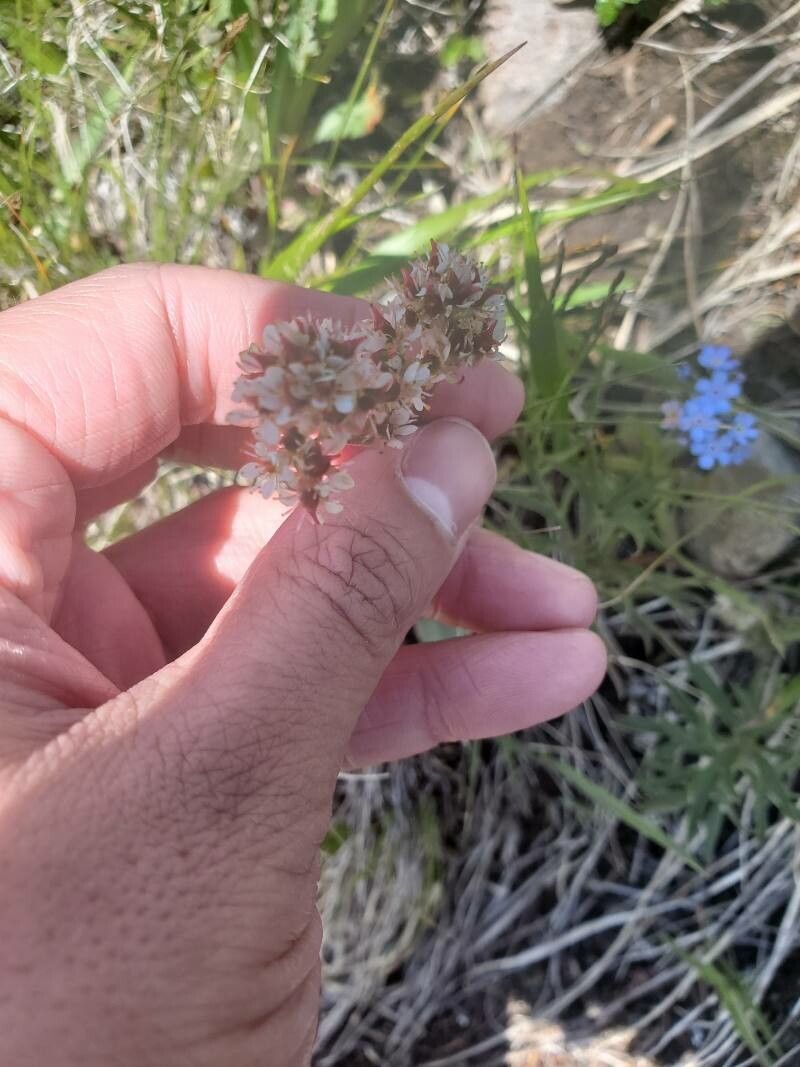
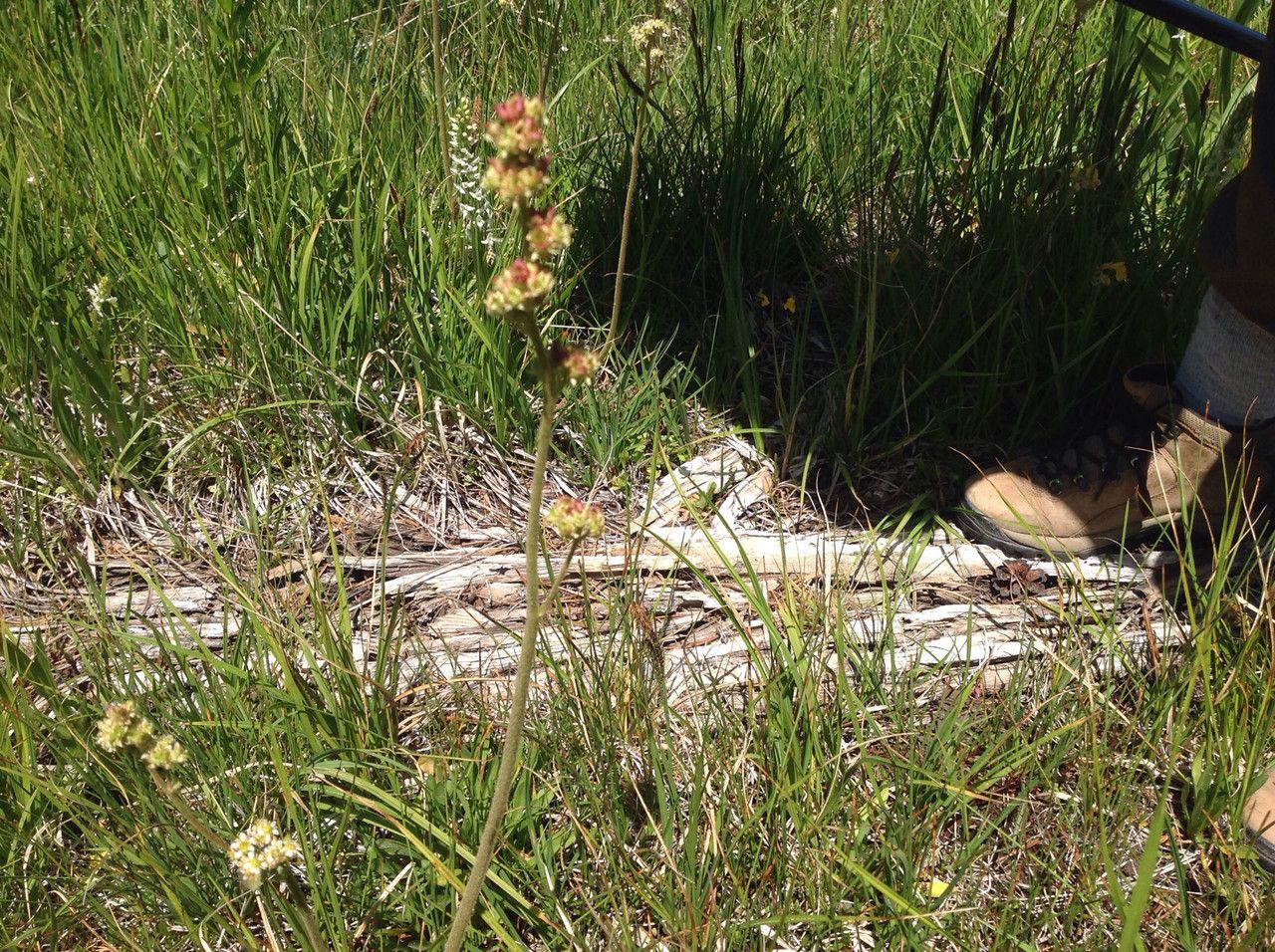
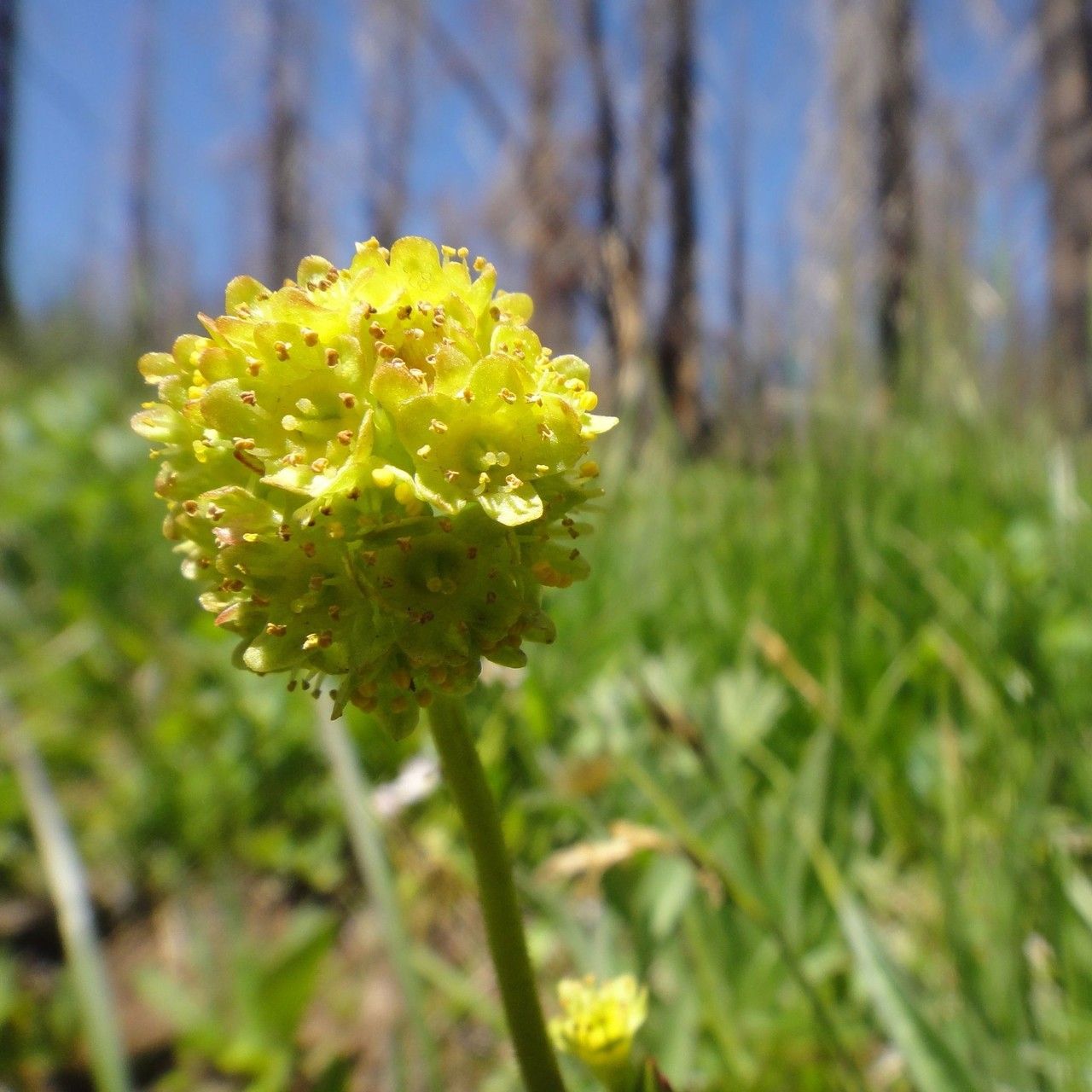
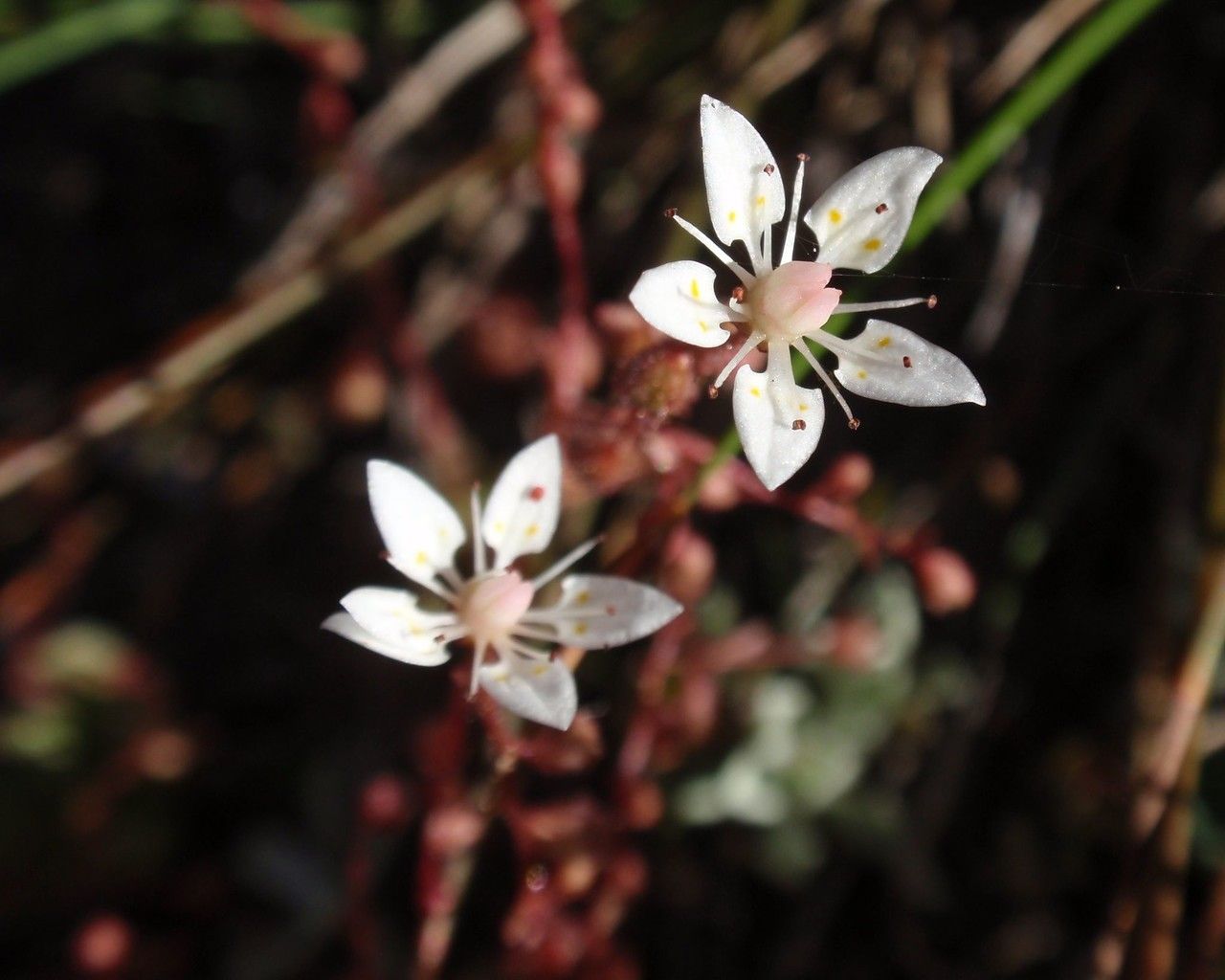
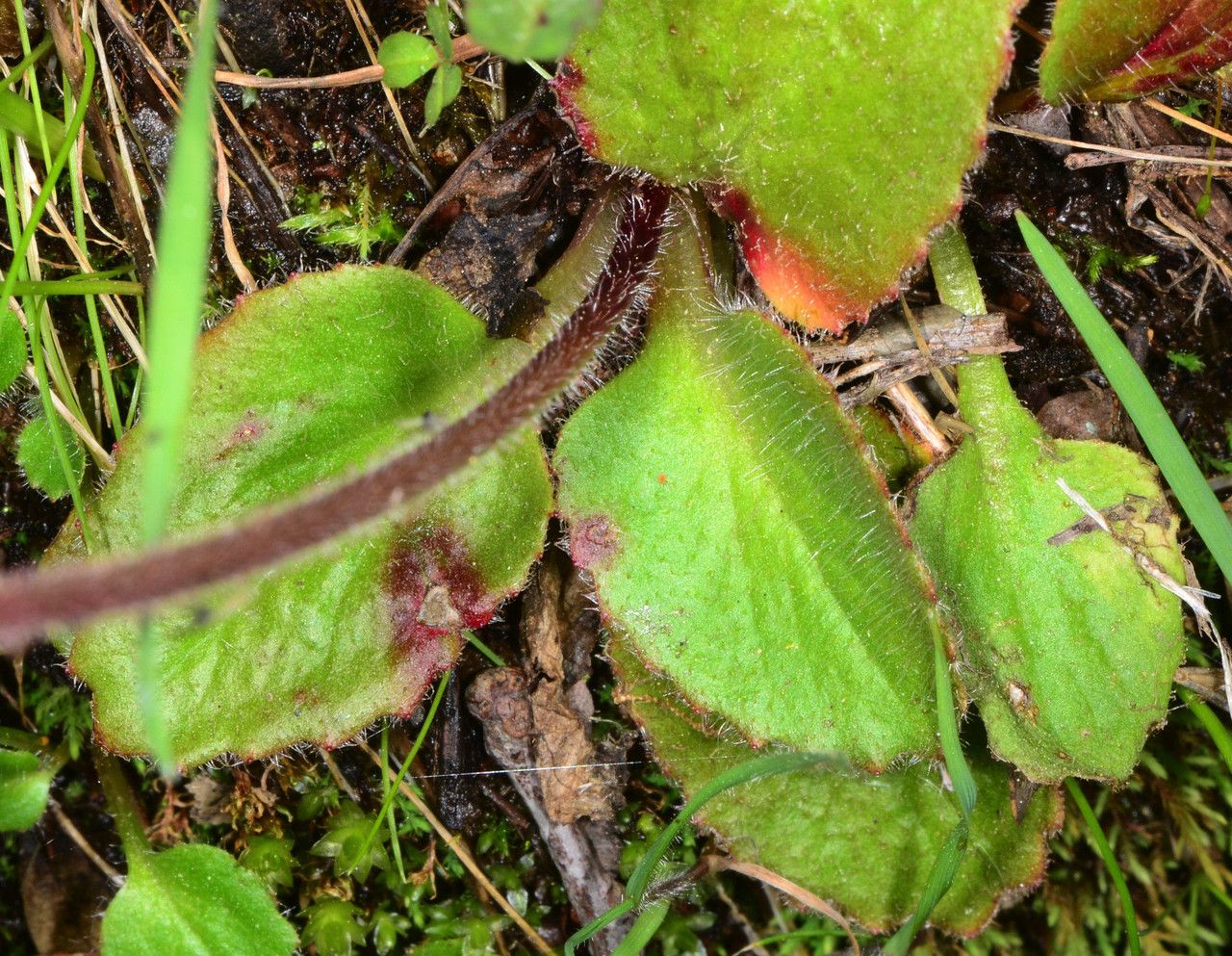
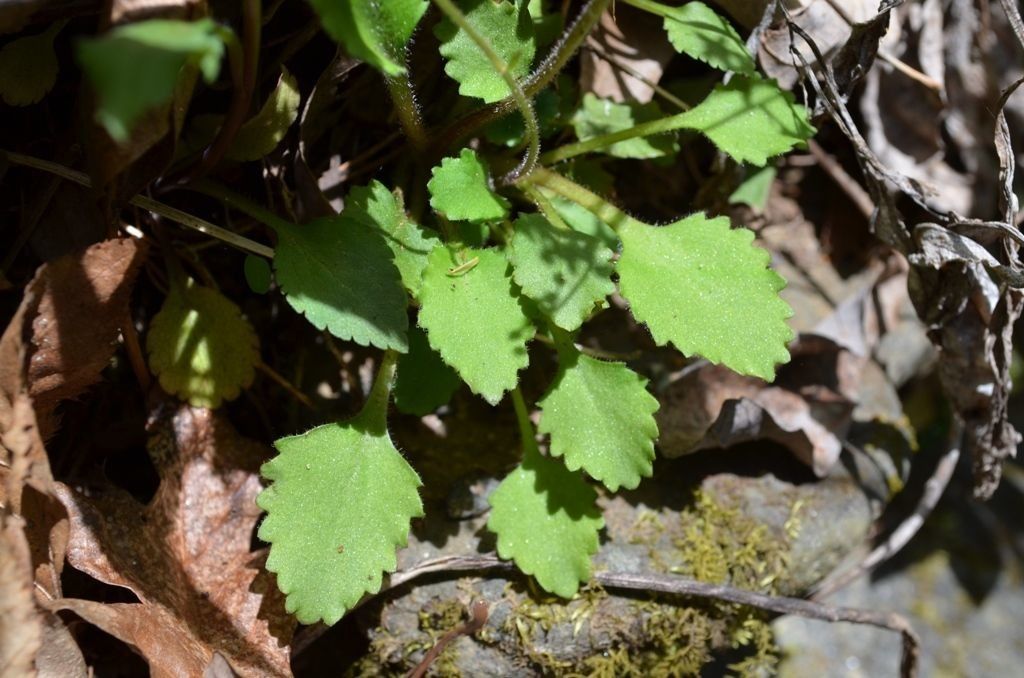
Micranthes oregana is a species of flowering plant known by the common name Oregon saxifrage. It is native to western North America, including the mountainous regions of the western United States. It can be found in moist habitat, such as marshes and other wetlands. It is a perennial herb growing from a thick, fleshy or woody caudex. It produces a basal rosette of linear to lance-shaped leaves each up to 25 centimeters long. The inflorescence arises on a stout peduncle which may exceed a meter in height. It is topped with one or more dense clusters of white-petaled flowers.
Oregon saxifrage is fairly disease-resistant and typically not prone to illnesses. Nevertheless, it can be affected by pests and diseases present in its environment. These problems are usually mild. For care, the plant needs moderate maintenance. It should be pruned regularly to preserve a tidy appearance and support healthy growth. Fertilizing can also help encourage flowering. Oregon saxifrage is suitable for anyone with outdoor space, such as a garden or patio, and does not demand extensive care experience. It may require more attention when grown indoors.
How to keep Micranthes Oregana.
Light
Oregon saxifrage is a sun-loving perennial herbaceous plant that comes from open habitats and is commonly found in meadows and grasslands. It prefers full sun but can also tolerate partial sun.
Water
Oregon saxifrage thrives in moist environments and needs consistent hydration without becoming waterlogged. Watering it once a week is ideal for maintaining its health. While this plant is resilient enough to endure brief dry spells, it is crucial to provide sufficient moisture during its active growth phases to ensure vigorous development and blooming. This reflects its ability to adapt to changing moisture conditions.
Fertilizer
Early spring, when an Oregon saxifrage is coming out of dormancy and beginning active growth, is the ideal time to fertilize it. Fertilization supplies essential nutrients for healthy growth. Although Oregon saxifrage has relatively low fertilizer requirements, annual fertilization can improve its survival and encourage better, longer-lasting flowers.
Pruning
Oregon saxifrage is known for its lush leaves and delicate flowers. To keep the plant healthy, it's beneficial to prune it from early to late spring. During pruning, remove any dead or damaged foliage, and thin out areas that are overcrowded. This improves air circulation, promotes healthier growth, and results in more vibrant blooms. Additionally, these practices help prevent disease and enhance the plant's overall vitality.
Botanical profile.
- Plant Type
- Herb
- Life Cycle
- Perennial
- Genus
- Micranthes
- Family
- Saxifragaceae
- Hardiness Zone
- 4-8
- Mature Height
- 3.66 m to 7.62 m
- Mature Spread
- 5 cm to 10 cm
- Leaf Color
- Green, Dark Green
- Leaf Type
- Evergreen
- Flower Color
- White
- Flower Size
- 1.27 cm
- Bloom Time
- Early spring, Mid spring
- Planting Time
- Spring, Summer, Autumn
- Harvest Time
- Late spring, Early summer
Other names.
Reader questions.
How should I water my Oregon saxifrage?
To properly water the Oregon saxifrage, it is advisable to use filtered water at room temperature. Tap water may contain harmful particles that could affect the plant's health. The reason for using room temperature or slightly warm water is that the Oregon saxifrage is accustomed to a warm environment, and cold water can be a shock to its system. Additionally, it is best to avoid watering the plant from above as this can cause complications with the foliage. Instead, apply the filtered room temperature water directly to the soil until it is completely soaked. This method benefits the plant by moisturizing the roots and facilitating their spread through the soil to gather the necessary nutrients.
What are the sunlight requirements for Oregon saxifrage?
Oregon saxifrage, a perennial herbaceous plant that thrives in open habitats like meadows and grasslands, prefers full sun, needing above 6 hours of sunlight daily. However, it can also tolerate partial sun conditions, requiring about 3-6 hours of sunlight. It's important to monitor the sunlight as it moves through your garden to find spots that offer a balance of light and shade, ensuring the plants' health and happiness.
What should I do if I give my Oregon saxifrage plant too much or too little water?
Overwatering is a more common problem than underwatering for the Oregon saxifrage. When this plant receives too much water, its stems and leaves may wilt and turn yellow. Overwatering for a long time can lead to diseases like root rot, mold, and mildew, which can kill the plant. Underwatering is less likely, but it can still happen, causing the leaves to become brittle and brown. It's important to recognize the signs of overwatering early and take action quickly. Some diseases caused by overwatering, such as root rot, may not be fixable if you wait too long. If you see early signs of overwatering, reduce watering immediately and check the soil drainage. If the soil drains poorly, replace it with a loose, well-draining potting mix. If the plant is not getting enough water, increase watering until the signs improve.
How should artificial lighting be used for indoor Oregon saxifrage plants?
When natural sunlight is insufficient for Oregon saxifrage, especially in indoor settings or during less sunny seasons, artificial lighting becomes a crucial solution for optimal growth. LED lights are a popular choice because they can be customized to provide the specific wavelengths of light needed by the plant. The general guidelines include using 30-50W/sq ft of artificial light for full sun plants, 20-30W/sq ft for partial sun plants, and placing the light source 12-36 inches above the plant for 8-12 hours per day to mimic the natural daylight hours and promote healthy growth.
How often should I water my Oregon saxifrage plant?
If your Oregon saxifrage is in a pot, the most accurate way to determine if it needs water is by checking the soil. If the top two to three inches of soil are dry, it is time to water. Similarly, if you grow your Oregon saxifrage outdoors in the ground, you can use the same method. When the first few inches of soil have dried out, it is time to water. Typically, during spring and early fall, you will need to water this plant about once a week using this method. However, during extremely hot weather, you may need to increase the watering frequency to twice or more per week. It's worth noting that mature, well-established Oregon saxifrage plants have the ability to endure dry conditions.
What are the symptoms of inadequate lighting for Oregon saxifrage?
Oregon saxifrage shows several signs when suffering from inadequate lighting, including smaller new leaves, leggy or sparse growth, faster leaf drop, slower or no new growth, and pale or irregularly colored new leaves. Other symptoms like chlorosis, sunscald, leaf curling, wilting, and leaf scorching can occur due to both insufficient and excessive sunlight exposure. These signs highlight the plant's struggle with photosynthesis and overall health maintenance under poor lighting conditions.
How much water does my Oregon saxifrage plant need?
When watering your Oregon saxifrage, it is important to give it a sufficient amount of water. Make sure the first two to three inches of soil are dry before watering. It's best to water the plant thoroughly so that the soil is soaked entirely. The water should be enough to cause excess water to flow out of the drainage holes at the bottom of the pot. If you don't see excess water draining, then you may have not given enough water. However, be careful not to let water accumulate in the soil, as this can harm the plant. On the other hand, if water is not draining through the pot, it could indicate poorly draining soil, which is not good for the health of the plant. For outdoor plants, about 1 inch of rain per week will be enough.
What solutions can be applied for Oregon saxifrage experiencing light deficiency?
To address light deficiency in Oregon saxifrage, gradually increase its exposure to sunlight by moving it to a sunnier location each week until it receives at least 6 hours of direct sunlight daily. For indoor plants, consider using south-facing windows or artificial grow lights to ensure 8 hours of light daily. Outdoors, be mindful of avoiding sudden changes in light intensity to prevent sunburn. It's also helpful to reduce obstructions that block sunlight, and for smaller plants, consider transplanting during their dormant period to a location with ample sunlight. Remember, while parts of the plant that suffered might not recover, new growth should return to health with improved light conditions.
How do I water my Oregon saxifrage during different stages of growth?
The water needs of the Oregon saxifrage can vary depending on its growth stages. When the saxifrage is in its early years or has just been transplanted, it requires more water to support root development and future growth. As the plant matures, it requires less water. Additionally, during the bloom period, the saxifrage may need more water to support flower development.
How should I give water to my Oregon saxifrage all year round?
The water needs of the Oregon saxifrage vary throughout the year. During the hottest months, especially in the height of summer, you might need to water the plant more than once per week to prevent the soil from drying out too quickly. On the other hand, during winter, the plant goes into a dormant phase and requires much less water. In fact, you might not need to water it at all during winter. However, if you do decide to water it, it should only be done about once per month to avoid the risk of disease.
How does watering my Oregon saxifrage inside and outside affect it differently?
The Oregon saxifrage is best grown indoors for gardeners living in non-temperate and non-tropical regions. Keep in mind that soil in a container can dry out faster than ground soil, especially due to drying elements like air conditioning units. If you plant it outside, it may require less frequent watering as rainfall could be sufficient. However, if you grow it indoors, regular watering will be necessary since rainwater cannot soak the soil.