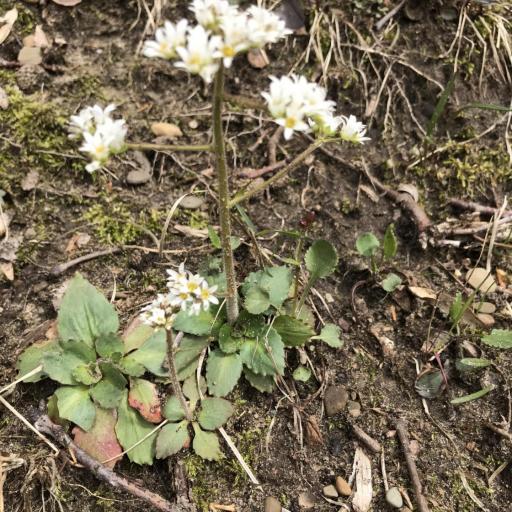
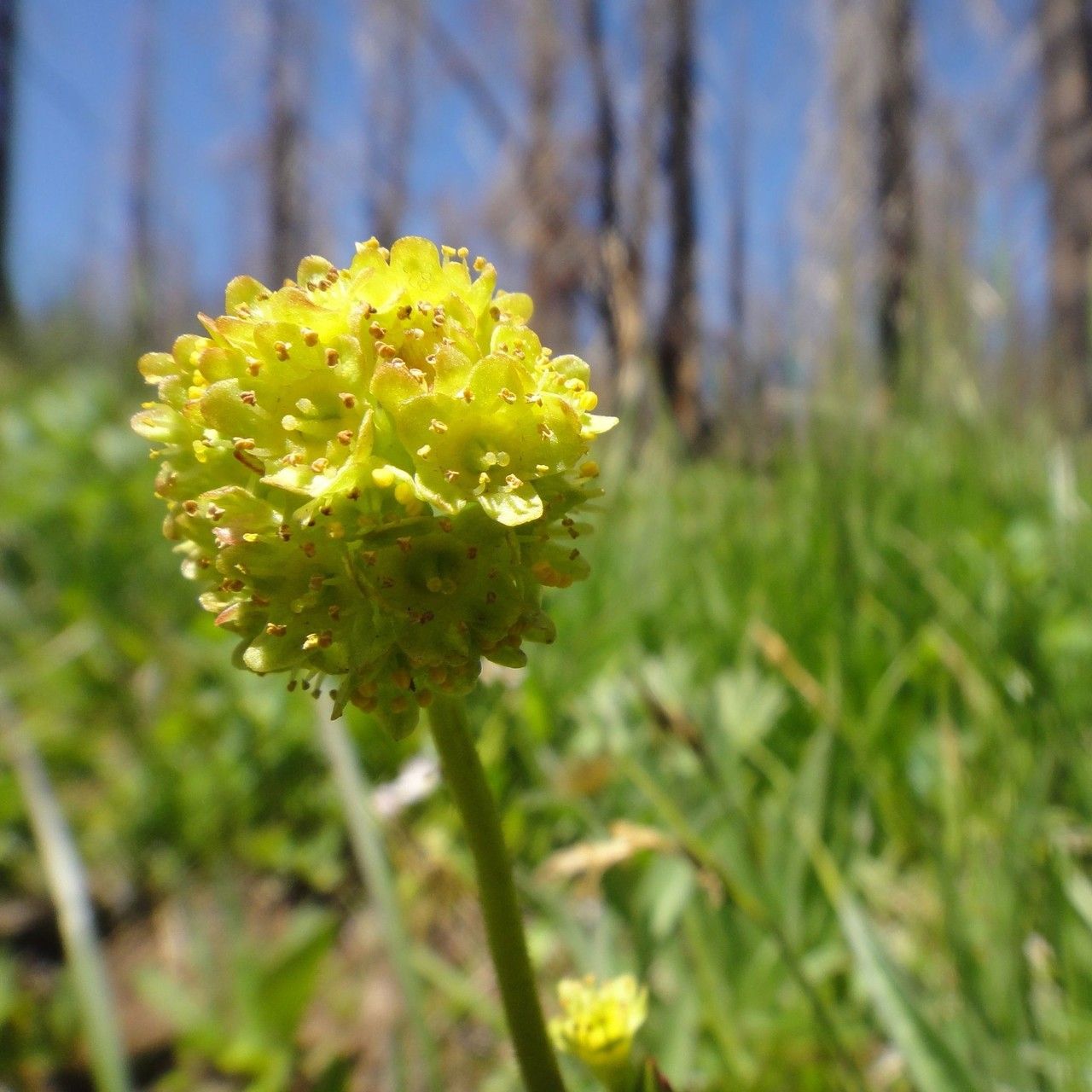
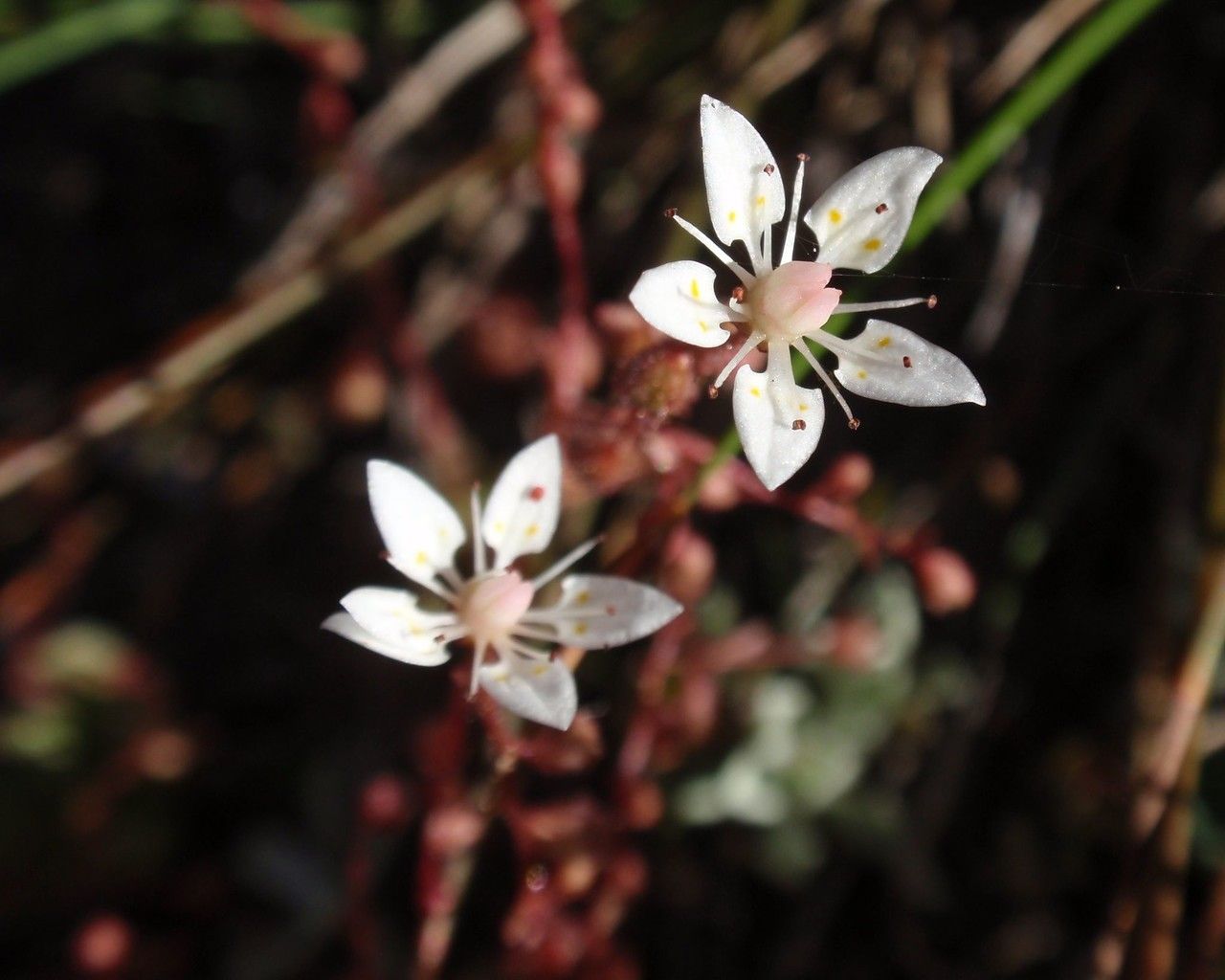
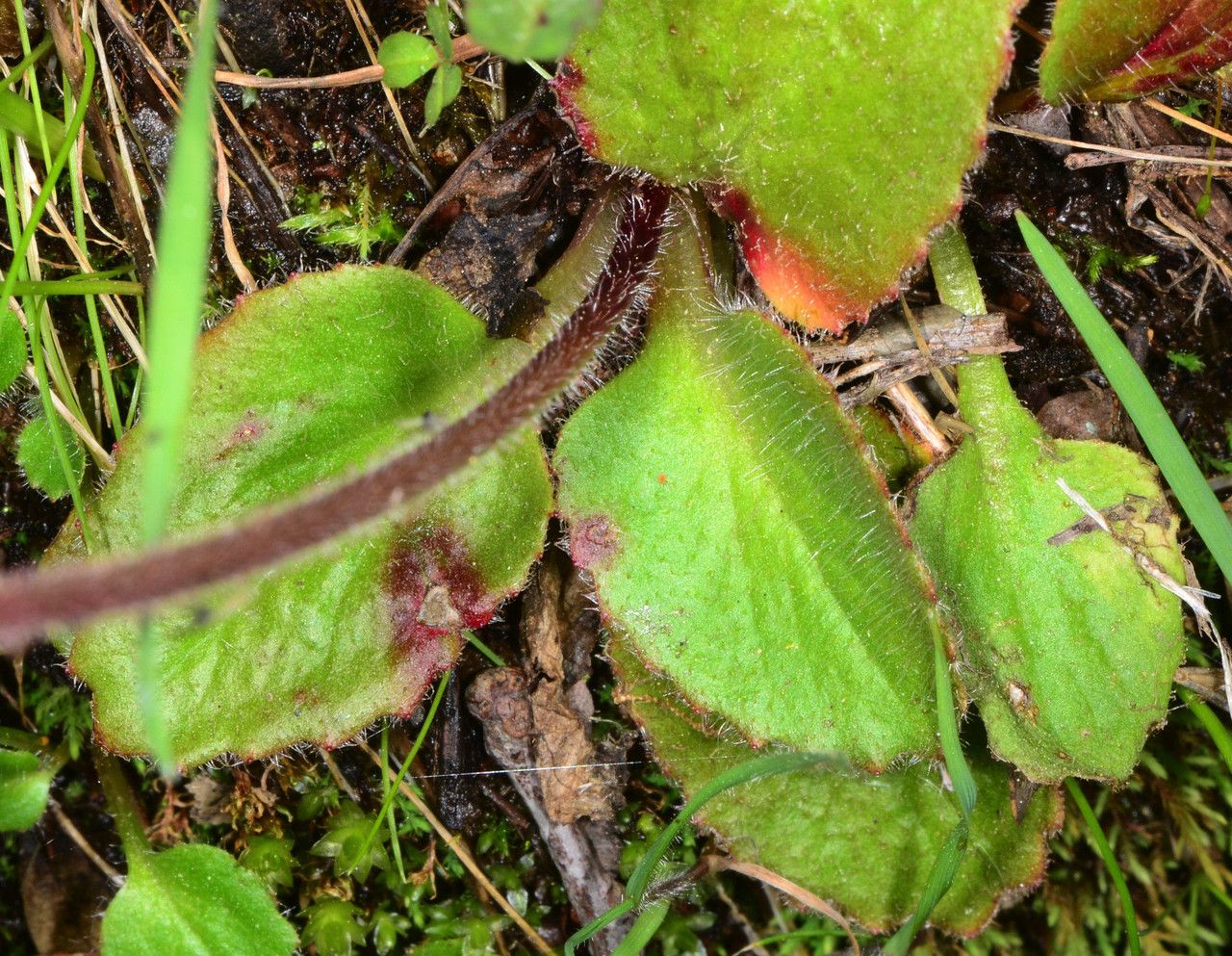
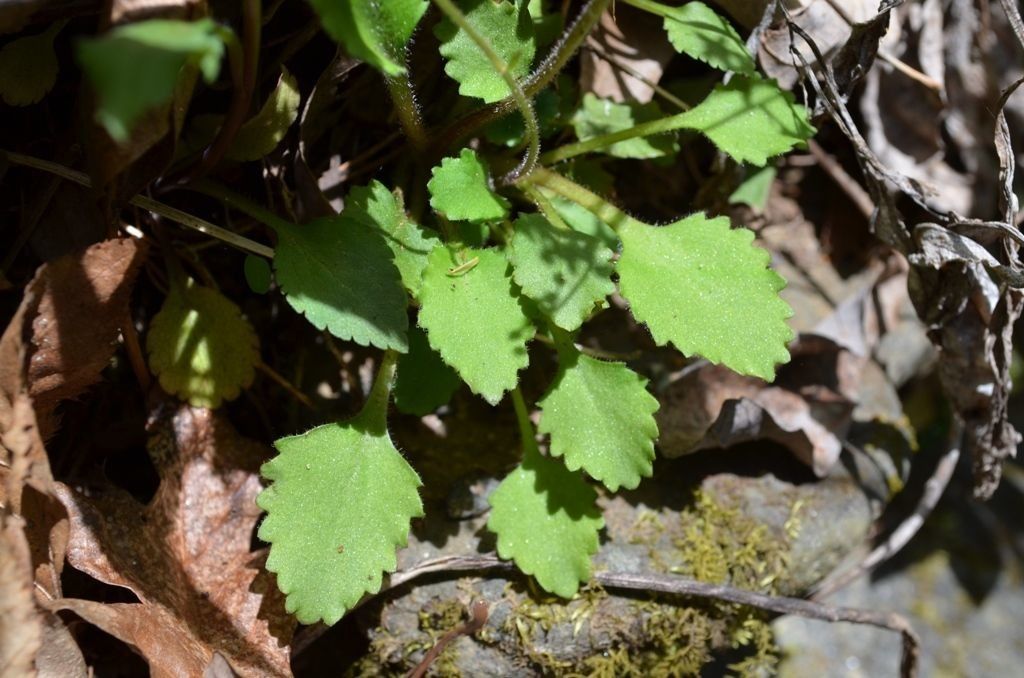
Micranthes virginiensis, the early saxifrage, or Virginia saxifrage, is a wildflower native to eastern and central North America. It is a herbaceous plant, which can reach 30 cm (12 in) tall. This species flowers in the spring and is usually found growing on rocks, cliffs, or logs. The pubescent stem is thought to deter ground insects from reaching its flowers, which would be less effective for pollination than flying insects.
Early Saxifrage is largely disease-resistant and generally not prone to illness. However, it can be affected by pests and diseases present in its environment. These problems are typically minor. In terms of maintenance, this plant requires a moderate level of care. It should be pruned regularly to preserve an attractive appearance and encourage healthy growth. Fertilizing can also aid in promoting blooms. Early Saxifrage is well suited to anyone with outdoor space, such as a garden or patio, and does not need extensive care experience. It may demand more attention when kept indoors.
How to keep Micranthes Virginiensis.
Light
Early Saxifrage is a species that does best in locations where sunlight is moderate. Too much sun can damage it, while too little light can result in poor growth. Its native habitat is mainly areas where it does not receive full sunlight all day. It should be noted, however, that excessive shade can also be harmful, potentially causing health problems for the plant.
Water
Early Saxifrage is native to moist woodlands and flourishes in consistently damp environments. It needs regular watering, but care should be taken to avoid waterlogging. Watering once a week is ideal for its health. In temperate regions where it is grown outdoors, early Saxifrage naturally adjusts to seasonal rainfall patterns, which affect its growth cycles and watering requirements.
Temperature
Early Saxifrage naturally occurs in habitats where temperatures range from 41 to 95 °F (5 to 35 ℃). It prospers in these temperate conditions. If necessary, seasonal temperature adjustments should be considered to keep conditions within its preferred range.
Fertilizer
For Early Saxifrage, the best time to fertilize is in early spring when the flowers are forming. Using the proper fertilizer promotes better blooms and helps Early Saxifrage produce lovely flowers. Fertilizing in early spring ensures excellent flowers during the season and supplies energy for dormant growth phases.
Pruning
To promote healthy growth, enhance flowering, and maintain the health of your early Saxifrage, it is advisable to prune the plant from early to late spring. Focus on removing dead foliage and spent flower stalks, being careful not to cut too close to the crown. For specific pruning techniques adapted to early Saxifrage, refer to horticultural guides.
Botanical profile.
- Plant Type
- Herb
- Life Cycle
- Perennial
- Genus
- Micranthes
- Family
- Saxifragaceae
- Hardiness Zone
- 5-9
- Mature Height
- 10 cm to 30 cm
- Mature Spread
- 10 cm to 20 cm
- Leaf Color
- Green, Dark Green
- Leaf Type
- Semi-evergreen
- Flower Color
- White
- Flower Size
- 2.54 cm to 7.62 cm
- Bloom Time
- Early spring, Mid spring
- Planting Time
- Spring
- Harvest Time
- Late spring, Early summer
Other names.