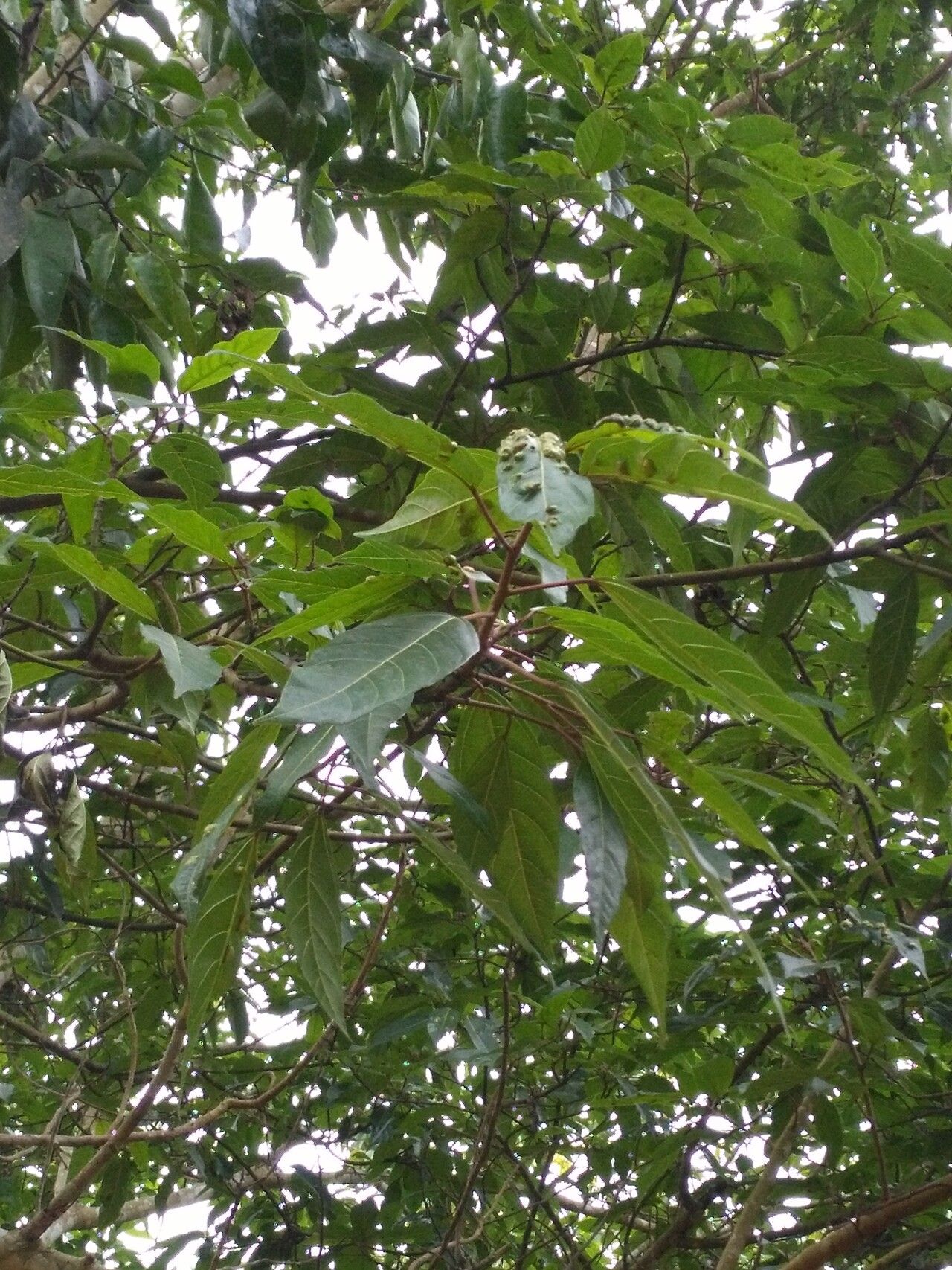
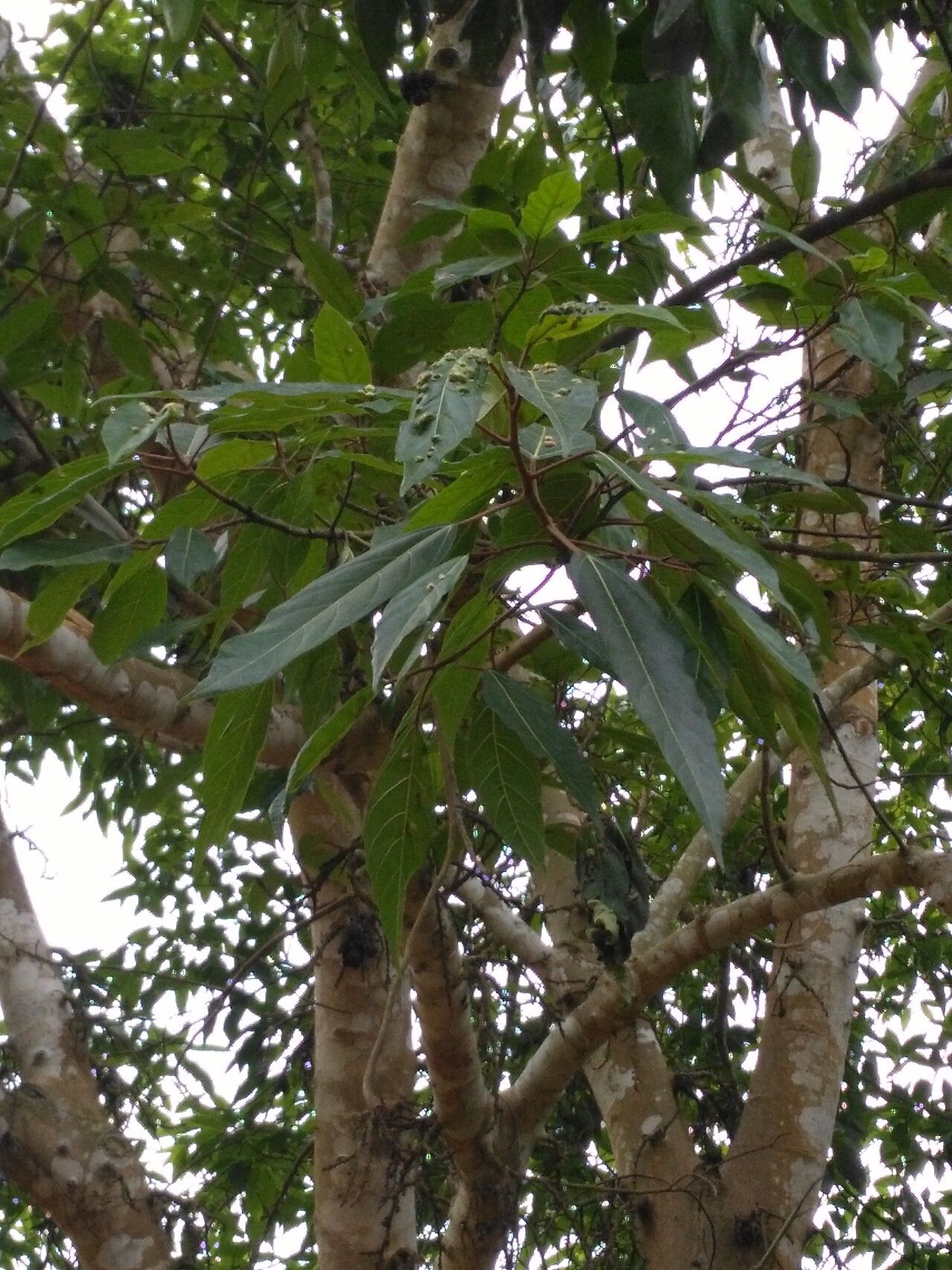
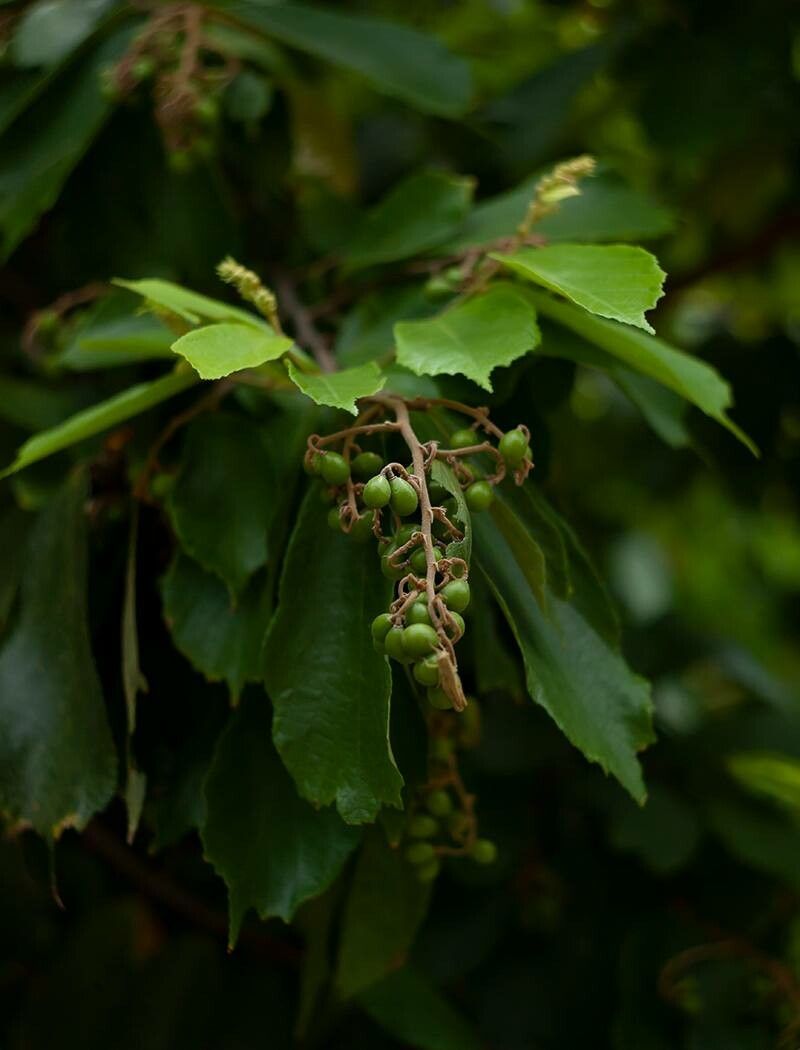
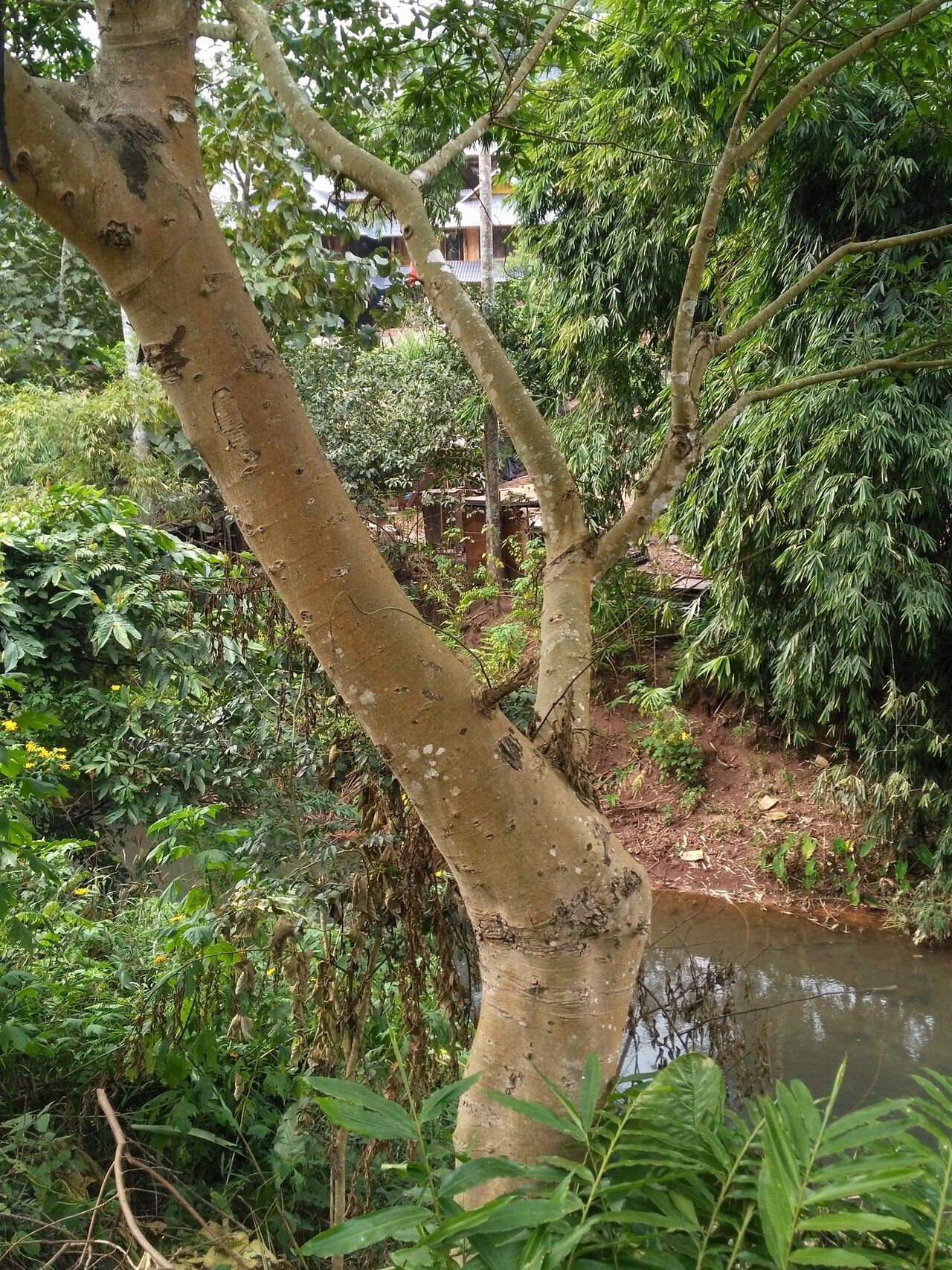
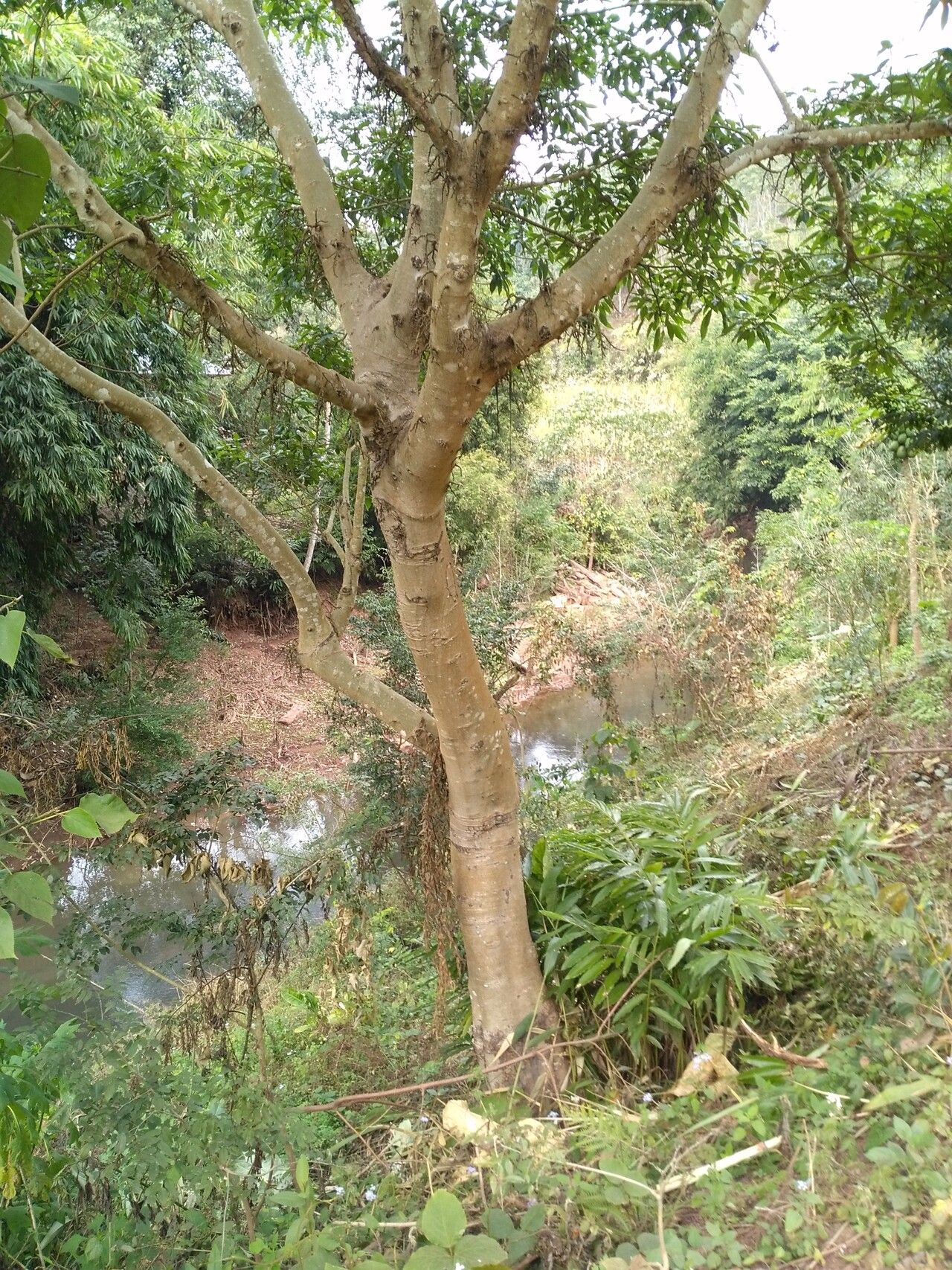
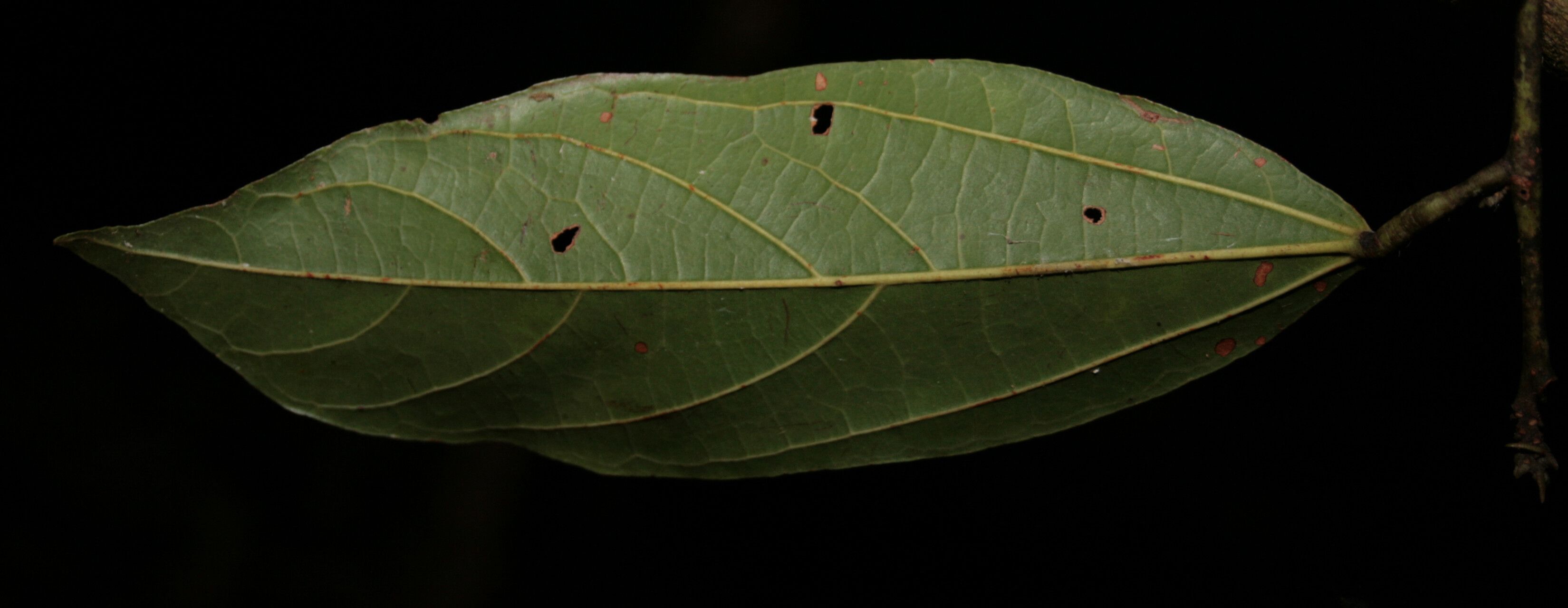
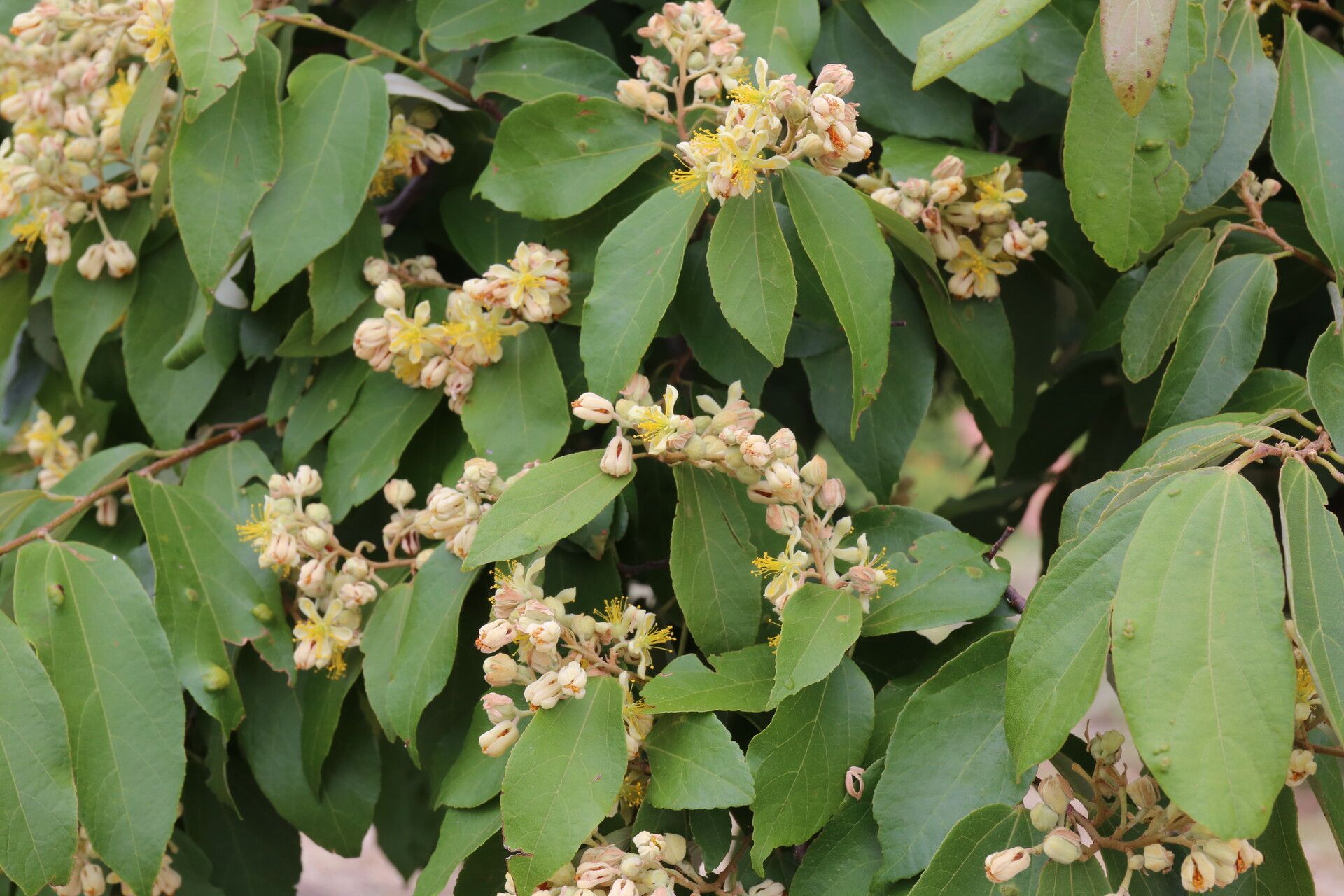
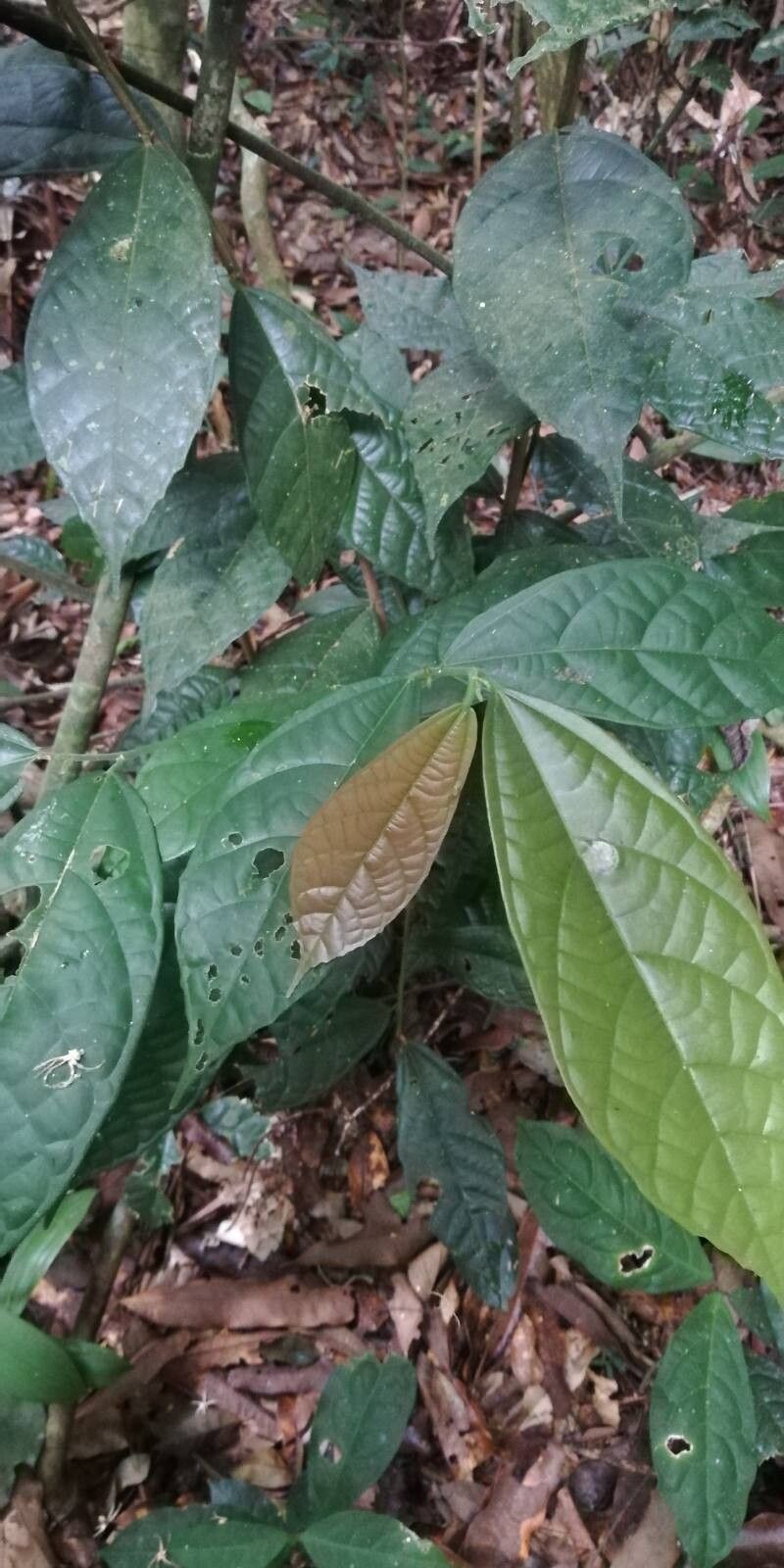
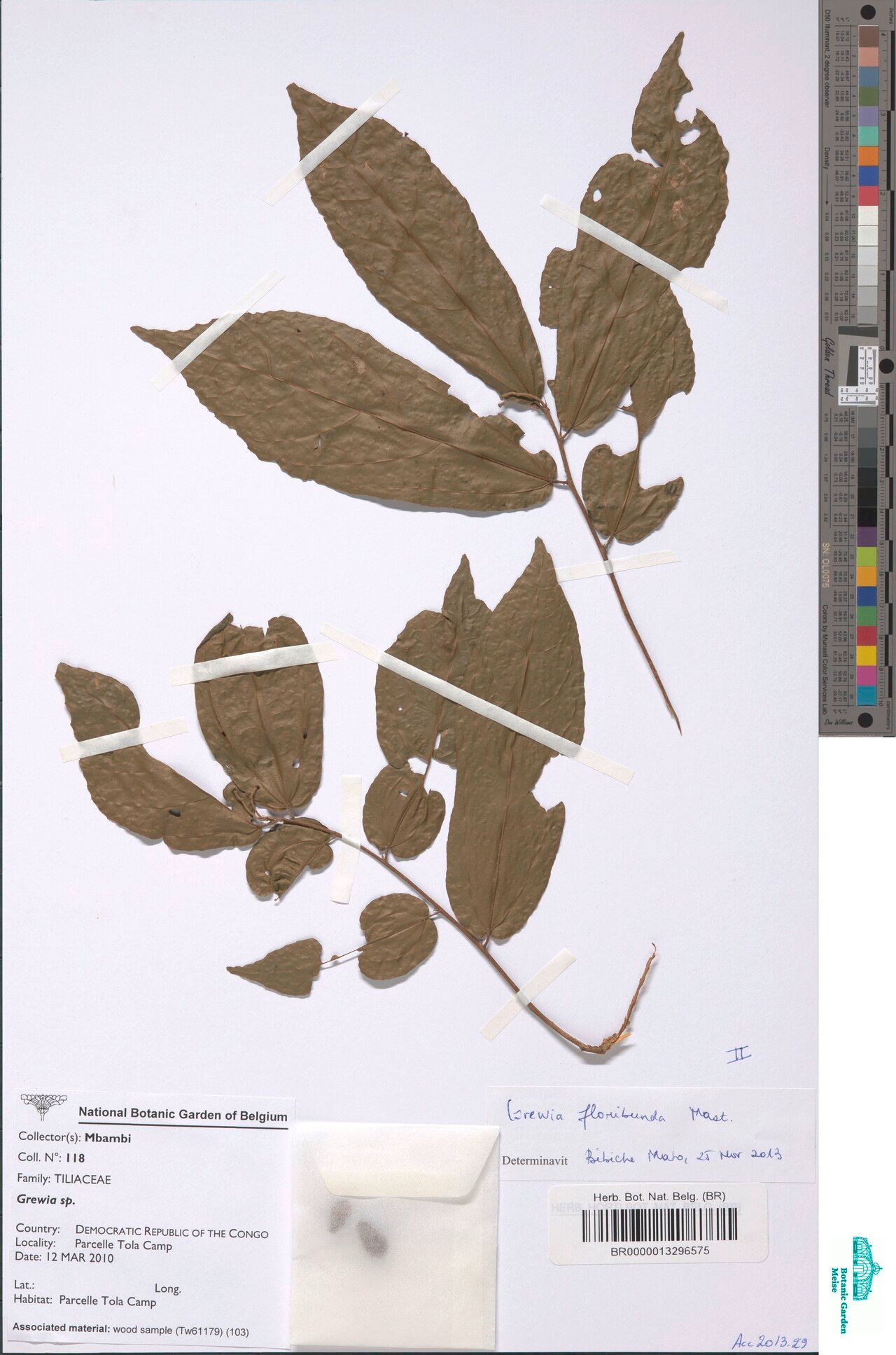
Microcos paniculata is a flowering shrub native to China and south-east Asia including India. It is also included in Indian Ayurveda. It is sometimes added to Chinese herbal tea, having a mildly sour taste. In traditional Chinese medicine the plant is believed to help the digestive system, and it is also used for other health problems including colds, hepatitis, diarrhea, heat stroke, and dyspepsia.
Grewia microcos is fairly disease-resistant and is usually not susceptible to diseases. In terms of care, this plant is relatively low-maintenance. When grown outdoors, it needs only minimal watering, and larger plants generally do not require pruning. Smaller plants, however, should be pruned after they finish blooming. Grewia microcost is appropriate for anyone with an outdoor area, such as a garden or deck, and does not demand extensive care experience.
How to keep Microcos Paniculata.
Light
Native to bright, sunlit habitats, Grewia microcos is a tropical woody species that favors full sun but can tolerate partial sunlight. It commonly grows in open, well-lit locations with minimal shade.
Water
Grewia microcos thrives in humid, tropical-like environments and requires consistent moisture for optimal growth. It should be watered every 2-3 weeks, ensuring the soil remains lightly moist but not waterlogged. This plant flourishes in natural light outdoors and benefits from rainwater during the growing season to maintain the ideal moisture levels.
Temperature
Grewia microcos originates from warm regions and grows best in temperatures from 68 to 95 °F (20 to 35 ℃). Seasonal adjustments might be needed to keep it within this comfort zone.
Fertilizer
The Grewia microcos plant needs adequate nutrients for optimal fruit production. Apply fertilizer in early spring to encourage new growth and flowering. Regular fertilization keeps the plant healthy, yields more flavorful fruit, and prevents nutrient deficiency problems such as yellowing leaves and poor fruit production.
Pruning
Prune Grewia microcos in early spring to maintain its shape and health. Remove any dead or damaged wood, and thin out crowded branches to improve air circulation. Be sure to use clean tools to prevent disease, which will promote denser foliage and more prolific flowering. This careful pruning will encourage vigorous growth and enhance the plant's appearance.
Botanical profile.
- Plant Type
- Tree, Shrub
- Life Cycle
- Perennial
- Genus
- Microcos
- Family
- Malvaceae
- Hardiness Zone
- 9
- Mature Height
- 3.05 m to 11.89 m
- Mature Spread
- 3.05 m to 6.1 m
- Leaf Color
- Dark Green, Forest Green
- Leaf Type
- Semi-evergreen
- Flower Color
- White
- Flower Size
- 4.06 cm to 10.16 cm
- Bloom Time
- Summer
- Planting Time
- Summer, Autumn
- Harvest Time
- Late summer, Fall
- Native Area
- Sri Lanka, India, Indonesia, Cambodia, Vietnam, Myanmar, Bangladesh, Laos, Thailand, China
Other names.