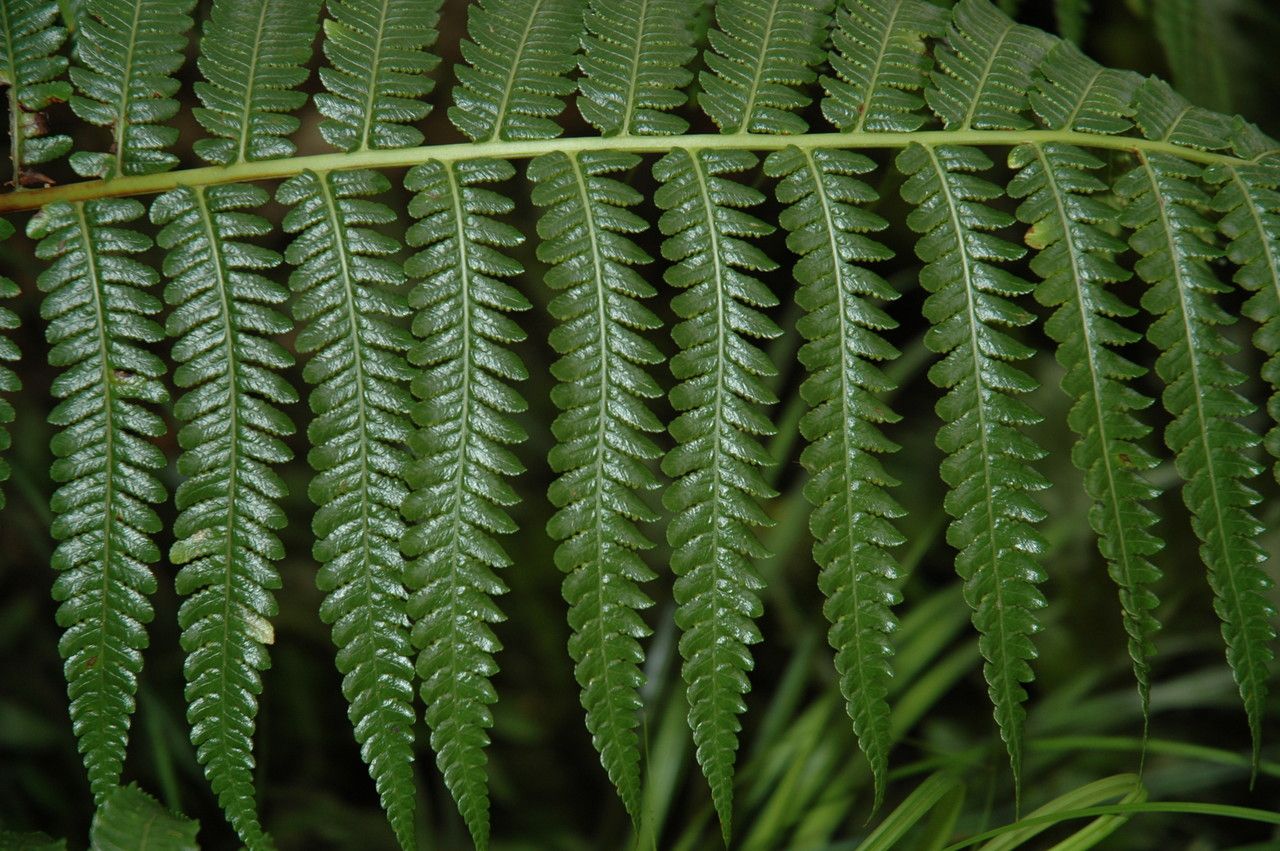
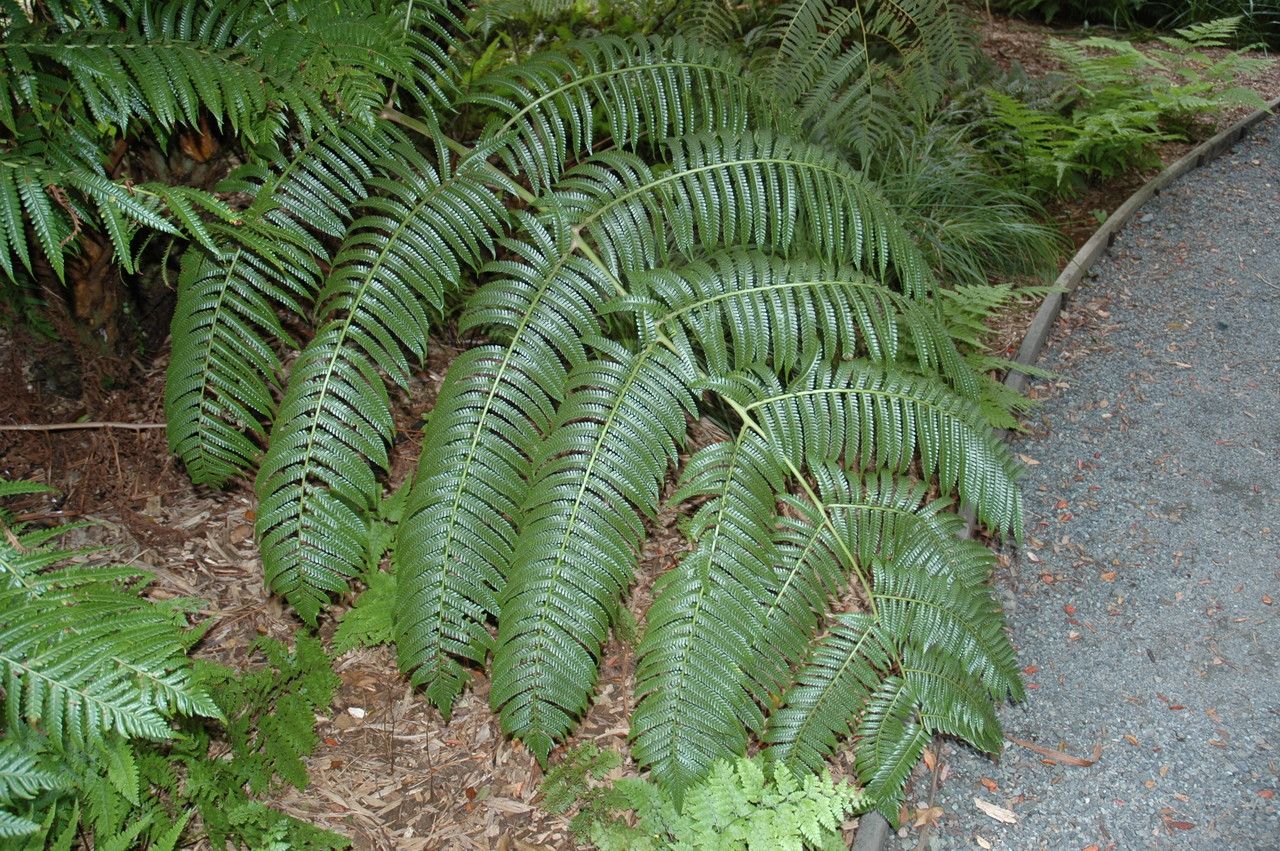
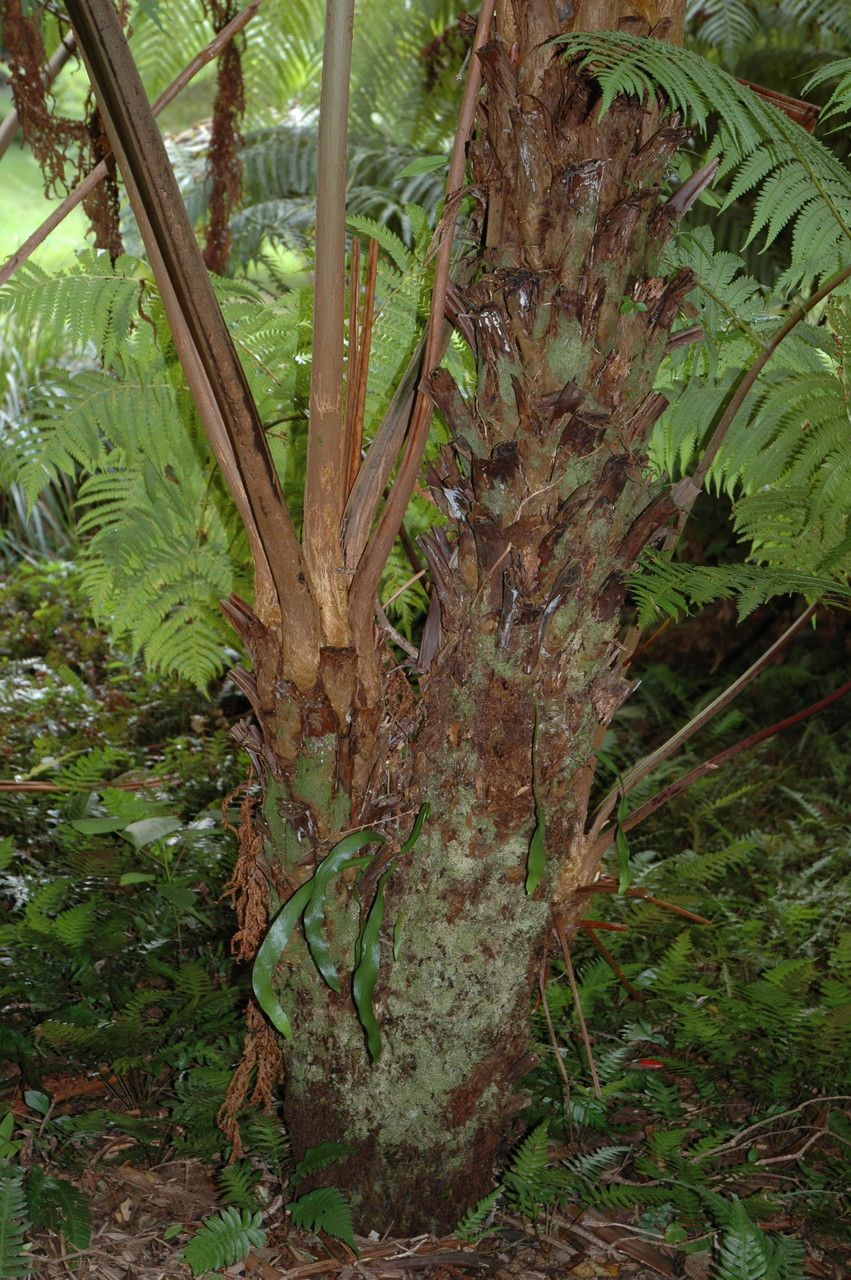
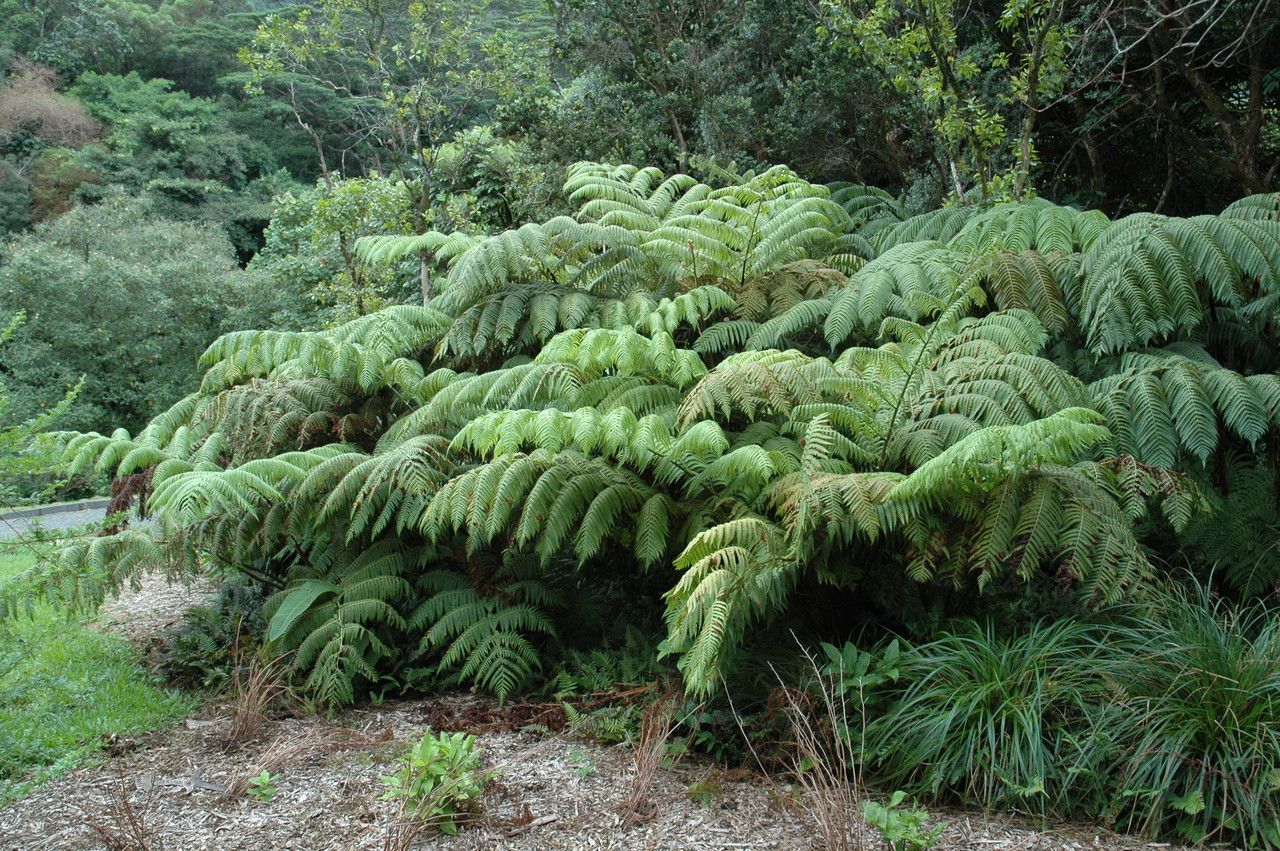
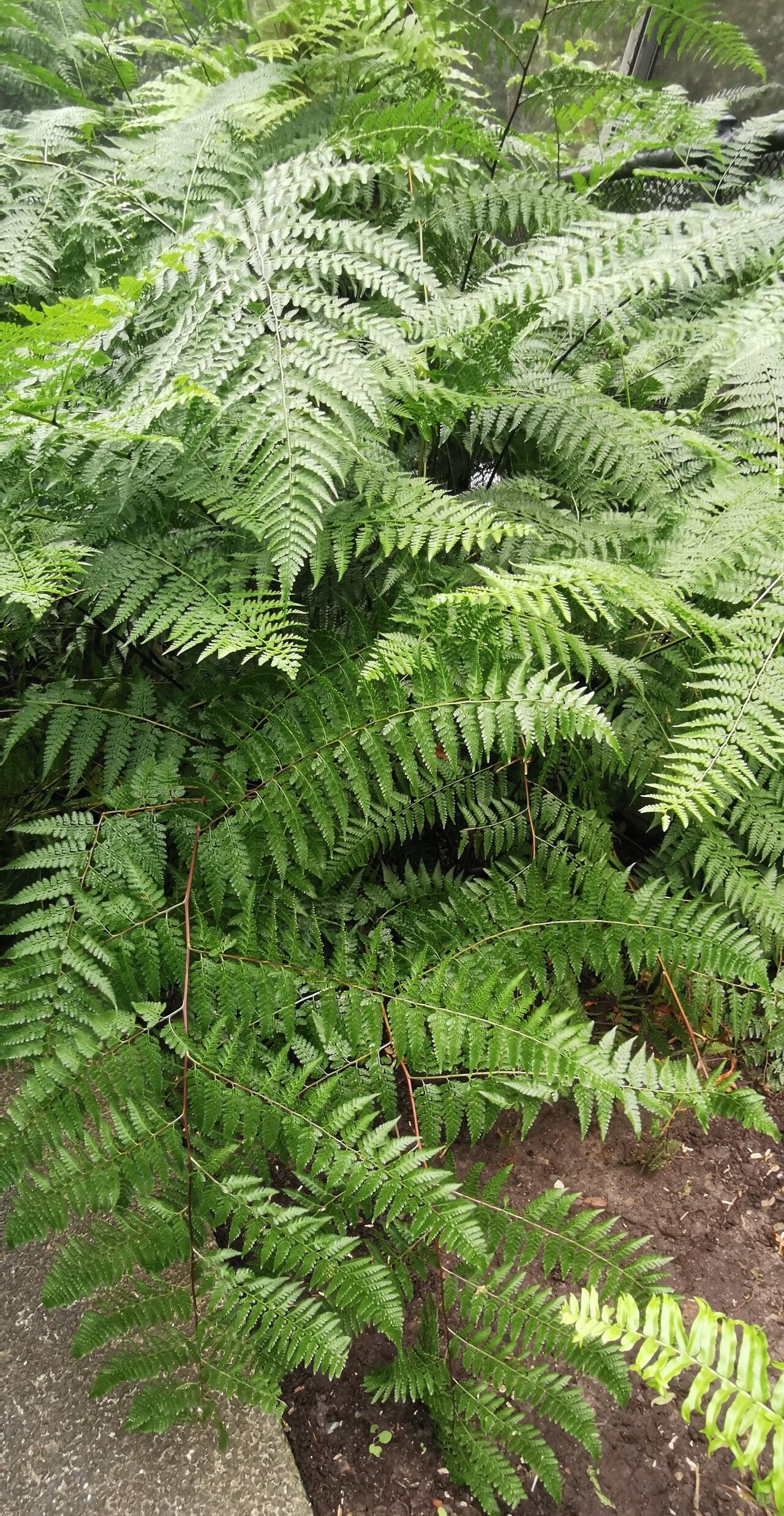
Microlepia strigosa is a fern species in the Polypodiaceae family, commonly referred to as the "lace fern" because of its delicate and lacy fronds. It is native to tropical and subtropical regions of Asia, Africa, Australia, and the Pacific Islands.
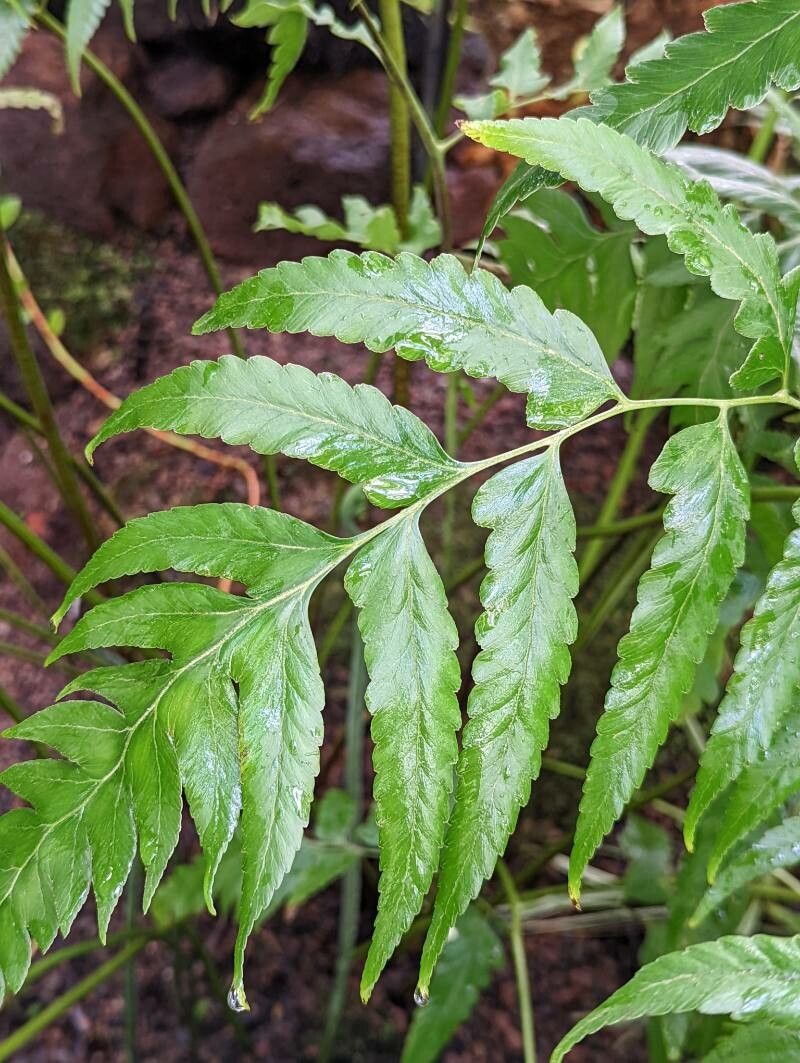
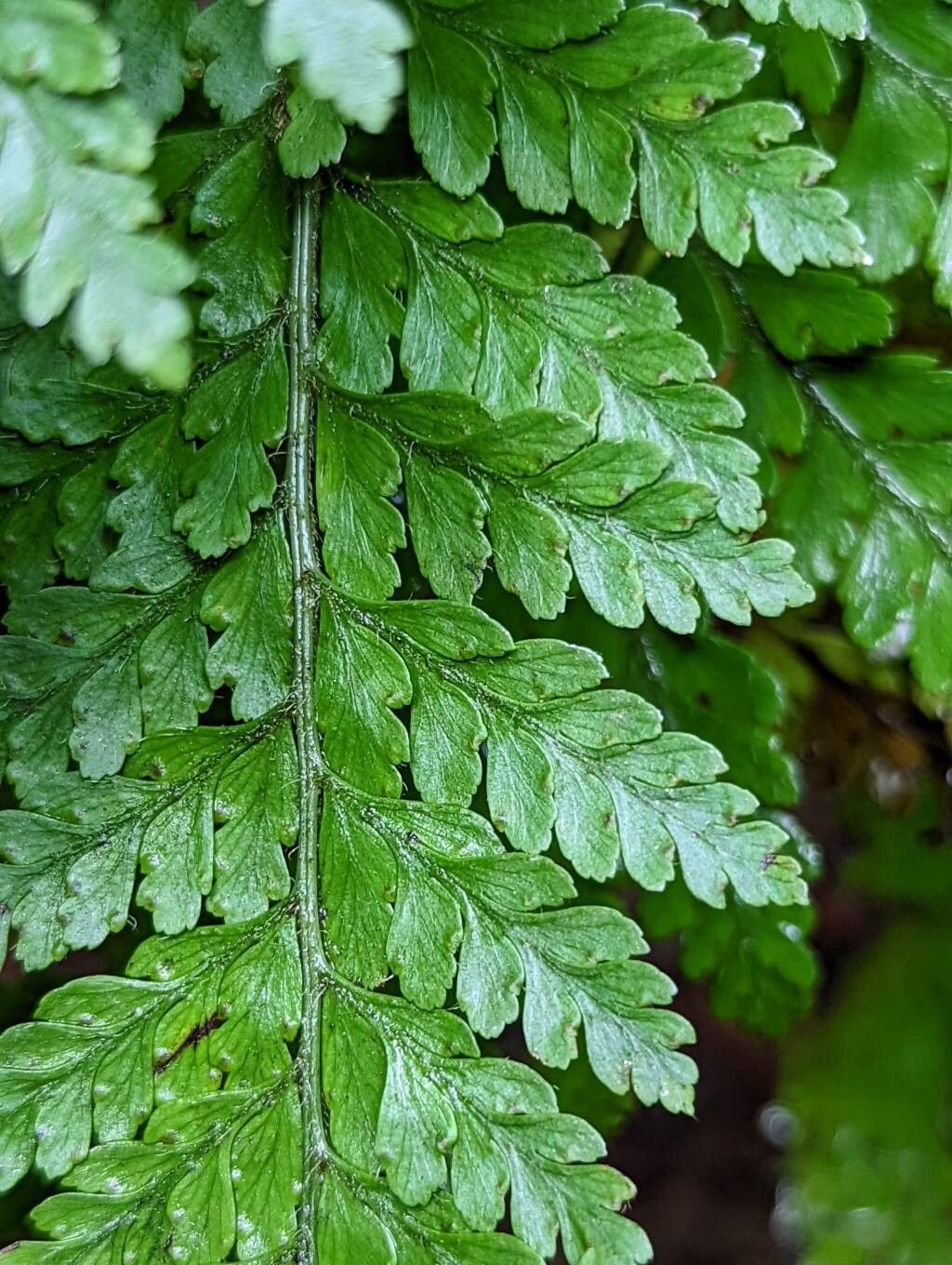
This plant has a rhizomatous growth habit, with fronds that can reach up to 1 meter in length. The fronds are bipinnate with finely divided leaflets, giving them their characteristic lacy appearance. The leaflets are dark green and have a glossy texture.
Microlepia strigosa thrives in moist soil conditions with good drainage and prefers partial shade or filtered sunlight. It can be an excellent indoor or outdoor plant in areas with mild winters.
In traditional medicine systems across its native range, the rhizomes of Microlepia strigosa are used for treating various ailments such as fever, coughs, asthma, diarrhea, and dysentery.
Overall, this delicate-looking lace fern adds an elegant touch of greenery wherever it grows while also providing medicinal benefits for those who utilize it in traditional remedies.
Palapalai has strong resistance to disease and is typically not prone to illnesses. However, it can be vulnerable to pests and diseases present in its environment. These outbreaks are usually mild. Regarding care, this plant requires moderate maintenance. It should be pruned regularly to keep a neat appearance and healthy growth. Fertilizing can also help stimulate flowering. Palapalai is appropriate for anyone with outdoor space, such as a garden or patio, and does not demand extensive plant-care experience. It may need additional attention when kept indoors.
How to keep Microlepia Strigosa.
Light
Palapalai favors locations that provide a good amount of daylight, yet it can still flourish in very shaded settings. Its distinctive habit was shaped by its origins in habitats with varied light exposure. However, too much exposure can stunt its growth, whereas too little may cause weakened, sparse leaf production.
Water
Palapalai thrives best in environments with high humidity and consistently moist conditions. It requires regular moisture without becoming waterlogged or dried out for extended periods. Watering every 1-2 weeks helps keep it appropriately hydrated. For optimal indoor growth, pay close attention to both the humidity levels in the air and the moisture in the soil.
Temperature
Palapalai tolerates environments with temperatures ranging from 68 to 100 °F (20 to 38 ℃). Native to temperate environments, palapalai exhibits some resilience to temperature fluctuations. It is advisable to adjust palapalai's surroundings according to seasonal changes to prevent stress and promote healthy growth.
Fertilizer
Palapalai needs the most fertilizer during its active growth period, which takes place mainly in spring, summer, and early autumn. Applying fertilizer provides essential nutrients the soil may lack, supporting healthy root and stem growth and producing attractive foliage, a notable characteristic of this plant.
Pruning
Palapalai flourishes in shaded gardens, showcasing its delicate fronds. To encourage new growth, prune the plant from early to late spring by trimming at the base without harming the live tissue. Make sure to use sterilized tools to prevent disease, enhance air circulation, and reduce the risk of fungal infections. For more specific care advice, refer to local guidelines.
Botanical profile.
- Plant Type
- Herb
- Life Cycle
- Perennial
- Genus
- Microlepia
- Family
- Dennstaedtiaceae
- Hardiness Zone
- 9-11
- Mature Height
- 91 cm
- Mature Spread
- 2.13 m
- Leaf Color
- Green
- Leaf Type
- Evergreen
- Planting Time
- Summer, Autumn
- Native Area
- Nepal, Sri Lanka, India, Malaysia, Philippines, Bangladesh, Fiji, China, Indonesia, Vietnam, Myanmar, Japan, Bhutan, South Korea, Thailand
Other names.
Reader questions.
What are the sunlight requirements for Palapalai?
Palapalai requires partial sun, meaning it thrives best with about 3-6 hours of sunlight daily. However, it can also grow in full shade conditions where it receives less than 3 hours of sunlight per day. It's essential to observe the movement of sunlight in your garden to find spots that offer a balance of light and shade, catering to the plant's needs effectively.
What is the optimal temperature range for Palapalai?
Palapalai thrives in environments with temperatures ranging from 68 to 100 °F (20 to 38 °C). Being native to temperate environments, this plant shows resilience to temperature variations. To ensure the health and growth of Palapalai, it is recommended to adjust its surroundings according to seasonal changes, maintaining temperatures above 20°C during winter to facilitate healthy growth. However, temperatures nearing 0°C can be harmful to the plant. During cold autumn months, it's advised to bring outdoor Palapalai plants indoors, placing them near a bright window but away from direct heaters to prevent stress.
Can Palapalai adapt to different lighting conditions?
Yes, Palapalai shows a preference for a good amount of daylight but can also thrive under very shaded conditions. This adaptability comes from its origins in diverse light exposure environments. Despite this, too much direct sunlight may hinder its growth, and too little sunlight can lead to sparse and weak leaf production. For indoor plants where natural light is insufficient, especially in winter or less sunny spaces, artificial lighting is beneficial. LED lights are recommended due to their ability to provide specific wavelengths needed for plant growth. The intensity and distance of the light should be adjusted based on whether the plant needs full sun (30-50W/sq ft), partial sun (20-30W/sq ft), or full shade (10-20W/sq ft), ensuring 8-12 hours of light per day.
How does Palapalai respond to low temperatures?
Palapalai is sensitive to cold and prefers being in warm conditions, thriving best when temperatures are above 20°C. Low temperatures, especially below 0°C, can cause significant stress to the plant, with -5°C leading to symptoms like leaves lightening in color. Post-frost, this discoloration could turn to brown or black as the plant experiences wilting and drooping. The advisable solution for frost damage includes trimming the affected parts and moving the plant to a warmer indoor spot, preferably near a south-facing window for ample sunlight, while avoiding the placement near heaters or air conditioning vents to prevent air dryness.
What are the symptoms of inadequate light exposure in Palapalai?
Symptoms of inadequate light exposure in Palapalai include smaller new leaves, leggy or sparse growth, faster leaf drop, slower or no new growth, and lighter-colored new leaves. In cases of excessive sunlight, the plant may experience chlorosis, sunscald, leaf curling, wilting, and leaf scorching. These symptoms indicate either a lack of or too much sunlight, each causing various health issues for the plant.
What should be done if Palapalai experiences high temperatures?
During hot summers, it's crucial to ensure that Palapalai's temperature does not exceed 38°C. Exposure to temperatures above 43°C can lighten the color of the leaves and increase susceptibility to sunburn. If sunburn occurs, the damaged and dried parts of the plant should be trimmed away. To protect the plant, move it to a shaded area, particularly away from the harsh midday and afternoon sun. Additionally, watering the plant during cooler times of the day, such as the morning and evening, helps keep the soil moist and supports the plant's well-being during high temperatures.
How can I treat or prevent light-related issues in Palapalai?
To treat or prevent light-related issues in Palapalai, including adaptation strategies and lighting adjustments for both indoor and outdoor plants. For indoor plants, consider shifting them gradually to sunnier spots to obtain 3-6 hours of sunlight each day or use artificial lighting for at least 8 hours daily. Outdoors, move your plants to better sunlit locations gradually to avoid sunburn. Cutting down obstructions like tree branches can also increase sunlight exposure. If plants have been damaged due to insufficient light, focus on encouraging new, healthy growth by improving light conditions. Remember, sudden changes in light intensity should be avoided to prevent stress on the plants.
What is the botanical name of Palapalai?
The botanical name of Palapalai is Microlepia strigosa.