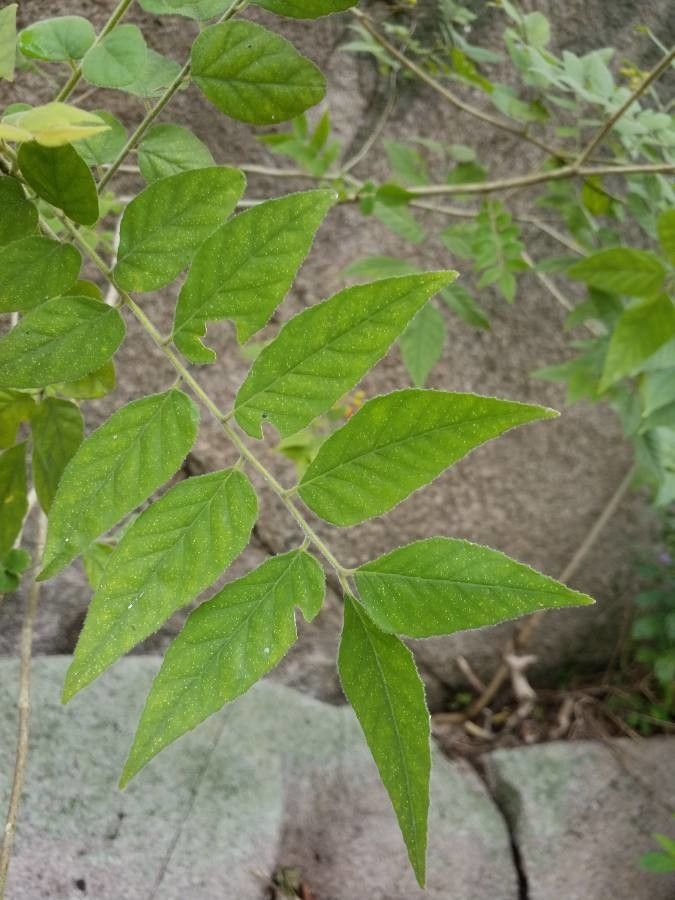
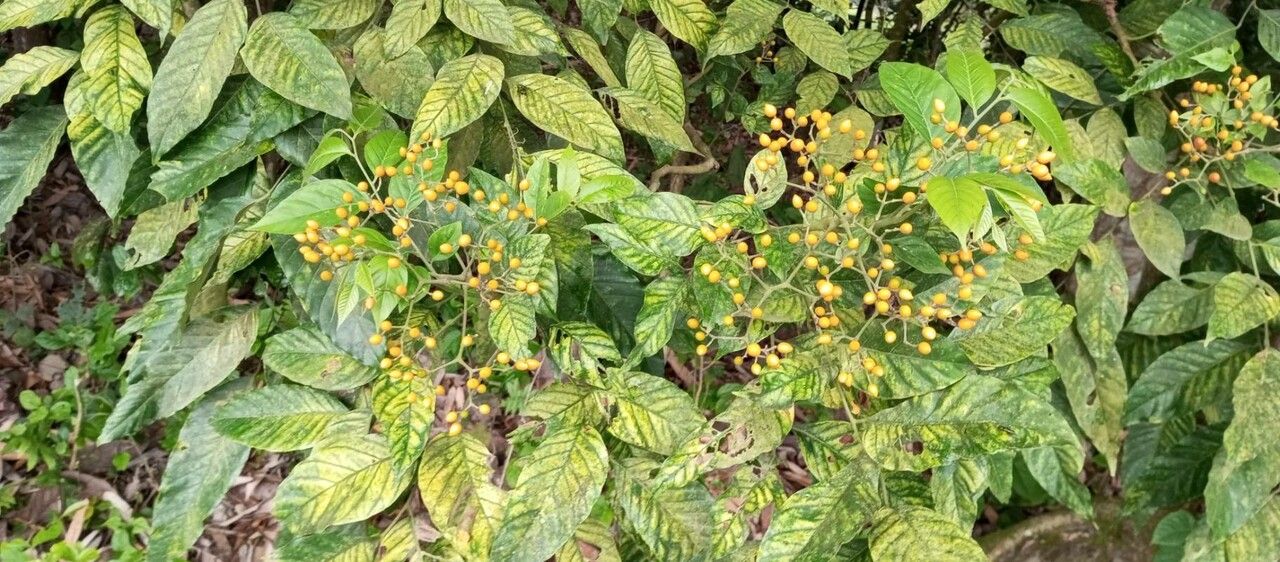
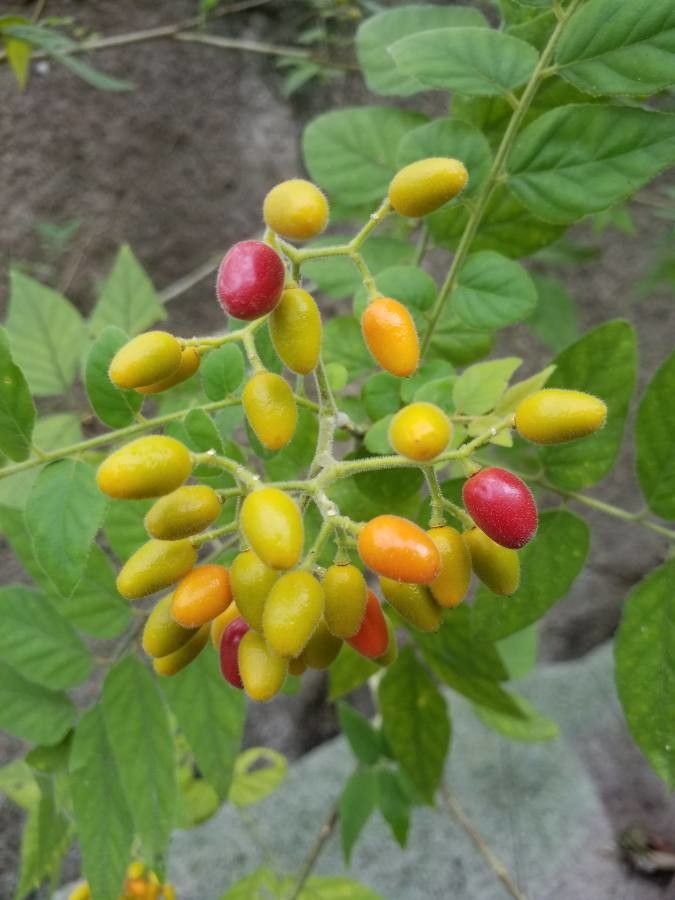
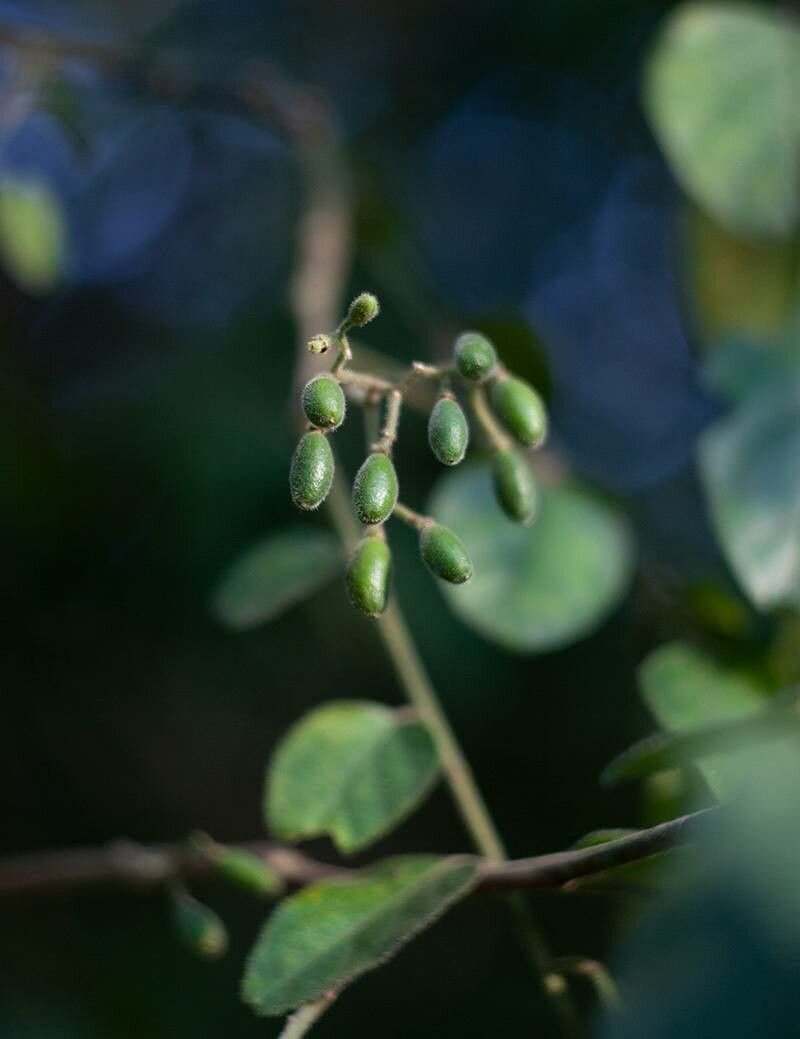
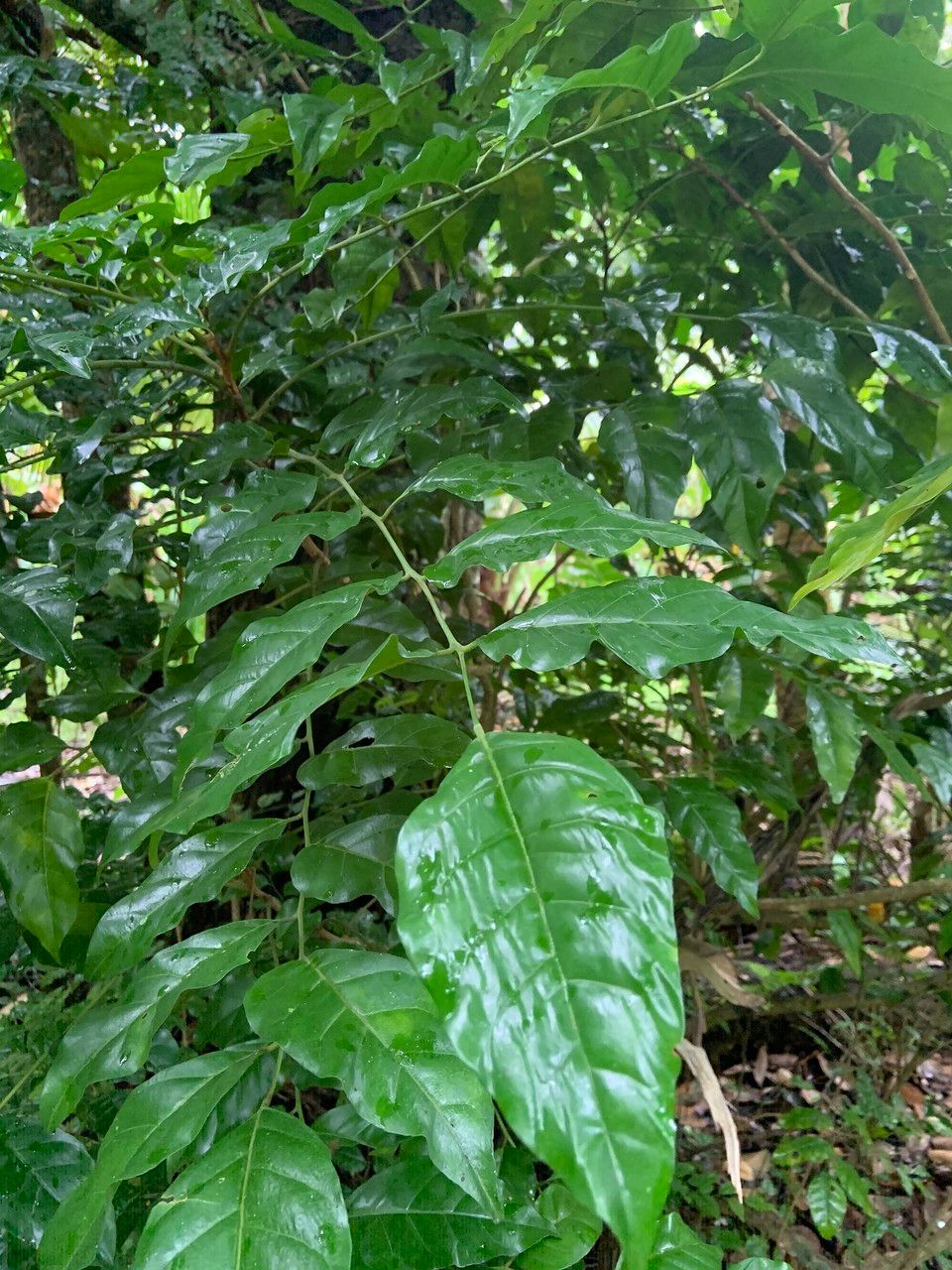
Entire-leaf lime berry shows strong resistance to disease and is generally not susceptible to illnesses. Regarding care, this plant is fairly low-maintenance. When grown outdoors it needs little watering, and larger specimens typically do not require pruning. Smaller specimens, however, should be pruned after flowering. Entire-leaf lime berry is appropriate for anyone with outdoor space, like a garden or deck, and does not demand much gardening experience.
How to keep Micromelum Integerrimum.
Light
Entire-leaf lime berry is native to habitats such as forest understories and rocky areas, where it grows in natural shade. It prefers partial sun but can tolerate full sun or full shade, showing its adaptable and hardy nature.
Water
The entire-leaf lime berry is native to humid tropical regions where it thrives in high-moisture environments. It prefers a consistently humid climate but demonstrates moderate tolerance to drought. When watering, do so every 2-3 weeks, allowing the soil to dry out slightly between waterings. Usually grown outdoors, the entire-leaf lime berry depends on regular rainfall to maintain its lush foliage throughout the year.
Temperature
Entire-leaf lime berry comes from tropical areas, where the climate is generally warm and humid. As a result, it is well suited to high temperatures and humidity. It does not tolerate sudden temperature shifts and prefers a steady temperature, so avoiding indoor temperature fluctuations is important. It typically cannot withstand cold and needs higher temperatures to grow. If the environmental temperature falls too low, the plant may stop growing or even die.
Fertilizer
The best time to fertilize an Entire-leaf lime berry is in early spring as it comes out of dormancy. This encourages overall growth and the development of flowers. Fertilization improves the foliage, stems, and branches, and promotes flowers that are large, vibrant, and long-lasting. It helps move nutrients from the roots to the flowers and enhances the plant’s health and resistance to disease.
Pruning
Pruning entire-leaf lime berry plants from early to late winter improves their shape, airflow, and fruit production. To promote healthy growth, remove dead branches and thin out overcrowded areas. Clean cuts help prevent diseases, so annual maintenance is recommended. For detailed pruning techniques specific to entire-leaf lime berry, consult horticultural guides.
Botanical profile.
- Plant Type
- Tree
- Life Cycle
- Perennial
- Genus
- Micromelum
- Family
- Rutaceae
- Hardiness Zone
- 10-12
- Mature Height
- 7.92 m
- Mature Spread
- 2.13 m to 3.96 m
- Leaf Color
- Green, Dark Green
- Leaf Type
- Evergreen
- Flower Color
- White
- Flower Size
- 0.51 cm to 1.02 cm
- Bloom Time
- Late spring, Summer, Early fall
- Planting Time
- Spring, Summer, Autumn
- Harvest Time
- Late summer, Fall, Early winter
- Native Area
- Nepal, India, Cambodia, Vietnam, Myanmar, Bhutan, Bangladesh, Laos, Thailand, China
Reader questions.
What are the sunlight requirements for plants?
Plants have varied sunlight requirements to thrive. Partial sun plants need about 3-6 hours of sunlight daily, while full sun plants require more than 6 hours of sunlight. It's essential to observe the movement of sunlight through your garden to find the perfect balance of light and shade that ensures the well-being of your plants.
What are the essentials for growing Entire-leaf lime berry?
The Entire-leaf lime berry, botanically known as Micromelum integerrimum, is naturally suited to forest understories or rocky areas and prefers partial sun, though it can also grow well in full shade. This versatile perennial herb requires artificial lighting when natural sunlight is limited, especially in winter or less sunny spaces. LED lights are recommended, providing 30-50W/sq ft for full sun plants, 20-30W/sq ft for partial sun plants, and 10-20W/sq ft for full shade plants. Correct placement and duration of artificial light, mimicking natural sunlight conditions, are critical for indoor plant growth.
What symptoms indicate insufficient light for Entire-leaf lime berry?
When Entire-leaf lime berry receives inadequate light, several symptoms may appear, including smaller new leaves, leggy or sparse growth, and premature leaf drop as the plant conserves resources. Growth may slow down or stop, new leaves may develop lighter colors or irregular patterns, indicating a lack of chlorophyll. Excessive sunlight can cause chlorosis, sunscald, leaf curling, wilting, and leaf scorching, damaging the plant's health.
How do I address lighting issues for Indoor and outdoor Entire-leaf lime berry plants?
To address lighting issues, gradually adapting your Entire-leaf lime berry to changing light conditions is crucial. For indoor plants, increase exposure to direct sunlight weekly or use artificial light sources like desk or ceiling lamps for at least 8 hours daily. Outdoor plants should be moved progressively to sunnier locations to prevent sunburn. Obstructions blocking sunlight should be minimized by pruning or transplanting in areas with better sunlight and drainage. Although parts of the plant affected by insufficient light may not recover, new growth can be healthy with improved light exposure.