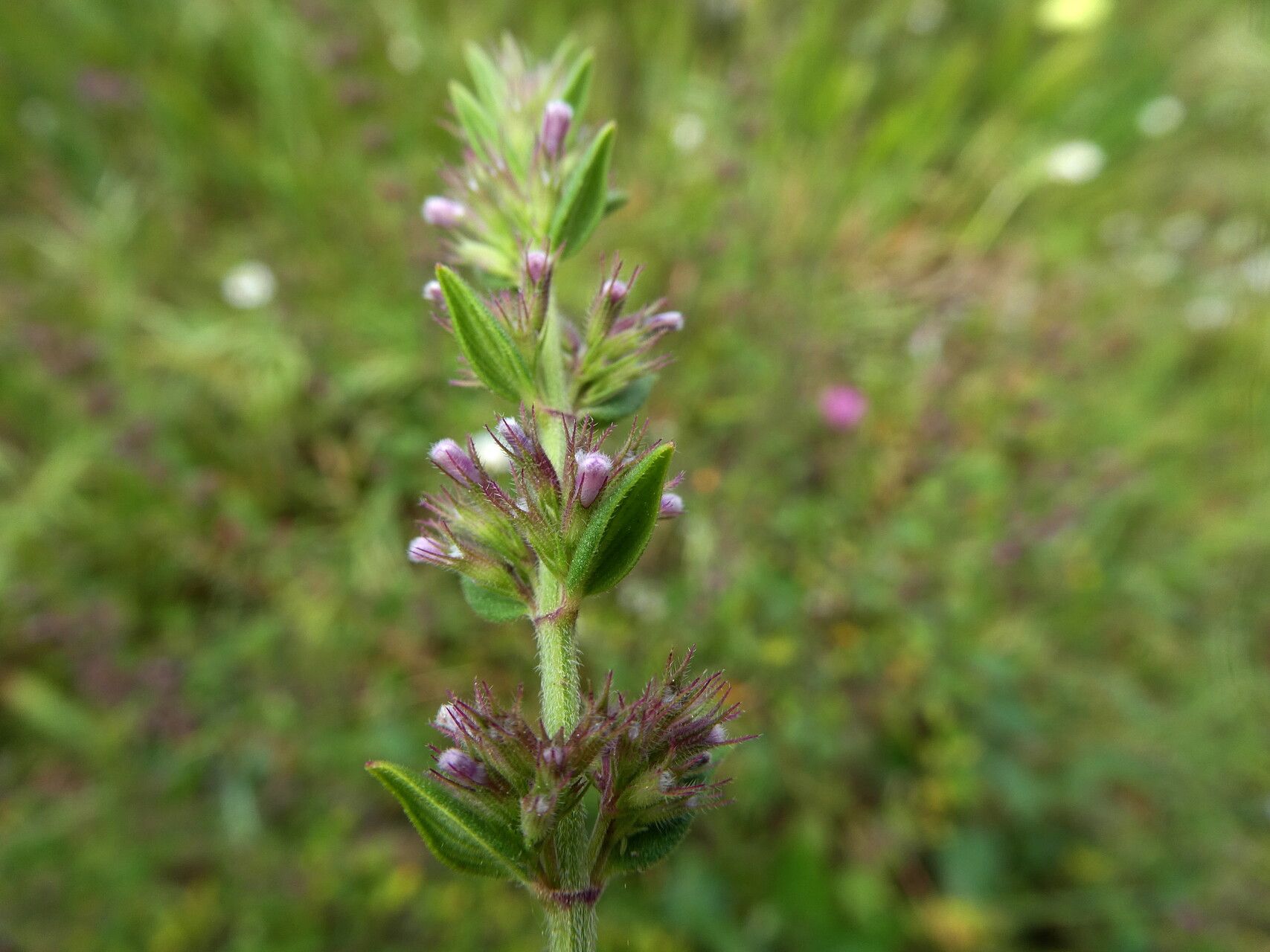
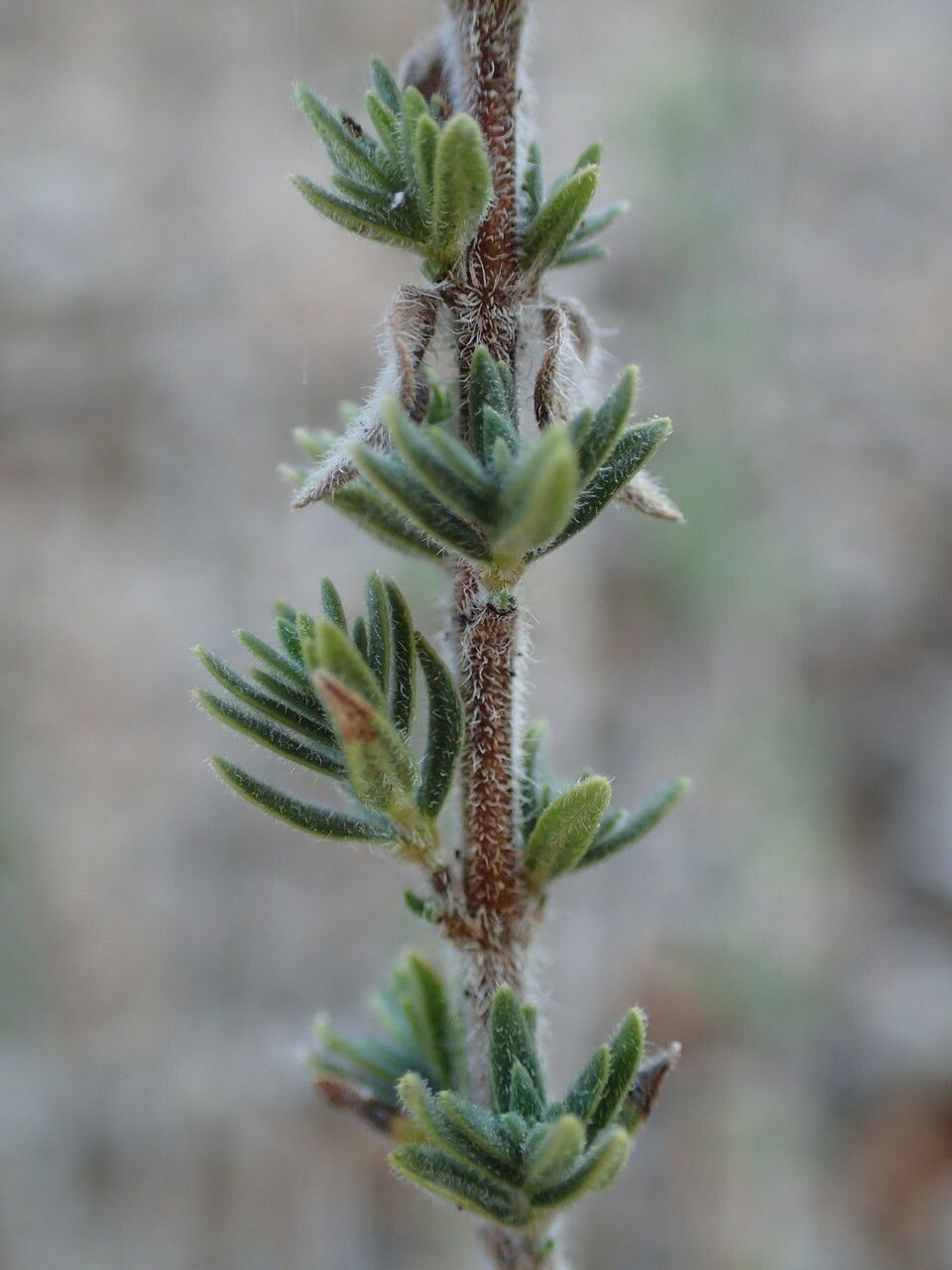
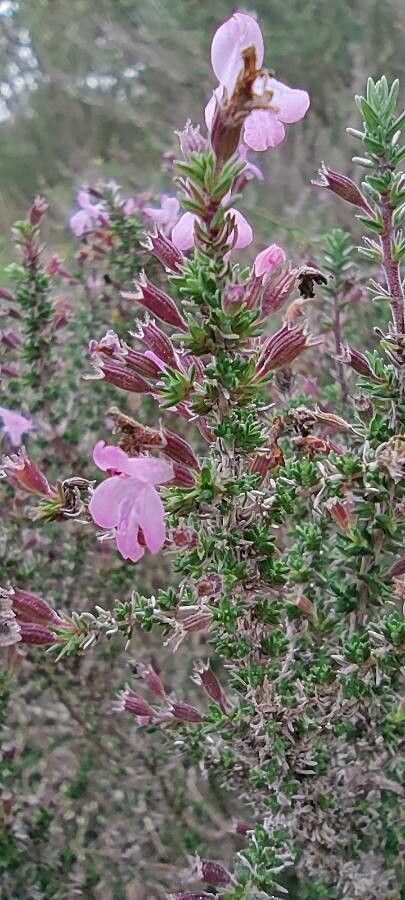
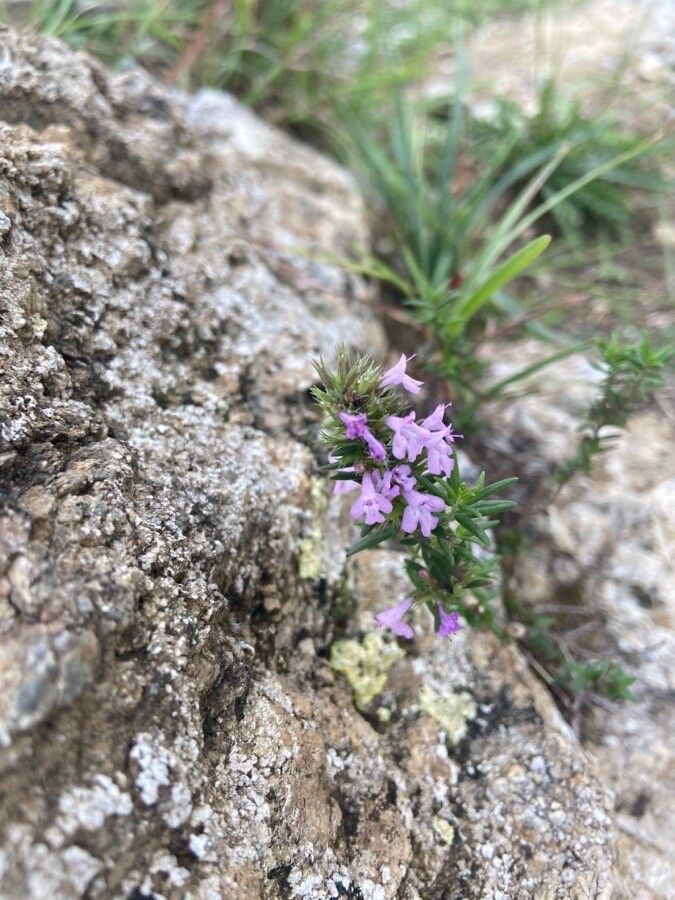
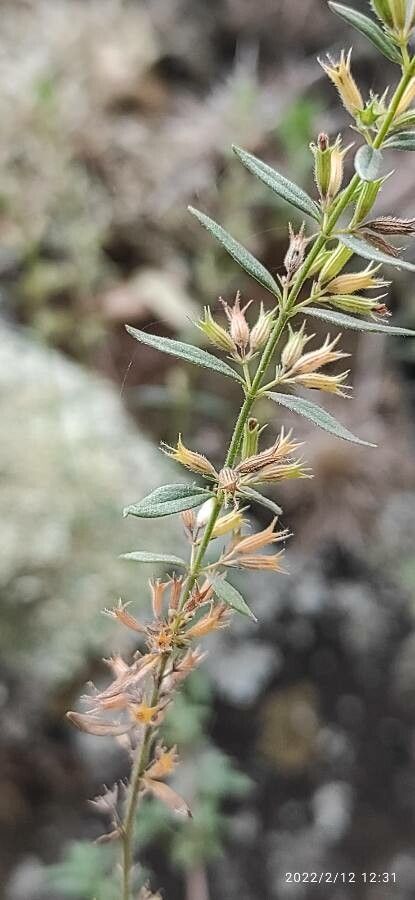
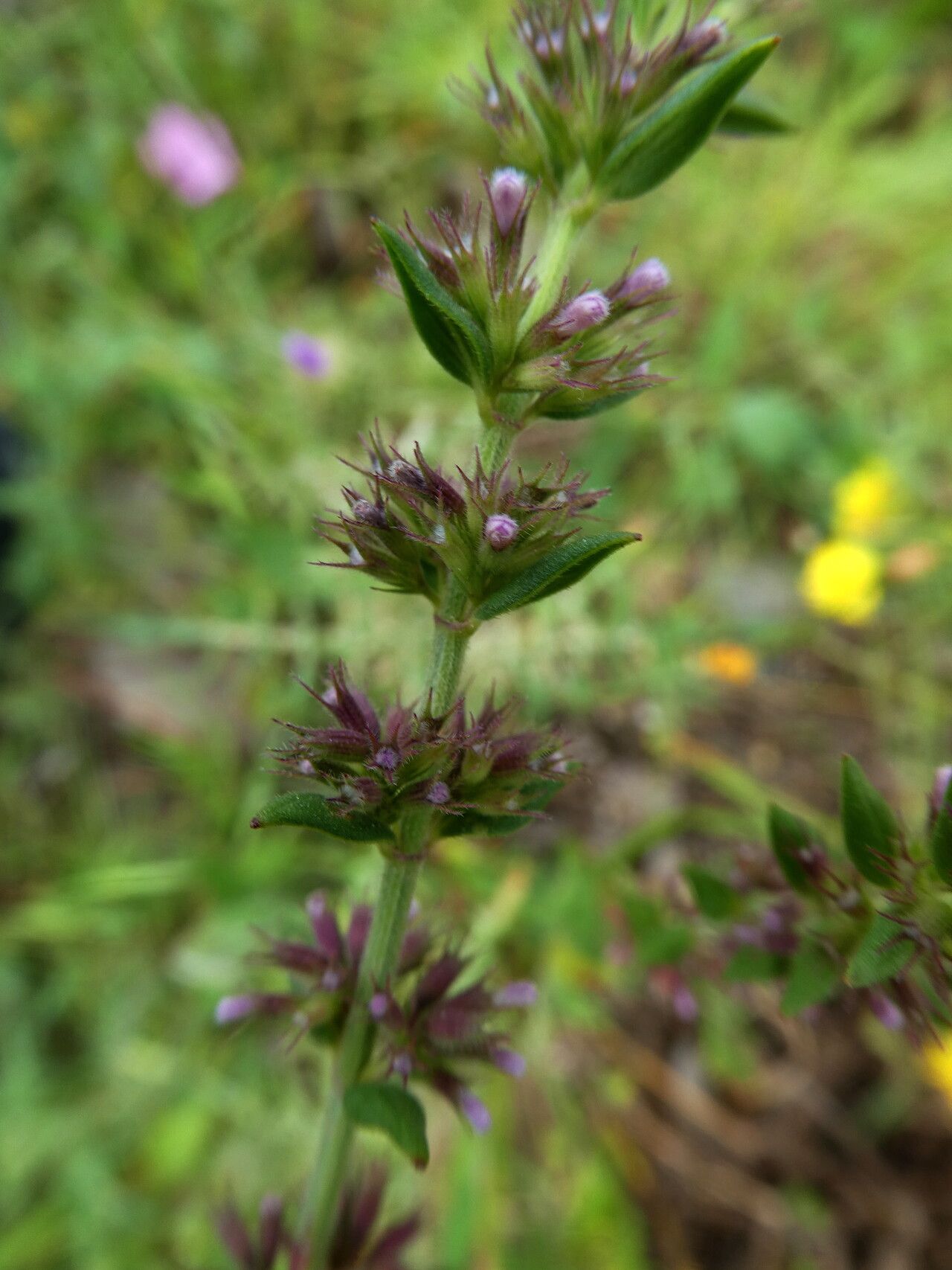
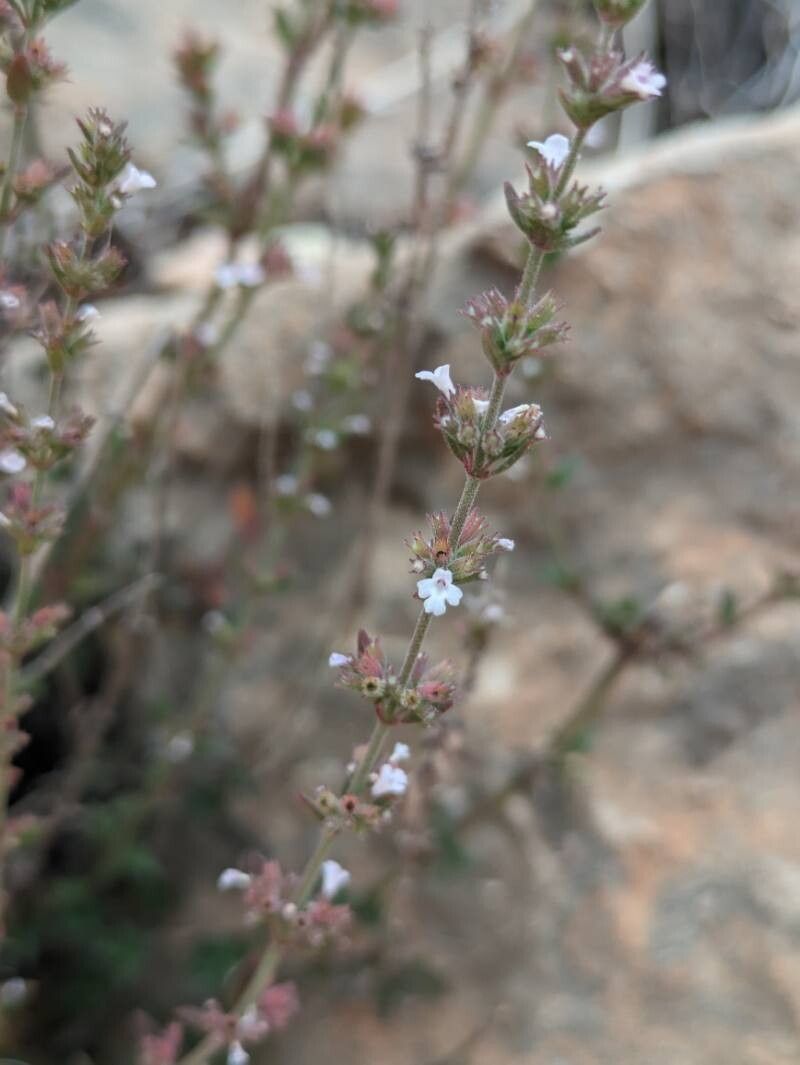
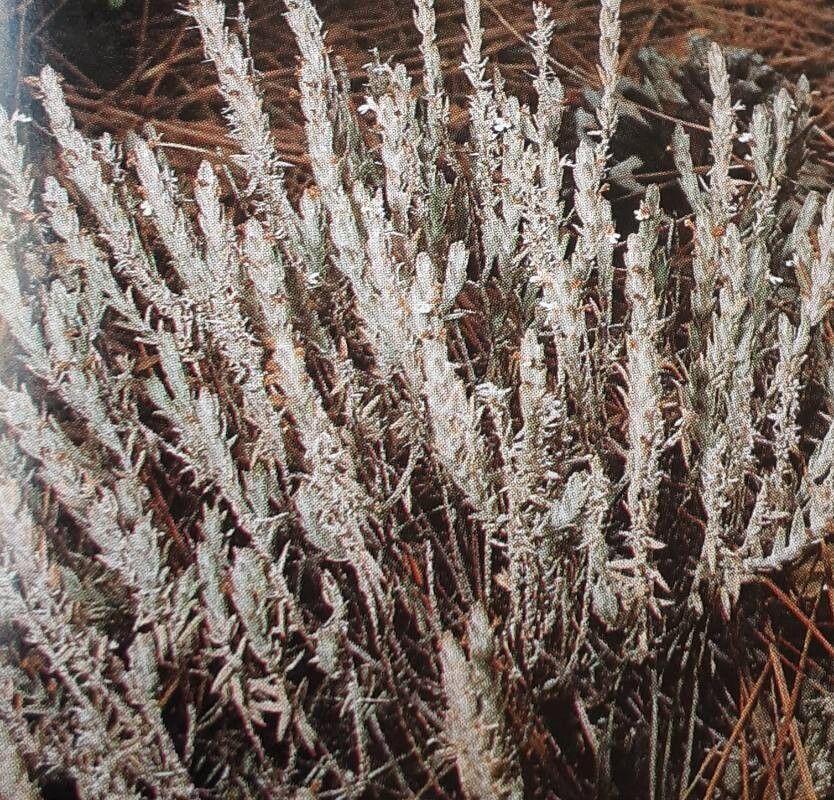
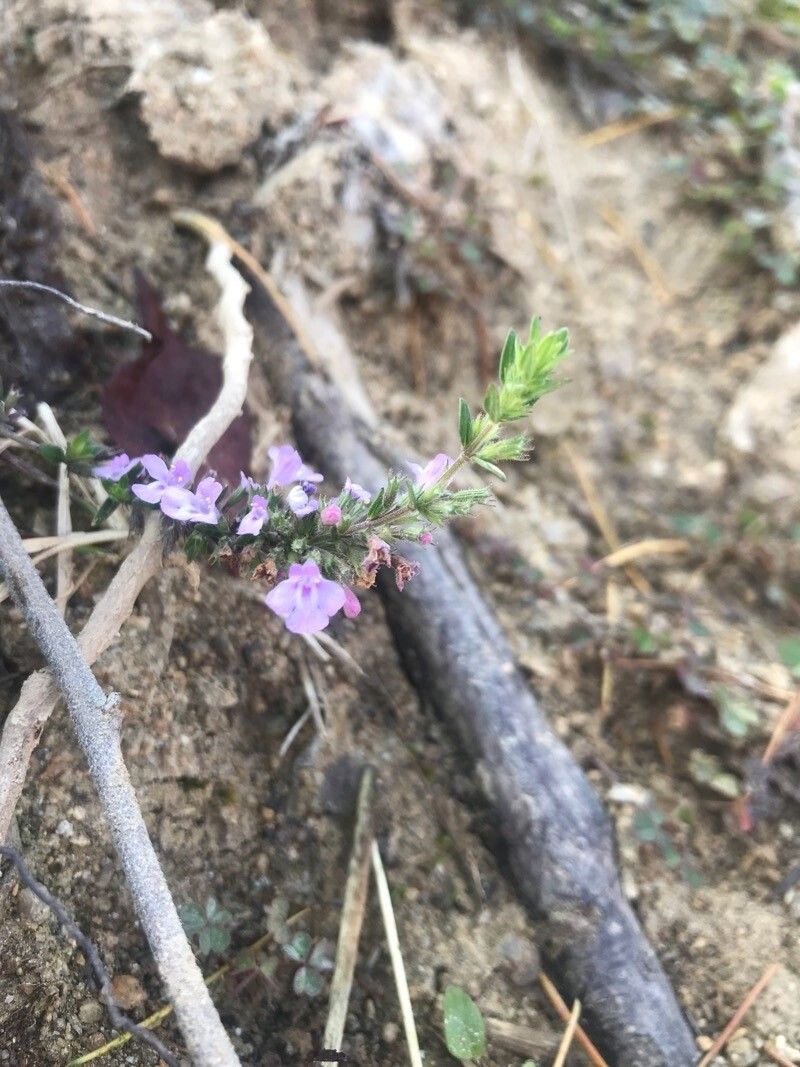
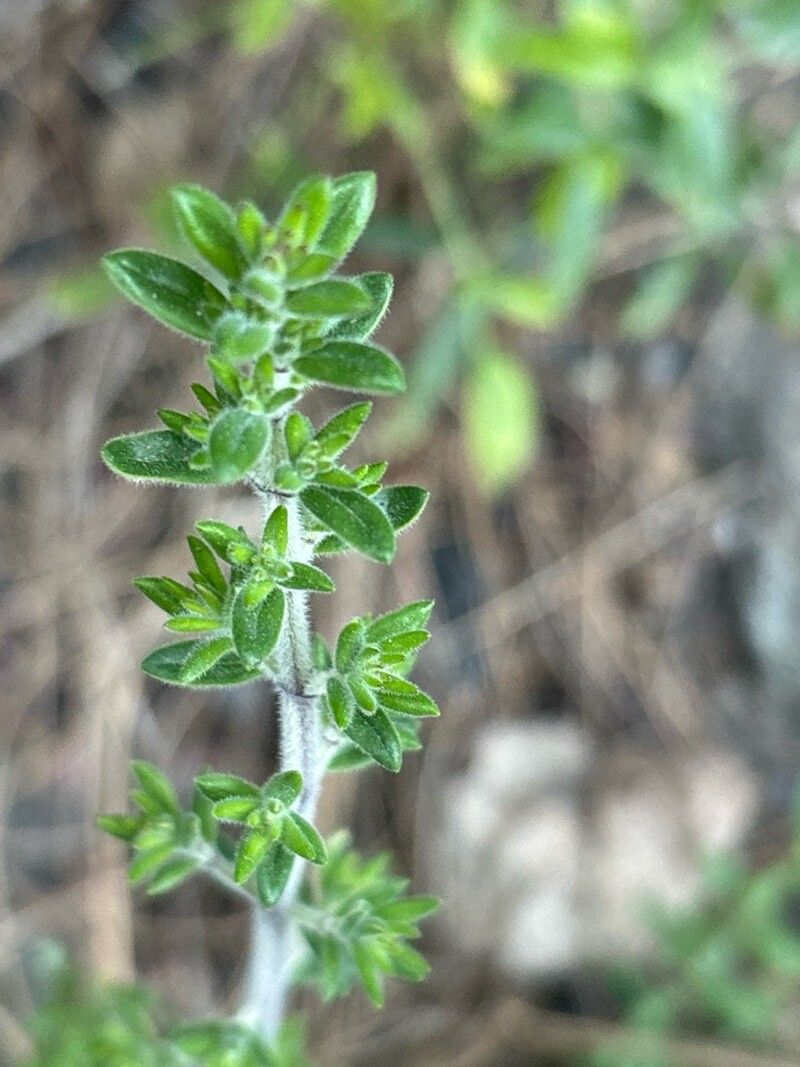
Micromeria graeca is a plant species in the family Lamiaceae.
Greek micromeria is fairly disease-resistant and typically does not suffer from illnesses. However, it can be affected by pests and diseases present in its environment. These infections are usually mild. With regard to care, this plant needs moderate maintenance. It should be pruned regularly to preserve a neat appearance and encourage healthy growth. Fertilizing can also help stimulate flowering. Greek micromeria is well suited for anyone with outdoor space, such as a garden or patio, and does not demand extensive care experience. It may need more attention when cultivated indoors.
How to keep Micromeria Graeca.
Light
Greek micromeria is a sun-loving, perennial herbaceous plant native to open habitats and commonly found in meadows and grasslands. It prefers full sun but can also tolerate partial sun conditions.
Water
Greek micromeria is a plant native to the Mediterranean region, where it thrives in dry and sunny climates. It requires well-draining soil and a balanced amount of moisture, typically needing to be watered once a week. Ideally suited for outdoor cultivation, Greek micromeria flourishes in full sunlight and benefits from a watering schedule that mimics its natural rainfall patterns.
Temperature
Greek micromeria can tolerate a wide range of temperatures, yet its distribution may still be restricted by different combinations of moisture and heat. It performs best in warm summer climates with sufficient rainfall or watering. Extended periods of cloudy, rainy weather, as well as prolonged high temperatures, increase the chance of Greek micromeria dying. In winter, adequate protection from cold can boost the plant’s survival rate.
Fertilizer
The best time to fertilize a Greek micromeria is in early spring, as it comes out of dormancy and begins active growth. Fertilizing supplies essential nutrients for healthy development. Although Greek micromeria has fairly low fertilizer requirements, giving it a yearly application can improve its survival and encourage better, longer-lasting flowers.
Pruning
To encourage new growth and shape your Greek micromeria, prune it between early and late spring. Start by removing any dead stems and trimming overgrown branches by one-third. Be sure to use clean, sharp tools to make precise cuts. This will enhance air circulation, promote flowering, and prevent legginess. Avoid heavy pruning to minimize stress on the plant.
Botanical profile.
- Plant Type
- Herb
- Life Cycle
- Perennial
- Genus
- Micromeria
- Family
- Lamiaceae
- Hardiness Zone
- 7-10
- Mature Height
- 20 cm to 49 cm
- Mature Spread
- 30 cm to 61 cm
- Leaf Color
- Green, Gray
- Leaf Type
- Semi-evergreen
- Flower Color
- White, Pink
- Flower Size
- 0.51 cm to 0.76 cm
- Bloom Time
- Mid spring, Late spring, Early summer
- Planting Time
- Spring, Summer, Autumn
- Harvest Time
- Summer
Other names.