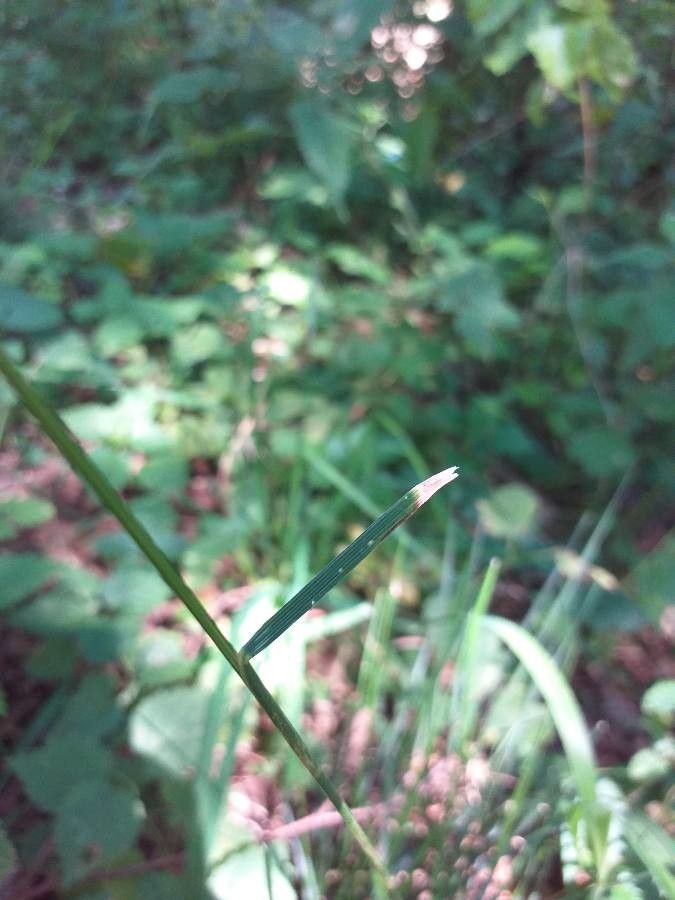
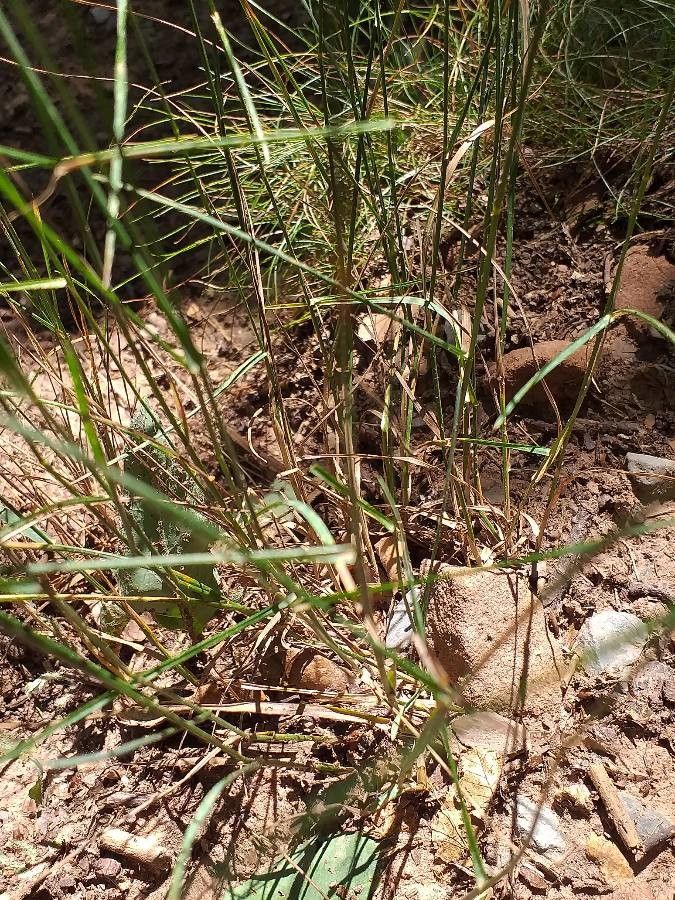
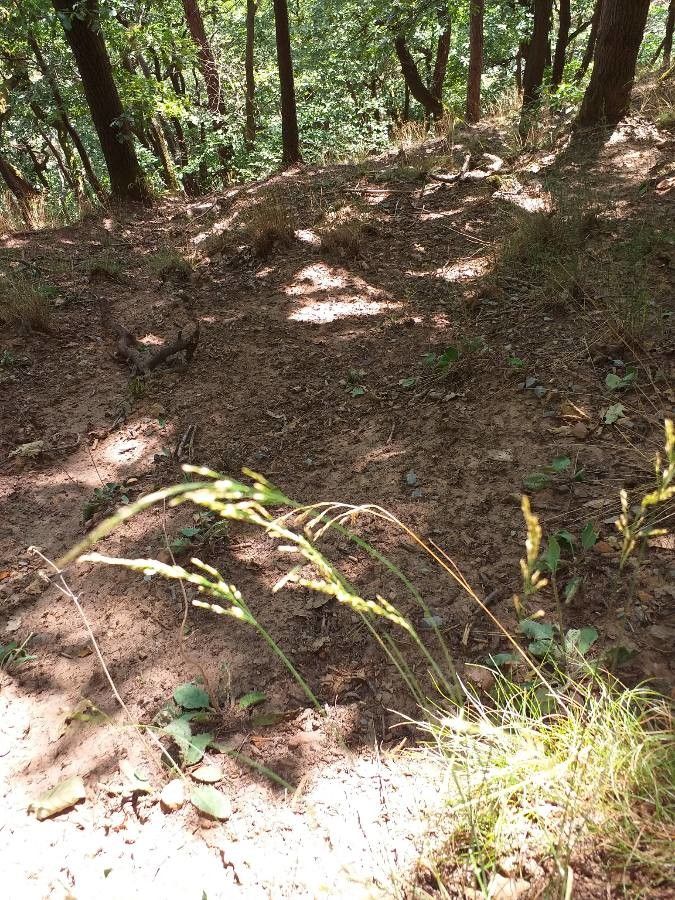
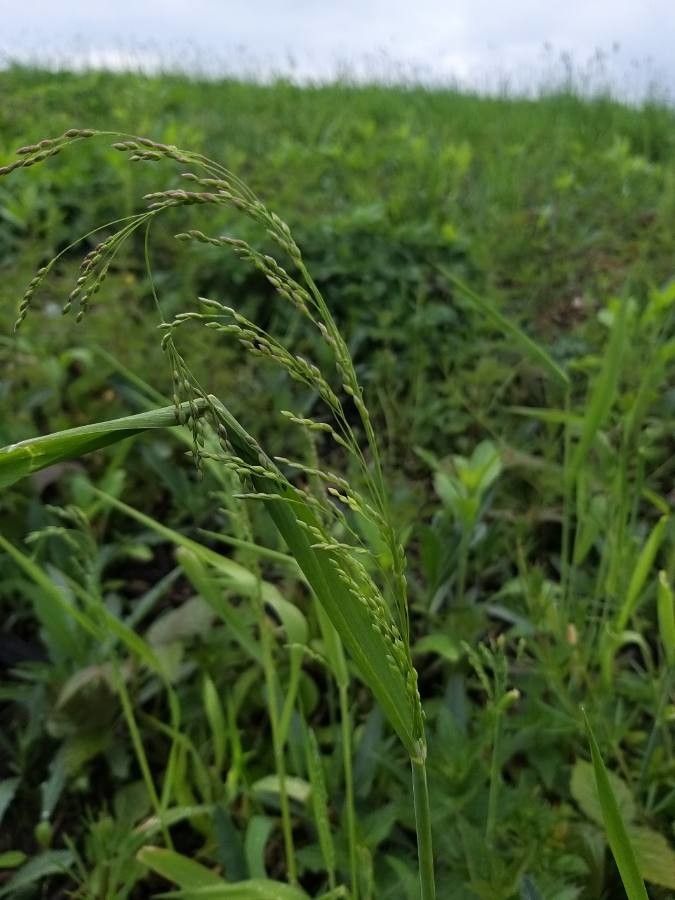
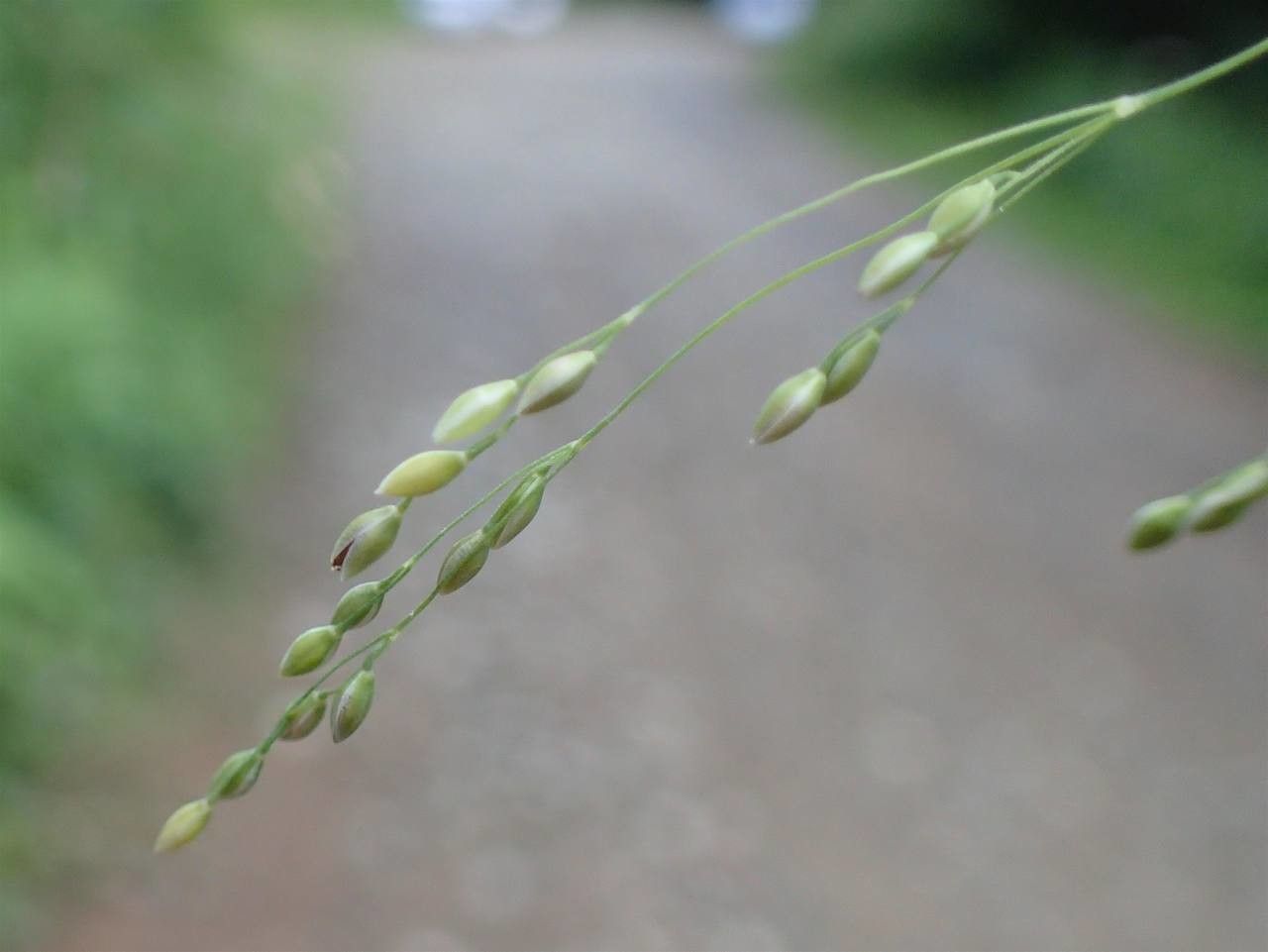
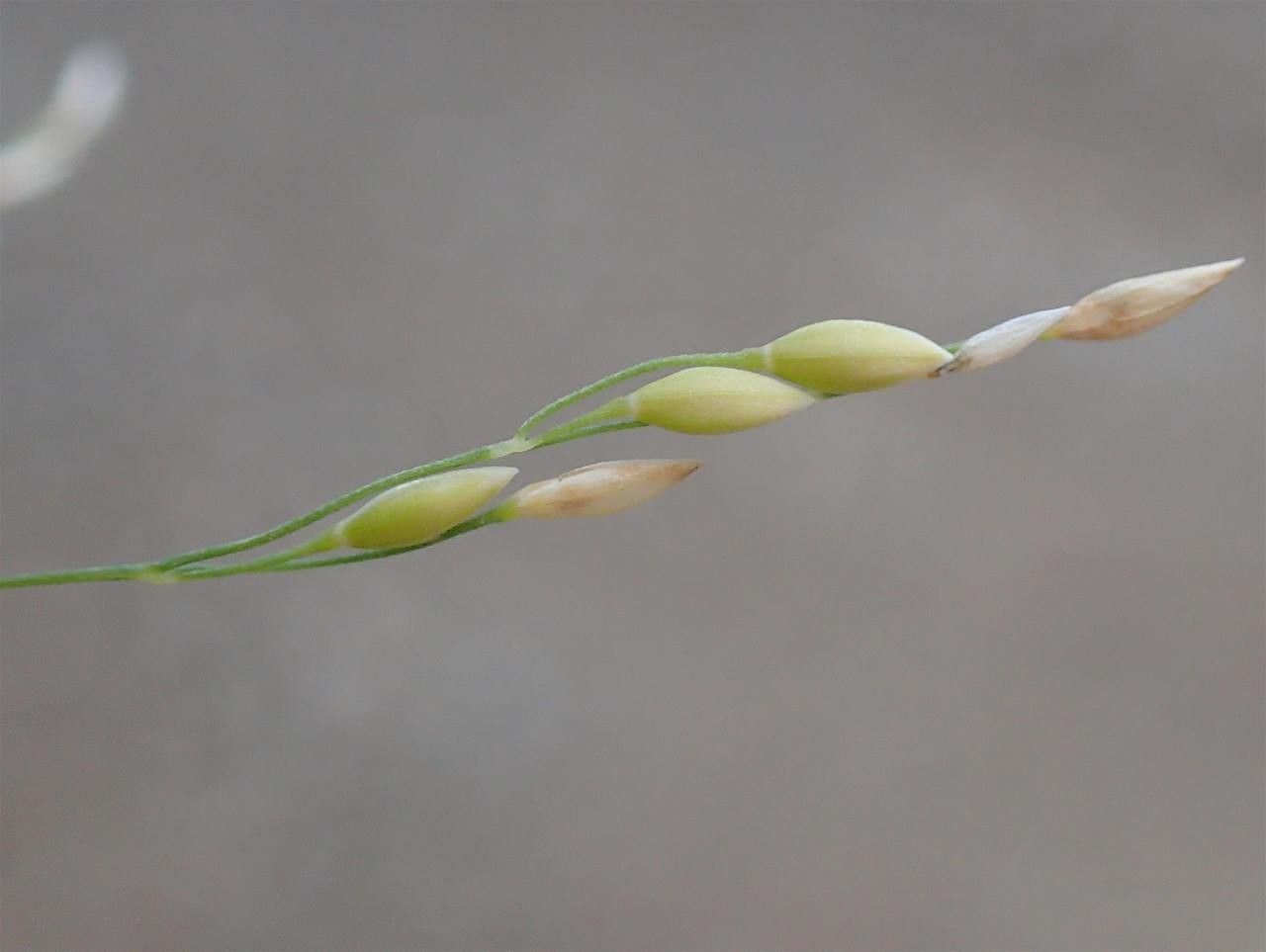
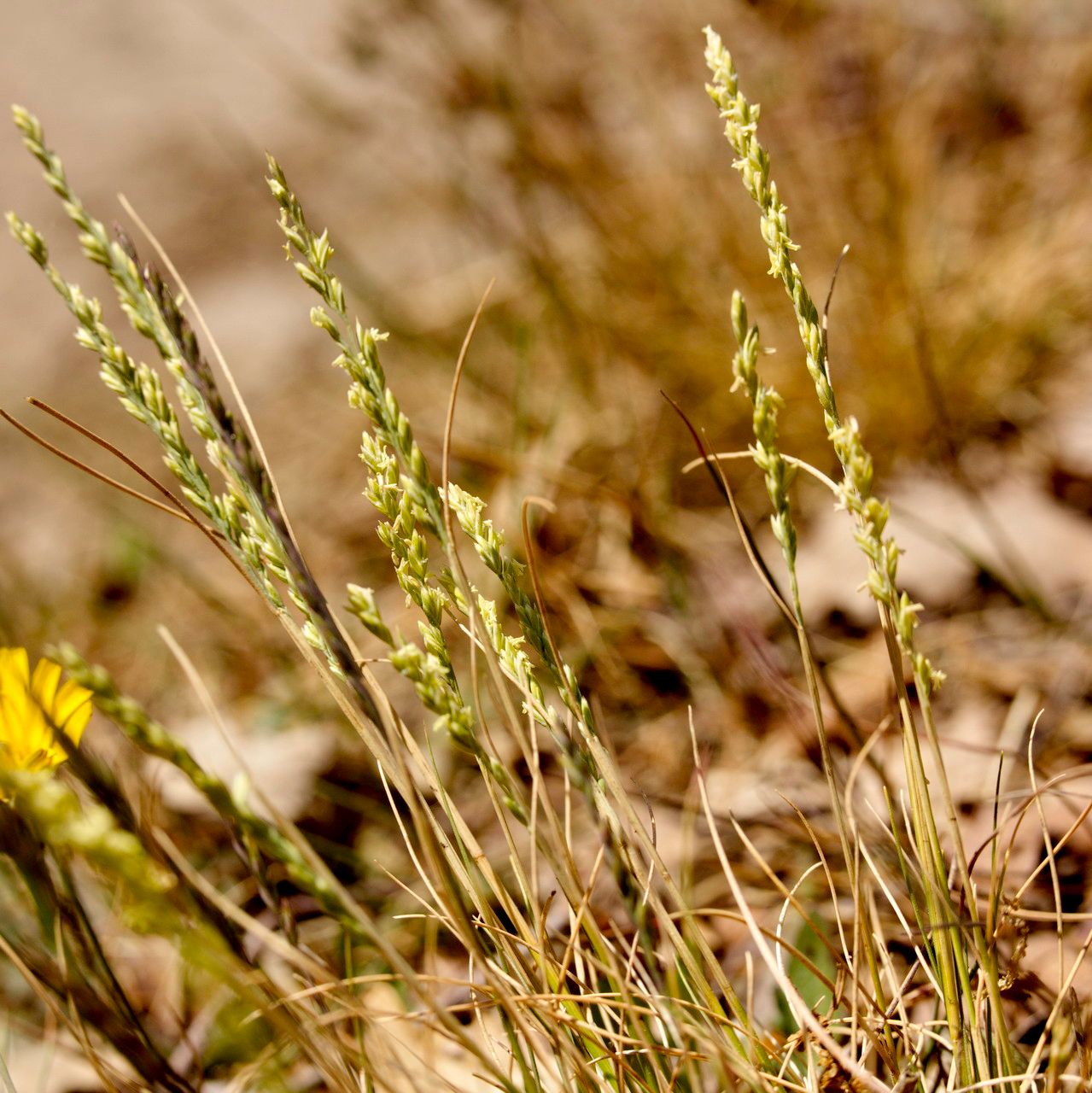
Milium effusum, the American milletgrass or wood millet, is a species of flowering plant in the grass family Poaceae, native to damp forests of the Holarctic Kingdom. The Latin specific epithet effusum means "spreading loosely".
American milletgrass is resistant to disease and typically not susceptible to illnesses. Regarding care, this plant is fairly low-maintenance. Planted outdoors, it needs little watering, and larger plants usually do not require pruning. Smaller plants, however, should be trimmed after they finish blooming. American milletgrass is suitable for anyone with outdoor space, such as a garden or deck, and does not demand much care experience.
How to keep Milium Effusum.
Light
American milletgrass grows best in places that mix sunlight and shade over the course of the day, indicating a preference for diffused light. The plant also copes well with deep shade. Excessive exposure may weaken it, since it does not favor constant, intense light. The required softness of sunlight shifts at different stages of growth but remains important during its entire life cycle.
Water
American milletgrass, which originates from moist forests, thrives in areas with consistent moisture and partial shade. While it prefers to be watered weekly, it can withstand short periods of dryness. As an herbaceous perennial, its growth and maintenance are supported by natural rainfall.
Temperature
American milletgrass is native to habitats where temperatures fluctuate between 41 to 95 °F (5 to 35 ℃). As a cold-tolerant species, it can withstand cooler temperatures, yet it thrives best within that preferred range.
Fertilizer
American milletgrass needs extra nutrients to encourage healthy new growth. In spring, applying compost around the plant’s base can effectively supply the nutrition it requires. Fertilizing supports vigorous growth and helps the plant resist diseases and pests.
Pruning
Pruning is crucial for American milletgrass and should be done in early spring before new growth begins. By removing dead stems, you can enhance air circulation and encourage the development of new shoots. This practice not only enhances the plant's ornamental appeal but also helps prevent disease. It aligns with American milletgrass's growth cycle, promoting optimal health and aesthetics.
Botanical profile.
- Plant Type
- Grass
- Life Cycle
- Perennial
- Genus
- Milium
- Family
- Poaceae
- Hardiness Zone
- 5-9
- Mature Height
- 61 cm
- Mature Spread
- 34 cm
- Leaf Color
- Green, Yellow, Variegated
- Leaf Type
- Evergreen, Semi-evergreen, Deciduous
- Flower Color
- Yellow, Green, Red, Brown
- Flower Size
- 10.16 cm to 20.32 cm
- Bloom Time
- Late spring, Early summer, Mid summer
- Planting Time
- Spring, Summer
- Harvest Time
- Mid summer, Late summer, Early fall
Other names.
Reader questions.
What should I do if I give too much or too little water to my American milletgrass?
Proper watering is crucial for this beautiful ornamental grass. When planted in the ground, any watering issues can usually be fixed. However, in a container, excessive or insufficient water can quickly be fatal for American milletgrass. Failure to provide the right amount of water can stunt its growth. Overwatering will result in yellow leaves with brown tips, while underwatering will cause drooping leaves, weak seed head production, and browning. If you suspect incorrect watering, first determine if it is due to too much or too little water. If it's too much, stop watering immediately and patiently wait for heavy soils to dry out. Once new growth appears, test the soil moisture and decide if it needs additional watering. On the other hand, if the grass is not receiving enough water, simply give it a nice, deep drink and observe if it perks up. Remember that it's always better to water deeply and less frequently, as this promotes deep root growth, making the grass more resistant to drought and watering issues.
What are the sunlight requirements for American milletgrass?
American milletgrass thrives in environments that provide a mixture of light and shade throughout the day, favoring diffused sunlight. It also tolerates dense shade well. However, excessive exposure to sunlight can negatively affect the plant's health. It's crucial to observe how sunlight traverses your garden, selecting locations that offer an ideal balance of light and shade, ensuring the plants' well-being. For indoor plants, when natural sunlight is inadequate, artificial lighting serves as an essential alternative, supporting optimal growth. LED lights are recommended due to their ability to provide specific wavelengths needed by the plants. The amount of artificial light required varies depending on the plant's sun exposure needs, with full sun plants requiring 30-50W/sq ft, partial sun plants requiring 20-30W/sq ft, and full shade plants requiring 10-20W/sq ft. The lighting setup should mimic natural sunlight conditions in both distance from the plant (12-36 inches) and duration (8-12 hours per day).
What is the ideal temperature range for American milletgrass?
American milletgrass flourishes best in environments where the temperature fluctuates between 41 to 95 °F (5 to 35 °C). It is a cold-tolerant species that can endure cooler temperatures, thriving within this preferred temperature range. Despite its strong cold resistance, special frost protection measures usually are not necessary during winter. Nevertheless, if winter temperatures are anticipated to fall below -25°C, providing cold protection by covering the plant with materials such as soil or straw is crucial. It's also beneficial to water the plant abundantly before the first freeze in autumn to keep the soil moist, helping prevent drought and water scarcity during winter and early spring.
How often do I need to water my American milletgrass?
The watering needs of American milletgrass vary depending on location. In general, it should be watered weekly. However, in hot climates, watering once or twice a week during summer may be necessary. In moderate climates, watering once every seven days or more may suffice. Grass in containers generally requires more frequent watering than grass in the ground. Additionally, the location of the grass matters, as shaded grass requires less frequent watering compared to grass grown in the ground. It's important to only water American milletgrass when the soil is dry. You can check the soil by pressing your finger a couple of inches into it or by weighing the grass in a pot with a portable scale. If the grass lacks sufficient water, the blades may appear folded and thinner than usual. Despite its drought tolerance, regular, deep waterings will result in beautiful color. Although American milletgrass is hardy and can handle harsh, dry conditions, it thrives best with consistent water. When first planted, it requires more frequent watering until it establishes deep roots. Potted milletgrass dries out quickly, especially when exposed to hot, direct sun, so the soil should be tested every 3 to 4 days and watered only when dry. Milletgrass grown in the ground generally requires less watering, but this is dependent on the soil type. Clay soil may feel dry at the surface while still retaining moisture below, so it should be monitored. Sandy soils that drain quickly will need more frequent watering.
What are the symptoms of light deficiency in American milletgrass?
American milletgrass, which thrives in full sunlight but can tolerate partial shade, exhibits certain symptoms when it doesn't receive sufficient light. These symptoms include the growth of smaller new leaves compared to older ones, leggy or sparse growth due to elongated spaces between leaves or stems, and a faster rate of leaf drop as the plant tries to conserve resources. The plant may also experience slower or no new growth as it enters a survival mode, along with the development of lighter-colored or irregularly colored new leaves indicating a lack of chlorophyll. Additionally, chlorosis (yellowing leaves), sunscald (damage from intense sunlight), leaf curling (a defense against excessive sunlight), wilting (loss of turgor pressure), and leaf scorching (brown, dry edges on leaves due to sunlight exposure) are potential symptoms of inappropriate light conditions.
How does low temperature affect American milletgrass and what are the solutions?
American milletgrass is highly cold-tolerant and performs optimally when temperatures remain above 5°C. During the winter months, it's advised to keep the plant's environment above -20°C. If temperatures plummet below -25°C, the plant might not show immediate signs of distress during winter, but come spring, there could be a noticeable decrease in sprouting or even a complete lack of sprouting. To counteract these effects, in spring, any parts of the plant that have failed to sprout should be removed to promote healthy growth.
What should I pay attention to when I water my American milletgrass in different seasons, climates, or during different stages of growth?
You can easily determine if you are watering enough by monitoring the growth rate of your grass. American milletgrass, for instance, tends to double in size within a year's time during the hottest months. If the weather is hot but the grass isn't growing vigorously, it may be necessary to adjust your watering schedule. In winter, you could possibly get by with watering just once a month, but it's still important to check the soil for moisture. During the growth cycle in warmer months, the grass will require more water than usual. However, water needs will be significantly reduced during winter and cooler months. The key to remember with American milletgrass is that the soil should always be allowed to completely dry out before adding more water.
How can you address light deficiency symptoms in American milletgrass?
To address light deficiency symptoms in American milletgrass, indoor plants should be gradually shifted to sunnier locations each week until they receive 3-6 hours of direct sunlight daily. This gradual adaptation helps the plant adjust to changing light conditions. If the plant is large or hard to move, providing additional light through artificial means is recommended, such as keeping a desk or ceiling lamp on for at least 8 hours daily or investing in professional plant grow lights. For outdoor plants, the approach involves gradually moving the plants to sunnier spots each week to prevent sunburn caused by sudden changes in light intensity. Additionally, reducing obstructions that block sunlight, such as pruning trees, or transplanting smaller plants to sunnier locations during their dormant period can promote healthier growth. It's important to note that parts of the plant already affected by light deficiency may not recover, but new growth will be healthy once the light exposure is increased.
How does high temperature affect American milletgrass and what are the solutions?
During the summer, the temperature surrounding American milletgrass should ideally remain below 35°C. Temperatures exceeding 38°C can cause the leaves to lighten in color, curl, become prone to sunburn, and in severe cases, lead to wilting and complete drying out of the plant. To mitigate these issues, sunburned and dried-up parts of the plant should be trimmed away. It's also beneficial to either move the plant to a location that provides shade during the midday and afternoon sun or use a shade cloth for protection. Additionally, watering the plant in the morning and evening can help keep the soil appropriately moist.