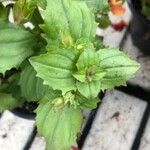
Mimulus Guttatus
Monkeyflower · Seep monkeyflower
Description
Source: leafsnapErythranthe guttata, with the common names seep monkeyflower and common yellow monkeyflower, is a yellow bee-pollinated annual or perennial plant. It was formerly known as Mimulus guttatus.Erythranthe guttata is a model organism for biological studies, and in that context is still referred to as Mimulus guttatus. There may be as many as 1000 scientific papers focused on this species. The genome is (as of 2012) being studied in depth.
🌳 The attractive yellow blooms of seep monkeyflower exert a distinct ecological effect by changing pollinator behavior. Its nectar contains a blend of chemicals that alters pollinator visitation patterns and thus can shape plant community structure by affecting the pollination success of neighboring plants. Scientists examine how seep monkeyflower nectar composition influences the foraging habits of pollinators like bees, which can yield insights into plant–pollinator interactions and their wider impacts on ecological networks.
Care Guide
💧 Water
☀️ Light Full sun
For optimum health, seep monkeyflower needs abundant sunlight, though it can adapt to moderately sunny conditions. Native to sun-drenched habitats, its growth and flowering can be negatively affected by limited light. Excessive sunlight, however, can be harmful, causing stunted growth and possible sunburn.
🌡️ Temperature 10–35°C
Seep monkeyflower comes from environments with temperatures ranging from 68 to 95 °F (20 to 35 ℃). It thrives in temperate conditions and may need seasonal adjustments in extreme climates to ensure proper growth.
💨 Humidity high (>60%)
This plant needs special care because it loves high humidity levels of 60-80% or more. The best way to achieve this is by placing a humidifier near the plant. Daily misting is also essential! Make sure the room has good ventilation.
🪴 Soil 6-7
🌱 Fertilizer
The best time to fertilize a Seep monkeyflower is in early spring, when it is coming out of dormancy and starting active growth. Fertilizing supplies essential nutrients needed for healthy development. Although Seep monkeyflower has fairly low fertilizer requirements, applying fertilizer once a year can improve its chances of survival and encourage better, longer-lasting blooms.
🪴 Pot & Repot
✂️ Pruning
🌿 Propagating
🐛 Diseases & pets
☠️ Toxicity
Characteristics
- Plant Type
- Herb
- Life Cycle
- Perennial, Annual
- Hardiness Zone
- 6-9
- Mature Height
- 20 cm to 40 cm
- Mature Spread
- 20 cm
- Leaf Color
- Green, Blue
- Leaf Type
- Semi-evergreen
- Flower Color
- Yellow, Gold
- Flower Size
- 2.03 cm to 4.06 cm
- Bloom Time
- Late spring, Early summer, Mid summer
- Planting Time
- Autumn, Winter
- Harvest Time
- Summer
- Native Area
- Mexico