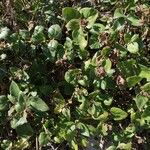
Mirabilis laevis
Desert wishbone-bush
Description
Source: leafsnapMirabilis laevis, commonly known as the desert four o'clock, is a perennial plant in the Nyctaginaceae family. Native to North America, it thrives in arid regions like deserts and dry plains. The plant can grow up to 1 meter tall and features a woody stem with ovate green leaves. The trumpet-shaped flowers of Mirabilis laevis have five petals, which can range in color from white to pink or purple. They bloom from late spring through early fall, opening at dusk and releasing a sweet fragrance that attracts moths for pollination. This drought-tolerant plant can withstand long periods of dry weather by going dormant during the summer months. It prefers well-drained soil but is also capable of growing in sandy or rocky soil types. For centuries, Native American tribes have utilized Mirabilis laevis for its medicinal properties. The roots were used as a laxative, while the leaves were made into poultices to treat skin irritations such as rashes or insect bites. Overall, Mirabilis laevis is an attractive plant that adds vibrant color to arid landscapes and offers medicinal benefits.
🌳 Four o'clock flower has traditionally been used to make a natural dye that changes color depending on the pH of the solution it is in. This intriguing trait has potential use in pH indicator strips, artistic projects, and educational tools that demonstrate chemical reactions.
🎭 Purity, plainness, elegance, conjecture, mistrust, adulthood, shyness, fearfulness, comfort
Care Guide
💧 Water Every 7 days
The desert Wishbone-Bush, native to arid regions, is highly drought-tolerant and only needs to be watered once a week. It thrives in dry conditions with well-draining soil, making it perfect for outdoor cultivation. Overwatering can damage this resilient and low-maintenance plant.
How should I water my Desert Wishbone-Bush in the best way?
When watering the Desert Wishbone-Bush, it is recommended to use filtered water at room temperature. Tap water may contain harmful particles for this plant, so it is best to use filtered water. The plant prefers room temperature or slightly warmer water because it originates from a warm environment, and cold water can shock its system. It is also advised to avoid overhead watering to prevent foliage complications. Instead, water the soil directly using filtered room temperature water until the soil is fully soaked. This helps moisten the roots and encourages their spread through the soil to collect necessary nutrients.
What should I do if I give my Desert Wishbone-Bush too much water or too little water?
Overwatering and underwatering can harm your Desert Wishbone-Bush, but overwatering is more common and problematic. When this plant receives too much water, its stems and leaves may wilt and turn yellow. Overwatering for a long time can also lead to diseases like root rot, mold, and mildew, which can kill the plant. While underwatering is less common due to the Desert Wishbone-Bush's drought tolerance, it's still possible. In such cases, the leaves may become brittle and brown. It's important to spot signs of overwatering early when caring for your Desert Wishbone-Bush. Some diseases caused by overwatering, like root rot, may become unfixable if not addressed promptly. If you notice early signs of overwatering, reduce your watering immediately. Check the soil's quality as well. If it drains poorly, replace it with loose, well-draining potting mix. Conversely, if you notice signs of insufficient water, simply water the plant more regularly until the signs improve.
How often do I need to water my Desert Wishbone-Bush plant?
If your Desert Wishbone-Bush is in a pot, the best way to determine if it needs water is to stick your finger into the soil. If the top two to three inches of soil are dry, it's time to water it. If you have your Desert Wishbone-Bush planted outside in the ground, you can use the same method to test the soil. Once again, if the top few inches of soil are dry, it's time to water it. During the spring and early fall, you'll probably need to water this plant about once a week. However, in extremely hot weather, you may need to water it twice or more per week. It's worth noting that mature, well-established Desert Wishbone-Bush plants can tolerate drought well.
How much water does my Desert Wishbone-Bush require?
To properly water your Desert Wishbone-Bush, be generous with the amount of water you give. Make sure the top two to three inches of soil are dry, and then thoroughly soak the entire soil. It's important to add enough water so that excess water flows out through the drainage holes at the bottom of the pot. If you don't see water draining out, it means you haven't watered enough. However, be careful not to let water accumulate inside the soil as it can harm the plant. Alternatively, if water doesn't drain well, it indicates that the soil is not draining properly, which is not good for the plant. If the plant is outdoors, it will be fine with 1 inch of rain per week.
How should I water my Desert Wishbone-Bush at different times it's growing?
The water needs of the Desert Wishbone-Bush can vary depending on its growth stages. In its early years and after being transplanted, the plant will require more water to support the growth of new roots. These roots need extra moisture to ensure optimal future growth. As the plant matures, it will require less water. Another stage that may require increased watering is during the bloom period, as flower development demands a significant amount of moisture.
☀️ Light Full sun
The four o'clock flower flourishes when it gets ample sunlight, and it can also tolerate spots with lower light. In its native habitat it receives abundant sun, which plays an important role in its vigorous growth. Too little or too much sun exposure may affect its health.
What are the sunlight requirements for Desert Wishbone-Bush?
Desert Wishbone-Bush requires full sun, meaning it should receive above 6 hours of sunlight, or partial sun, about 3-6 hours of sunlight a day. Observing how sunlight moves through your garden will help in choosing spots that offer a good balance of light and shade, ensuring the plants' wellbeing.
How does Desert Wishbone-Bush handle sunlight and shade?
Desert Wishbone-Bush thrives in abundant light, typical of its desert-like origins, but it can tolerate a moderate amount of shade. Too much shade or excessive sunlight can harm the plant. Artificial lighting can be used indoors when natural sunlight is insufficient, mimicking natural sunlight by using LED lights and adjusting their distance and duration based on the plant's needs.
What are the symptoms of inadequate lighting for Desert Wishbone-Bush?
Symptoms of light deficiency for Desert Wishbone-Bush include smaller new leaves, leggy or sparse growth, faster leaf drop, slower or no new growth, lighter-colored new leaves, chlorosis, sunscald, leaf curling, wilting, and leaf scorching. These symptoms can range from light deficiency to damage from excessive sunlight.
What solutions can help Desert Wishbone-Bush with light deficiencies?
To combat light deficiencies, gradually move Desert Wishbone-Bush to sunnier locations to ensure it receives at least 6 hours of direct sunlight daily, especially using south-facing windows. If the plant is large or not easily movable, consider using artificial lighting. For outdoor plants, it's important to avoid sudden changes in light intensity. Reducing obstructions and transplanting to sunnier locations can also help. Note that parts of the plant affected by insufficient sunlight may not recover, but new growth should be healthy after adjusting light exposure.
🌡️ Temperature 15–37.8°C
The four o'clock flower originates from tropical regions accustomed to warmer conditions, where temperatures range from 68 to 100 °F (20 to 38 ℃). To recreate that environment, keep the four o'clock flower in a location with similar temperatures, adjusting for seasonal changes as needed.
What is the Desert Wishbone-Bush?
The Desert Wishbone-Bush, botanically known as Mirabilis laevis, is a plant native to environments with temperatures ranging from 59 to 90 °F (15 to 32 °C). It is adapted to warmer conditions within this range and has strong cold resistance, making it suitable for various climates. Despite its cold tolerance, it requires specific care during seasonal variations, such as increased watering during hotter periods to mitigate heat stress and certain cold protection measures if temperatures are expected to drop below -10°C.
How does temperature affect the Desert Wishbone-Bush?
The Desert Wishbone-Bush thrives best in temperatures above 15°C but is cold-tolerant enough to withstand winter temperatures above -5°C, although it should not be exposed to temperatures below -10°C. High temperatures, especially above 32°C, can also pose a threat, leading to symptoms such as lighter leaf color, curling, susceptibility to sunburn, and in severe cases, wilting and drying of the plant. It's crucial to maintain an optimum temperature range to ensure the plant's health and vitality.
What care does the Desert Wishbone-Bush need in changing seasons?
Seasonal care for the Desert Wishbone-Bush involves increased watering during warmer months to combat heat stress and providing cold protection if winter temperatures are expected to fall below -10°C. Before the first autumn freeze, the plant should be watered abundantly to keep the soil moist and prevent drought and water scarcity during winter and early spring. Additionally, any parts of the plant that fail to sprout in spring due to cold damage should be removed.
How should you manage temperature-related symptoms in Desert Wishbone-Bush?
To manage low temperature symptoms in the Desert Wishbone-Bush, remove any parts that fail to sprout by springtime. For high temperature symptoms, trim away sunburned and dried-up parts of the plant. Relocate the plant to a shaded area or use a shade cloth to protect it from the harsh midday and afternoon sun. Ensure the soil remains moist by watering the plant in the morning and evening during hotter periods. These steps will help the plant recover from temperature stresses and maintain its health.
💨 Humidity
🪴 Soil 6-7
🌱 Fertilizer
A single fertilizer application in spring is typically adequate for the Four o'clock flower, though repeated feedings can enhance growth. Feed every month to six weeks. Fertilization improves leaf appearance and function, helping maintain uniform color and a healthy texture. It also promotes root growth and nutrient uptake for long-term plant health.
🪴 Pot & Repot
Repot the Four o'clock flower in early spring. Choose a pot that is wider than it is deep and provides good drainage. Use a loamy, well-draining potting mix enriched with compost. Gently remove old soil from the bulb and plant it at a depth equal to the bulb’s height. Water thoroughly after repotting and place the pot in a sunny spot. Avoid overwatering to prevent the bulb from rotting.
✂️ Pruning
The Desert Wishbone-Bush is appreciated for its vibrant, drought-resistant flowers and its ability to thrive in arid conditions. To keep it healthy and encourage blooming, prune it from early to late spring, removing any dead stems to improve air circulation. Avoid heavy pruning at other times to prevent stress and to maintain its natural growth cycle.
🌿 Propagating
🐛 Diseases & pets
☠️ Toxicity
Characteristics
- Plant Type
- Herb
- Life Cycle
- Perennial, Annual
- Genus
- Mirabilis
- Family
- Nyctaginaceae
- Hardiness Zone
- 8-11
- Mature Height
- 61 cm to 91 cm
- Mature Spread
- 76 cm to 91 cm
- Leaf Color
- Green
- Leaf Type
- Deciduous
- Flower Color
- Pink, Yellow, White
- Flower Size
- 2.54 cm to 3.05 cm
- Bloom Time
- Late spring, Summer
- Planting Time
- Spring, Summer
- Harvest Time
- Summer
- Native Area
- Mexico