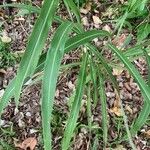
Miscanthus floridulus
Japanese silver grass · Pacific Island Silvergrass · Giant Chinese silver grass · Miscanthus
Description
Source: leafsnapMiscanthus floridulus, the Pacific Island silvergrass, is a species of perennial grass in the family Poaceae.
Care Guide
💧 Water
Pacific Island silvergrass, native to the Pacific islands, flourishes in humid, tropical environments. This plant prefers consistent moisture, needing to be watered weekly. Once established, it can tolerate drought to some extent. When grown indoors, Pacific Island silvergrass enhances decor with its vibrant foliage, but requires careful watering to prevent the soil from drying out.
☀️ Light Full sun
Native to a region with abundant sunlight, pacific island silvergrass performs best in locations that receive plenty of sun throughout the day. It can, however, tolerate areas with limited light. Neither too much sun nor too little noticeably impacts its growth, retaining its hardy nature.
What are the sunlight requirements for Pacific Island Silvergrass?
Pacific Island Silvergrass thrives in full sun conditions, requiring above 6 hours of sunlight daily. It's important to monitor the movement of sunlight through your garden to ensure that the plants receive a balance of light and shade. Although this plant originates from regions with abundant sunlight, it shows resilience by maintaining growth even in less ideal light conditions. If necessary, artificial lighting can be used for indoor plants, with specifics such as type, distance, and duration of light provided to mimic natural conditions for optimal growth.
Can Pacific Island Silvergrass tolerate different light conditions?
Yes, Pacific Island Silvergrass is robust in nature and can tolerate varying light conditions. It grows best in full sunlight but can also adapt to environments with less sun. For indoor plants, where natural sunlight is insufficient, especially in winter or in rooms with less exposure to sunlight, artificial lighting serves as an excellent alternative. This ensures the plants receive adequate light for faster and healthier growth.
What are the symptoms of inadequate lighting for Pacific Island Silvergrass?
Symptoms of light deficiency in Pacific Island Silvergrass include smaller new leaves, leggy or sparse growth, faster leaf drop, slower or no new growth, and lighter-colored new leaves. Chlorosis and sunscald can also occur, indicating either poor light conditions or overexposure to sunlight, respectively. Additionally, leaf curling, wilting, and leaf scorching are symptoms related to extreme sunlight conditions or insufficient light.
How can I manage Pacific Island Silvergrass in different lighting conditions?
To optimize growth in indoor settings, gradually move plants to sunnier locations to achieve at least 6 hours of direct sunlight daily or use artificial lighting for plants that are not easily moved. Outdoor plants should also be moved gradually to prevent sunburn. Minimizing obstructions to sunlight is crucial; for instance, pruning trees that block the sun can help. If necessary, transplant smaller plants during their dormant period to locations with ample sunlight and good drainage. Note that parts of the plant affected by insufficient light may not recover, but new growth will be healthy after improving light exposure.
🌡️ Temperature 10–35°C
Pacific island silvergrass is native to regions where temperatures range from 50 to 95°F (10 to 35°C). The plant prefers mild to warm conditions and requires careful temperature management during extreme winter and summer periods to achieve optimal growth.
What is the indigenous environment of Pacific island silvergrass?
Pacific island silvergrass is indigenous to environments where temperatures range between 50 to 95°F (10 to 35°C). It thrives in mild to warm conditions, demonstrating a strong resistance to cold. Despite its resilience, it requires careful temperature management during the extreme cold of winter and the heat of summer to ensure optimal growth.
How can Pacific island silvergrass be protected against extreme winter conditions?
Pacific island silvergrass has strong cold resistance, and usually does not require special frost protection measures during winter. However, in conditions where winter temperatures are expected to drop below -25°C, it's crucial to provide cold protection. This can be done by covering the plant with soil or straw. Additionally, watering the plant abundantly before the first freeze in autumn to keep the soil moist can help prevent drought and water scarcity during the colder months and early spring.
What should be done if Pacific island silvergrass experiences low temperature beyond its tolerance?
Pacific island silvergrass is cold-tolerant and thrives best when temperatures remain above 10°C, with a critical low threshold of -15°C. If temperatures drop below -25°C, the plant may not show immediate damage during winter but could exhibit decreased sprouting or fail to sprout at all in the spring. In such cases, it is recommended to remove any parts of the plant that have failed to sprout in spring.
How can Pacific island silvergrass be cared for during high temperature conditions?
During summer, it is best to ensure that the temperature around Pacific island silvergrass does not exceed 35°C. Exposure to temperatures above 38°C can cause the leaves to lighten in color, become prone to curling, suffer from sunburn, and in severe cases, the entire plant may wilt and dry out. To combat this, trim away the sunburned and dried parts of the plant. Moving the plant to a shaded area or using a shade cloth can protect it from the harsh midday and afternoon sun, while watering it in the morning and evening helps keep the soil moist and supports its health during high temperatures.
💨 Humidity
🪴 Soil 5-7
🌱 Fertilizer
Usually one application of fertilizer in spring is adequate for Pacific island silvergrass, though repeated feedings can maximize growth. Feed every month to every month and a half. Fertilization improves leaf appearance and function, maintaining even color and a healthy texture. It also encourages root growth and nutrient uptake, supporting long-term plant health.
🪴 Pot & Repot
✂️ Pruning
To encourage the healthy growth of Pacific Island silvergrass, prune it in early spring. Cut back last season's growth to 6-8 inches (15-20 cm). This practice improves air circulation, reduces the risk of disease, and promotes blooming. Additionally, it helps maintain a tidy appearance and prevents the grass from becoming too dense, which can limit sunlight access.
🌿 Propagating
🐛 Diseases & pets
☠️ Toxicity
Characteristics
- Plant Type
- Herb
- Life Cycle
- Perennial
- Genus
- Miscanthus
- Family
- Poaceae
- Hardiness Zone
- 6-9
- Mature Height
- 2.44 m to 3.66 m
- Mature Spread
- 0.61 m to 1.22 m
- Leaf Color
- Green, White, Variegated
- Leaf Type
- Evergreen
- Flower Color
- White, Yellow, Pink, Green, Cream, Red, Brown, Burgundy
- Flower Size
- 2.54 cm
- Bloom Time
- Late summer, Early fall, Mid fall
- Planting Time
- Spring, Winter
- Harvest Time
- Fall
- Native Area
- Malaysia, Indonesia, Japan, Myanmar, Vanuatu, Philippines, Laos, Fiji, China