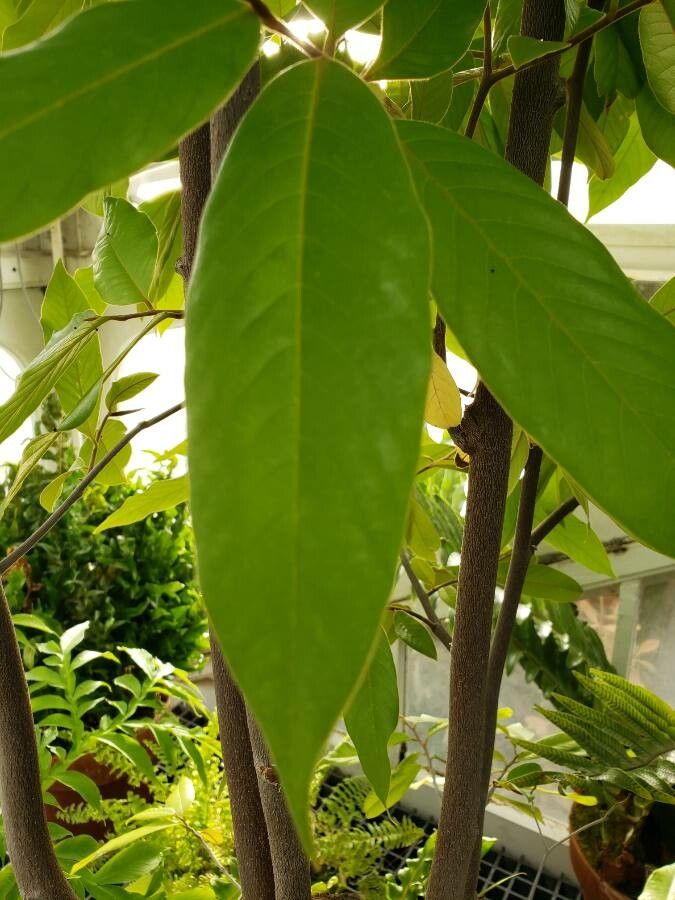
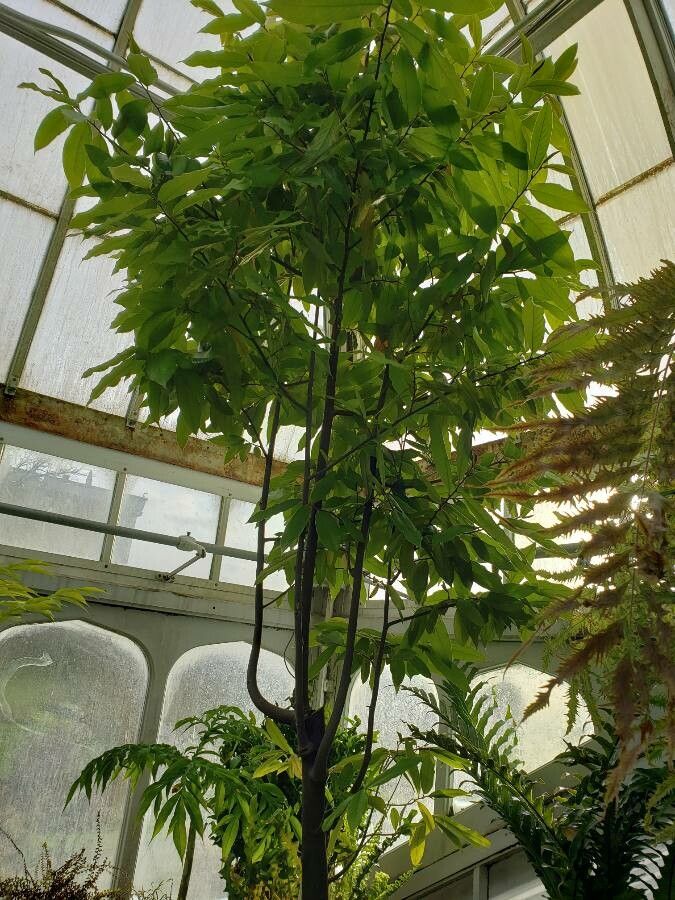
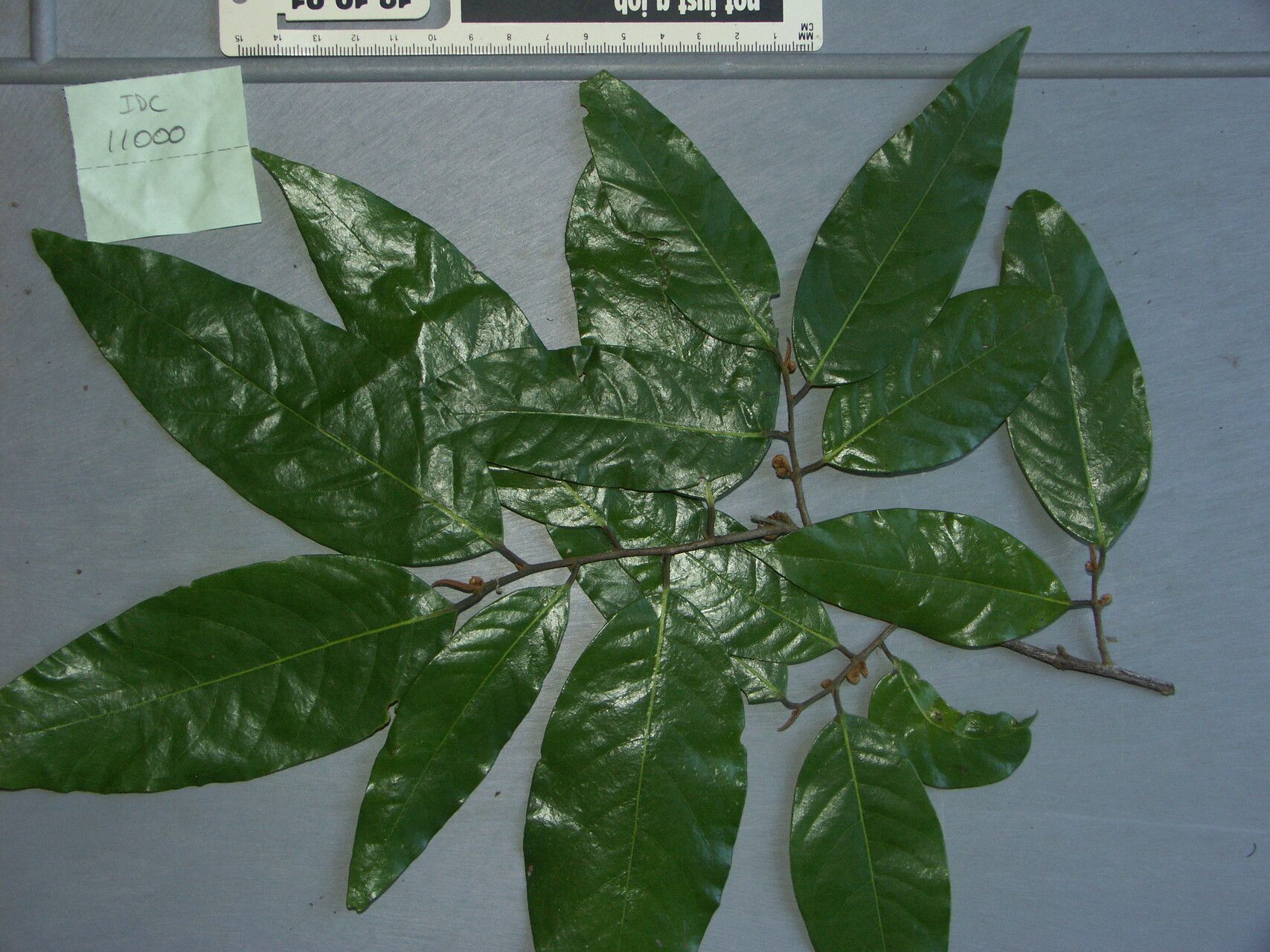
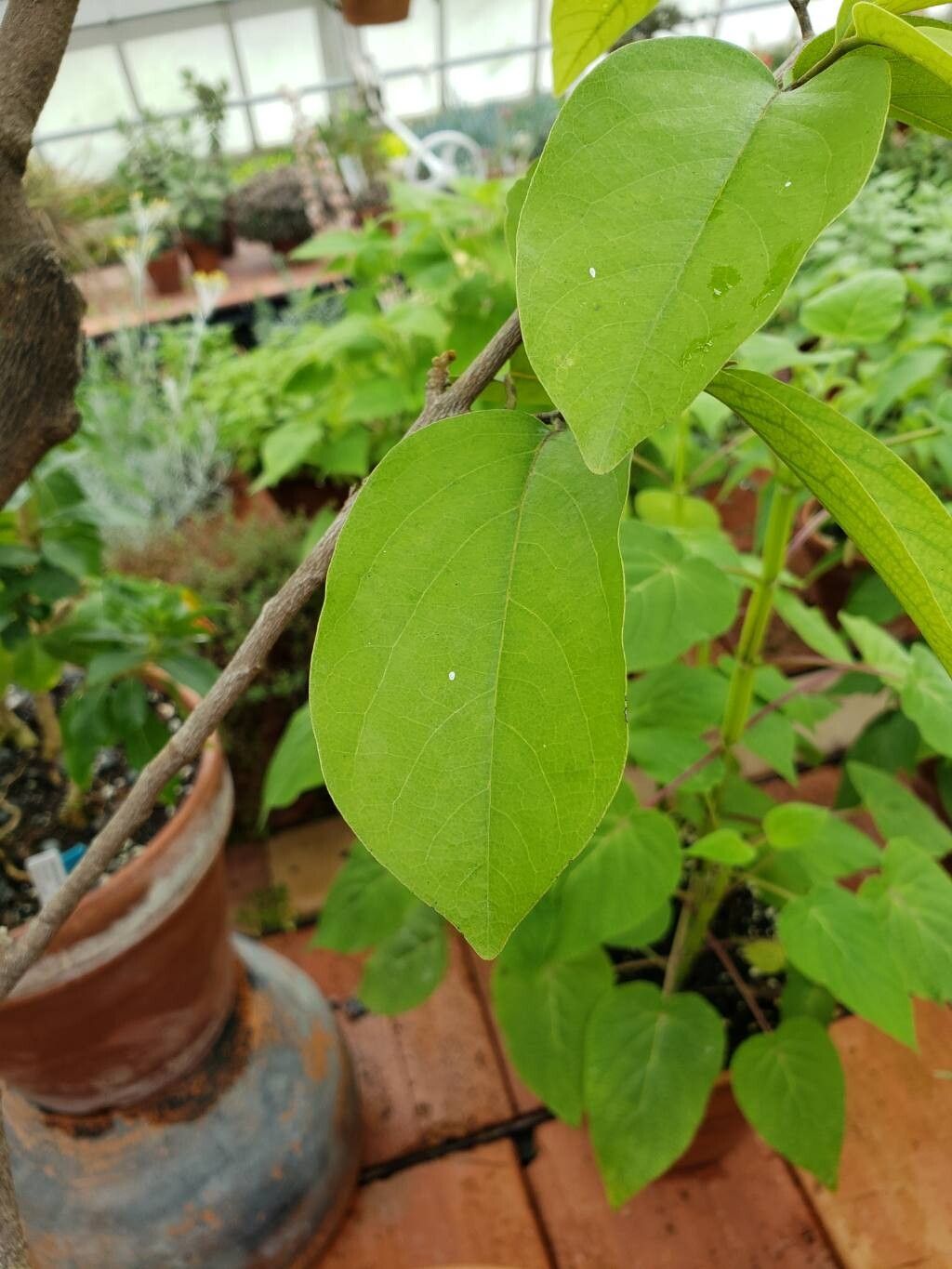
Mitrephora tomentosa is a species of plant in the family Annonaceae. It is native to Bangladesh, Cambodia, Laos, Myanmar, Thailand, and Vietnam. Joseph Hooker and Thomas Thomson, the British botanists who first formally described the species, named it after the dense covering of hair (tomentosus in Latin) on its young branches, leaves and flowers.
Mitrephora tomentosa shows good resistance to diseases and is generally not susceptible to them. With respect to care, this plant is fairly low-maintenance. When grown outdoors it needs only light watering, and larger specimens typically do not require pruning. Smaller plants, however, should be pruned after they finish blooming. Mitrephora tomentosat is suitable for people who have an outdoor area, such as a garden or deck, and does not demand much prior care experience.
How to keep Mitrephora Tomentosa.
Light
Mitrephora tomentosa grows naturally in locations like forest understories or rocky sites, where it is found in naturally shaded conditions. It favors partial sun but can tolerate both full sun and full shade, reflecting its hardy and versatile nature.
Water
Mitrephora tomentosa flourishes in the humid understorey of tropical forests. It requires consistent moisture but should not be waterlogged. For optimal growth, it is best cultivated outdoors where it can take advantage of natural rainfall. It also needs weekly watering to maintain its lush growth and thrive in high humidity conditions.
Temperature
Mitrephora tomentosa is a plant that prefers temperatures between 68 and 100 °F (20 and 38 ℃). Native to temperate regions, it adapts well to seasonal changes. In exceptionally harsh seasons, attention may be needed to keep temperatures within that range.
Fertilizer
The best time to fertilize a Mitrephora tomentosa is in early spring, as it breaks dormancy. This encourages overall growth and the development of flowers. Fertilization improves foliage, stems, and branches, while encouraging large, vibrant, long-lasting blooms. It assists in moving nutrients from the roots to the flowers and enhances the plant’s health and resistance to disease.
Pruning
Pruning Mitrephora tomentosa between early and late winter helps to enhance its growth and blooming. Start by removing any dead branches, then thin out dense areas to improve air circulation, and finally shape the plant. Be sure to sterilize your tools to prevent the spread of disease. Avoid excessive pruning to maintain the plant's vigor and structure.
Botanical profile.
- Plant Type
- Tree
- Life Cycle
- Perennial
- Genus
- Mitrephora
- Family
- Annonaceae
- Hardiness Zone
- 11
- Mature Height
- 20.12 m
- Mature Spread
- 4.88 m to 7.92 m
- Leaf Color
- Dark Green, Forest Green
- Leaf Type
- Evergreen
- Flower Color
- Yellow, Cream
- Flower Size
- 1.02 cm to 1.52 cm
- Bloom Time
- Late spring, Summer, Early fall
- Planting Time
- Spring, Summer
- Harvest Time
- Late summer, Fall
- Native Area
- India, Cambodia, Vietnam, Myanmar, Bangladesh, Laos, Thailand, China
Reader questions.
What are the sunlight requirements for Mitrephora tomentosa?
Mitrephora tomentosa requires varying amounts of sunlight depending on the desired growth condition. For partial sun exposure, it needs about 3-6 hours of sunlight per day. If you're aiming for full sun exposure, the plant should receive over 6 hours of sunlight daily. It's important to observe the way sunlight moves through your garden to identify the best spots that offer the ideal balance of light and shade to ensure the plant's vitality and happiness.
What is the preferred temperature range for Mitrephora tomentosa?
Mitrephora tomentosa thrives in temperatures between 68 to 100°F (20 to 38°C). This plant is native to temperate regions and is adaptable to seasonal changes. However, in particularly harsh seasons, it may require special attention to maintain its preferred temperature range.
What is the botanical name of Mitrephora tomentosa?
The botanical name of Mitrephora tomentosa is the same as its common name, which is Mitrephora tomentosa.