Modiola caroliniana
American-mallow · Bristly mallow · Bristly-fruited Mallow · Carolina bristlemallow · Carolina modiola
Description
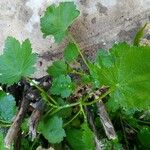
Source: leafsnapModiola caroliniana, commonly known as the Carolina bristle mallow, is a small annual plant belonging to the mallow family. Native to the southeastern United States, it thrives in sandy soils commonly found in open fields, roadsides, and disturbed areas. The plant typically grows up to 30 cm tall and features a slender stem with small, deeply lobed leaves. Its flowers are pink or purple, each with five petals fused at the base to form a cup-shaped structure. The petals' distinctive bristle-like hairs on their edges are the source of its common name. Carolina bristle mallow blooms from May through September and produces numerous seeds that can remain viable in the soil for several years. Traditionally, Native Americans have used this plant for medicinal purposes, employing it as an emollient for skin irritations or as an infusion for treating respiratory ailments. Additionally, the Carolina bristle mallow attracts pollinators such as bees and butterflies, making it an important component of local ecosystems. Overall, Modiola caroliniana is a fascinating plant with unique characteristics that make it stand out among other wildflowers in its region.
🎭 Calming, gentle
Care Guide
💧 Water Every 7 days
Carolina bristlemallow, native to moist environments, thrives with consistent hydration and prefers evenly moist soil. To maintain its optimal moisture level, it is best to water it weekly, taking care not to overwater, as this can lead to root rot. This plant is typically grown outdoors and flourishes when provided with well-draining soil and a regular watering schedule.
How should I water my Carolina bristlemallow plant?
To properly water the Carolina bristlemallow, use filtered water at room temperature. Tap water may have harmful particles, so filtered water is preferred. The plant is accustomed to warm climates, so avoid using cold water as it can be a shock. Additionally, overhead watering should be avoided to prevent issues with the foliage. Instead, water the plant by thoroughly soaking the soil with your filtered room temperature water. This helps keep the roots moist and encourages them to spread and absorb the necessary nutrients.
What should I do if I give my Carolina bristlemallow too much or too little water?
Both overwatering and underwatering can harm the health of your Carolina bristlemallow, but overwatering is more common. When this plant gets too much water, its stems and leaves may wilt and turn yellow. Overwatering over time can also cause diseases like root rot, mold, and mildew, which can be fatal for your plant. Underwatering is less likely for the Carolina bristlemallow because it can tolerate dry conditions fairly well. However, it is still possible, and if it happens, the leaves of your plant may become brittle and brown. It's important to recognize the signs of overwatering and take action quickly when caring for your Carolina bristlemallow. Some diseases caused by overwatering, such as root rot, may be irreversible if you wait too long. If you notice early signs of overwatering, reduce your watering schedule immediately. You should also check the quality of the soil. If it drains poorly, replace it with a loose, well-draining potting mix. On the other hand, if you see signs of underwatering, simply water more frequently until the signs improve.
How often should I water my Carolina bristlemallow plant?
If your Carolina bristlemallow plant is in a pot, the most accurate way to determine if it needs water is by checking the soil with your finger. If the top two to three inches of soil feel dry, then it's time to water it. If you're growing your Carolina bristlemallow outdoors in the ground, you can use the same method to test the soil. When you find that the top few inches of soil are dry, it's time to water it. In the spring and early fall, this usually means watering about once a week. However, during extremely hot weather, you may need to water it two or more times a week. It's worth mentioning that mature, well-established Carolina bristlemallows have a remarkable ability to tolerate drought.
How much water does my Carolina bristlemallow plant need?
To properly water your Carolina bristlemallow, don't be afraid to give it a good amount of water. Wait until the top few inches of soil are dry, then thoroughly water the plant until the soil is completely soaked. It's important to add enough water so that it drains out of the pot's holes at the bottom. If you don't see excess water draining, you might not have given enough water. However, be cautious not to let the water accumulate in the soil, as this can harm the plant. Similarly, if water doesn't drain well from the pot, it could mean that the soil doesn't drain properly, which is bad for the plant's health. If the plant is outside, approximately 1 inch of rainfall per week is sufficient.
How do I water my Carolina bristlemallow as it grows?
The water requirements of the Carolina bristlemallow can vary depending on its growth stages. In the first few years and after transplanting, it needs more water as it is focused on developing new roots for future growth. These roots perform better with slightly more moisture compared to when the plant is more mature. After a few seasons, the Carolina bristlemallow requires less water. Additionally, during the bloom period, when the flowers are developing, it may need additional water to support this process.
☀️ Light Full sun
Carolina bristlemallow does best when exposed to a clear sky for most of the day, though it can tolerate lower light levels. Its natural habitat matches those lighting conditions. Too much or too little light can cause poor development, such as stunted growth or pale leaves.
What are the sunlight requirements for Carolina bristlemallow?
Carolina bristlemallow requires full sun, meaning it thrives in areas that receive above 6 hours of sunlight daily. It can also tolerate partial sun, which translates to about 3-6 hours of sunlight. It’s important to watch how sunlight moves through your garden to choose spots that offer a suitable balance of light and shade, ensuring the plant's needs are met for optimal growth.
What are the essentials for growing Carolina bristlemallow successfully?
To ensure successful growth of Carolina bristlemallow, it is crucial to expose the plant to clear sky for most of the day, mimicking its native habitat which fosters ample light exposure. This plant can manage with less light, but too much or too little sunlight can lead to problems such as stunted growth or pale leaves. In cases where natural light is insufficient, especially indoors or during winter, artificial lighting serves as a valuable alternative. Using the right type of artificial light, like LED, and setting it at the proper distance and duration can significantly support the plant's growth.
What symptoms indicate light deficiency in Carolina bristlemallow?
Light deficiency in Carolina bristlemallow can be identified by several symptoms. Small, unusually sized new leaves, leggy or sparse growth, faster leaf drop, and slower or stalled new growth are indicative of insufficient light. You might also notice lighter-colored new leaves or symptoms of chlorosis, where leaves lose their green color and turn yellow. Sunscald, leaf curling, wilting, and leaf scorching are additional signs that the plant is not receiving the right amount of sunlight.
What solutions are available for addressing sunlight-related issues in Carolina bristlemallow?
To address sunlight-related issues in Carolina bristlemallow, consider gradually moving your plants to sunnier locations, ensuring they receive at least 6 hours of direct sunlight if indoor. Utilize south-facing windows and keep curtains open during the day. If moving the plant isn't feasible, artificial lighting, such as professional plant grow lights or a simple desk lamp left on for at least 8 hours, can supplement light exposure. Outdoors, adapt your plants to the sunlight gradually to prevent sunburn. Pruning overhanging branches or relocating the plant can reduce obstructions and provide essential sunlight. However, it's important to note that parts of the plant that have already been affected by poor lighting may not recover, but new growth should be healthy with proper light.
🌡️ Temperature 20–35°C
Carolina bristlemallow prefers warm conditions, with its native habitat temperature varying from 68℉ (20℃) to 95℉ (35℃). To promote optimal growth, the plant should be maintained within this temperature range. In winter, it may be necessary to adjust indoor temperatures to keep the plant within that range.
What is the ideal temperature range for Carolina bristlemallow to thrive?
The ideal temperature range for Carolina bristlemallow, also known by its botanical name Modiola caroliniana, is between 68°F (20°C) and 95°F (35°C). This temperature range is crucial for its optimal growth. During winter, it may be necessary to adjust indoor temperatures to keep the plant within this range. Carolina bristlemallow has some tolerance to cold and generally does not require any special cold protection measures if the temperature remains above 0°C. However, if temperatures are expected to drop below 0°C, temporary cold protection measures such as wrapping the plant in plastic film, fabric, or other materials should be employed until the temperature rises again.
How does Carolina bristlemallow respond to low temperatures, and what measures should be taken?
Carolina bristlemallow possesses a moderate tolerance to low temperatures, thriving best when the temperature is above 20°C. It should be kept above 0°C during winter. When the temperature falls below -5°C, the plant's leaves may begin to droop. While they can recover in mild cases, severe cold can cause the leaves to wilt and eventually drop off. To address frost damage, trim off the affected parts. To prevent further damage, wrap the plant with non-woven fabric or cloth and create a wind barrier to protect against cold winds before the arrival of low temperatures.
How does Carolina bristlemallow react to high temperatures, and what solutions can help?
During the summer, it's important to ensure that Carolina bristlemallow's temperature does not exceed 35°C. Temperatures above 41°C can lead to lighter leaf color, dry and withered leaf tips, curled leaves, and increased susceptibility to sunburn. To mitigate damage, trim away sunburned and dried parts, and move the plant to a shaded location protected from midday and afternoon sun. Alternatively, using a shade cloth can help create necessary shade. Additionally, watering the plant in the morning and evening will help keep the soil adequately moist.
💨 Humidity
🪴 Soil 6-7
🌱 Fertilizer
Usually a single fertilizing in spring is adequate for Carolina bristlemallow, though multiple feedings can maximize growth. Apply fertilizer every one to one and a half months. Fertilization improves leaf appearance and function, encouraging even color and a healthy texture. It also promotes root development and nutrient uptake, supporting long-term plant health.
Why is it necessary to put fertilizer on my Carolina bristlemallow plant?
The Carolina bristlemallow relies heavily on its leaves for structure, so fertilization is essential to maintaining their appearance and function. Proper fertilization promotes consistent leaf color and a healthy texture, both above and below the surface. Belowground, fertilizer encourages the growth of new roots and supports the existing root system. This not only ensures the plant's current health but also enhances its ability to absorb soil nutrients in the future.
When should I fertilize my Carolina bristlemallow plant?
If you have a Carolina bristlemallow plant and grow it outside, it will start growing new leaves in early spring. This is a signal that it's time to start fertilizing for the year. Usually, the plant will do well with just one application of fertilizer in the spring. However, if you want to maximize its growth, you can fertilize it multiple times during the spring and early summer. If you choose this option, you can feed the plant roughly once every month to a month and a half.
When is it not a good time to put fertilizer on my Carolina bristlemallow plant?
During the late fall and winter, your Carolina bristlemallow goes into a dormant phase and stops producing new growth. It is important to avoid fertilizing during this time. In the spring and summer, if you choose to fertilize, gradually reduce the amount as summer approaches because the growth rate of your Carolina bristlemallow slows down. Overall, it is never a good idea to fertilize when the weather is extremely hot or the soil is overly dry as it can cause stress and premature death of your Carolina bristlemallow.
What kind of fertilizer should I use for my Carolina bristlemallow plant?
Choosing the best fertilizer for a Carolina bristlemallow is simple. These plants thrive on a general-purpose garden fertilizer with equal amounts of nitrogen, phosphorus, and potassium, like a 10-10-10 ratio. Avoid fertilizers high in nitrogen if unsure. The best fertilizers for a Carolina bristlemallow are usually granular, slow-release, and easy to apply. Using an organic soil amendment like compost can also be beneficial.
How can I give nutrients to my Carolina bristlemallow plant?
To ensure proper growth of your Carolina bristlemallow, wait for the first leaves to emerge in spring before applying a balanced slow-release fertilizer to the soil surrounding its base. You can repeat this step later in the season if desired. When reapplying the fertilizer, make sure to apply it to the soil at the base of the plant, rather than directly on the plant itself. Sometimes, you may need to move the leaves aside to access the soil above the roots. Additionally, watering your Carolina bristlemallow before and after feeding it is recommended for best results.
🪴 Pot & Repot
✂️ Pruning
The Carolina bristlemallow is a low-growing perennial known for its vibrant red-orange flowers. To encourage healthy growth and promote blooming, it's best to prune this plant from early to late spring. Pruning helps manage its growth, removes dead stems, and improves air circulation, which can prevent diseases. Be sure to use clean, sharp tools for the most effective pruning.
🌿 Propagating
🐛 Diseases & pets
☠️ Toxicity
Characteristics
- Plant Type
- Herb
- Life Cycle
- Perennial, Annual, Biennial
- Genus
- Modiola
- Family
- Malvaceae
- Hardiness Zone
- 9-10
- Mature Height
- 10 cm to 15 cm
- Mature Spread
- 30 cm to 61 cm
- Leaf Color
- Green
- Leaf Type
- Evergreen
- Flower Color
- Red
- Flower Size
- 0.10 cm to 0.20 cm
- Bloom Time
- Late spring, Early summer, Mid summer
- Planting Time
- Spring, Summer, Autumn, Winter
- Harvest Time
- Early summer, Mid summer
- Native Area
- Colombia, Honduras, Mexico, Bolivia, Peru, Brazil, Ecuador, Costa Rica