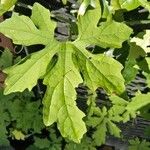
Momordica charantia
Bitter gourd · Bitter-melon · కాకర · Balsam-apple · Balsam-pear
Description
Source: leafsnapMomordica charantia (commonly called bitter melon; bitter apple; bitter gourd; bitter squash; balsam-pear; with many more names listed below) is a tropical and subtropical vine of the family Cucurbitaceae, widely grown in Asia, Africa, and the Caribbean for its edible fruit. Its many varieties differ substantially in the shape and bitterness of the fruit. Bitter melon originated in Africa where it was a dry-season staple food of ǃKung hunter-gatherers. Wild or semi-domesticated variants spread across Asia in prehistory, and it was likely fully domesticated in Southeast Asia. It is widely used in the cuisines of East Asia, South Asia, and Southeast Asia.
🌳 Besides its nutritional and medicinal roles, bitter melon also has an important use in environmental monitoring. One notable feature is its potential as a bioindicator species for detecting heavy metals in soil, since it tends to take up certain pollutants. Furthermore, extracts of bitter melon have demonstrated insecticidal properties, implying they could serve as a natural pesticide and offer options for eco-friendly pest management.
🎭 Kind mind
Care Guide
💧 Water Twice per week
Bitter melon originates from tropical regions and thrives in humid environments, showing a moderate tolerance to drought. For optimal growth, it is best to water the plant twice a week, which aligns with its natural rhythm. Mimicking the warm, rainy periods of its native habitat can enhance the plant's foliage and flowering, making it ideal for outdoor cultivation for its edible fruit.
How should I water my Bitter melon plant?
Bitter melon has specific preferences for water, including how much it receives and how it is provided. Failing to use the proper watering technique can harm your tomatoes. The best way to water Bitter melon is to gently apply water directly to the soil. Avoid pouring all the water at once or doing overhead watering. While watering slowly, make sure to water deeply to ensure the soil around the Bitter melon is sufficiently moist.
What should I do if I give my Bitter melon too much water or too little water?
If you discover that you have given too much water to your Bitter melon and are concerned about the potential for disease, it's important to take action right away. The best approach in this situation is to remove the Bitter melon from its current growing spot. Once you have taken the plant out of the ground, allow its roots to dry out a little before replanting it in a new spot with well-draining soil. If you are growing your Bitter melon in pots, you may also want to consider transferring it to a pot that has more or larger drainage holes. On the other hand, if you have been giving too little water to your Bitter melon, you simply need to increase the frequency at which you water it.
How frequently do I need to water my Bitter melon?
In general, Bitter melon needs a lot of water during its growing season. To meet this need, it is best to water it frequently, especially in the spring and summer. At the start of the growing season, watering once or twice a week should be sufficient. As the season progresses, you should increase the frequency of watering. In the summer, you may need to water it twice a day or more, depending on the weather. Once the Bitter melon has finished its major growth phases for the season, you can reduce watering to once a week until the end of the growing season.
How much water does my Bitter melon plant require?
Bitter melon is a popular plant among gardeners, and we have a good understanding of how to care for them. Specifically, we know that an average Bitter melon plant needs about 1 - 1.5 inches of water per week, which should be evenly distributed during your weekly watering. As the weather gets hotter, you may need to increase the amount of water, but usually, two inches per week is a good amount to start with.
How can I know if I'm giving my Bitter melon enough water?
Your Bitter melon can suffer from both underwatering and overwatering, which can cause similar symptoms. For instance, both underwatering and overwatering can result in foliage discoloration and wilting. When your Bitter melon is underwatered, its leaves will initially curl and droop. You will also notice a decrease in the overall vitality of the leaves. Underwatering can hinder proper growth and development since this plant requires ample water, especially for its flowers. On the other hand, overwatering can increase the risk of diseases, such as rot, and may cause unpleasant odors from the soil. The symptoms of underwatering will appear more quickly compared to overwatering. Soil conditions can also indicate overwatering, such as excessive standing water or waterlogged soil.
☀️ Light Full sun
Bitter melon grows best with long hours of sunlight each day, though it can tolerate conditions with somewhat reduced light. Because it comes from sun-rich habitats, it achieves vigorous growth. Both excessive and inadequate sunlight can hinder its growth and overall health.
What are the sunlight requirements for bitter melon?
Bitter melon requires full sun, which means it needs more than 6 hours of sunlight daily for optimal growth. However, it can also tolerate partial sun conditions, getting about 3-6 hours of sunlight. It's essential to observe how sunlight moves through your garden to find spots that offer a perfect balance of light and shade, ensuring the plant's happiness and health.
What are the essentials for growing bitter melon successfully?
Bitter melon thrives under extensive illumination throughout the day, ideally in environments that mimic its native, sunlight-abundant habitat. This ensures robust growth and good health. Whether the bitter melon is grown outdoors or indoors, adequate sunlight is crucial. However, too much or too little sunlight can negatively impact its growth. In cases where natural sunlight is insufficient, artificial lighting can be used to supplement light, especially for indoor plants. Choose the right type of artificial light, such as LED, and ensure it provides 30-50W/sq ft for full sun plants, 20-30W/sq ft for partial sun plants, and 10-20W/sq ft for full shade plants. The light source should be placed 12-36 inches above the plant, mimicking natural sunlight as closely as possible.
What symptoms indicate inadequate light exposure in bitter melon plants?
Symptoms of inadequate light in bitter melon can include the presence of small new leaves, leggy or sparse growth, faster leaf drop, slower or no new growth, lighter-colored new leaves, and conditions like chlorosis, sunscald, leaf curling, wilting, and leaf scorching. These symptoms highlight either too much or too little light exposure. Understanding and identifying these signs can help in adjusting the plant's environment to ensure it receives the optimal amount of sunlight.
How can you manage light exposure for bitter melon to ensure healthy growth?
Managing light exposure for bitter melon involves ensuring the plant gets at least 6 hours of direct sunlight daily. For indoor plants, this may mean gradually moving them to a sunnier spot each week or supplementing with artificial light, like a desk or ceiling lamp for at least 8 hours daily, or investing in professional plant grow lights. Outdoors, it involves finding the plant's best spot for sunlight and adapting it gradually to avoid sunburn. Obstructions blocking sunlight should be minimized, and if necessary, smaller plants can be transplanted during their dormant period to a location with ample sunlight and good drainage.
🌡️ Temperature 5–37.8°C
Bitter melon originates from warmer-climate areas where temperatures fluctuate between 68 and 100 °F (20 to 38 ℃). It thrives in those conditions, and when the seasons change, adjustments may be needed to reproduce that environment.
What is the native climate for growing Bitter melon?
Bitter melon is native to warmer climates, thriving in temperatures ranging from 20 to 38°C (68 to 100°F). These regions experience temperature fluctuations that are ideal for the growth of Bitter melon. To ensure healthy growth, replicating these temperature conditions is necessary, especially with seasonal changes.
How should Bitter melon be cared for in winter?
During winter, it is crucial to maintain a warm environment for Bitter melon, keeping the temperature above the minimum suitable growth temperature and well above freezing to prevent freezing damage. If temperatures drop to -5°C (25°F) or lower, consider moving Bitter melon indoors or provide additional protection. This can include setting up a temporary greenhouse or using materials like plastic film or fabric to safeguard the plant.
What symptoms indicate Bitter melon is experiencing low temperatures, and what are the solutions?
Bitter melon shows moderate tolerance to low temperatures, flourishing best within its suitable temperature range. If temperatures fall below the tolerable growth minimum, symptoms such as leaves darkening, water-soaked necrosis, wilting, and gradual browning may appear. The solution to low temperature effects includes trimming frost-damaged parts, moving the plant to a warmer environment indoors, or setting up a greenhouse. Ensuring the plant receives ample sunlight by positioning it near a south-facing window, or using supplemental lighting if natural light is insufficient, is also beneficial.
How does high temperature affect Bitter melon, and what should be done?
During summer, keeping Bitter melon below its maximum suitable growth temperature is essential. Exposure to temperatures above the tolerable maximum can slow growth, lighten leaf color, and increase susceptibility to sunburn. To mitigate high temperature stress, trim away sunburned and dried parts, and move the plant to a shaded location, especially away from the harsh afternoon sun. Additionally, watering the plant in the morning and evening can help keep the soil moist and support the plant's health.
💨 Humidity normal (40-60%)
This plant will thrive in moderate humidity, which is probably the level in your home. However, misting it a few times a week can be very beneficial. Make sure the room has good ventilation.
🪴 Soil 5-7
🌱 Fertilizer
To feed bitter melon, apply natural or commercial fertilizer high in nitrogen for leaf growth, phosphorus for roots and blossoms, and potassium for photosynthesis and maximum fruit production. Plant in spring, enrich the soil with compost or manure, and fertilize seedlings once they reach a height of 2-4 inches. Insufficient macronutrients cause slow growth, wilting, and problems with fruit quality.
Why should I add fertilizer to my Bitter melon plant?
When growing Bitter melon for its fruit, it is important to ensure that the soil provides enough nutrients for the plant to thrive. Each of the main macronutrients serves a different purpose for plants. Phosphorus, in particular, is crucial for the formation of flowers and fruit. However, it is also important to consider the overall health of the plant, including its root system and leaves, as they play a vital role in absorbing sunlight. If plants do not receive enough macronutrients, they may lack vitality, grow slowly, or even wilt. Since flowering and fruiting require a significant amount of energy from the plant, a deficiency in these essential components can affect the quality of the resulting fruits.
When should I fertilize my Bitter melon plant?
To successfully grow bitter melon, it is important to plant it in the spring for a summer harvest. Make sure to check the specific variety for the recommended planting time. Bitter melon thrives in rich, fertile soil, so before planting, mix in a 2-inch layer of compost or well-rotted manure. These materials will provide necessary nutrients and improve drainage. For transplants, fertilize immediately after planting, while seedlings should be about 2 to 4 inches tall before the first fertilization. Established plants should be fed every 3 to 4 weeks throughout the growing season until the first frost or when the plant stops producing. Customize your fertilization schedule by considering the specific variety of bitter melon and the type of fertilizer. It is better to fertilize less if you are uncertain.
When is the best time for me to not fertilize my Bitter melon?
To ensure healthy blooming and fruiting, it is important to be cautious of the nitrogen levels in the fertilizer for Bitter melon. Excessive nitrogen can result in an abundance of leaves but a scarcity of blooms and fruits. In order to avoid this issue, try to find a fertilizer with lower nitrogen content compared to other nutrients. Additionally, it is advisable to refrain from fertilizing Bitter melon during hot temperatures or dry conditions. This is because high temperatures and lack of moisture can cause the fertilizer to wash away without being absorbed into the soil. Moreover, hot weather reduces the plant's ability to absorb nutrients, which can lead to the fertilizer lingering in the soil, impeding water uptake by the plants. Consequently, this can be detrimental to the plants, particularly during a drought or heatwave.
What kind of fertilizer should I use for my Bitter melon?
To determine the proper fertilizer for your Bitter melon, start by assessing the nutrients present and lacking in your soil. Using a soil test is the most accurate way to gather this information, but some people have had success growing Bitter melon through trial and error. While there are commercial fertilizers available for specific Bitter melon varieties, it is not necessary to buy a different one for each vegetable you cultivate. By understanding the basic requirements of your plants and the nutrients already in your soil, you can use the same fertilizer for multiple plants. Many growers prefer high-phosphorus fertilizers, as they promote flower and fruit development. These fertilizers typically have an NPK ratio with the highest middle number, like 8-32-16 or 10-30-10. However, some individuals opt for balanced fertilizers like 10-10-10, which can be used for all garden plants for simplicity.
How should I fertilize my Bitter melon?
There are different types of fertilizers, each with their own set of instructions. Some require dilution, while others should be measured carefully. It is important to follow these instructions and do your research to prevent over-fertilizing your garden. If you have planted Bitter melon in a row, the side-dressing method can be used to ensure that the fertilizer reaches the roots without touching the plant itself. This involves mixing the fertilizer into the soil along the rows, away from the base of the plant. When you water the plants, the nutrients will be washed into the soil and down to the roots. If side-dressing is not suitable for your garden layout, you can apply the fertilizer to the soil around the plant, again staying away from the base. For granular fertilizers, scatter them onto the soil and lightly mix them in. After applying dry fertilizers, make sure to water thoroughly. Liquid fertilizers are mixed into a watering can and used to water and fertilize the plants at the same time. Alternatively, foliar feeding involves spraying the leaves with a specialized fertilizer mix instead of applying nutrients to the soil.
🪴 Pot & Repot
When repotting Bitter melon, choose a pot that's 1-2 inches (2.5–5.1 cm) larger in diameter and ensure it has good drainage. Use a well-draining potting mix and consider adding perlite for extra drainage. Repot in spring or early summer, water thoroughly afterward, and place the plant in a shady spot at first.
✂️ Pruning
Bitter melon is a climbing plant recognized by its distinctive bumpy green fruit. To encourage healthier growth and boost yields, regular pruning is essential, particularly from early to late spring. Effective pruning techniques involve removing dead branches and improving air circulation. It's important to use clean, sharp tools to reduce damage and minimize the risk of disease.
🌿 Propagating
🐛 Diseases & pets
☠️ Toxicity
Characteristics
- Plant Type
- Vine, Herb
- Life Cycle
- Annual
- Genus
- Momordica
- Family
- Cucurbitaceae
- Hardiness Zone
- 5-11
- Mature Height
- 2.13 m to 3.05 m
- Mature Spread
- 2.13 m
- Leaf Color
- Green
- Leaf Type
- Deciduous
- Flower Color
- Yellow
- Flower Size
- 3.05 cm to 6.35 cm
- Bloom Time
- Late spring, Early summer, Mid summer
- Planting Time
- Spring
- Harvest Time
- Mid summer, Late summer
- Native Area
- Sri Lanka, India, Malaysia, Angola, Madagascar, Rwanda, Pakistan, Nigeria, Kenya, Uganda, Tanzania, Zimbabwe, Benin, Mali, Sierra Leone, Indonesia, Cambodia, Cameroon, Liberia, Mozambique, Burundi, Ghana, Nepal, Malawi, Zambia, Bangladesh, Vietnam, Senegal, Côte d'Ivoire, Gambia, Congo (DRC), Thailand, Gabon