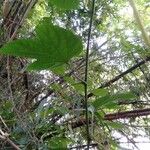
Momordica cochinchinensis
Chinese bitter-cucumber · Chinese-cucumber · Balsam-pear · Sweet gourd · Giant spine gourd
Description
Source: leafsnapMomordica cochinchinensis, commonly known as gac fruit or baby jackfruit, is a tropical vine belonging to the Cucurbitaceae family. Native to Southeast Asia, it is prevalent in countries like Vietnam, Thailand, and Cambodia. The plant produces a distinctive fruit characterized by its spiky orange-red skin and bright red pulp. Traditionally, gac fruit has been used in Southeast Asian cuisine for its nutritional and medicinal benefits. It is rich in antioxidants such as carotenoids, lycopene, and beta-carotene, known for their anti-inflammatory properties. The fruit is also high in vitamin C, vitamin E, iron, zinc, and other essential nutrients. Beyond its nutritional value, gac fruit has been utilized in traditional medicine for centuries to treat various ailments, including skin disorders like eczema and psoriasis, owing to its anti-inflammatory properties. The plant thrives in warm tropical climates with plenty of sunlight but can also be grown indoors with proper care. It requires well-draining soil and regular watering, although it can tolerate periods of drought once established. Overall, Momordica cochinchinensis or gac fruit offers both culinary delights and potential health benefits, making it a fascinating addition to any garden or diet plan.
Care Guide
💧 Water Every 7 days
Gac is a plant that comes from tropical regions, where it thrives in high humidity and consistent moisture. To mimic its native environment, it should be watered weekly. During dry spells, it requires careful attention to ensure healthy growth in warm climates.
☀️ Light Full sun
Gac comes from habitats that receive abundant sunlight, for example open fields and sunny meadows. It prefers full sun but can also tolerate partial sun.
What are the sunlight requirements for Gac?
Gac, or Momordica cochinchinensis, thrives best in environments that offer full sun exposure, which means the plant should receive more than 6 hours of direct sunlight per day. However, it can also adapt to partial sun conditions, receiving about 3-6 hours of sunlight. It's crucial to observe how sunlight moves through your garden to find the perfect balance of light and shade for your plants, ensuring their optimal growth and health.
What are the essential care tips for Gac regarding sunlight and lighting?
Gac originates from sunny environments and prefers full sun but can tolerate partial sun. For indoor plants, adequate lighting is crucial, especially when natural sunlight is insufficient. Artificial lighting can supplement light needs, with LED lights being a popular choice due to their ability to provide specific wavelengths needed by plants. Full sun plants require 30-50W per square foot, partial sun plants need 20-30W per square foot, and full shade plants should have 10-20W per square foot of artificial light. The light source should be placed 12-36 inches above the plant to mimic the sun, and most plants require 8-12 hours of light per day.
What symptoms indicate Gac is not receiving enough light?
When Gac is grown indoors or under insufficient light, it might show several symptoms indicating light deficiency. Such symptoms include smaller new leaves, leggy or sparse growth, accelerated leaf drop, halted or no new growth, leaves developing irregular color patterns or appearing pale (indicative of insufficient chlorophyll), chlorosis (leaves turning yellow due to chlorophyll breakdown), sunscald (damaged areas on the plant from intense sunlight), leaf curling (a defense mechanism to reduce sunlight exposure), wilting (due to excessive water loss), and leaf scorching (brown, dry, crispy patches on leaves from too much sunlight).
How can you address and remedy light deficiency problems in Gac?
To address light deficiency in Gac, gradually increase its exposure to sunlight if outdoor, moving the plant to sunnier spots each week until it gets at least 6 hours of direct sunlight daily. If the plant is large or not easily movable, consider using artificial light sources, keeping them on for a minimum of 8 hours daily. For outdoor plants, avoid sudden changes in light exposure to prevent sunburn. If natural light is blocked, identify and reduce obstructions, such as by pruning trees. For small plants, consider transplanting during their dormant period to a location with better sunlight and drainage. Note that parts of the plant already affected by insufficient light might not recover, but new growth will be healthy with improved light conditions.
🌡️ Temperature 15–32.2°C
Gac naturally occurs in areas where temperatures vary from 59 to 89.6°F (15 to 32 ℃). It grows best in warmer conditions and may need measures to preserve proper temperatures during colder periods.
What is the native environment of Gac?
Gac, scientifically known as Momordica cochinchinensis, is native to environments where temperatures fluctuate between 59 to 89.6°F (15 to 32°C). It naturally thrives in warmer surroundings, meaning that during colder seasons, it may require adjustments to maintain an optimal temperature for growth.
How should the temperature be managed for Gac during winter?
During the winter, it's important to maintain temperatures above 15°C for Gac to ensure beneficial plant growth. The minimum temperature should be kept above freezing to prevent damage. When the outdoor temperature approaches -5°C (25°F) during winter, it's advisable to bring Gac indoors or to provide protection using methods such as setting up a temporary greenhouse or covering the plant with plastic film or fabric to shield it from the cold.
What happens to Gac in low temperatures, and how can it be protected?
Gac has a moderate tolerance to low temperatures but thrives best between 15°C and 32°C. During winter, the temperature should not drop below -5°C. If the temperature falls below -10°C, the leaves may darken, and signs such as water-soaked necrosis, wilting, and drooping can occur, with leaves gradually turning brown. To protect Gac, trim away frost-damaged parts and move the plant indoors to a warm environment, or set up a makeshift greenhouse. If indoor light is insufficient, supplement with additional lighting, ideally placing the plant near a south-facing window for natural sunlight.
How does high temperature affect Gac, and what measures should be taken?
During summer, it's important to keep Gac's surrounding temperature below 32°C. Temperatures above 35°C can slow down the plant's growth, cause the leaves' color to lighten, and make the plant more susceptible to sunburn. In such cases, trim away the sunburned and dried-up parts, move the plant to a shaded location, especially from the afternoon sun, and ensure to water the plant in the morning and evening to keep the soil moist.
💨 Humidity
🪴 Soil 6-7
🌱 Fertilizer
Use organic fertilizers (for example, fish emulsion or compost) rather than chemical fertilizers for Gac. Supply higher levels of nitrogen and phosphorus to young plants in spring. Mix compost or fertilizer into the soil before or after planting. For mature plants, apply a balanced fertilizer in spring or use one aimed at specific deficiencies. Nutrient deficiency causes small leaves, short branches, yellow or bronze leaves, acidic fruits, premature fruit drop, and splitting.
🪴 Pot & Repot
✂️ Pruning
Gac is a fast-growing vine known for its vibrant orange fruit. To keep the plant healthy and thriving, it is important to prune it properly. Key pruning tasks include removing dead branches, thinning out overcrowded sections, and maintaining its shape. This is best done in early spring. Proper pruning encourages healthier growth, improves air circulation, and reduces the risk of disease. Always use clean tools for pruning and dispose of the waste responsibly.
🌿 Propagating
🐛 Diseases & pets
☠️ Toxicity
Characteristics
- Plant Type
- Vine
- Life Cycle
- Perennial
- Genus
- Momordica
- Family
- Cucurbitaceae
- Hardiness Zone
- 8
- Mature Height
- 20.12 m
- Mature Spread
- 3.05 m to 4.88 m
- Leaf Color
- Green
- Leaf Type
- Deciduous
- Flower Color
- Yellow
- Flower Size
- 5.08 cm to 10.16 cm
- Bloom Time
- Summer, Early fall, Mid fall
- Planting Time
- Spring, Summer, Autumn
- Harvest Time
- Late summer, Fall, Early winter