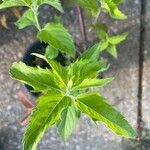
Monarda bradburiana
Eastern beebalm
Description
Source: leafsnapMonarda bradburiana, the eastern beebalm or Bradbury's beebalm, is a species of perennial flowering plant in the mint family, Lamiaceae, that is native to much of the southeastern United States.
🌳 Eastern Beebalm improves garden appearance and also serves an important role in supporting pollinators, particularly bees. Frequently noted for its ornamental qualities and minty-scented leaves, it is likewise valued for its contribution to sustaining pollinator populations. Beyond typical garden plantings, it appears in mixes for pollinator meadows, reinforcing the food web and helping local bee populations persist. This function is vital at a time when pollinator numbers are declining because of various environmental pressures.
Care Guide
💧 Water Every week
Eastern Beebalm thrives in moist environments, needing a constant supply of water and consistently damp soil. Although it has a moderate tolerance for drought, it benefits from weekly watering, particularly during its blooming period when water requirements increase to sustain its vibrant display.
☀️ Light Full sun
For healthy development, eastern Beebalm does best with abundant sunlight. Although it can tolerate spots with reduced sun, it thrives when given plenty of light. In its native range it grows in sun-drenched habitats. Uneven light exposure can result in either light-stress or stunted growth.
What are the sunlight requirements for Eastern Beebalm?
Eastern Beebalm requires a significant amount of sunlight to thrive, ideally in full sun conditions which mean above 6 hours of direct sunlight daily. It can also survive in partial sun, receiving about 3-6 hours of sunlight. This matches its native habitat which is accustomed to sun-drenched environments. However, it's important to monitor the sunlight patterns through your garden to ensure that your plants receive the right balance of light and shade, as this will significantly impact their growth and health.
How does artificial lighting support the growth of indoor Eastern Beebalm plants?
Indoor Eastern Beebalm plants require adequate lighting, especially when natural sunlight is insufficient. During periods with less natural light, like winter or in less sunny spaces, artificial lighting becomes essential. LED lights are recommended due to their ability to be customized to the specific wavelengths needed by the plants. Full sun plants need 30-50W/sq ft, partial sun plants need 20-30W/sq ft, and full shade plants need 10-20W/sq ft of light. The light source should be placed 12-36 inches above the plant to mimic natural sunlight, and the duration should match the natural daylight hours, generally 8-12 hours per day, to promote faster and healthier growth.
What are the common symptoms of inadequate light exposure in Eastern Beebalm?
When Eastern Beebalm does not receive enough light, several symptoms may emerge, indicating stress and poor health. These include new leaves growing smaller in size, leggy or sparse growth resulting in a weak appearance, faster leaf drop as the plant tries to conserve resources, slower or halted growth due to survival mode activation, lighter-colored new leaves suggesting a chlorophyll deficiency, and chlorosis leading to yellowing leaves. Excessive sunlight can also cause issues like sunscald, leaf curling as a defense against water loss, wilting from increased transpiration, and leaf scorching with brown, dry patches appearing on the leaves.
What solutions can help Eastern Beebalm plants experiencing light-related issues?
For indoor Eastern Beebalm plants struggling with inadequate light, gradually moving them to sunnier spots where they can receive at least 6 hours of sunlight daily is helpful. Utilizing south-facing windows and keeping curtains open during daylight are good practices. Artificial lighting, such as desk lamps or professional grow lights, should be considered, especially for larger plants that are not easily moved, ensuring they're on for at least 8 hours daily. Outdoors, moving plants gradually to sunnier locations can prevent sunburn by avoiding drastic light intensity changes. If obstructions like trees block sunlight, pruning can help. For smaller plants, consider transplanting them during their dormant period to a location with ample sunlight and good drainage.
🌡️ Temperature 5–32.2°C
Eastern Beebalm originates from temperate climates where temperatures range from 41 to 89.6 °F (5 to 32 ℃). It thrives in moderate temperatures, and if the weather fluctuates greatly, consider relocating the plant or altering its surroundings seasonally.
What is Eastern Beebalm and where is it native to?
Eastern Beebalm, botanically known as Monarda bradburiana, is native to temperate climates. It thrives in temperatures ranging from 41 to 89.6 °F (5 to 32 °C), preferring medium temperatures for optimal growth. Eastern Beebalm is recognized for its strong cold resistance, making it a versatile plant in various weather conditions.
How should Eastern Beebalm be cared for in winter?
Eastern Beebalm does not usually require special frost protection measures during winter due to its strong cold resistance. However, if temperatures are expected to drop below -25°C, it's important to take steps to protect the plant. This includes covering the plant with soil or straw and watering it abundantly before the first freeze, to ensure the soil remains moist throughout winter and prevents drought and water scarcity for the plant during the colder months and early spring.
What are the symptoms of Eastern Beebalm being affected by low temperatures?
Eastern Beebalm is relatively cold-tolerant, thriving best when the temperature stays above 5°C and should be kept above -20°C during winter. If temperatures fall below -25°C, there may not be immediate noticeable changes, but there could be a decrease in sprouting or a complete absence of sprouting come springtime. In such cases, the solution involves removing any parts of the plant that have failed to sprout in the spring.
How does high temperature affect Eastern Beebalm and what are the solutions?
During the summer, Eastern Beebalm should ideally be kept below 32°C. Exposure to temperatures exceeding 35°C can lead to leaves becoming lighter in color, prone to curling and sunburn, and in severe cases, the entire plant may wilt and become dry. To mitigate these issues, it's recommended to trim away the sunburned and dried-up parts of the plant, move it to a location with shade from the midday and afternoon sun, or use a shade cloth. Additionally, watering the plant in the morning and evening helps keep the soil moist, which is crucial for the plant's health in high temperatures.
💨 Humidity
🪴 Soil 6-7
🌱 Fertilizer
The best time to fertilize an Eastern Beebalm is in early spring, as it comes out of dormancy and begins active growth. Fertilization supplies essential nutrients for healthy development. Although Eastern Beebalm has fairly low fertilizer requirements, applying it once a year can boost its survival and encourage better, longer-lasting flowers.
🪴 Pot & Repot
✂️ Pruning
To promote healthy growth and improve airflow, Eastern Beebalm should be pruned from early to late spring. Remove dead stems and spent blooms to encourage a second round of flowering. Regular pruning helps prevent overcrowding and enhances the vibrancy of the display. However, avoid pruning too late in the season to ensure the blooms for the following year can thrive.
🌿 Propagating
🐛 Diseases & pets
☠️ Toxicity
Characteristics
- Plant Type
- Herb
- Life Cycle
- Perennial
- Genus
- Monarda
- Family
- Lamiaceae
- Hardiness Zone
- 5-8
- Mature Height
- 30 cm to 61 cm
- Mature Spread
- 30 cm to 61 cm
- Leaf Color
- Green, Gray, Silver
- Leaf Type
- Deciduous
- Flower Color
- Pink
- Flower Size
- 5.08 cm to 6.35 cm
- Bloom Time
- Early summer, Mid summer
- Planting Time
- Spring
- Harvest Time
- Mid summer