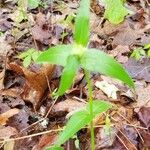
Monarda clinopodia
Basil beebalm · Beebalm · Wild bergamot · White Bergamot
Description
Source: leafsnapMonarda clinopodia, commonly known as white bergamot, basil bee balm or white bee balm, is a perennial wildflower in the mint family, Lamiaceae. This species is native to North America, ranging north from New York, west to Missouri, and south to Georgia and Alabama. M. clinopodia has also been introduced into Vermont and Massachusetts.
Care Guide
💧 Water
White bergamot flourishes in moist environments similar to its native habitat, needing weekly watering to stay healthy. It adapts well to outdoor conditions and benefits from seasonal rains. While it can tolerate moderate drought, it performs best when the soil is kept consistently moist. This plant is ideal for temperate gardens and is better suited for outdoor spaces than indoor ones.
How should I properly water my White bergamot plant?
To properly water the White bergamot plant, it is recommended to use filtered water at room temperature. Tap water may contain harmful particles, so it's best to avoid using it. The plant prefers warm temperatures, so using cold water can be a shock to its system. Additionally, it's important to avoid overhead watering as it can cause issues with the foliage. Instead, water the plant by applying filtered room temperature water directly to the soil until it is completely soaked. This helps to moisturize the roots and support their growth and nutrient collection.
What do I do if I give my White bergamot too much or too little water?
Overwatering is a common issue for White bergamot plants and can cause wilting, yellowing, and even diseases like root rot, mold, and mildew that can kill the plant. Underwatering is less common but still possible, resulting in brittle, brown leaves. It's important to recognize the signs of overwatering early and reduce watering immediately. If the soil doesn't drain well, replace it with a loose, well-draining potting mix. If underwatering is the problem, simply water more regularly until the signs improve.
How frequently should I water my White bergamot plant?
If your White bergamot plant is in a pot, the most precise way to determine if it needs water is by putting your finger in the soil. If the top two to three inches of soil are dry, it's time to water it. The same method can be used if you're growing White bergamot outdoors in the ground. If the top few inches of soil are dry, it's time to add water. Typically, during the spring and early fall, you'll need to water this plant about once a week. However, during extremely hot weather, you may need to water it twice a week or even more. It's worth noting that mature, well-established White bergamot plants can withstand drought well.
How often should I water my White bergamot?
When it's time to water your White bergamot plant, don't be afraid to give it a good amount of water. Make sure the first two to three inches of soil are dry before watering. Give enough water to completely soak the soil, and make sure excess water drains out through the bottom of the pot. If you don't see excess water draining, you haven't watered enough. However, be careful not to let water accumulate in the soil as it can harm the plant. If the water doesn't drain properly, it could mean the soil doesn't drain well, which is bad for this plant. If the plant is outside, one inch of rain per week is enough.
How should I water my White bergamot at different stages of growth?
The water needs of the White bergamot can vary depending on its growth stages. When the plant is young or has recently been transplanted, it requires more water to support the growth of new roots. These roots need extra moisture to thrive and support future growth. As the White bergamot becomes more established, it will require less water. Additionally, during the blooming period, the plant will need more water due to the increased demand for moisture during flower development.
☀️ Light Full sun
White bergamot is a sun-loving, perennial herbaceous plant native to open habitats, commonly flourishing in meadows and grasslands. It prefers full sun but can also tolerate partial sun.
What are the sunlight requirements for White bergamot?
White bergamot thrives under full sun conditions, requiring more than 6 hours of sunlight daily, but it can also tolerate partial sun, which means about 3-6 hours of sunlight each day. The presence or absence of sufficient sunlight significantly affects the plant's growth and health, highlighting the importance of choosing the right location in your garden or adjusting indoor lighting accordingly. Watch the movement of sunlight through your space to find the ideal balance of light and shade that will make your White bergamot happy.
What kind of lighting do indoor plants like White bergamot need?
Indoor White bergamot plants require adequate lighting to grow optimally, especially when natural sunlight is not sufficient. This can be common in winter or less sunny spaces. Artificial lighting, such as LED lights, can provide a vital solution by offering the specific wavelengths of light needed for plant growth. Full sun plants require 30-50W/sq ft of artificial light, partial sun plants need 20-30W/sq ft, and full shade plants may need 10-20W/sq ft. Position the light source 12-36 inches above the plant and mimic natural daylight hours, ensuring most plants receive 8-12 hours of light per day.
What are signs of insufficient light for White bergamot?
Symptoms of inadequate lighting in White bergamot include smaller new leaves, leggy or sparse growth, faster leaf drop, slower or halted growth, and paler or irregularly colored new leaves. Other signs include chlorosis—leaves turning yellow due to a breakdown of chlorophyll, sunscald with pale or necrotic areas on plant tissue, leaf curling as a defense against extreme sunlight, wilting from excessive water loss, and leaf scorching characterized by brown, dry edges on leaves.
How can I address light-related problems in White bergamot?
To optimize White bergamot's growth in terms of light, gradually introduce the plant to sunnier spots, aiming for at least 6 hours of direct sunlight daily. Use south-facing windows for indoor plants and keep curtains open. If natural light is insufficient or the plant is large, consider artificial plant grow lights for at least 8 hours daily. For outdoor plants, avoid sudden changes to prevent sunburn. If certain areas block sunlight, prune trees or move smaller plants to sunnier locations. Remember, parts of the plant that suffered from insufficient light may not recover, but new growth will be healthy with improved light conditions.
🌡️ Temperature 5–32.2°C
White bergamot can tolerate a wide range of temperatures, but its range may still be restricted by particular combinations of moisture and heat. It does best in warm summer conditions with sufficient rainfall or watering. Extended periods of cloudy, rainy weather, as well as prolonged high temperatures, increase the chance of White bergamot dying. In winter, adequate protection from cold can improve the plant's chances of survival.
What are the essential care requirements for White Bergamot?
White Bergamot (Monarda clinopodia) is resilient across a variety of temperature ranges, flourishing best in warm summer climates with adequate rainfall or watering. It possesses strong cold resistance and typically doesn't require special frost protection measures. However, in extremely cold winters with temperatures dropping below -30°C, it's crucial to protect the plant using soil or straw coverings. Ensuring the soil remains moist before the first freeze in autumn can prevent drought stress and water scarcity during the colder months. Despite its robustness, White Bergamot's survival can be challenged by prolonged cloudy, rainy weather or excessively high temperatures.
How does White Bergamot react to low temperatures, and what are the recommended solutions?
White Bergamot is noted for its cold tolerance, ideally thriving at temperatures above 5°C. In winter, efforts should be made to keep its environment above -25°C to avoid damage. It is worth noting that while the plant can survive temperatures as low as -30°C, exposure to such extremes might not affect it immediately but could result in reduced or absent sprouting come spring. The recommended solution for plants that have experienced severe cold and fail to sprout adequately in spring is to remove the non-sprouting parts to encourage new growth.
How should White Bergamot be cared for in high temperatures?
During the summer, it's important to ensure that White Bergamot's surrounding temperatures do not exceed 32°C, as exposure to temperatures above 35°C can lead to symptoms of distress such as lighter colored leaves, curling, susceptibility to sunburn, and, in extreme cases, wilting and drying of the entire plant. To mitigate these issues, it is advised to trim away sunburned and dried parts of the plant, relocate the plant to a shaded area or use a shade cloth to protect it from midday and afternoon sun, and maintain soil moisture by watering in the morning and evening.
💨 Humidity
🪴 Soil 6-8
🌱 Fertilizer
The best time to fertilize White bergamot is in early spring, as it comes out of dormancy and begins active growth. Fertilization supplies essential nutrients for healthy development. Although White bergamot has relatively low fertilizer requirements, applying fertilizer annually can improve its survival and encourage better, longer-lasting flowers.
🪴 Pot & Repot
✂️ Pruning
White bergamot is known for its aromatic leaves and striking white flowers. To maintain the plant's health and appearance, prune it from early to late spring. This involves removing dead stems and thinning crowded areas to improve air circulation. Deadheading, or removing spent flowers, can help extend the blooming period. Regular pruning encourages vigorous growth and enhances blooming, while also improving the plant's appearance. Be sure to adapt your pruning techniques based on the plant's health and the weather conditions.
🌿 Propagating
🐛 Diseases & pets
☠️ Toxicity
Characteristics
- Plant Type
- Herb
- Life Cycle
- Perennial
- Genus
- Monarda
- Family
- Lamiaceae
- Hardiness Zone
- 4-8
- Mature Height
- 0.61 m to 1.22 m
- Mature Spread
- 1.07 m
- Leaf Color
- Green
- Leaf Type
- Semi-evergreen
- Flower Color
- White
- Flower Size
- 5.08 cm
- Bloom Time
- Early summer, Mid summer
- Planting Time
- Spring
- Harvest Time
- Late summer, Early fall