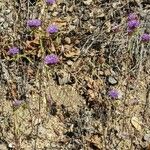
Monardella villosa
Coyote-mint
Description
Source: leafsnapMonardella villosa, commonly known as coyote mint, is a perennial herbaceous plant belonging to the mint family. Native to California, it thrives in diverse habitats such as chaparral, coastal sage scrub, and oak woodlands. The plant typically grows to a height of 1-2 feet and features a woody base with numerous fine-haired stems. The leaves of Monardella villosa are lance-shaped with serrated edges, emitting a strong minty aroma when crushed. From late spring through summer, the plant produces clusters of small lavender or pink tubular flowers that attract bees and butterflies. Coyote mint has a history of use by Native Americans for medicinal purposes, including the treatment of colds, headaches, stomachaches, and respiratory issues. Additionally, the leaves can be used fresh or dried for culinary purposes, such as making tea or seasoning foods. Monardella villosa is a valuable addition to any garden, especially because of its drought tolerance once established. It attracts beneficial insects like bees, aiding in the pollination of other plants while offering an appealing display of color during its blooming season.
🎭 Wealth, Affection, Desire
Care Guide
💧 Water Every 7 days
Coyote Mint flourishes in dry chaparral and woodland environments, where it is well-adapted to intermittent moisture but generally favors dry conditions. This drought-tolerant plant requires weekly watering and thrives in well-draining soil. Its growth cycle is synchronized with seasonal rainfall, affecting both its active growth stages and dormancy periods.
☀️ Light Full sun
Coyote Mint flourishes with a generous daily dose of sunlight, mirroring its natural habitat conditions. Even though it can survive diverse lighting situations, its healthiest growth is promoted by constant exposure to sunlight. Nevertheless, too much sunlight can lead to burned leaves, and a lack of enough light can obstruct its vigorous growth.
What are the sunlight requirements for Coyote Mint?
Coyote Mint requires full sun, which means it should receive above 6 hours of sunlight daily. This condition emulates its native habitat environment, promoting optimal growth. Although Coyote Mint can adapt to various light conditions, too much sunlight may cause foliage scorching, while insufficient sunlight hampers its growth. It's important to observe your garden's light conditions throughout the day and choose locations that offer a balance of light and shade to ensure the well-being of your plants.
How do I use artificial lighting for indoor Coyote Mint plants?
Indoor Coyote Mint plants require adequate lighting, especially when natural sunlight is insufficient. Artificial lights, such as LED lights, can supplement natural light by delivering the necessary wavelengths for plant growth. The recommendations for artificial lighting are: full sun plants need 30-50W/sq ft, partial sun plants 20-30W/sq ft, and full shade plants 10-20W/sq ft. The light source should be placed 12-36 inches above the plant, mimicking natural sunlight. Ensure your plant receives 8-12 hours of light per day to promote healthy growth.
What are the symptoms of inadequate lighting for Coyote Mint?
Coyote Mint may exhibit several symptoms when exposed to inadequate lighting, including smaller new leaves, leggy or sparse growth, faster leaf drop, slower or no new growth, lighter-colored new leaves, chlorosis, sunscald, leaf curling, wilting, and leaf scorching. These symptoms reflect the plant's struggle to adapt to low light conditions, causing a range of growth and health issues. It's essential to monitor your plant's condition and adjust its light exposure accordingly.
How can I address light-related issues for Coyote Mint?
To optimize Coyote Mint's growth in response to light-related issues, consider gradually moving the plant to sunnier locations, ensuring it receives at least 6 hours of direct sunlight daily. For indoor plants, use south-facing windows or supplementary artificial lighting for at least 8 hours daily. For outdoor plants, adjust their location gradually to prevent sunburn. Additionally, you can reduce obstructions or transplant smaller plants to sunnier spots with good drainage. Note that parts of the plant damaged by insufficient light may not recover, but new growth should be healthy with proper light exposure.
🌡️ Temperature 15–35°C
Coyote Mint is indigenous to regions where the temperatures vary between 59 and 95°F (15 to 35℃). The plant thrives in moderate weather conditions and has the ability to adapt to different seasons, however, it is less resilient to drastic changes in temperature.
What is the native environment of Coyote Mint?
Coyote Mint, known botanically as Monardella villosa, thrives in environments with temperatures ranging between 59 to 95°F (15 to 35°C). It is native to mild climates and has the capability to adjust to seasonal changes, although it is less tolerant of extreme temperature fluctuations. Its strong cold resistance means it does not usually require special frost protection measures in winter.
How should Coyote Mint be cared for during extremely cold winters?
During winters where temperatures are expected to drop below -15°C, it is important to provide Coyote Mint with protection against the cold. This can be done by covering the plant with soil or straw to insulate it from the frost. Additionally, watering the plant abundantly before the first freeze in autumn ensures the soil stays moist and enters a frozen state, which helps prevent drought and water scarcity for the plant during the colder months and into early spring.
What are the symptoms of Coyote Mint when exposed to low temperatures?
Coyote Mint is fairly cold-tolerant and performs best when temperatures remain above 15°C. Throughout the winter, it's important to keep the temperature above -10°C. If temperatures fall below -15°C, there may not be noticeable changes during the winter; however, there might be a reduction in sprouting or a complete lack thereof come spring. The recommended solution for any parts of the plant that have failed to sprout by spring is to remove them.
How does Coyote Mint react to high temperatures, and what are the solutions?
Coyote Mint should ideally be kept below 35°C during the summer. When temperatures rise above 41°C, the plant's leaves may lighten, curl, become prone to sunburn, and in severe cases, the entire plant may wilt and dry out. The solution is to trim away the sunburned and dried-up parts of the plant. Moving the plant to a shaded location or using a shade cloth can protect it from midday and afternoon sun. Ensuring the soil is moist by watering in the morning and evening can also help the plant cope with the heat.
💨 Humidity
🪴 Soil 6-7
🌱 Fertilizer
The optimal period to fertilize Coyote Mint is during the start of spring, which is when it's transitioning from dormancy to active growth. Fertilization supplies essential nutrients for robust growth. Despite Coyote Mint having comparatively lesser fertilization requirements, providing it with fertilizer annually could improve its lifespan and encourage the production of superior, more enduring flowers.
🪴 Pot & Repot
✂️ Pruning
For healthier and more vibrant Coyote Mint, prune the plant from early to late spring. After the flowers have bloomed, trim the spent blooms to encourage additional flowering. Light pruning can help control the plant's growth. Be sure to use clean, sharp tools to minimize the risk of disease and support healthier foliage.
🌿 Propagating
🐛 Diseases & pets
☠️ Toxicity
Characteristics
- Plant Type
- Herb, Shrub
- Life Cycle
- Perennial
- Genus
- Monardella
- Family
- Lamiaceae
- Hardiness Zone
- 7-10
- Mature Height
- 30 cm
- Mature Spread
- 49 cm to 91 cm
- Leaf Color
- Green, Dark Green
- Leaf Type
- Semi-evergreen
- Flower Color
- Lavender, Pink
- Flower Size
- 1.02 cm to 4.06 cm
- Bloom Time
- Late spring, Early summer, Mid summer
- Planting Time
- Spring
- Harvest Time
- Late summer, Early fall, Mid fall