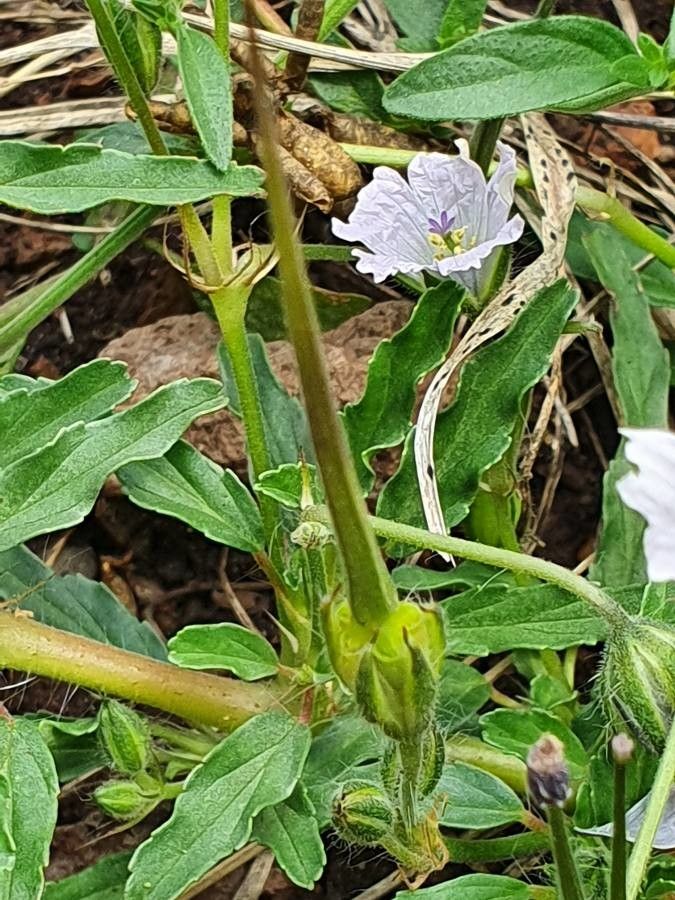
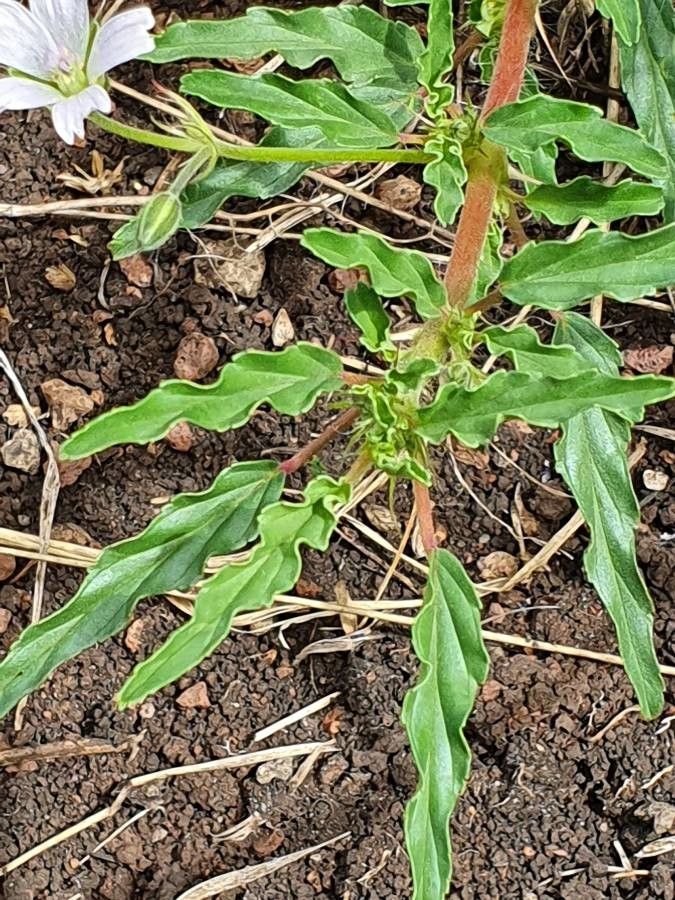
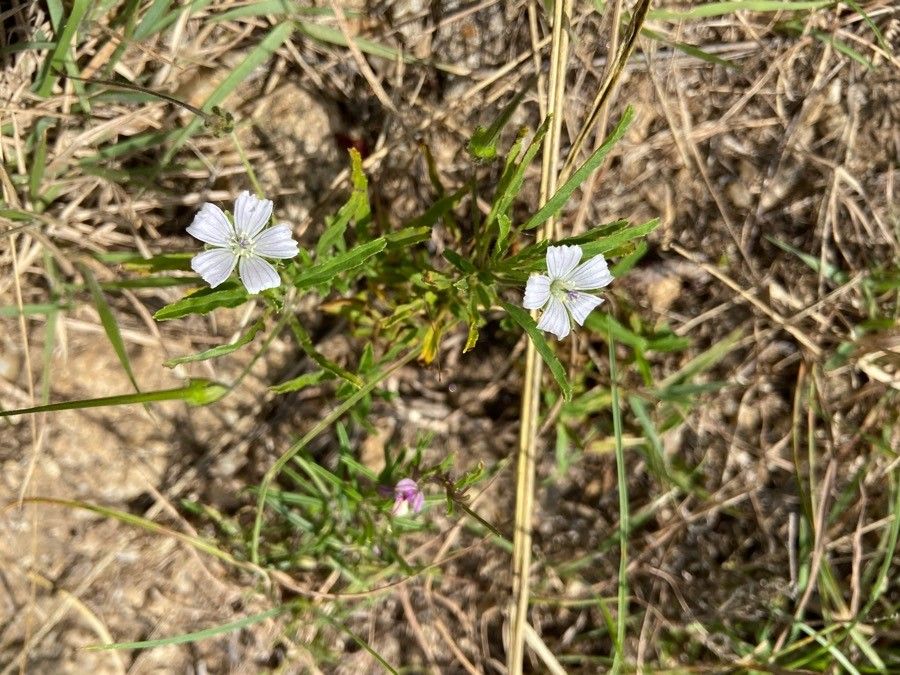
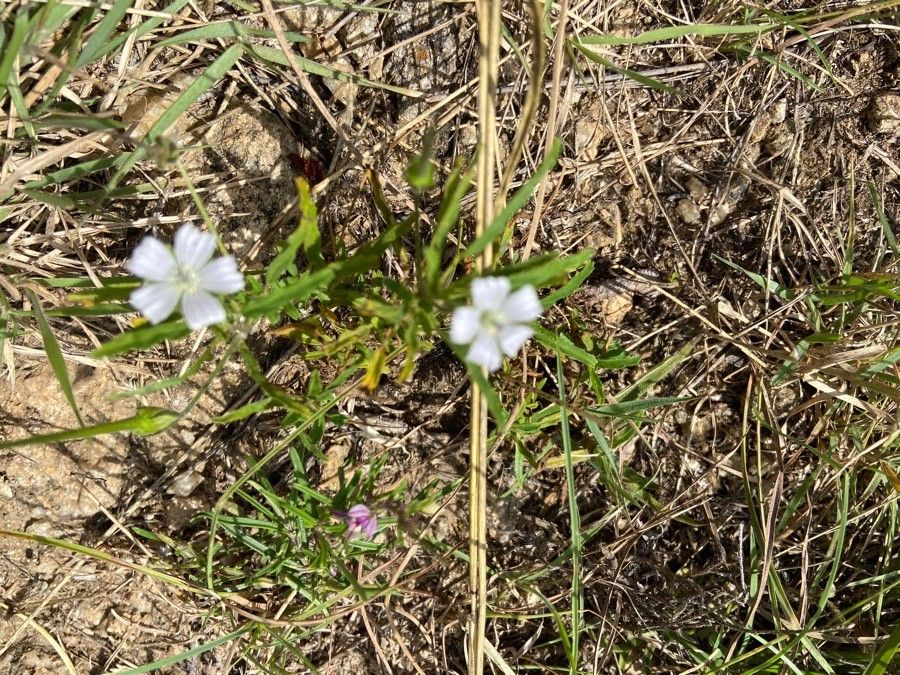
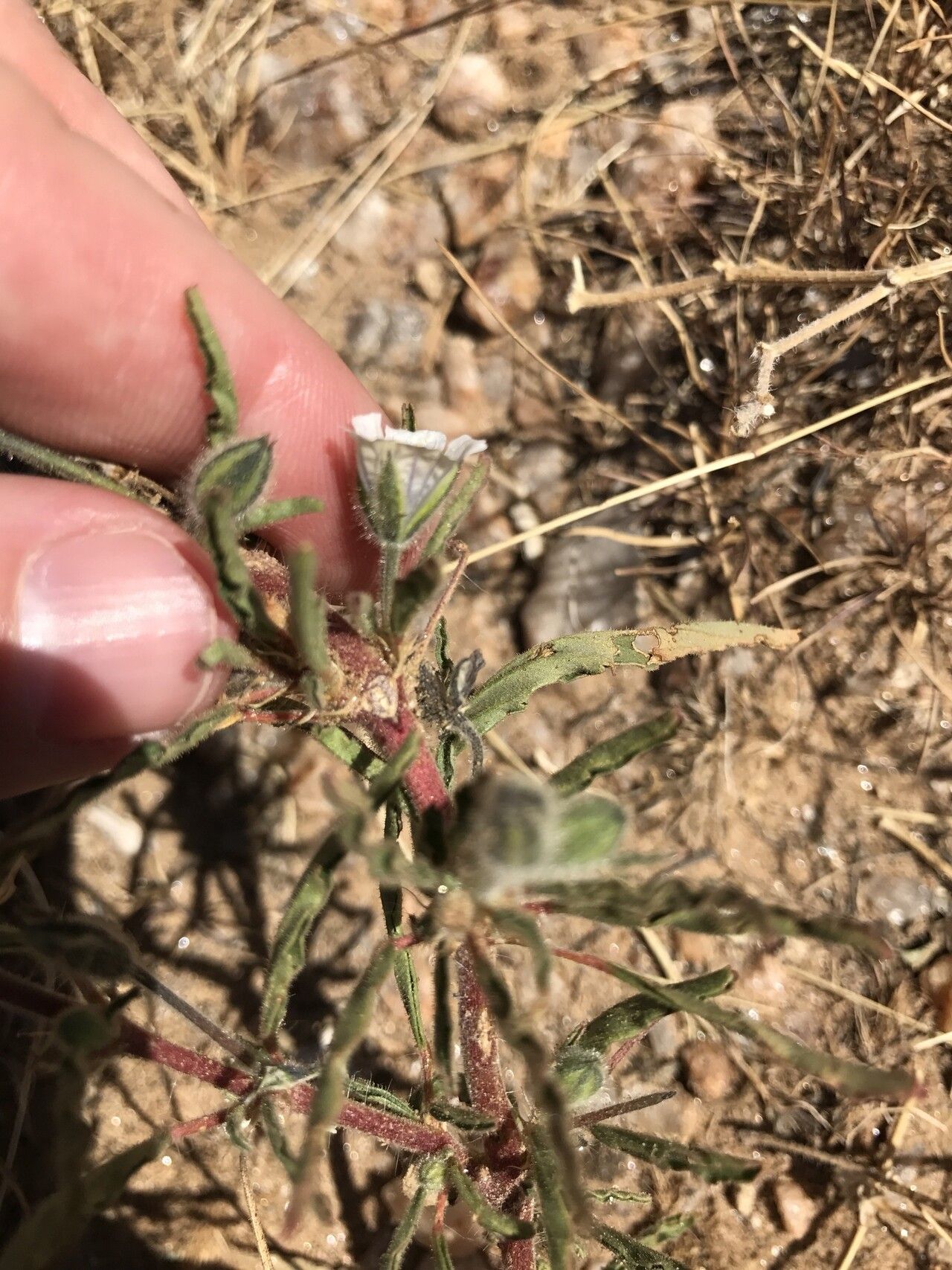
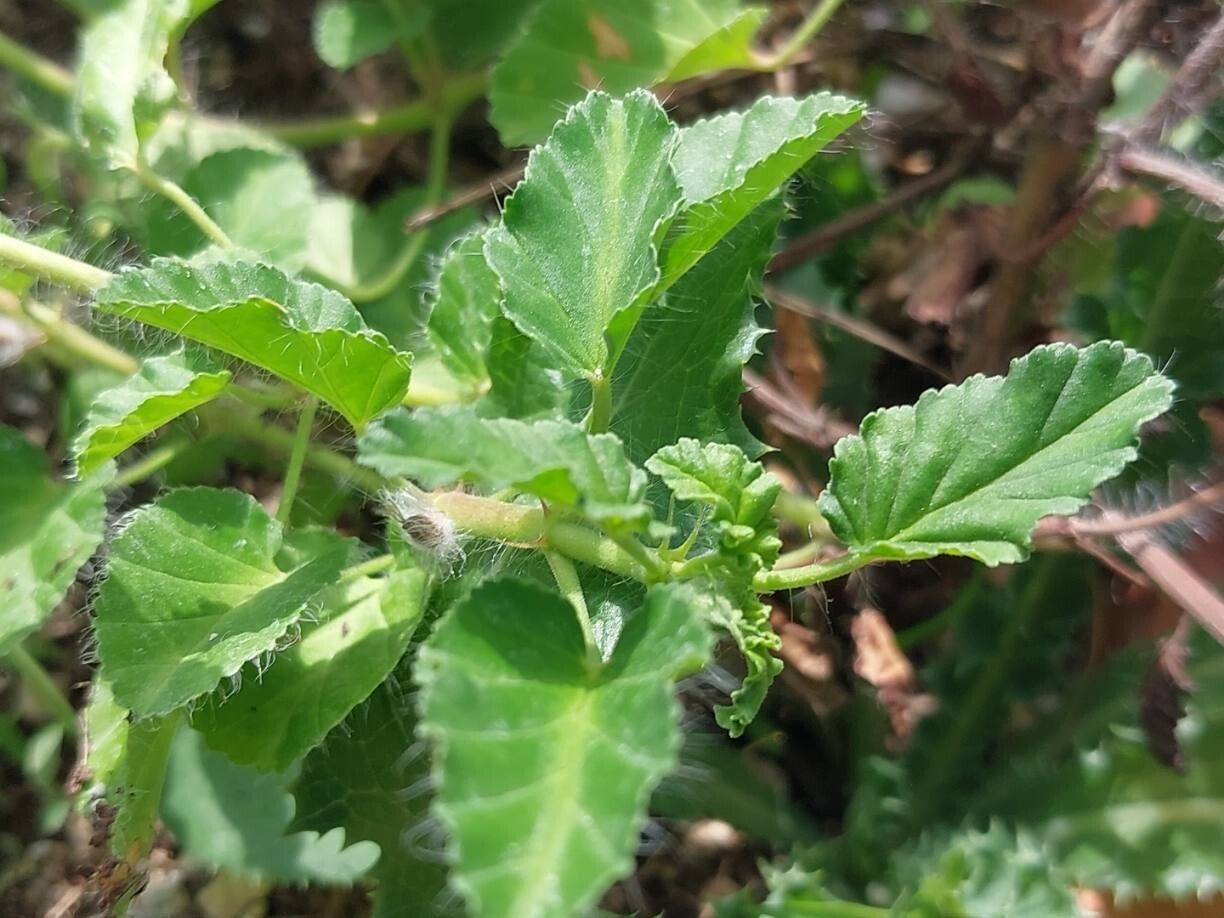
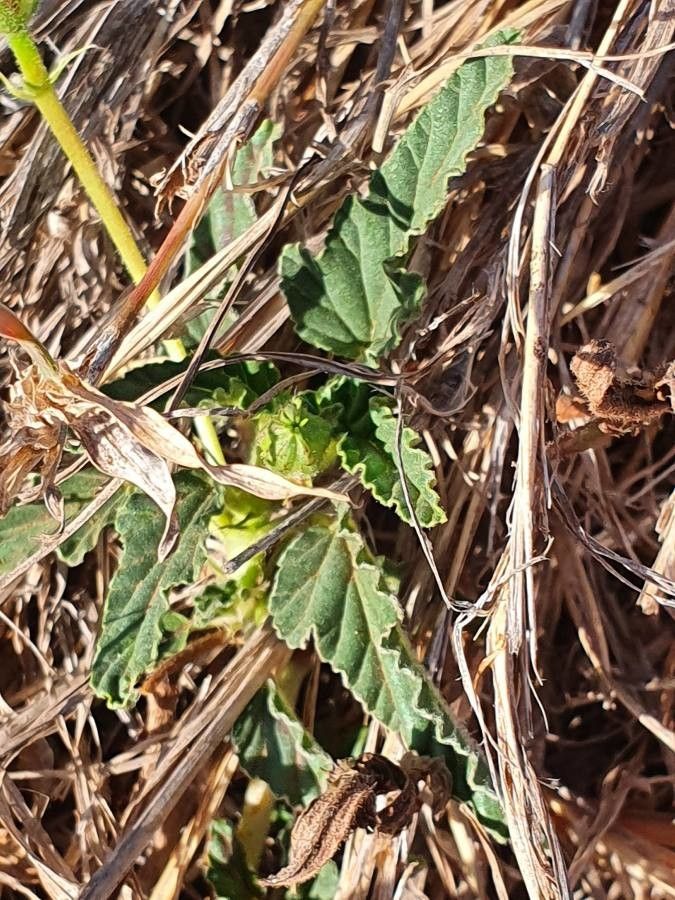
Monsonia angustifolia is a small, perennial plant belonging to the Geraniaceae family. Native to southern Africa, it is found in countries including South Africa, Namibia, and Botswana. Typically, this plant grows up to 30 cm in height and features narrow leaves arranged alternately along its stem.
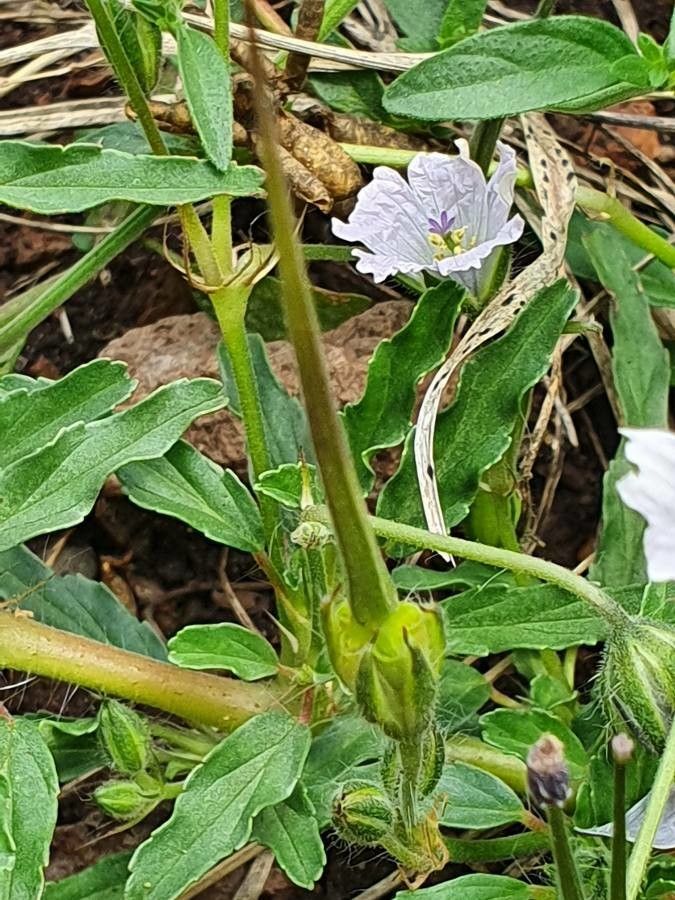
Monsonia angustifolia produces small pink or white flowers that bloom from spring through summer, followed by small fruits containing numerous seeds.
The plant is well-regarded in traditional medicine for its diverse medicinal properties. It has been used to treat a variety of ailments such as stomach disorders, respiratory infections, and skin conditions.
Beyond its medicinal applications, Monsonia angustifolia also has culinary uses. The plant’s leaves can be consumed as a vegetable or used to enhance the flavor of soups.
Overall, Monsonia angustifolia is a significant plant with important medicinal and culinary uses in southern Africa.
Pink monsonia has strong resistance to disease and is typically not prone to illnesses. Still, it can be vulnerable to pests and diseases present in its environment. These problems are generally not severe. Care-wise, this plant needs moderate upkeep. It requires regular pruning to keep a neat appearance and support healthy growth. Fertilizing can also help encourage flowering. Pink monsonia is appropriate for anyone with outdoor space, such as a garden or patio, and does not demand extensive care experience. It may need extra attention when grown indoors.
How to keep Monsonia Angustifolia.
Light
Pink monsonia is a sun-loving perennial herbaceous plant native to open habitats, frequently flourishing in meadows and grasslands. It prefers full sun but can also tolerate partial sun conditions.
Temperature
Pink monsonia comes from tropical areas, which generally have warm, humid climates. As a result, it is adapted to high temperatures and humidity. It does not tolerate sudden temperature changes and prefers a steady temperature, so avoiding indoor temperature fluctuations is important. It usually cannot withstand cold and needs warmer conditions to grow. If the surrounding temperature falls too low, the plant may stop growing or even die.
Fertilizer
Correct fertilization is essential for Pink monsonia's health and appearance. Fertilize Pink monsonia in summer, applying it once a month throughout the season. Nutrients support growth and sustain the plant's parts. Fertilization improves Pink monsonia's flower display, helping it achieve its best blooms.
Pruning
To help pink monsonia thrive, it's important to prune it early in the spring. This pruning removes dead stems and encourages new growth. When pruning, concentrate on cutting back old wood to maintain a compact shape and promote vigorous blooms. Additionally, improved air circulation from proper pruning reduces the risk of disease. Always use clean, sharp tools to ensure precise cuts, which will enhance the plant's health and extend its blooming period.
Botanical profile.
- Plant Type
- Herb
- Life Cycle
- Perennial
- Genus
- Monsonia
- Family
- Geraniaceae
- Hardiness Zone
- 9-11
- Mature Height
- 30 cm to 61 cm
- Mature Spread
- 20 cm to 40 cm
- Leaf Color
- Green
- Leaf Type
- Deciduous
- Flower Color
- Lavender
- Flower Size
- 2.03 cm to 3.05 cm
- Bloom Time
- Spring, Early summer
- Planting Time
- Spring, Summer, Autumn
- Harvest Time
- Late spring, Summer
- Native Area
- Malawi, Somalia, Lesotho, South Africa, Zambia, Namibia, Madagascar, Eritrea, Nigeria, Kenya, Uganda, Tanzania, Zimbabwe, Mozambique, Eswatini, Ethiopia, Congo (DRC), Botswana
Other names.