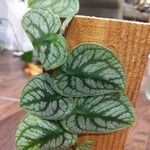
Monstera dubia
Wall painting creeper
Description
Source: leafsnapMonstera dubia is a species of plant in the genus Monstera native to Central and South America. M. dubia is known for the dramatic transformation its foliage makes as it climbs from seed stage on the forest floor, to shingling closely up a host tree trunk or other surface, until mature leaves with fenestrations similar to Monstera deliciosa appear. This transformation is an example of leaf dimorphism. Dubia refers to dubious, because authors were not certain that the species fell within the genus Marcgravia, where it was initially placed.
Care Guide
💧 Water 1-2 times a week
To properly care for your Monstera dubia, it is recommended to water it when the top 2 inches of the potting medium become dry. When watering, thoroughly water, allowing excess moisture to drain from the pot. This helps prevent waterlogging and promotes healthy root growth. Monstera dubia is known to tolerate slight neglect when it comes to watering, and occasional drying out of the soil won't cause immediate harm, especially during winter. However, avoiding letting the soil dry out excessively is generally advisable. Consistency in maintaining adequate moisture levels is beneficial for the plant's overall health.
☀️ Light Partial sun
Dubia is native to habitats like forest understories and rocky areas, where it experiences natural shade. It prefers partial sun but can adapt to full sun or full shade, illustrating its versatile and hardy nature.
🌡️ Temperature 20–37.8°C
Dubia comes from tropical areas, where the climate is generally warm and humid. Consequently, it is well-suited to high temperatures and moisture. It does not tolerate sudden temperature shifts and prefers a steady thermal environment, so avoiding temperature fluctuations indoors is important. It usually cannot endure cold and requires warmer conditions to grow. If the surrounding temperature falls too low, the plant may stop growing or even die.
💨 Humidity high (>60%)
This plant needs special care because it loves high humidity levels of 60-80% or more. The best way to achieve this is by placing a humidifier near the plant. Daily misting is also essential! Make sure the room has good ventilation.
🪴 Soil 5-6
🌱 Fertilizer
Proper fertilization is essential for Dubia's health and appearance. Fertilize Dubia in summer, repeating the treatment monthly throughout the season. Nutrients supply the energy for growth and help maintain the plant's structures. Fertilization improves Dubia's floral display, ensuring the best blooms.
🪴 Pot & Repot Once a year
Repot Dubia in spring or summer when temperatures are warm enough, choosing a slightly larger pot with good drainage. Water thoroughly after repotting and place it in bright, indirect light. Consider adding a moss pole for support as the plant grows.
✂️ Pruning
As your Monstera Dubia gradually creeps and rises, it will likely need some kind of maintenance trimming after it has reached its full maturity. This is a plant that develops slowly and may need very little or almost no trimming in its early stages.
🌿 Propagating
🐛 Diseases & pets
☠️ Toxicity
Keep in mind that the Monstera Dubia is inherently poisonous; this is an important fact about the plant. As a result of this, you need to be very careful while tending to this vine, and you should also make sure that neither your children nor your animals get anywhere near this plant.
Characteristics
- Plant Type
- Herb, Vine
- Life Cycle
- Perennial
- Genus
- Monstera
- Family
- Araceae
- Hardiness Zone
- 9-11
- Mature Height
- 24.99 m
- Mature Spread
- 10.06 m
- Leaf Color
- Green, Silver
- Leaf Type
- Evergreen
- Flower Color
- Pink
- Flower Size
- 10.16 cm to 15.24 cm
- Bloom Time
- Summer, Early fall
- Planting Time
- Summer
- Harvest Time
- Late summer, Fall
- Native Area
- Colombia, Honduras, Mexico, Bolivia, Venezuela, Peru, Brazil, Nicaragua, Ecuador, Costa Rica, Panama