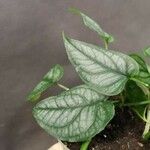
Monstera siltepecana
برگ چرمی · Monstera peru · Silver Monstera
Description
Source: leafsnapMonstera siltepecana is a tropical climbing vine native to the rainforests of Central and South America. It can grow up to 20 feet tall, featuring heart-shaped leaves that are dark green with a velvety texture. The leaves have distinct light green veins, giving them a unique and striking appearance. This plant is popular as an indoor houseplant because of its attractive foliage and ease of care. It thrives in bright, indirect light and requires well-draining soil with regular watering. In warm climates with high humidity, Monstera siltepecana can also be grown outdoors. Beyond its ornamental value, Monstera siltepecana has been used for medicinal purposes by indigenous communities for centuries. The plant contains compounds known to have anti-inflammatory properties, which may be beneficial in treating various ailments. Overall, Monstera siltepecana is a beautiful tropical plant that enhances both indoor and outdoor spaces while potentially offering health benefits.
Care Guide
💧 Water Every 7 days
To properly care for your plant, allowing the top 2 inches of compost to dry out between waterings is recommended. You can check the moisture level by inserting your finger into the container and ensuring it is slightly dry before watering again. It is essential to strike a balance, avoid overwatering, and let the compost completely dry out. Avoid leaving the plant in a saucer of water, as this can lead to root rot, characterized by brown mushy roots, yellowing leaves, and stunted growth. This can be detrimental to the overall health of the plant. In practice, your plant will likely require watering approximately once a week to once a fortnight, with slightly less frequent watering during winter when the plant's growth slows down.
☀️ Light Partial sun
The Silver Monstera naturally occurs in habitats like forest understories or rocky areas that offer natural shade. It prefers partial sun but can tolerate both full sun and full shade, highlighting its adaptable, hardy nature.
🌡️ Temperature 20–41.1°C
Silver Monstera is native to tropical areas, where the climate is generally warm and humid. Consequently, it is well adapted to high temperatures and humidity. It does not tolerate sudden temperature changes and prefers a stable temperature environment, so it is important to avoid indoor temperature fluctuations. It usually cannot withstand cold temperatures and needs higher temperatures for growth. If the surrounding temperature drops too low, the plant may stop growing or even die.
💨 Humidity
🪴 Soil 5-6
🌱 Fertilizer
Silver Monstera needs the most fertilizer during its active growth period, which occurs mainly in spring, summer, and early fall. Fertilization is required to supply essential nutrients the soil may lack, supporting healthy root and stem development as well as the attractive foliage that is a key feature of this plant.
🪴 Pot & Repot Once a year
Repot Silver Monstera in spring or summer once it's warm enough, choosing a slightly larger pot with good drainage. After repotting, water thoroughly and place it where it will receive bright, indirect light. Consider adding a moss pole to support the plant as it grows.
✂️ Pruning
The Silver Monstera plant takes minimal care, and trimming is more for cosmetic purposes. If permitted to dangle, you may need to clip the vines if they get too long. You may also remove any yellow, dead, or damaged leaves.
🌿 Propagating
🐛 Diseases & pets
☠️ Toxicity
The Silver Monstera plant is harmful to both people and pets. It may induce discomfort and swelling in the mouth, tongue, and lips; vomiting; excessive drooling; and difficulties swallowing if consumed.
Characteristics
- Plant Type
- Herb, Vine
- Life Cycle
- Perennial
- Genus
- Monstera
- Family
- Araceae
- Hardiness Zone
- 10-13
- Mature Height
- 0 cm to 8 cm
- Mature Spread
- 49 cm
- Leaf Color
- Green, Silver
- Leaf Type
- Evergreen
- Flower Color
- White, Green
- Bloom Time
- Summer, Early fall
- Planting Time
- Spring, Summer, Autumn
- Harvest Time
- Late summer, Fall
- Native Area
- Belize, Honduras, Mexico, Guatemala, El Salvador, Nicaragua, Costa Rica