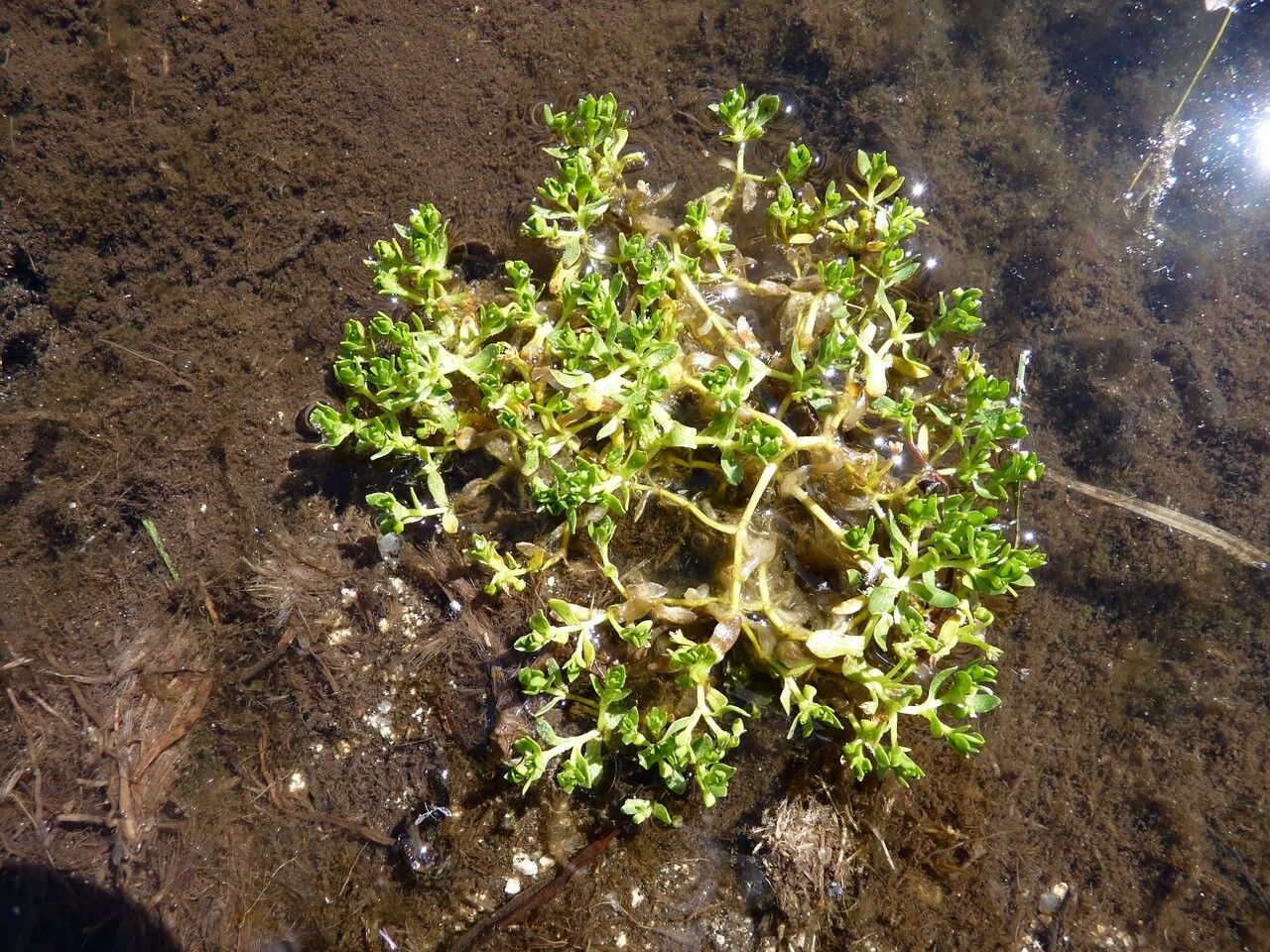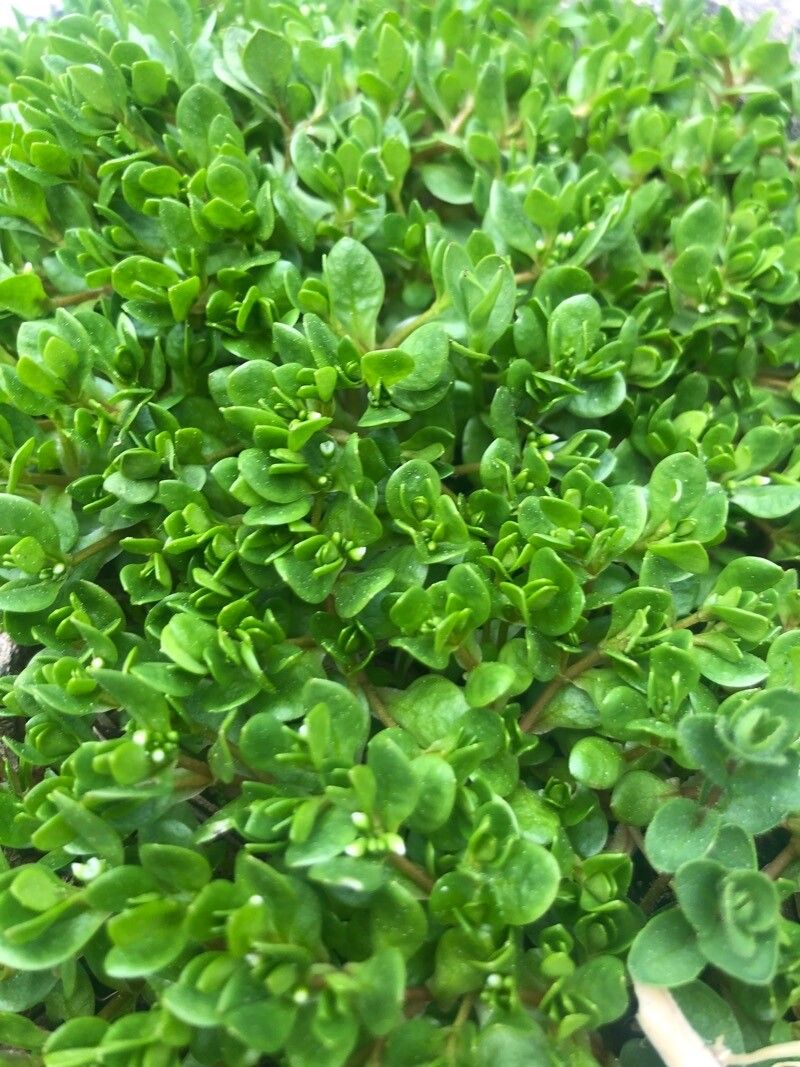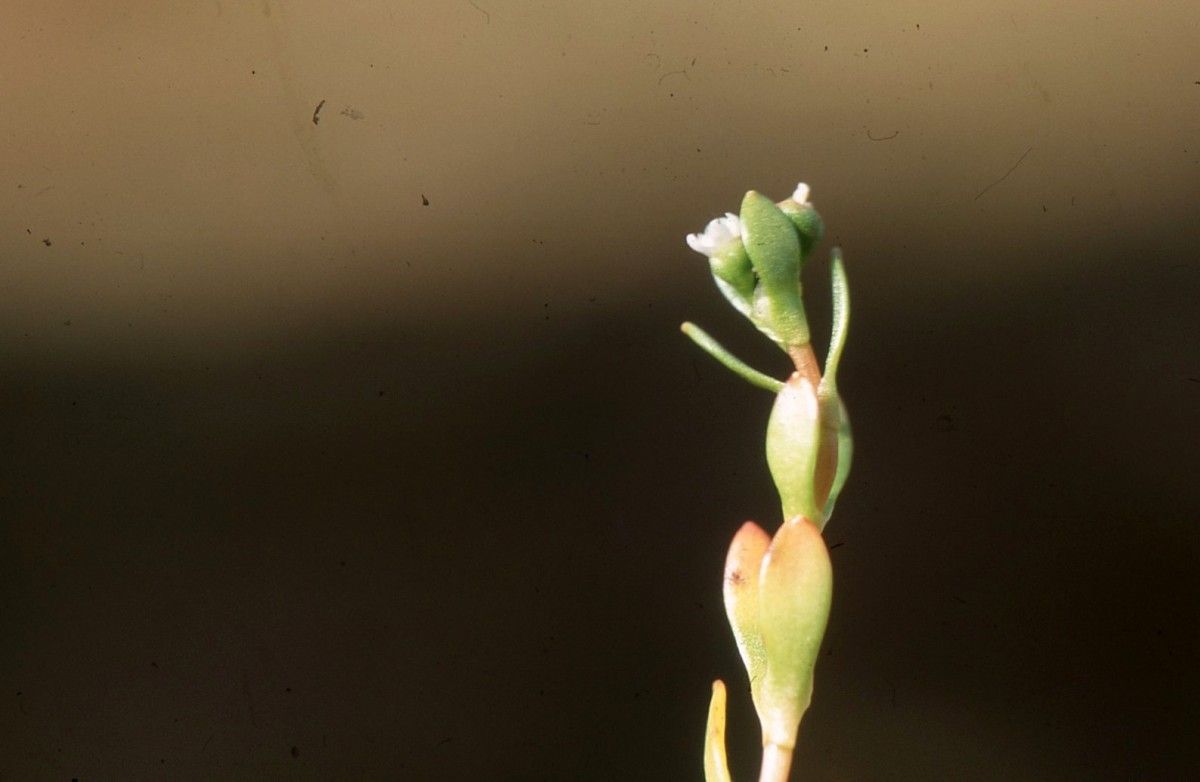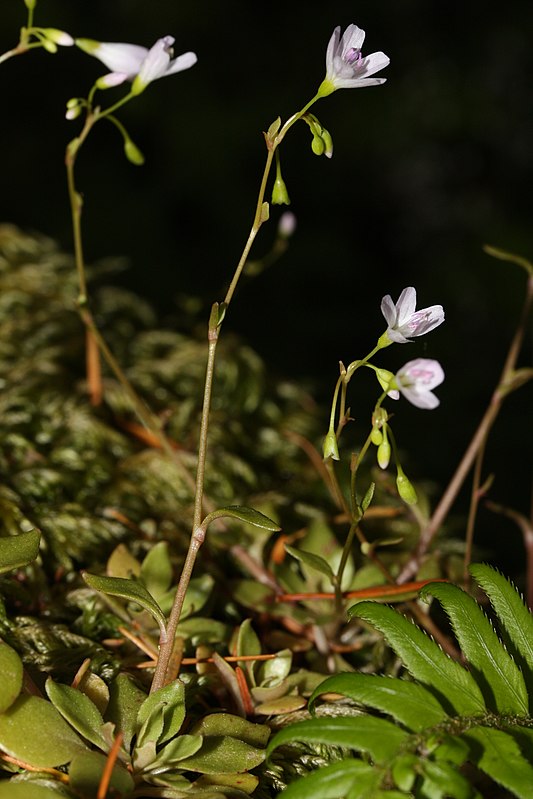
Montia parvifolia, commonly known as small-leaved montia, is a delicate and attractive plant species belonging to the Montiaceae family. This small herbaceous plant grows up to 10 cm in height and features tiny, oval-shaped leaves arranged in opposite pairs along the stem. The bright green leaves have a glossy surface that adds to their charm.
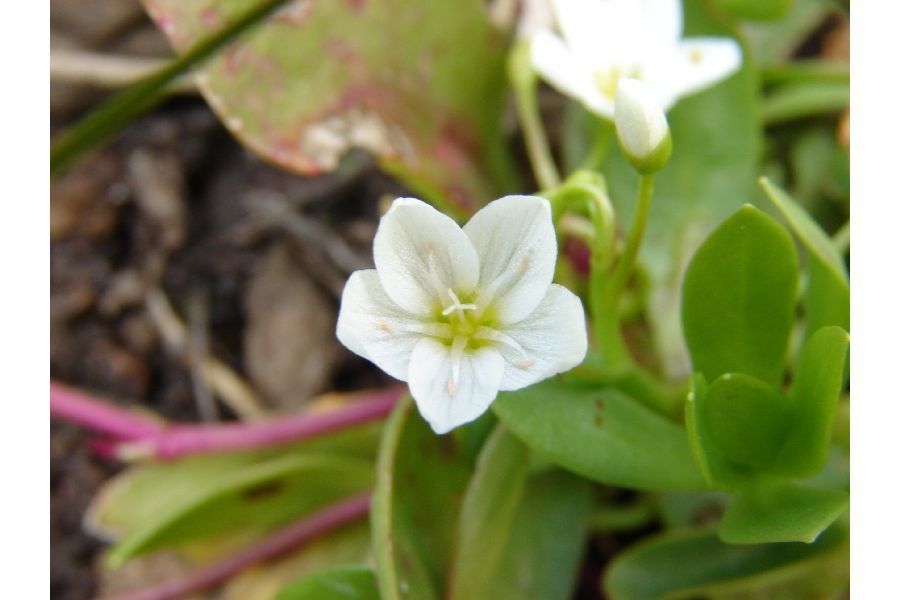
Montia parvifolia produces small white flowers that bloom from late spring to early summer, forming clusters at the tips of each stem. Each flower has five petals and measures approximately 3-4 mm in width.
Native to western North America, this plant thrives in moist habitats such as meadows, stream banks, and wetlands. It prefers cool temperatures and moderate sunlight exposure.
Indigenous people have utilized Montia parvifolia for its medicinal properties to treat various ailments, including colds, coughs, sore throats, and stomach problems, due to its anti-inflammatory benefits.
Beyond its medicinal uses, Montia parvifolia plays an important ecological role by providing food for insects like bees, which help pollinate nearby plants. Its delicate beauty and ecological significance make Montia parvifolia a fascinating addition to any garden or natural area, appealing to both gardeners and nature enthusiasts alike.
Littleleaf miner's-lettuce shows moderate resistance to disease but can be affected by problems such as leaf spot. Its level of vulnerability to insect pests varies by variety, although most types are relatively less resistant to pests. Concerning care, Littleleaf miner's-lettuce requires consistent watering and fertilizing, along with frequent removal of yellow leaves. It is necessary to manage pests and diseases when they occur and to harvest the plant promptly. Littleleaf miner's-lettuce is well suited to people who can invest some time and effort in regular maintenance.
How to keep Montia Parvifolia.
Light
Littleleaf miner's‑lettuce is native to habitats like forest understories and rocky spots that offer natural shade. It prefers partial sunlight but can tolerate full sun when necessary. This flexibility enables it to thrive under a range of light conditions.
Temperature
Littleleaf miner's‑lettuce grows best in moderate temperatures, about what most people find comfortable. It prefers conditions that are neither too hot nor too cold. The primary problem with high heat is the increased chance of sunburn, so providing some shade in summer is recommended to avoid excessive temperatures. As temperatures fall, the plant becomes dormant; to sustain continual growth you need to keep temperatures higher through the winter. Frost can injure the plant and should be avoided.
Fertilizer
To maximize the yield and flavor of Littleleaf miner's‑lettuce, provide ample nitrogen throughout the growth cycle, including pre-planting and at harvest. Well‑watered and properly fertilized plants produce abundant, healthy leaves and reduce bitterness. Before planting, enrich the soil with organic matter such as compost or manure, ideally 2 to 8 weeks in advance.
Pruning
Littleleaf miner's-lettuce is known for its delicate leaves and compact growth habit. To maintain a healthy plant, it's best to prune between early and late spring. Start by removing any dead or damaged foliage, and thin out crowded areas to improve air circulation. Be sure to use clean, sharp tools to reduce the risk of disease. This will enhance the plant's appearance and vigor throughout the growing season.
Botanical profile.
- Plant Type
- Herb
- Life Cycle
- Annual
- Genus
- Montia
- Family
- Montiaceae
- Hardiness Zone
- 5-8
- Mature Height
- 15 cm to 30 cm
- Mature Spread
- 10 cm to 20 cm
- Leaf Color
- Green, Dark Green
- Leaf Type
- Evergreen
- Flower Color
- White, Pink
- Flower Size
- 0.51 cm to 0.76 cm
- Bloom Time
- Mid spring, Late spring, Early summer
- Planting Time
- Spring
- Harvest Time
- Summer