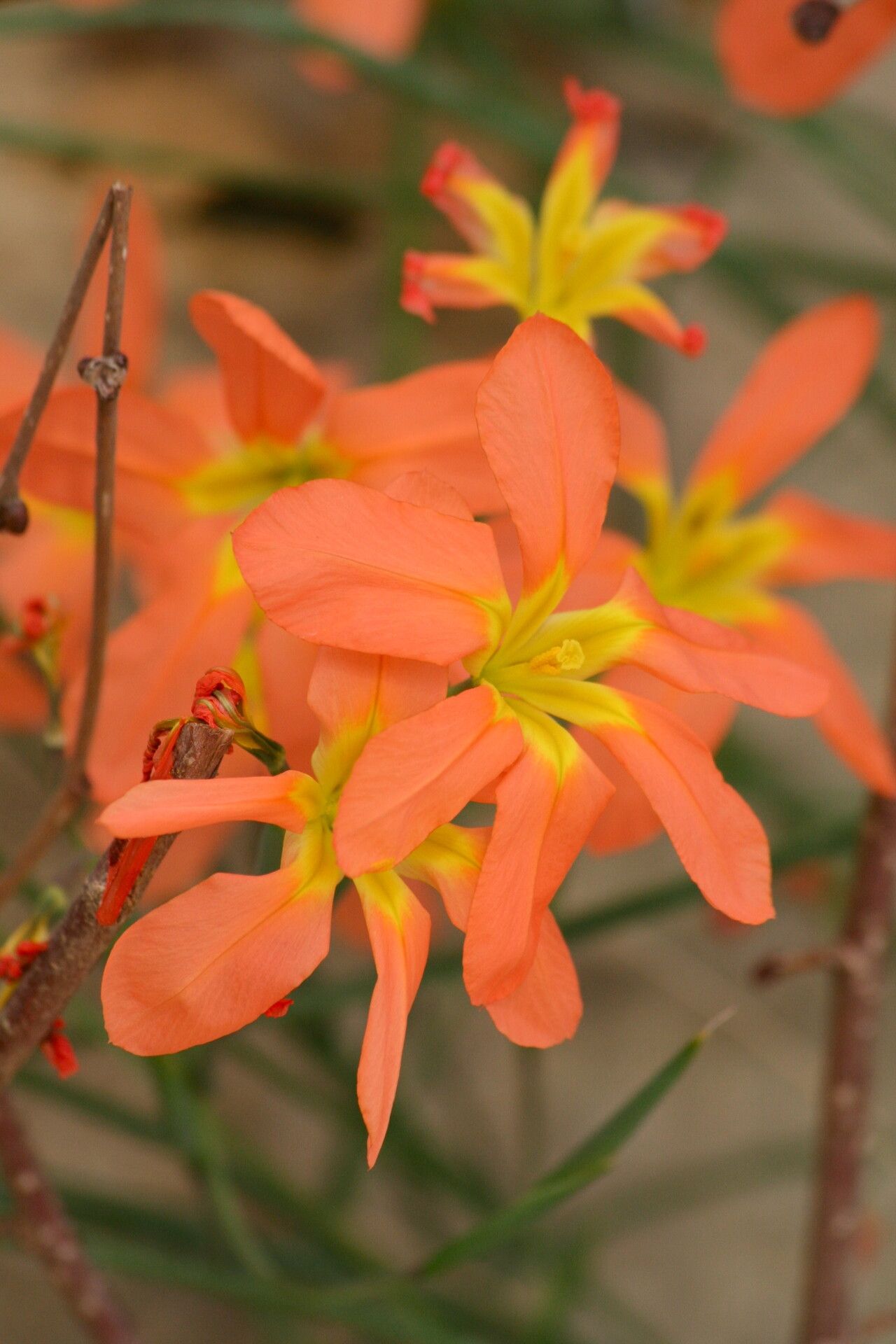
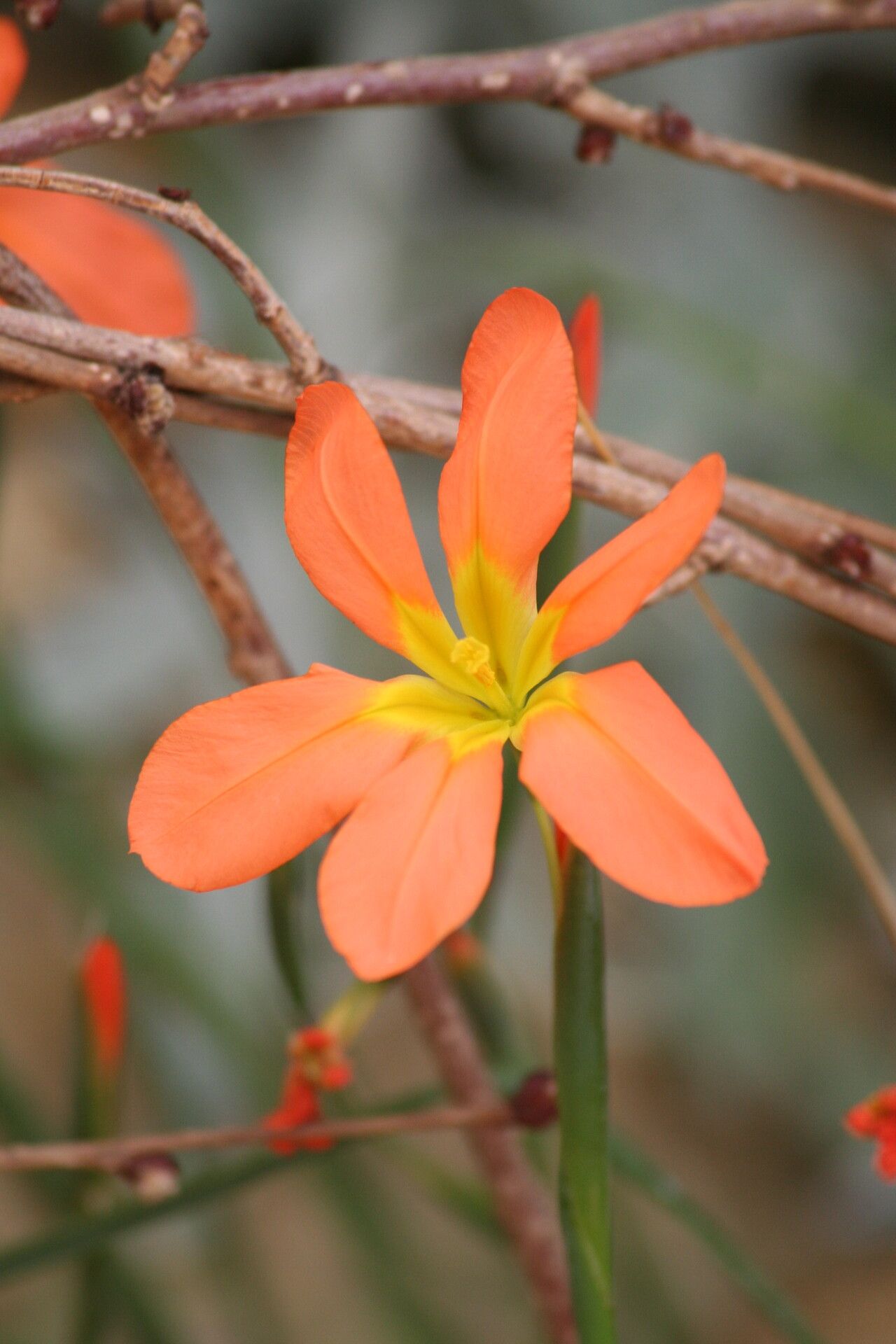
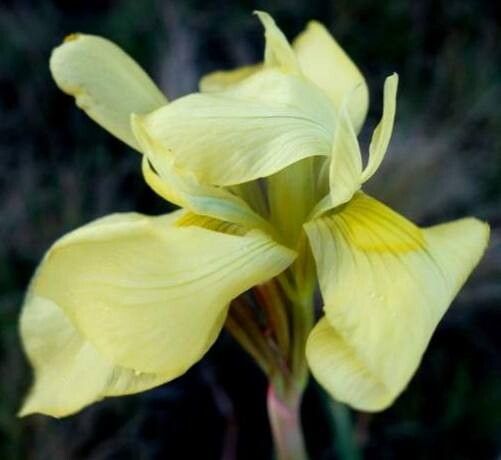
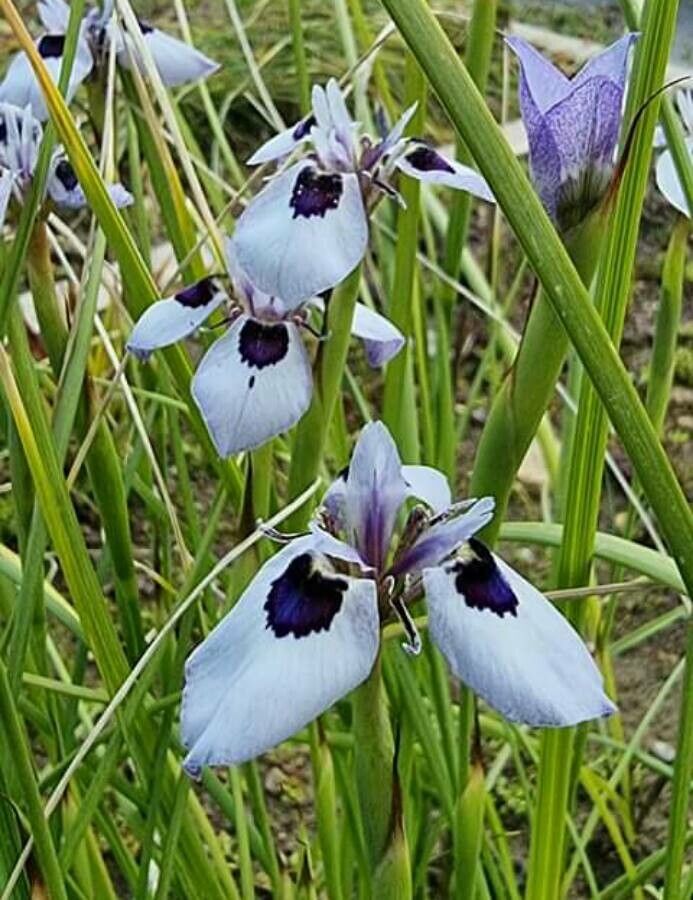
Moraea collina is a species of the genus Moraea, in the family Iridaceae. It was formerly known as Homeria collina.
Cape tulip has strong resistance to disease and is generally unlikely to suffer from illnesses. Still, it can be affected by pests and diseases present in its environment. Such infections tend to be mild. Regarding care, the plant needs moderate maintenance. It should be pruned regularly to keep a good appearance and encourage healthy growth. Fertilizing can also help stimulate flowering. Cape tulip is appropriate for anyone with outdoor space, like a garden or patio, and does not demand extensive care experience. It may need more attention when cultivated indoors.
How to keep Moraea Collina.
Light
The Cape tulip is a sun-loving, perennial herbaceous plant that originates in open habitats and frequently thrives in meadows and grasslands. It prefers full sun but can also tolerate partial sun conditions.
Water
Cape tulips thrive in moderate climates and prefer consistent moisture along with well-drained soil. Watering them weekly is beneficial, particularly during the cooler growing season, as it enhances their growth and flowering potential.
Temperature
Cape tulip is well adapted to temperature, able to withstand higher heat and broad temperature fluctuations. In hot conditions, care should be taken with watering and providing adequate shade to avoid sunburn. However, Cape tulip has relatively limited tolerance for cold. While it can endure some chill, very low temperatures can cause frost damage.
Fertilizer
The primary time to fertilize Cape tulip is in early spring when the flowers are forming. Using the right fertilizer promotes better blooms and helps the Cape tulip produce attractive flowers. Fertilizing in early spring ensures strong flowering during the season and supplies energy for dormant growth phases.
Pruning
Cape tulip is a lively perennial celebrated for its bright blooms. To promote growth and minimize disease risk, prune it between early and late spring by removing spent flowers and trimming away dead foliage. Always use clean, sharp tools to ensure quick healing and maintain the health of the plant.
Pot & Repot
Repot your cape tulip every 2 to 3 years, ideally in late winter, using a medium-sized pot with good drainage. After repotting, keep the soil moist and place the cape tulip in a well-lit area. However, be sure to avoid direct sunlight during the summer to support its growth and recovery.
Botanical profile.
- Plant Type
- Herb
- Life Cycle
- Perennial
- Genus
- Moraea
- Family
- Iridaceae
- Hardiness Zone
- 8-11
- Mature Height
- 40 cm
- Mature Spread
- 10 cm
- Leaf Color
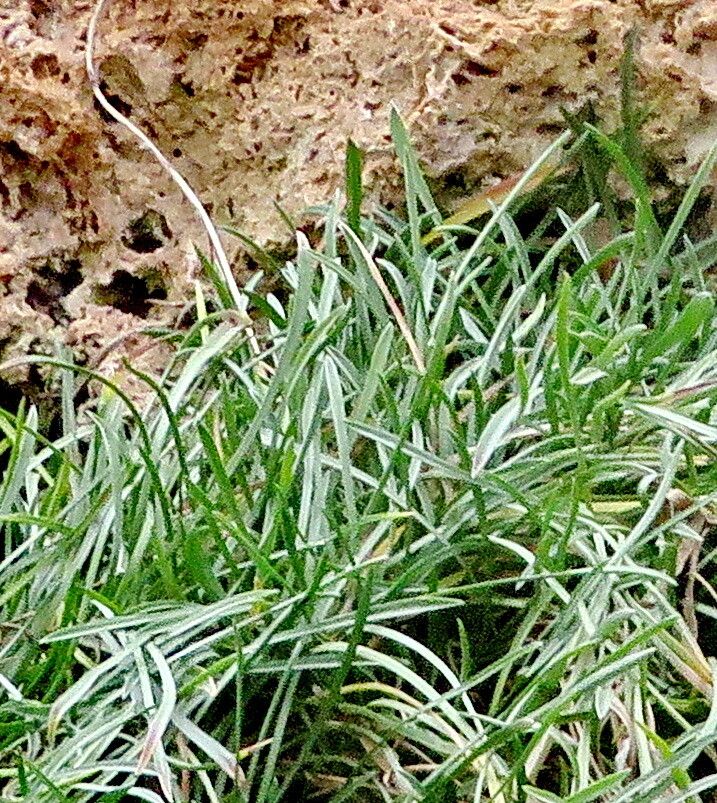
- Green, Blue
- Leaf Type
- Deciduous
- Flower Color
- Yellow, Orange
- Flower Size
- 5.08 cm to 6.35 cm
- Bloom Time
- Early spring, Mid spring
- Planting Time
- Spring
- Harvest Time
- Late spring, Early summer
- Native Area
- South Africa
Other names.
Reader questions.
What are the sunlight requirements for Cape Tulip?
Cape tulip, or Moraea collina, flourishes under full sun conditions, requiring more than 6 hours of sunlight daily. It can also adapt to partial sun conditions. The sunlight illuminates your garden differently throughout the day, so it’s crucial to find a spot that provides a harmonious balance of light and shade, ensuring the plant's well-being and happiness.
How can artificial lighting supplement sunlight for indoor Cape Tulip plants?
When natural sunlight is insufficient, artificial lighting becomes essential for the growth of indoor Cape Tulip plants, especially during less sunny seasons or in darker spaces. LED lights are preferable for their ability to offer specific light wavelengths needed by the plant. The amount of artificial light required varies by plant type: full sun plants need 30-50W per square foot, partial sun plants require 20-30W per square foot, and full shade plants need 10-20W per square foot. The light source should be placed 12-36 inches above the plant to simulate natural sunlight and should remain on for 8-12 hours per day to mimic the natural duration of daylight.
What are the signs of inadequate light exposure in Cape Tulip?
Cape Tulip shows several signs when suffering from light deficiency, including the growth of smaller leaves, leggy or sparse growth, accelerated leaf drop as a resource-conserving measure, halted new growth indicating survival mode, the emergence of lighter-colored or chlorotic leaves due to insufficient chlorophyll, plus symptoms of overexposure like sunscald, leaf curling, wilting, and leaf scorching. These signs indicate the plant’s struggle with inadequate lighting.
How can I address insufficient sunlight for my Cape Tulip plant?
To address insufficient sunlight for Cape Tulip, gradually acclimate your plant to more sunlight by moving it to a sunnier location each week until it receives at least 6 hours of direct sunlight daily. For indoor plants, consider using artificial lights such as desk lamps or grow lights for at least 8 hours a day if moving the plant is not feasible. Outdoor plants should also be gradually transitioned to sunnier spots to prevent sunburn. If obstructions like trees block sunlight, pruning may increase exposure. For smaller plants, consider transplanting during their dormant season to a brighter location with good drainage. While parts of the plant that have suffered might not recover, new growth should thrive under improved conditions.