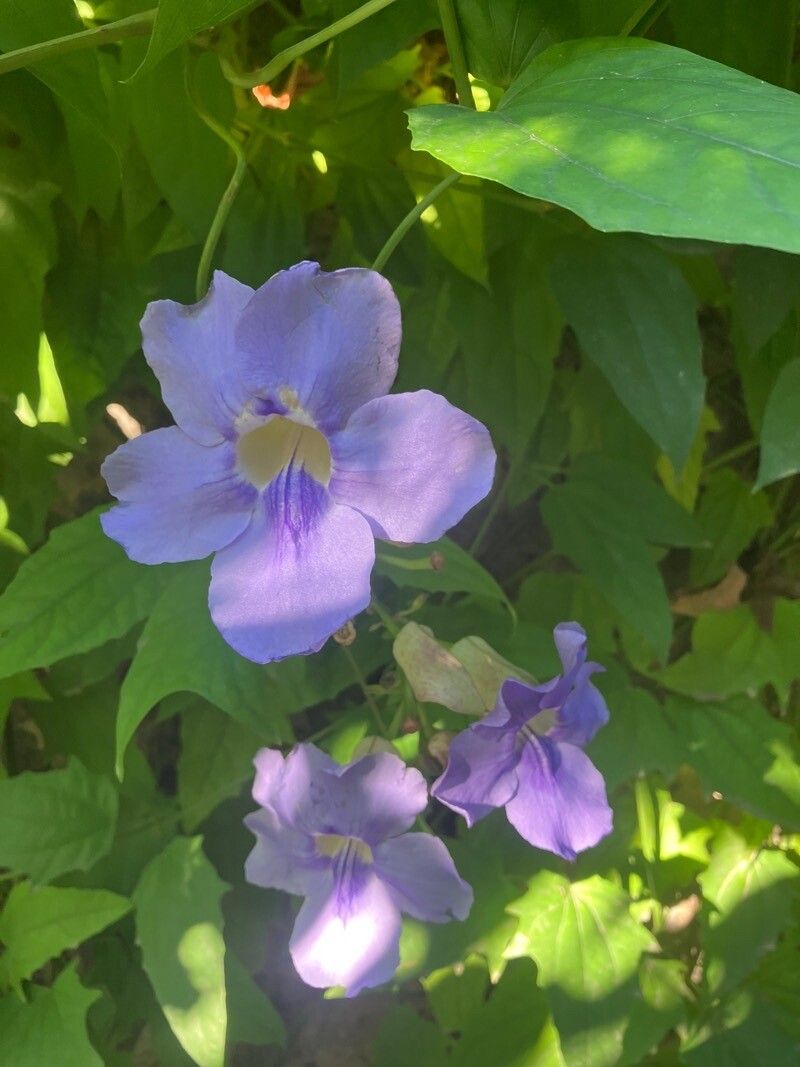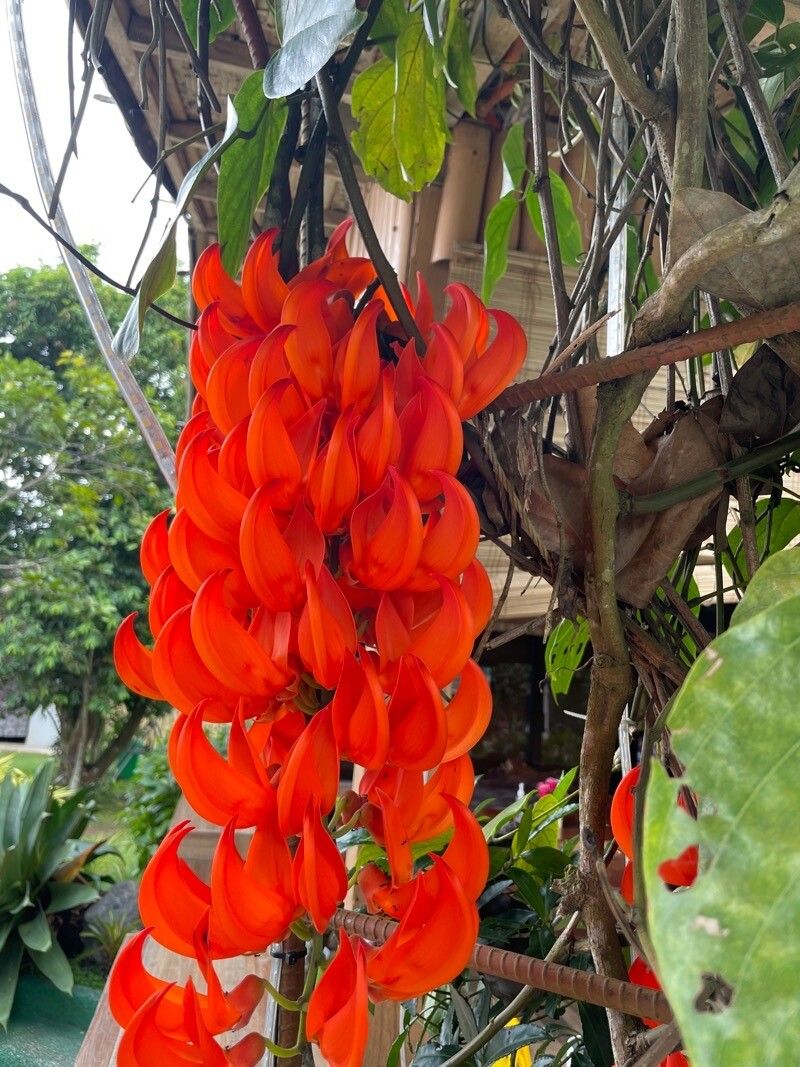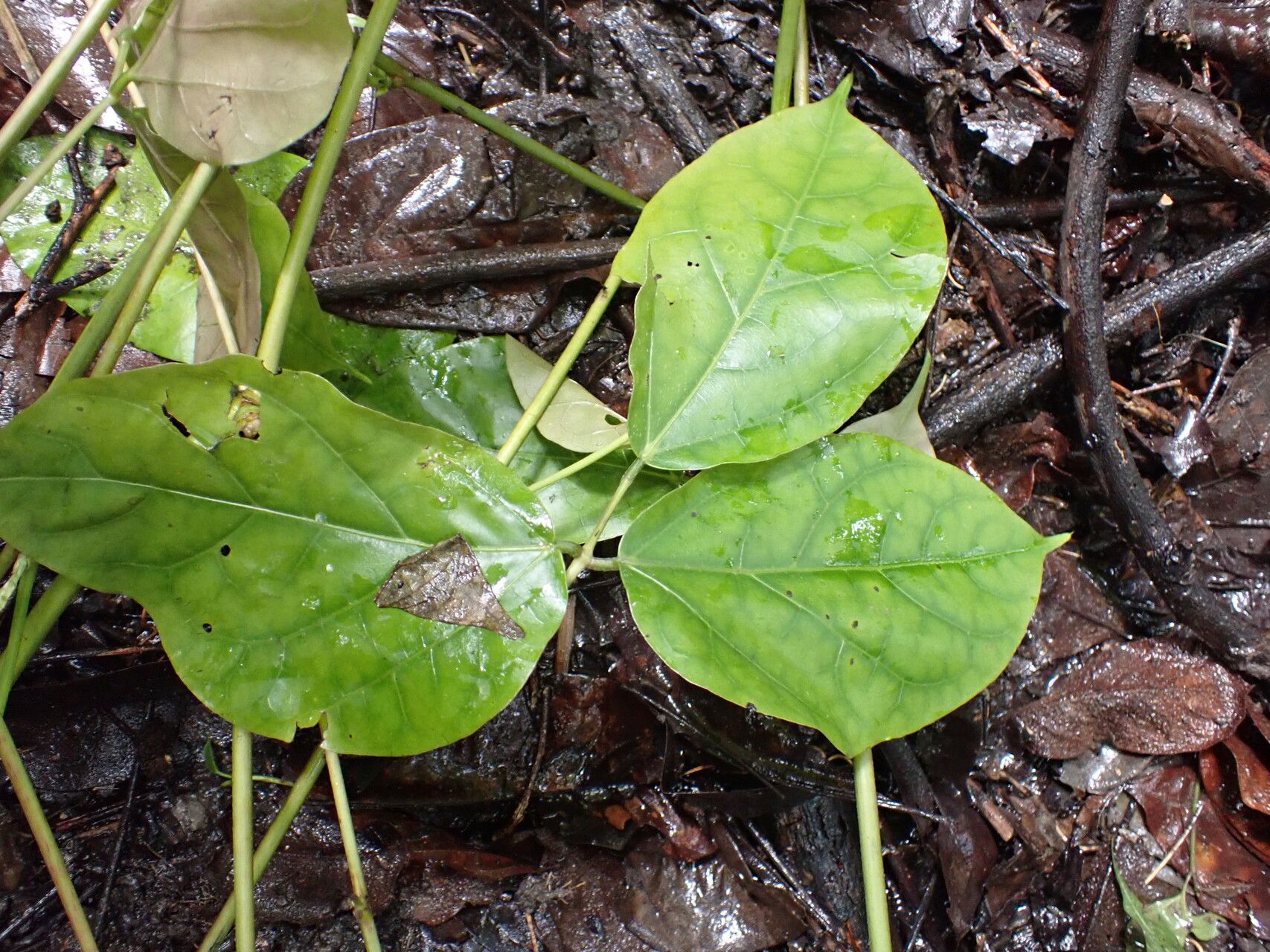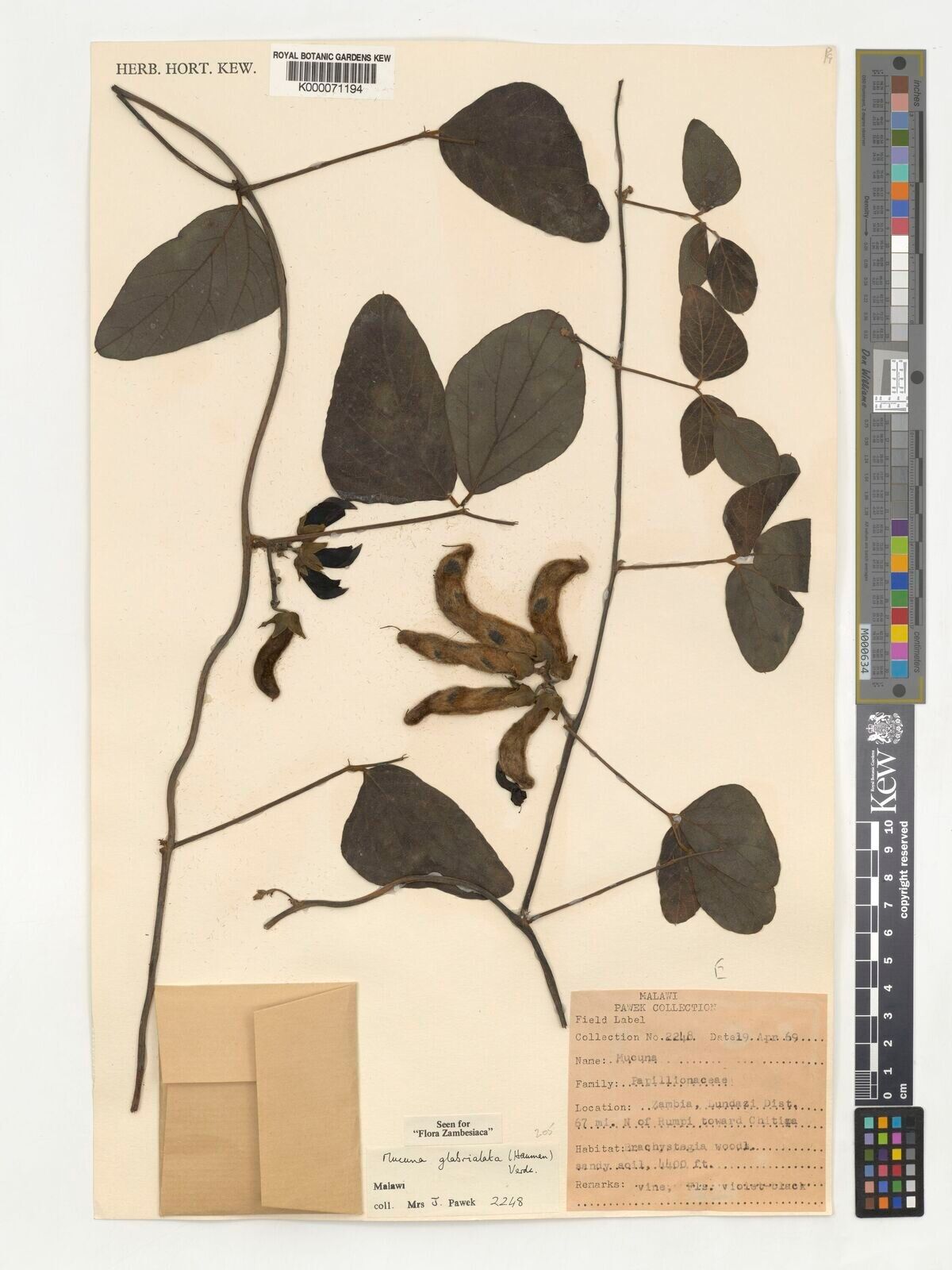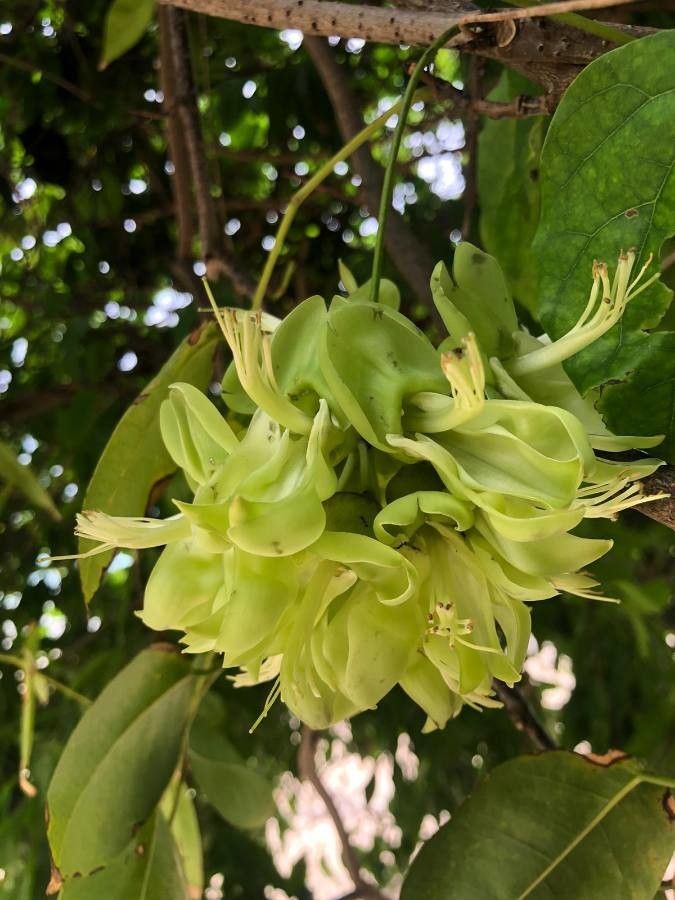
Mucuna gigantea is a species of large woody climber from the family Fabaceae. It is found in sub-Saharan Africa, India, tropical southern Asia, the Philippines, New Guinea and parts of Australia, and is commonly known as sea bean or burny bean.
Sea bean is resistant to disease and is usually not susceptible to illnesses. In terms of care, this plant is fairly low-maintenance. When grown outdoors it needs only light watering, and larger specimens generally do not require pruning. Smaller plants, however, should be trimmed after they bloom. Sea bean is suitable for anyone with outdoor space, such as a garden or a deck, and does not demand a great deal of care experience.
How to keep Mucuna Gigantea.
Light
The sea bean plant finds its origins in clear spaces, like bright fields and the perimeters of forests where light is abundant. It flourishes in Full Sun, however, it can also withstand Partial Sun, demonstrating its adaptability to different levels of sunlight.
Water
Sea bean is well-suited for arid environments due to its remarkable drought tolerance. It thrives with watering every three weeks and benefits from being grown outdoors in containers. This setup allows for better control of moisture levels, even as humidity varies.
Temperature
The sea bean is native to the tropics, an area known for its warm and damp weather. Consequently, it thrives in hot and moist climates. It does not favor abrupt shifts in temperature and prefers a consistent temperature setting, hence indoor temperature swings should be avoided. The plant generally cannot withstand cooler climates and needs warmer temperatures to grow. If the temperature in its surroundings falls too much, the sea bean might stop growing or even perish.
Fertilizer
For maximum development, Sea bean needs three rounds of fertilizer application: before planting, a month following sprouting, and a last application 1 to 1.5 months after the second one. Certain types of Sea bean find an extra dose of fertilizer beneficial at the time of planting to enhance quick growth.
Botanical profile.
- Plant Type
- Vine
- Life Cycle
- Perennial
- Genus
- Mucuna
- Family
- Fabaceae
- Hardiness Zone
- 10-12
- Mature Height
- 10.06 m to 29.87 m
- Mature Spread
- 4.88 m to 10.06 m
- Leaf Color
- Green, Dark Green
- Leaf Type
- Evergreen
- Flower Color
- White, Lavender
- Flower Size
- 3.05 cm to 5.08 cm
- Bloom Time
- Summer
- Planting Time
- Spring, Summer, Autumn
- Harvest Time
- Late summer, Fall
Other names.
Reader questions.
What are the sunlight requirements for Sea beans?
Sea beans, also known by their botanical name Mucuna gigantea, originate from open environments such as sunny meadows and forest edges, benefiting from ample light. They thrive best in full sun conditions, which means they require more than 6 hours of sunlight daily. However, they can also tolerate partial sun, defined as about 3-6 hours of sunlight. It’s important to watch how sunlight moves through your garden to ensure the plants receive the perfect balance of light and shade, ensuring their happiness and growth.
How does artificial lighting benefit indoor Sea bean plants?
For indoor Sea beans, adequate lighting is crucial, especially when natural sunlight is insufficient, such as during winter or in less sunny spaces. Artificial lighting, like LED lights, offers a vital solution, promoting faster, healthier growth. These lights can provide the specific wavelengths of light that the plants need. For full sun plants, 30-50W/sq ft of artificial light is recommended, whereas partial sun plants benefit from 20-30W/sq ft, and full shade plants need 10-20W/sq ft. The artificial light source should be placed 12-36 inches above the plant to mimic natural sunlight, and most plants will require 8-12 hours of light per day for optimal growth.
What are the symptoms of light deficiency in Sea beans?
Light deficiency in Sea beans may manifest through various symptoms, highlighting the plant's sensitivity to inadequate lighting conditions. These symptoms include smaller new leaves, leggy or sparse growth, faster leaf drop, slower or halted growth, lighter-colored new leaves indicating a lack of chlorophyll, chlorosis (yellowing of leaves), sunscald, leaf curling as a defense mechanism, wilting due to excessive water loss, and leaf scorching signaled by brown, dry edges. These symptoms underscore the importance of providing Sea beans with sufficient light to maintain health and growth.
How can I address insufficient sunlight for Sea beans?
Insufficient sunlight for Sea beans can be addressed through several strategies, whether the plants are indoor, outdoor, or in the ground. Indoors, gradually moving the plant to a sunnier location or using artificial grow lights can help. Outdoor plants should be acclimated to sunnier spots gradually to prevent sunburn. Reducing obstructions such as pruning trees can increase sunlight exposure. If needed, smaller plants can be transplanted during their dormant period to sites with better sunlight and drainage. It's crucial to make these changes gradually to ensure plant adaptation and avoid stress.