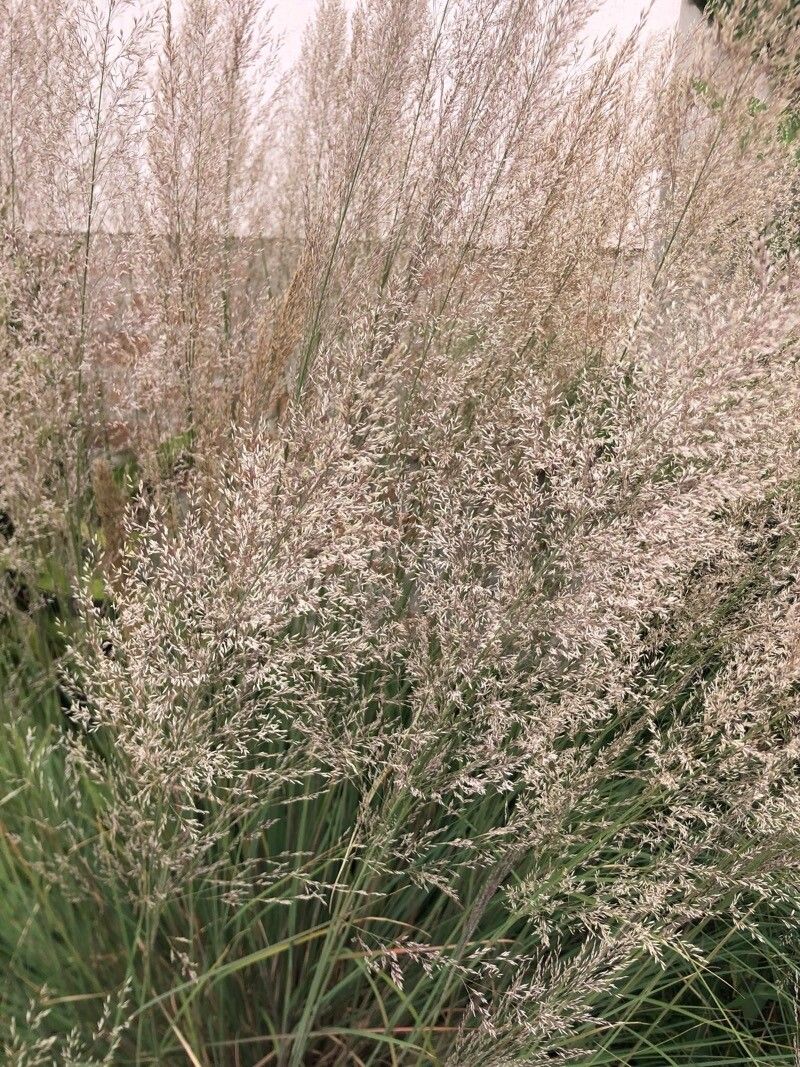
Bullgrass has strong resistance to disease and is generally not prone to them. Regarding care, this plant is relatively low-maintenance. When grown outdoors it needs minimal watering, and larger specimens typically do not require pruning. Smaller plants, however, should be pruned after they have bloomed. Bullgrasst is suitable for anyone who has an outdoor space, such as a garden or deck, and does not demand a lot of care experience.
How to keep Muhlenbergia Emersleyi.
Light
Bullgrass is a perennial herbaceous plant that adores sun and is native to open environments, usually flourishing in meadows and grasslands. While it favors full sunlight, it can also withstand areas with partial sun exposure.
Water
A young bullgrass needs frequent watering to support its growth. However, once the plants are established, they become more drought-tolerant and only require water during extremely dry periods. It's best to water them when the top layer of soil feels dry, but be careful to avoid creating soggy or waterlogged conditions.
Temperature
Bullgrass shows a positive response to different temperatures, withstanding increased temperatures and significant temperature fluctuations. During periods of intense heat, proper hydration and shading are crucial to avoid sun-scald. On the flip side, Bullgrass's resistance to chillier temperatures is comparably weak. Although it can survive mild cold, extremely low temperatures risk causing frost harm.
Fertilizer
Bullgrass benefits from supplementary nutrients to encourage robust new development. Putting some compost near the plant's bottom during springtime can proficiently supply the required nourishment it requires. Feeding the plant helps foster dynamic growth and aids in the plant's ability to fend off illnesses and pests.
Pruning
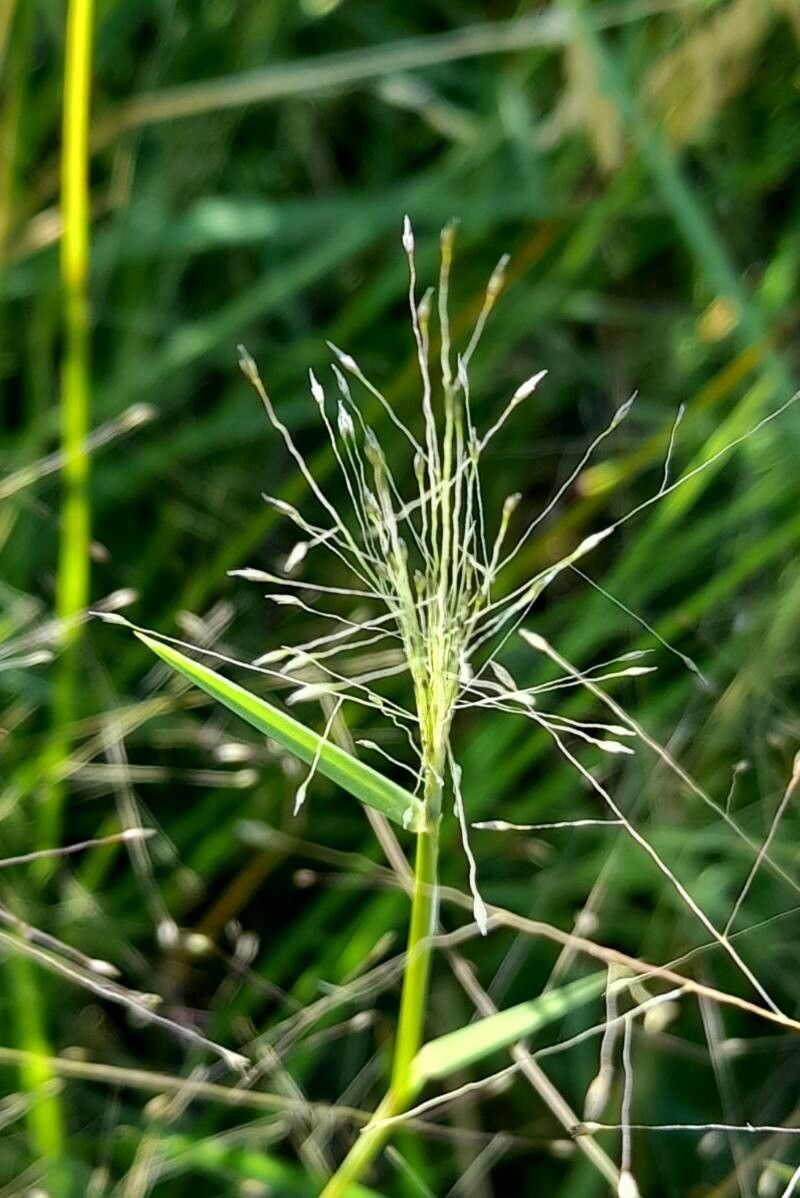
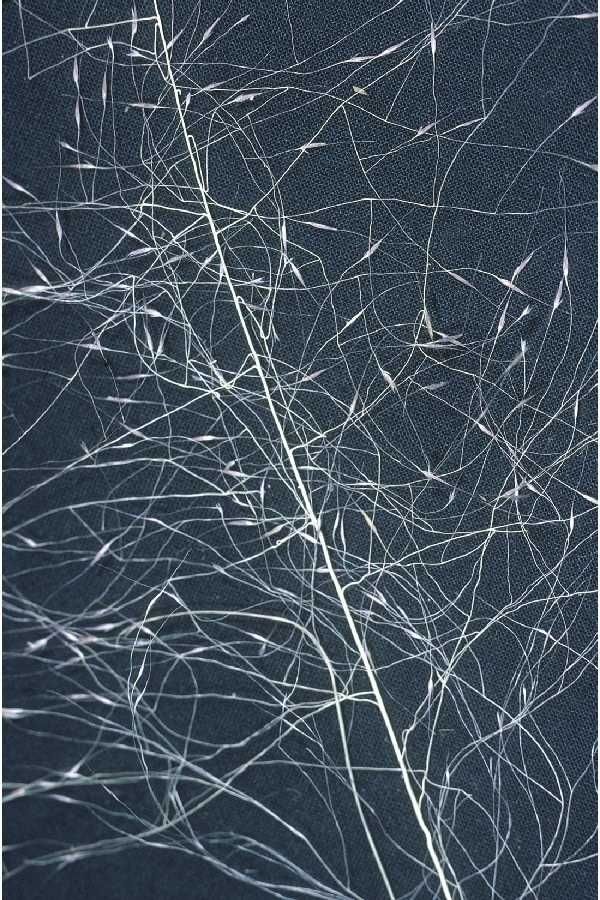
Bullgrass is known for its feathery flower plumes and elegant foliage. To keep it healthy and looking good, it's best to prune in early spring. This helps remove any dead growth and reduces clumping, which in turn improves air circulation and prevents disease. Following these practices will help ensure bullgrass remains attractive throughout the growing season.
Botanical profile.
- Plant Type
- Grass
- Life Cycle
- Perennial
- Genus
- Muhlenbergia
- Family
- Poaceae
- Hardiness Zone
- 6-10
- Mature Height
- 0.91 m to 1.83 m
- Mature Spread
- 91 cm
- Leaf Color
- Green
- Leaf Type
- Evergreen
- Bloom Time
- Late summer, Early fall, Mid fall
- Planting Time
- Spring, Autumn
- Harvest Time
- Fall
- Native Area
- Honduras, Mexico, Guatemala, Panama